Source Luxury Cosmetic Boston Bottle with Spray for foundation, serum, and toner
Compare 30 Luxury Cosmetic Boston Bottle with Spray options featuring round and square shapes, glass and plastic materials, and various sealing types. Buyers can evaluate MOQs, customization, and packaging details for foundation, serum, and toner applications.
Key considerations
Products List


300ml Trigger Spray Aluminum Spray Bottle, Aluminum Boston Cosmetic Bottle
$0.90 - $1.00
MOQ: 10000 Pieces


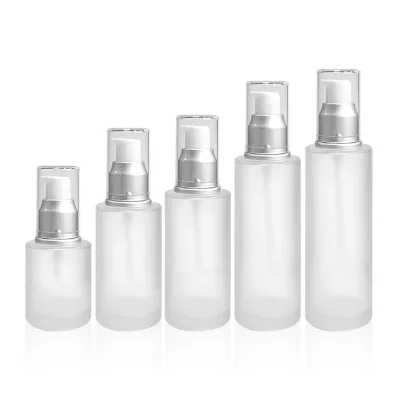


Customize spray bottle 1-16oz round boston glass bottle with spray bottle
$0.11 - $0.13
MOQ: 5000 Sets


Different Size Aluminium Cosmetic Bottle with Pump or Spray for Perfume
$0.40 - $0.50
MOQ: 5000 Pieces


Comprehensive Sourcing Guide
Luxury Cosmetic Boston Bottle with Spray Sourcing Guide
Sourcing high-end cosmetic packaging requires a nuanced understanding of both aesthetic appeal and functional integrity. The term "Boston bottle" traditionally refers to a specific glass vessel shape, often associated with amber or clear glass used for pharmaceuticals and essential oils. However, in the current B2B marketplace, this terminology has expanded to include plastic and metal alternatives that mimic the classic silhouette while offering different weight, durability, and cost profiles. Buyers must distinguish between true glass Boston bottles and modern plastic or metal imitations, as the material choice significantly impacts the perceived luxury, shipping costs, and regulatory compliance of the final product.
This guide focuses on the procurement of cosmetic bottles equipped with spray mechanisms, a critical component for lotions, toners, and fine fragrances. The market offers a wide variety of configurations, from simple pump sprayers to more complex atomizers. Understanding the interplay between the bottle material—whether glass, plastic, or metal—and the sealing type is essential for ensuring product stability and user experience. Procurement teams need to evaluate not just the visual design but also the mechanical reliability of the spray mechanism and the compatibility of the seal with specific cosmetic formulations.
Product Scope and Observed Listing Signals
The observed market data reveals a diverse range of products categorized under cosmetic packaging, with prices ranging from $0.02 to $1.80 USD per unit. This wide variance suggests that buyers are encountering everything from basic plastic tubes and simple glass vials to more complex metal or multi-material assemblies. The minimum order quantities (MOQs) observed span from 100 to 50,000 pieces, indicating that suppliers cater to both small-batch startups and large-scale manufacturing operations. Buyers should note that lower MOQs often correlate with higher unit costs, while bulk orders may unlock significant price advantages but require greater storage capacity and capital commitment.
Specific product attributes observed include square and round bottle shapes, with materials ranging from glass and plastic to metal. Some listings highlight "Glass" as the collar material while the main body is plastic, suggesting hybrid designs that aim to balance cost and aesthetics. Sealing types vary significantly, with "Rubber Stopper" and "Pump Sprayer" being prominent options. The presence of "Printed Logo" and "Customized" color options, such as frosted or transparent finishes, indicates that branding and visual customization are key drivers in this segment. Buyers should verify whether the "Boston" shape is strictly adhered to or if suppliers are offering alternative silhouettes that may better suit their brand identity.
Technical Specifications to Verify
Verifying the technical specifications of the bottle and spray mechanism is crucial for ensuring compatibility with your cosmetic formulation. The observed product models, such as YX-G017-30, SH-902-2, and GBC103, suggest a standardized naming convention that may correspond to specific volume capacities or design iterations. Buyers must confirm the exact volume standards, which range from 15ml to 600ml, to ensure the packaging aligns with your product’s dosage and market positioning. It is also important to verify the thickness of the material, with observations noting variations like 0.5cm to 3cm, which can affect the bottle’s durability and perceived quality.
The sealing type is a critical technical factor, particularly for spray applications. While some products use rubber stoppers, others feature pump sprayers, which require precise engineering to prevent leakage and ensure consistent mist distribution. Buyers should request detailed specifications for the spray mechanism, including the dip tube length, nozzle diameter, and actuation force. Additionally, the compatibility of the seal material with your specific cosmetic ingredients must be assessed to prevent chemical interactions that could degrade the product or the packaging. Customization options for the cap and bottle color should be clearly defined, including the available color palettes and the process for achieving custom shades.
Compliance and Safety Documentation
Compliance with international safety and quality standards is non-negotiable for cosmetic packaging. While specific certifications like BSCI or ISO 9001 are mentioned in background data, buyers must verify the current status of these certifications for each supplier. These certifications indicate a supplier’s commitment to ethical labor practices and quality management systems, respectively. However, buyers should not assume that a supplier holds these certifications without requesting valid, up-to-date documentation. The absence of such certifications may pose risks in terms of supply chain reliability and product safety.
Furthermore, buyers must ensure that the materials used in the bottles and sprayers comply with relevant regulatory standards for cosmetic packaging, such as FDA or EU regulations. This includes verifying that the plastics, glasses, and metals used are free from harmful substances like BPA, phthalates, or heavy metals. The supplier should provide material safety data sheets (MSDS) and compliance certificates for all components. Additionally, the origin of the products, whether from Zhejiang, Shenzhen, or other regions in China, may influence the regulatory landscape and testing requirements. Buyers should work with suppliers who are transparent about their material sourcing and testing protocols.
Cost Drivers and Commercial Terms
The cost of luxury cosmetic bottles is influenced by several factors, including material choice, customization complexity, and order volume. The observed price range of $0.02 to $1.80 USD reflects the diversity in materials and designs, with glass and metal options typically commanding higher prices than plastic alternatives. Customization, such as printed logos or custom colors, adds to the cost due to the additional setup and production steps required. Buyers should negotiate clear pricing structures that account for these variables, ensuring that there are no hidden fees for mold creation or color matching.
Commercial terms, including lead times and packaging details, also impact the total cost of ownership. Observed lead times of around 20 days suggest a standard production cycle, but this can vary based on order size and customization requirements. Packaging options, such as carton packaging or custom boxes, affect shipping costs and product protection. Buyers should clarify the packing specifications, such as the number of pieces per carton and the overall dimensions, to optimize logistics and storage. Additionally, payment terms and warranty policies should be discussed to mitigate financial risks and ensure supplier accountability.
Supplier Qualification and Quality Control
Qualifying suppliers involves a thorough assessment of their manufacturing capabilities, quality control processes, and track record. Buyers should request samples to evaluate the physical quality of the bottles and sprayers, checking for defects such as cracks, uneven coloring, or malfunctioning pumps. It is also important to verify the supplier’s production capacity and ability to meet large order volumes within the specified lead times. Suppliers with a history of exporting to your target market may have a better understanding of local regulatory requirements and quality expectations.
Quality control measures should be clearly defined and agreed upon before production begins. This includes establishing acceptance criteria for visual defects, dimensional accuracy, and functional performance. Buyers may consider implementing third-party inspections during production or before shipment to ensure compliance with quality standards. Additionally, suppliers should have a robust process for handling defects and returns, ensuring that any issues are resolved promptly and fairly. Building a strong relationship with a reliable supplier can lead to better pricing, improved quality, and more flexible terms over time.
Long-Term Procurement Checks
Long-term procurement success depends on continuous monitoring of supplier performance and market trends. Buyers should regularly review supplier metrics, such as on-time delivery rates, defect rates, and responsiveness to issues. This data can help identify potential problems early and facilitate corrective actions. Additionally, staying informed about changes in material costs, regulatory requirements, and consumer preferences can help buyers adapt their sourcing strategies. For example, the growing demand for sustainable packaging may influence the choice of materials and suppliers.
It is also important to maintain a diversified supplier base to mitigate risks associated with single-source dependencies. Engaging with multiple suppliers can provide competitive pricing options and ensure supply continuity in case of disruptions. Buyers should also consider the potential for future customization and innovation, working with suppliers who are willing to collaborate on new designs and technologies. By maintaining a proactive approach to supplier management and market analysis, buyers can secure high-quality cosmetic packaging that meets their brand’s standards and customer expectations.
FAQs
What customization options are available for these bottles?
Customization is available for logo printing and bottle color. You can request printed logos or custom colors to match your brand identity. The products support various specifications and packaging needs to ensure your specific cosmetic requirements are met effectively.
Which sealing types are used for these cosmetic bottles?
The bottles utilize rubber stoppers or pump sprayers as sealing types. These options ensure secure containment for foundation and other cosmetic liquids. The choice depends on the specific product model and intended usage for your cosmetic packaging needs.
Can I find bottles with a minimum order quantity of 1000 pieces?
Yes, some models have a minimum order quantity of 1000 pieces. Other models may require higher quantities like 3000 or 10000 pieces. You should verify the specific MOQ for the model you select to ensure it fits your procurement plan.
What materials are used to manufacture these cosmetic containers?
The containers are made from plastic, glass, or metal materials. Specific models vary, with some being glass bottles and others plastic soft tubes. The material choice depends on the product model and the specific application for your cosmetic packaging.
How long is the lead time for these cosmetic bottle orders?
The lead time is typically 20 days for production. This duration applies to standard orders based on the observed product facts. You should confirm the exact timeline with the supplier as it may vary based on order volume and customization requirements.
Which product models are available for 30ml capacity?
Models such as YX-G017-30 and SH-902-2 are available for 30ml capacity. These models support various standard volumes including 30ml, 50ml, and 60ml. You can select the specific model that matches your required volume and shape preferences.
Where are these cosmetic bottle manufacturers located?
Manufacturers are located in Zhejiang, China, and Shenzhen Guangdong. These regions are known for producing high-quality cosmetic packaging. The origin location may vary depending on the specific product model and supplier you choose for your order.