Source Luxury Cosmetic Perfume Bottle for Skincare, Fragrance, and Cosmetics
Compare 30 Luxury Cosmetic Perfume Bottle options from verified Chinese manufacturers. Buyers can evaluate glass types, capacities ranging from 12ml to 200ml, and customization features like screen printing and pump sprayers for various daily use applications; compare the available evidence and request quotations based on your requirements.
Key considerations
Products List


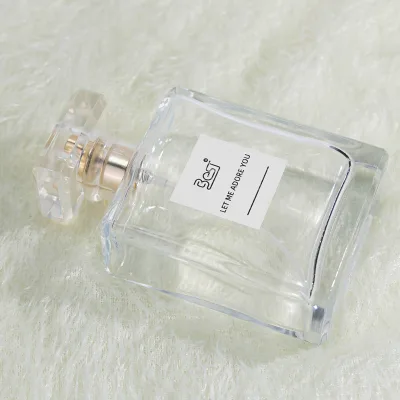


High-End Luxurious Glass Perfume Bottle with Glass Dropper for Cosmetic
$0.10 - $0.11
MOQ: 10000 Pieces


Comprehensive Sourcing Guide
Luxury Cosmetic Perfume Bottle Sourcing Guide
The market for luxury cosmetic and perfume bottles presents a diverse array of options ranging from square glass containers to cylindrical designs, often featuring narrow mouths and specialized sealing mechanisms like pump sprayers. Buyers must navigate a landscape where product attributes vary significantly, with some units offering transparent finishes while others provide multicolor options or cartoon patterns to suit specific brand identities. Understanding these physical distinctions is the first step in aligning procurement with aesthetic goals.
Procurement decisions should also account for the functional requirements of the packaging, such as the need for leak-proof seals and high-quality glass that remains unbreakable during transit. While some listings indicate a standard capacity of 100ml, others offer smaller volumes like 12ml or 50ml, requiring precise verification of the standard before placing orders. This variability necessitates a careful review of product specifications to ensure the selected bottle meets the exact volume and shape requirements of the intended luxury product line.
Product Scope and Observed Listing Signals
Buyers observing the current market will encounter a wide range of product models, such as PBL2491 and XS259, which demonstrate the diversity in shape and capacity available for luxury applications. The observed listings frequently highlight features like screen printing for surface handling and the availability of customization options, allowing brands to tailor the bottle's appearance to their specific marketing needs. These signals indicate a flexible supply chain capable of supporting both standard and bespoke design requirements.
Commercial signals also reveal significant variation in minimum order quantities, with some suppliers listing thresholds as low as 2 units while others require volumes up to 20,000 pieces. This disparity suggests that buyers must carefully evaluate their inventory needs against supplier constraints, as the high-volume requirements of certain manufacturers may not align with smaller batch production strategies. Additionally, the presence of export-standard packaging and various shipping methods like air or courier indicates a mature logistics infrastructure supporting global distribution.
Technical Specifications to Verify
Verification of the glass type is critical, as the supplied data points to melt glass as a primary material, which offers the transparency and durability expected in luxury packaging. Buyers should confirm whether the specific unit is a round bottle, square bottle, or cylindrical design, as these shapes impact the ergonomic feel and visual presentation of the final product. Ensuring the bottleneck is a narrow mouth type is also essential for compatibility with specific pump sprayers and closure mechanisms.
Capacity standards must be rigorously checked against the intended product formulation, as listings range from 12ml to 200ml, with common standards including 50ml and 100ml. The sealing type, often identified as a pump sprayer or seal cover, requires validation to ensure it provides the necessary leak-proof function for liquid cosmetics. Furthermore, surface handling techniques like screen printing should be confirmed to guarantee that branding elements will adhere correctly and maintain their quality over the product's lifecycle.
Compliance and Safety Documentation
Safety and regulatory compliance are paramount when sourcing glass bottles for cosmetic and perfume applications, particularly given the potential for direct contact with skin or inhalation of fragrance. Buyers should request documentation confirming adherence to standards such as REACH and MSDS, which are explicitly mentioned in the supplier data, to ensure the materials do not contain harmful substances. These documents serve as a baseline for verifying that the glass and any associated coatings meet international safety requirements.
In addition to material safety, certification status such as ISO and BV should be verified to confirm the supplier's commitment to quality management systems. While some background information mentions broader standards like ISO 22000 or BSCI, buyers must rely on the specific certifications provided in the product data to validate the supplier's operational integrity. Ensuring that the packaging meets these rigorous standards helps mitigate liability risks and builds consumer trust in the final luxury product.
Cost Drivers and Commercial Terms
The cost of luxury cosmetic bottles is heavily influenced by the complexity of the design, including shape variations like square or round forms and the application of custom surface treatments such as screen printing. Buyers should anticipate that higher customization levels, including specific colors or patterns, will drive up the unit price, which currently ranges from $0.07 to $2.00 in observed listings. Understanding these cost drivers allows for more accurate budgeting and negotiation strategies when engaging with potential suppliers.
Commercial terms, particularly minimum order quantities, present a significant variable in the procurement process, with observed ranges spanning from 2 to 20,000 pieces. High-volume orders may offer better unit economics but require substantial capital commitment, whereas lower MOQs provide flexibility for testing new designs. Buyers must also consider the packaging method, whether by ship, air, or courier, as these logistics choices will impact the total landed cost and delivery timeline for the finished goods.
Supplier Qualification and Quality Control
Supplier qualification should begin with verifying the place of origin, as the data indicates production centers in locations such as Xuzhou, Jiangsu, and Shanghai, China. These regions are known for their glass manufacturing capabilities, but buyers must still assess the specific factory's track record for consistency and reliability. Confirming that the supplier accepts OEM and ODM services ensures they have the technical capacity to execute custom designs and maintain the quality standards required for luxury branding.
Quality control protocols must be established to verify that the final product matches the observed specifications, such as the "unbreakable" feature and "high quality" claims. Buyers should implement incoming inspection procedures to check for defects in the glass, the integrity of the pump sprayers, and the accuracy of the printed patterns. Establishing clear acceptance criteria based on the provided attributes, such as the specific capacity and sealing type, is essential for maintaining product consistency across large production runs.
Long-Term Procurement Checks
Sustaining a successful supply chain for luxury packaging requires ongoing monitoring of supplier performance and product consistency over time. Buyers should regularly review the supplier's ability to meet the agreed-upon standards, such as the 100ml or 50ml capacities, and ensure that the customization options remain available as brand needs evolve. Continuous communication regarding any changes in material sourcing or production processes helps prevent unexpected disruptions in the supply of critical packaging components.
Long-term checks also involve evaluating the supplier's adaptability to market trends, such as shifts in preferred bottle shapes or the introduction of new sealing technologies. Since the observed data includes a wide range of models and capacities, maintaining a flexible relationship with the supplier allows for rapid adjustments to inventory levels and product designs. This proactive approach ensures that the procurement strategy remains aligned with the dynamic demands of the luxury cosmetic and perfume markets.
FAQs
What glass types are available for luxury cosmetic perfume bottles?
Melt glass is the primary material used for these luxury cosmetic perfume bottles. This type of glass offers high transparency and durability, making it ideal for premium packaging. The bottles are designed to be unbreakable while maintaining a sleek, clear appearance that enhances the visual appeal of the contained products for daily use applications.
Can I customize the shape and color of the bottles?
Yes, customization is available for both shape and color. Buyers can choose from square, round, or cylindrical designs. Color options include transparent, multicolor, or specific custom shades. OEM and ODM services are accepted, allowing brands to tailor the aesthetic to their specific identity while ensuring the bottles remain sealed and leak-proof for secure transport.
What is the minimum order quantity for these glass bottles?
The standard minimum order quantity is 20,000 pieces. This MOQ applies to most standard configurations, including the 100ml and 80ml models. However, observed listings indicate that some suppliers may accept lower quantities starting from 2 pieces. Buyers should verify specific MOQ requirements with manufacturers based on their chosen customization level and packaging needs.
Which certifications ensure the safety of these cosmetic containers?
These bottles often come with BV, ISO, REACH, and MSDS certifications. These standards verify that the glass and associated components meet international safety and quality requirements. Such certifications are crucial for luxury cosmetic brands to ensure compliance with global regulations, guaranteeing that the packaging materials are safe for direct contact with sensitive cosmetic and perfume formulations.
How are the bottles packaged for international shipping?
The bottles are packed using export standard packaging to ensure safety during transit. Options include carton or pallet packaging, which can be customized to specific buyer requirements. Shipping methods available by ship, air, or courier allow for flexible logistics. This robust packaging protects the fragile glass items from damage, ensuring they arrive in perfect condition for immediate use.
What closure types are compatible with these perfume bottles?
Compatible closure types include pump sprayers, spray pumps, and seal covers. These closures are designed to be leak-proof, ensuring the integrity of the perfume or cosmetic product inside. The narrow mouth bottle design facilitates a secure fit for various pump mechanisms. This versatility allows brands to select the most appropriate dispensing method for their specific product viscosity and user experience goals.