Source Luxury Elegant Ceramic Dinner Plates for Hotels, Restaurants, and Catering
Find 30 Luxury Elegant Ceramic Dinner Plates from verified Chinese manufacturers. Compare square and round designs, various sizes, and certifications like FDA and LFGB to find the right fit for your business needs.
Key considerations
Products List


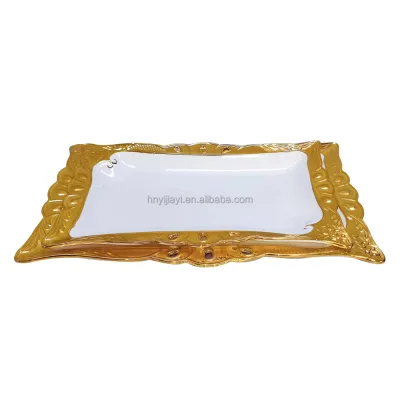


Luxury Ceramic Dinner Plate Round Ceramic Fruit Plate Custom Porcelain Food Plate
$1.00 - $5.00
MOQ: 5000 Sets


Comprehensive Sourcing Guide
Luxury Elegant Ceramic Dinner Plates Sourcing Guide
Sourcing Luxury Elegant Ceramic Dinner Plates requires a nuanced understanding of material integrity, aesthetic consistency, and supply chain reliability. These items are not merely functional tableware but represent a significant portion of a hospitality or retail brand’s visual identity. Buyers must navigate a market where "luxury" is often a marketing term rather than a technical specification, necessitating rigorous verification of ceramic density, glaze quality, and dimensional accuracy. The following guide provides evidence-based procurement strategies to ensure that the final product meets both aesthetic expectations and operational durability standards.
The procurement process for high-end ceramic dinnerware involves balancing artistic design with industrial manufacturing realities. While the visual appeal of a plate is immediate, its longevity in commercial settings depends on thermal shock resistance, chip resistance, and dishwasher safety. Buyers should approach suppliers with a clear definition of what constitutes "elegant" in their specific context, whether that implies minimalist modern lines, intricate hand-painted details, or classic traditional forms. This clarity is essential when evaluating samples and negotiating technical specifications, as it prevents misalignment between the supplier’s production capabilities and the buyer’s brand requirements.
Product Scope and Observed Listing Signals
The current market landscape for ceramic dinner plates reveals a diverse range of product attributes that buyers must carefully interpret. Observed listings indicate a strong presence of products made from ceramic and porcelain materials, with shapes ranging from square to round configurations. These variations suggest that suppliers cater to different aesthetic preferences, from contemporary geometric designs to traditional circular forms. The presence of multicolor and white options further highlights the need for buyers to specify their exact color requirements, as "multicolor" can encompass a wide spectrum of finishes, from subtle glazes to bold, decorative patterns.
Commercial signals in the market also point to significant variability in customization and stock availability. Some suppliers offer customized designs, allowing for brand-specific logos or unique shapes, while others maintain stocked inventory for faster delivery. The observed price range of $0.25 to $100 USD reflects this disparity, with lower prices typically associated with standard, mass-produced items and higher prices linked to intricate designs, premium materials, or smaller batch customizations. Buyers should be aware that "eco-friendly" claims are present in some listings, but the specific environmental standards or manufacturing processes behind these claims require independent verification to ensure they align with corporate sustainability goals.
Technical Specifications to Verify
Dimensional accuracy and standard sizing are critical for luxury dinnerware, as even minor deviations can affect table setting aesthetics and stackability. Observed specifications include standard diameters such as 6, 8, 10, 12, 14, and 16 inches, with some products offering specific metric dimensions like 30x19x3.5 cm. Buyers must verify that the listed dimensions refer to the outer diameter of the plate and confirm the thickness, as this impacts both the visual weight and the structural integrity of the piece. It is also important to check if the supplier offers a consistent range of sizes across a collection, ensuring that matching bowls, plates, and serving dishes are available in harmonious proportions.
Material composition and glaze quality are other key technical aspects that define the luxury appeal of ceramic plates. Porcelain, often distinguished by its translucency and finer grain, is frequently preferred for high-end applications, while stoneware or earthenware may offer a more rustic or robust appearance. Buyers should request detailed information on the clay body and glaze formulation, particularly regarding lead and cadmium content, to ensure safety and compliance. Additionally, the presence of features such as handles on cups or specific packaging types like brown boxes or OPP bags can indicate the supplier’s attention to detail and protection during transit, which is crucial for maintaining the pristine condition of luxury items.
Compliance and Safety Documentation
Regulatory compliance is non-negotiable for ceramic dinnerware intended for food contact, particularly in international markets. Certifications such as FDA, LFGB, and CE/EU are commonly cited in supplier listings, indicating adherence to specific safety standards for materials and manufacturing processes. LFGB, in particular, is known for its stringent requirements in the European market, covering not only material safety but also overall product safety. Buyers should request valid, up-to-date certification documents from accredited laboratories, verifying that the tests were conducted on the actual product lines being supplied, not just on generic samples.
Beyond material safety, social compliance and ethical manufacturing practices are increasingly important for luxury brands. Certifications like BSCI (Business Social Compliance Initiative) demonstrate that the supplier adheres to ethical labor standards, including fair wages, safe working conditions, and prohibition of child labor. For buyers targeting high-end retail or hospitality sectors, these credentials can be a significant differentiator, aligning the product with corporate social responsibility (CSR) policies. It is advisable to conduct regular audits or request third-party audit reports to ensure ongoing compliance, as certifications can be static documents that do not reflect current operational practices.
Cost Drivers and Commercial Terms
The cost of luxury ceramic dinner plates is influenced by several factors, including material quality, design complexity, and order volume. The observed minimum order quantity (MOQ) ranges from 2 to 5000 units, indicating flexibility for both small boutique orders and large-scale commercial purchases. Higher MOQs typically result in lower per-unit costs due to economies of scale in production and shipping. Buyers should carefully evaluate their inventory needs against these MOQs to avoid excessive stockholding costs or production delays, considering the lead times associated with custom versus stocked items.
Payment terms and shipping logistics also play a significant role in the total cost of ownership. Common payment methods include PayPal, Western Union, and 100% Telegraphic Transfer (TT), with terms varying based on the supplier’s risk assessment and the buyer’s relationship history. Buyers should negotiate favorable payment terms, such as partial upfront payment with the balance upon shipment or inspection, to mitigate financial risk. Additionally, packaging standards, such as standard export cartons or individual box packaging, impact shipping costs and product protection, so buyers should clarify these details to avoid unexpected charges or damage-related losses.
Supplier Qualification and Quality Control
Evaluating supplier qualifications is essential to ensure consistent quality and reliable delivery. Buyers should assess the supplier’s production capacity, quality control processes, and experience in manufacturing luxury ceramic goods. Factories with advanced kiln technology and strict quality control checkpoints are more likely to produce plates with consistent color, shape, and glaze finish. Requesting references from existing clients, particularly those in the hospitality or luxury retail sectors, can provide valuable insights into the supplier’s reliability and product performance over time.
Quality control measures should be implemented at multiple stages of the production process, from raw material inspection to final packaging. Buyers should define clear acceptance criteria for defects, such as chips, cracks, glaze imperfections, or dimensional inaccuracies, and communicate these standards to the supplier. Pre-shipment inspections by third-party agencies can provide an objective assessment of product quality and compliance with agreed specifications. Establishing a robust quality control framework helps minimize the risk of receiving substandard products and ensures that the luxury image of the brand is maintained.
Long-Term Procurement Checks
Building a long-term relationship with a ceramic dinnerware supplier requires ongoing monitoring and evaluation of performance metrics. Buyers should track key performance indicators such as on-time delivery rates, defect rates, and responsiveness to issues. Regular communication and feedback loops help maintain alignment on quality standards and allow for continuous improvement. Suppliers who demonstrate a commitment to innovation and sustainability are more likely to be valuable long-term partners, offering new designs and eco-friendly options that align with evolving market trends.
As market conditions and consumer preferences change, buyers must remain agile in their procurement strategies. This may involve diversifying the supplier base to mitigate risks associated with single-source dependency or exploring new materials and designs that enhance product appeal. Staying informed about industry trends, regulatory changes, and technological advancements in ceramic manufacturing ensures that the procurement strategy remains competitive and aligned with the brand’s long-term goals. By maintaining a proactive approach to supplier management, buyers can secure a steady supply of high-quality, luxury ceramic dinner plates that meet the demands of their discerning customers.
FAQs
What certifications do these ceramic plates hold?
The products hold CE/EU, FDA, and LFGB certifications. These standards ensure safety for food contact and compliance with international regulations for kitchenware used in hotels and restaurants.
Can I request custom designs for these plates?
Customization is available for these ceramic dinner plates. Buyers can specify unique shapes, colors, or branding details to meet specific hotel or restaurant requirements while maintaining the classic luxury style.
Which shapes are available for the ceramic plates?
Both square and round shapes are available in the product line. The collection includes various models like FS13927 and DW series, offering versatility for different table settings and dining preferences.
How are the plates packaged for shipping?
Packaging options include brown boxes, OPP bags, and standard export cartons. The specific packing method depends on the model selected, ensuring safe transport and protection during international logistics.
What is the origin of these ceramic products?
The products originate from China, specifically the Zhejiang region. This location is known for its established manufacturing capabilities in producing high-quality ceramic and porcelain tableware for global export.
Are these plates suitable for daily restaurant use?
Yes, the plates are designed for daily use in hotels and restaurants. Their durable ceramic and porcelain construction supports frequent washing and handling while maintaining a simple yet elegant aesthetic.