Source Luxury Vintage Glass Perfume Bottle for Daily Use, Craft, and Perfume
Find 30 Luxury Vintage Glass Perfume Bottle options featuring crystal glass, narrow mouth designs, and pump sprayer or dropper sealing types. Compare OEM/ODM capabilities, screen printing, and hot stamping surface handling for your specific application needs; compare the available evidence and request quotations based on your requirements.
Updated
Key considerations
Products List


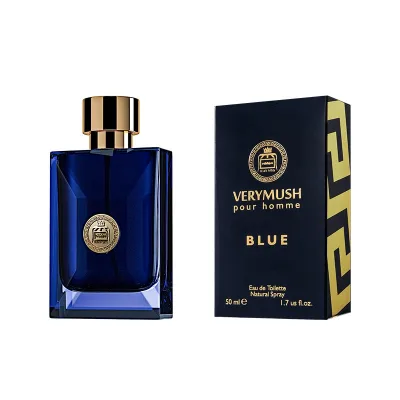


Luxury Premium Glass Perfume Bottle with Gold Cap Elegant Fragrance Storage
$0.20 - $0.80
MOQ: 10000 Pieces

Luxury Unique Perfume Bottles Rectangle Bottle Perfume Glass Bottles 100ml
$0.15 - $0.45
MOQ: 10000 Pieces


High Quality 30ml/50ml/100ml Luxury Glass Perfume Bottle with Pump Spray
$0.09 - $0.40
MOQ: 10000 Pieces
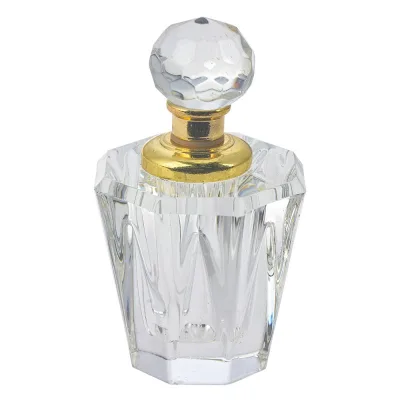
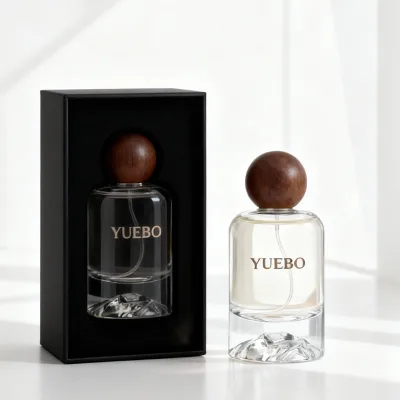


50ml Luxury Custom Perfume Bottle Clear Perfume Bottle Glass Perfume Bottles
$0.25 - $0.39
MOQ: 10000 Pieces


Glass Perfume Bottle Premium Luxury Empty Perfumes Glass Spray Bottles
$0.10 - $0.18
MOQ: 10000 Pieces
Comprehensive Sourcing Guide
Luxury Vintage Glass Perfume Bottle Sourcing Guide
Sourcing luxury vintage glass perfume bottles requires a nuanced understanding of material integrity, aesthetic detailing, and supply chain reliability. Buyers must distinguish between mass-produced generic containers and those offering the specific tactile and visual qualities associated with high-end fragrance branding. The market presents a wide array of options, from simple cylindrical designs to intricate crystal structures, each demanding different verification protocols. This guide outlines the critical steps for evaluating suppliers, ensuring that the final product aligns with brand expectations for quality, durability, and visual appeal.
Procurement decisions should be driven by clear technical specifications and verified supplier capabilities rather than marketing imagery alone. Key attributes such as glass type, sealing mechanisms, and surface treatments significantly impact both the user experience and the longevity of the packaging. By focusing on observable listing signals and concrete technical data, buyers can mitigate risks associated with inconsistent quality or non-compliant materials. This approach ensures that the selected packaging not only protects the product but also enhances its perceived value in the competitive luxury market.
Product Scope and Observed Listing Signals
The observed product landscape includes a variety of glass containers, ranging from standard cylindrical bottles with pump sprayers to more elaborate crystal designs featuring droppers. Listings indicate a focus on daily use applications, with specific models designed for perfume and other liquid cosmetics. Common attributes include transparent or clear glass, narrow mouth designs, and shapes that vary from simple cylinders to square forms. Surface handling techniques such as screen printing, letterpress printing, and hot stamping are frequently employed to add branding elements, while sandblasting and blown glass techniques contribute to the vintage aesthetic.
Material composition is a critical differentiator, with some products specified as melt glass and others as crystal or crystal glass. The presence of accessories like handles or specific sealing types, such as droppers or pump sprayers, further defines the product scope. Buyers should note that while some listings mention "luxury" or "crystal" descriptors, these are often marketing terms that require verification against actual material properties. The diversity in shapes, including flower styles and simple designs, suggests a broad market segment catering to various brand identities, from minimalist to ornate.
Technical Specifications to Verify
Technical verification must begin with confirming the exact dimensions and capacity of the bottles, as listings show standards ranging from 30ML to 100ML. Buyers should request detailed single package sizes and gross weights to ensure accurate logistics planning and shelf presentation. For instance, specific models may have a single package size of 6x6x11 cm and a gross weight of 0.2 kg, which are crucial for calculating shipping costs and storage requirements. Verifying these physical attributes prevents discrepancies between ordered samples and bulk production runs.
Sealing mechanisms and surface treatments require close inspection to ensure functionality and aesthetic consistency. Pump sprayers and droppers must be tested for leak-proof performance and spray consistency, while surface finishes like hot stamping or sandblasting should be checked for durability and precision. The type of glass, whether melt glass or crystal, affects both the clarity and the weight of the final product. Buyers should insist on sample testing to validate that the technical specifications meet the rigorous demands of luxury packaging, ensuring that the bottle not only looks premium but also performs reliably.
Compliance and Safety Documentation
Compliance with international safety standards is paramount for perfume packaging, particularly regarding chemical compatibility and structural integrity. Buyers must verify that the glass materials used are free from harmful substances and suitable for long-term contact with alcoholic or oily fragrance bases. While specific certifications like CE may be mentioned in some contexts, buyers should not assume compliance without documented proof from the supplier. It is essential to request material safety data sheets and any relevant test reports that confirm the absence of lead, cadmium, or other heavy metals in the glass or decorative elements.
Packaging and labeling regulations also play a significant role in ensuring market access. Export standard packaging must be verified to protect the fragile glass items during transit, minimizing breakage and damage. Buyers should confirm that the supplier adheres to international shipping standards, whether by air, express courier, or sea freight, to maintain product quality. Additionally, any custom logos or branding applied through techniques like letterpress or hot stamping must comply with local labeling laws, ensuring that all required information is legible and accurately placed on the final product.
Cost Drivers and Commercial Terms
Cost structures for luxury glass perfume bottles are influenced by material quality, design complexity, and order volume. The observed minimum order quantities (MOQ) range from 200 to 10,000 pieces, with some suppliers requiring a minimum of 20,000 units for certain models. Buyers should negotiate terms that align with their production schedules and inventory needs, considering that higher volumes may offer better unit prices but require greater capital investment. The inclusion of OEM and ODM services can add value but may also increase costs due to custom tooling and design development fees.
Shipping and packaging costs are significant components of the total landed cost, especially for fragile glass items. Buyers should evaluate the supplier’s packaging solutions to ensure they meet export standards while minimizing excess material use. Options for shipping by air, express, or sea should be compared based on urgency and budget constraints. Additionally, the availability of samples, which is often accepted by suppliers, should be factored into the initial procurement budget, as these are essential for quality verification before committing to large-scale orders.
Supplier Qualification and Quality Control
Supplier qualification involves assessing their manufacturing capabilities, quality control processes, and track record in producing luxury packaging. Buyers should verify the supplier’s origin, with many manufacturers located in regions like Zhejiang, China, known for their glass production expertise. It is crucial to confirm that the supplier has experience in handling delicate materials and complex surface treatments, such as sandblasting and hot stamping, without compromising structural integrity. Requesting references or case studies from previous clients can provide insights into the supplier’s reliability and consistency.
Quality control measures must be clearly defined and enforced throughout the production process. Buyers should establish clear acceptance criteria for defects, such as bubbles, scratches, or misaligned prints, and implement regular inspections during production. The supplier’s ability to accept customized logos and designs indicates flexibility, but buyers must ensure that these customizations do not introduce quality risks. Collaborating with suppliers who offer robust quality assurance protocols helps mitigate the risk of receiving substandard products, ensuring that the final packaging meets the high standards expected in the luxury market.
Long-Term Procurement Checks
Long-term procurement success depends on establishing a sustainable relationship with suppliers who can consistently deliver high-quality products. Buyers should conduct periodic audits of the supplier’s production facilities and quality control systems to ensure ongoing compliance with agreed-upon standards. Regular communication and feedback loops are essential for addressing any emerging issues promptly and maintaining product consistency. Additionally, staying informed about industry trends and technological advancements in glass manufacturing can help buyers identify opportunities for innovation and cost optimization.
Risk management strategies should include diversifying the supplier base to mitigate the impact of potential disruptions. Buyers should also monitor market conditions and material costs to anticipate price fluctuations and adjust procurement strategies accordingly. By maintaining a proactive approach to supplier management and quality assurance, buyers can ensure that their luxury perfume packaging remains competitive and aligned with brand values. Continuous evaluation and improvement of procurement processes will support long-term business growth and customer satisfaction in the dynamic fragrance industry.
FAQs
What materials are used for luxury vintage glass perfume bottles?
The bottles are crafted from crystal glass or melt glass to ensure clarity and durability. These materials support various surface handling techniques like screen printing and hot stamping for a premium finish.
Which sealing types are available for these glass perfume bottles?
Available sealing options include pump sprayers and droppers depending on the specific model. These mechanisms ensure secure containment for liquid perfumes while maintaining the elegant appearance of the bottle design.
Can I customize the logo on these crystal perfume bottles?
Yes, customized logos are accepted for these products. The manufacturing process supports techniques like letterpress printing and sandblasting to apply unique branding directly onto the clear or transparent glass surfaces.
What is the minimum order quantity for these glass bottles?
The standard minimum order quantity is 20,000 pieces for most models. This volume requirement applies to the production of various sizes including 30ml, 50ml, 80ml, and 100ml options.
How are these perfume bottles packaged for export?
Products are packed in export standard packaging and often include gift boxes for individual items. Shipping methods available for delivery include air, express courier, and sea freight to ensure safe transport.
What shapes are available for these luxury glass perfume bottles?
Bottles come in cylindrical and square shapes to suit different design preferences. These forms are produced using blown techniques and are suitable for daily use or specific luxury perfume applications.
Where are these crystal glass perfume bottles manufactured?
These products originate from Zhejiang, China, where specialized factories produce them. The manufacturing location supports OEM and ODM services for clients seeking customized production runs.