Source Luxury Waterproof Folding House for Hotel, Office, Workshop
Explore 30 listings for the Luxury Waterproof Folding House designed for hotels, offices, and workshops. Buyers can compare specifications like wind resistance, earthquake safety, and installation ease to find the right prefabricated solution.
Key considerations
Products List


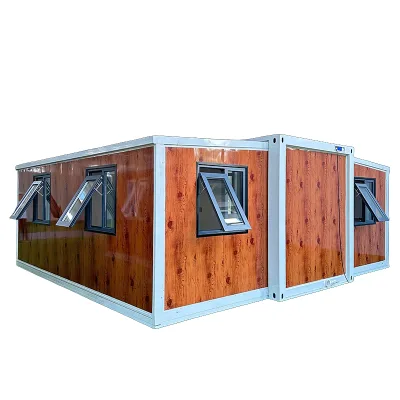
Wholesale Luxury Modern Prefab 20FT 30FT 40FT Folding Foldable House
$4099.00 - $4599.00
MOQ: 1 Pieces


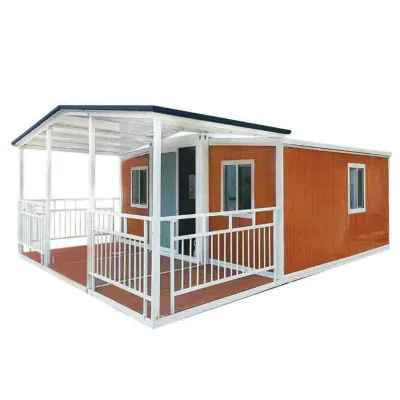
Luxury Expandable and Folding Transportable Living Container House
$15000.00 - $18000.00
MOQ: 1 Pieces


Comprehensive Sourcing Guide
Strategic Sourcing Guide for Luxury Waterproof Folding Houses
The global demand for rapid-deployment, high-performance modular accommodation has elevated the "Luxury Waterproof Folding House" from a niche construction concept to a critical asset for diverse industries. These structures combine the portability of containerized units with the aesthetic and functional expectations of permanent luxury housing. For procurement professionals, navigating this market requires a disciplined approach that separates verified product attributes from marketing generalizations. This guide provides a comprehensive framework for evaluating suppliers, validating technical specifications, and ensuring long-term value in the acquisition of these specialized assets.
Technical Architecture and Structural Integrity
The core of a Luxury Waterproof Folding House lies in its structural engineering and material composition. Based on available market data, these units frequently utilize a steel structure framework, which provides the necessary rigidity to withstand dynamic loads during transport and deployment. The wall materials are a critical differentiator in the "luxury" segment; observed specifications often include 50mm EPS (Expanded Polystyrene) or Rock Wool insulation. These materials are not merely for thermal regulation but are essential for achieving the waterproof and moisture-proof characteristics required for harsh environments.
The folding mechanism itself is a complex engineering feat. When folded, the unit reduces its footprint significantly, often to a size compatible with standard shipping containers, facilitating efficient logistics. Upon deployment, the structure expands to a full living volume. Dimensions observed in the market include standard lengths of 20FT, 30FT, and 40FT, with specific configurations reaching overall sizes of approximately 5900mm in length, 6300mm in width, and 2480mm in height. The floor system typically utilizes 1.8mm Glass Magnesium Board, offering a durable, fire-resistant, and moisture-resistant surface that outperforms traditional plywood in humid conditions.
Wind and seismic resistance are paramount for safety compliance. Verified data points indicate that high-end models are engineered to withstand wind resistance levels up to Level 16 and earthquake resistance up to Level 8. These figures represent specific engineering thresholds that buyers must verify against local building codes. Additionally, the refractory rating of 90 minutes for fire resistance is a critical safety metric that distinguishes luxury units from basic temporary shelters. The inclusion of aluminum or plastic steel windows further enhances the thermal insulation and waterproof integrity of the envelope.
Compliance, Certification, and Safety Standards
In the B2B procurement of modular housing, certification is not merely a formality but a legal and safety prerequisite. The market data indicates that reputable suppliers often provide CE certification, which is essential for operations within European markets and serves as a baseline for international quality assurance. Some listings also reference ISO certification, suggesting adherence to broader international management and quality standards.
However, buyers must exercise caution regarding the scope of these certifications. A CE mark indicates conformity with health, safety, and environmental protection standards for products sold within the European Economic Area, but it does not automatically guarantee compliance with local building codes in North America or Asia. Similarly, while "ISO" is mentioned, the specific standard (e.g., ISO 9001 for quality management) should be explicitly requested and verified.
Fire safety is another critical compliance area. The observed 90-minute refractory rating suggests a high level of fire resistance, but this must be validated through independent test reports. Buyers should request documentation proving that the wall materials (EPS or Rock Wool) and the steel frame assembly meet the specific fire safety regulations of the destination country. Additionally, electrical systems must be compatible with local voltage standards, with observed specifications noting 110V/220V, 50Hz compatibility. This flexibility is advantageous but requires verification that the internal wiring and circuit breakers are certified for the specific region of installation.
Cost Drivers and Pricing Dynamics
Understanding the cost structure of luxury waterproof folding houses is essential for budgeting and ROI analysis. The observed price range in the market spans from $799 to $18,000 USD. This wide variance is not indicative of a single product tier but rather reflects significant differences in customization, size, material quality, and included features.
The primary cost drivers include the complexity of the folding mechanism, the quality of insulation, and the level of interior finishing. Units with a "luxury" designation typically command higher prices due to the inclusion of high-end fixtures, advanced thermal insulation, and custom color finishes. The material cost of steel and specialized insulation boards also fluctuates with global commodity markets, directly impacting the final unit price.
Minimum Order Quantity (MOQ) is another critical factor in cost management. The market data shows an MOQ range of 1 to 10 units. While some suppliers offer single-unit purchases, the per-unit cost is often higher for small orders. Bulk procurement, typically starting at 10 units, usually unlocks significant economies of scale, reducing the average cost per unit. Buyers should also consider the "Naked" or "Film Package" shipping options. A "Naked" package implies the unit is shipped without protective packaging, which may reduce shipping costs but increases the risk of transit damage, potentially leading to higher replacement costs. Conversely, a "Film Package" offers better protection but may incur higher logistics fees.
Typical Applications and Usage Scenarios
The versatility of luxury waterproof folding houses makes them suitable for a wide array of applications, ranging from emergency relief to permanent commercial infrastructure. The observed usage categories include hotels, offices, workshops, hospitals, dormitories, and residential hostels.
In the hospitality sector, these units serve as rapid-deployment hotels or eco-lodges. Their "Eco-Friendliness" and "Easily Movable" attributes allow for temporary structures that can be relocated as tourism seasons change. For the construction industry, they function as on-site offices or worker dormitories, offering a comfortable, insulated environment that is superior to traditional tents or containers. In emergency response scenarios, the "Fast Installation" and "Earthquake Resistant" features make them ideal for temporary medical facilities or command centers in disaster zones.
The ability to customize the interior layout, including options for intermediate floors or floors on both sides, allows these units to adapt to specific operational needs. Whether used as a villa, a warehouse, or a temporary office, the modular nature ensures that the space can be reconfigured or expanded as requirements evolve. The "Modern" product style and "Customized Color" options further enhance their suitability for high-profile projects where aesthetics are as important as functionality.
Supplier Evaluation and Due Diligence
Selecting the right supplier requires a rigorous evaluation process that goes beyond price comparisons. Buyers should prioritize suppliers who can provide transparent documentation regarding their manufacturing processes and quality control measures. The origin of the product is a key indicator; observed data points to manufacturing locations in Taiyuan and Shanghai, China. While these are established industrial hubs, buyers must verify the specific factory's capacity and reputation.
Key evaluation criteria include the supplier's ability to handle customization requests, as "OEM" (Original Equipment Manufacturer) services are widely available. This capability allows buyers to tailor the unit to specific brand standards or functional requirements. Additionally, the warranty period is a strong indicator of supplier confidence. A standard warranty of 12 months is observed, but buyers should negotiate extended terms for critical components like the folding mechanism and electrical systems.
Logistics and lead time are also critical. The loading capacity of 2 units per 40HQ container is a standard metric that affects shipping efficiency. Buyers should confirm the supplier's ability to meet lead times, especially for customized orders. While specific lead times are not provided in the general data, the complexity of the folding mechanism suggests that production times may vary. A reliable supplier will provide a clear timeline from order confirmation to delivery.
Quality Control and Long-Term Procurement Considerations
Ensuring the long-term durability of luxury waterproof folding houses requires a proactive quality control strategy. The "Life Time" of these units is often cited as 20 years, but this is contingent on proper maintenance and environmental conditions. Buyers should implement a rigorous inspection protocol upon delivery, checking for structural integrity, waterproofing seals, and the functionality of the folding mechanism.
Maintenance is a key consideration for long-term procurement. The steel structure and insulation materials are designed for longevity, but regular inspections of the waterproof seals and window frames are necessary to prevent moisture ingress. The "Moisture Proof" and "Leak Proof" features are critical, especially in humid or rainy climates. Buyers should establish a maintenance schedule that includes checking the floor integrity and the electrical system.
Furthermore, the "Eco-Friendliness" of these units should be verified through lifecycle assessments. The materials used, such as Rock Wool and EPS, should be evaluated for their environmental impact and recyclability. In an era of increasing sustainability requirements, suppliers who can provide data on the environmental footprint of their products will offer a competitive advantage.
Finally, buyers should consider the scalability of their procurement strategy. As the demand for modular housing grows, having a relationship with a supplier who can handle large-scale orders and provide consistent quality is essential. The ability to source units with varying specifications, from basic 20FT models to complex 40FT configurations, ensures that the procurement strategy remains flexible and responsive to changing project needs.
Conclusion
Sourcing luxury waterproof folding houses is a complex endeavor that demands a deep understanding of technical specifications, regulatory compliance, and market dynamics. By focusing on verified attributes such as wind resistance levels, fire ratings, and material composition, buyers can mitigate risks and ensure the acquisition of high-quality assets. The wide price range and diverse applications highlight the importance of aligning procurement decisions with specific project requirements. Through rigorous supplier evaluation and a commitment to quality control, organizations can leverage these innovative structures to meet the growing demand for rapid, durable, and sustainable accommodation solutions.
FAQs
What certifications do luxury waterproof folding houses have?
These units typically hold CE and ISO certifications for safety and quality. Buyers should verify specific standard documents like ISO 9001 to ensure compliance with local building codes and international management requirements.
How fast can these folding houses be installed?
Installation is designed to be fast and easy for rapid deployment. The modular steel structure allows for quick assembly, making them suitable for emergency relief or temporary office setups without complex construction.
Which wind and earthquake resistance levels are standard?
High-end models are engineered to withstand wind resistance up to Level 16 and earthquake resistance up to Level 8. These structural thresholds ensure safety in dynamic environments and must be verified against local regulations.
Can I customize the color and size of the house?
Customization is available for colors, sizes, and interior layouts to meet specific project needs. Buyers can request OEM services to tailor dimensions like 20FT or 40FT and select finishes such as customized colors.
What is the expected life time of these structures?
The typical life time for these units is cited as 20 years with proper maintenance. Longevity depends on regular inspections of the steel frame, waterproof seals, and the 50mm EPS or Rock Wool wall insulation.
How much does a Luxury Waterproof Folding House cost?
Prices in the market range from 799 to 18000 USD depending on customization and features. The cost varies based on the folding mechanism complexity, insulation quality, and whether the unit is a basic 20FT model or a larger configuration.
What is the minimum order quantity for these houses?
The minimum order quantity ranges from 1 to 10 units depending on the supplier. While single units can be purchased, bulk orders often unlock better pricing and economies of scale for large-scale procurement projects.