Find Manual Adjustable Coffee Bean Grinder for Home, Office, and Travel
Explore 30 Manual Adjustable Coffee Bean Grinder options to compare burr types, materials, and capacity. This guide helps buyers evaluate specifications for home use, business gifts, and commercial settings to select the right equipment for their needs; compare the available evidence and request quotations based on your requirements.
Key considerations
Products List

Adjustable Hand Manual Grinder Coffee Stainless Steel Manual Coffee Grinder
$14.20 - $20.00
MOQ: 1 Pieces

Manual Automatic Modes Burr Coffee Grinder Espresso Adjustment Coffee Bean Grinder
$380.00 - $550.00
MOQ: 100 Pieces


Coffee Grinder Automatic Beans Electric Coffee Maker Touch Screen Adjustment Grinder
$860.00 - $1050.00
MOQ: 100 Pieces


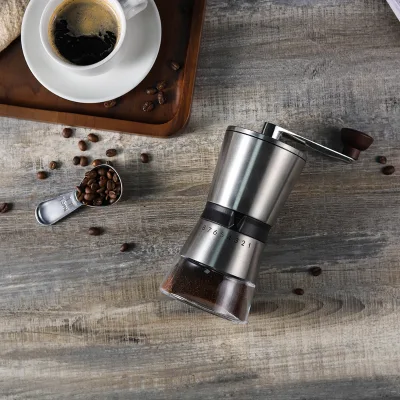
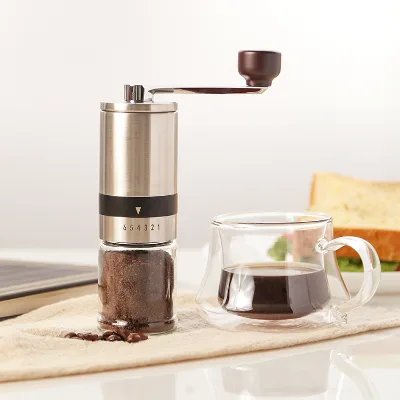

2size Stainless Steel Round Manual Coffee Bean Mill Manual Coffee Grinder
$4.88 - $5.31
MOQ: 600 pieces


Adjustable Manual Coffee Grinder - 20g Capacity for Various Brewing Methods
$9.99 - $13.99
MOQ: 100 Pieces

Small Portable Mini Coffee Bean Grinder Machine Mill Manual Coffee Grinder
$2.16 - $2.45
MOQ: 200 Pieces


Comprehensive Sourcing Guide
Manual Adjustable Coffee Bean Grinder Sourcing Guide
Buyers seeking manual adjustable coffee bean grinders must first distinguish between purely hand-cranked units and electric models that offer adjustable grind speeds. The observed market data indicates a split where some products are explicitly defined by a manual power source, while others rely on electric motors with adjustable settings. This distinction is critical because the term "adjustable" in the context of manual grinders often refers to the burr spacing mechanism rather than motor speed control. Procurement teams should verify the power source specification to ensure the product matches the intended operational environment, whether it is a home kitchen requiring portability or a commercial setting needing consistent throughput.
The product scope also encompasses specific design features like conical or flat wheel burrs, which directly influence the texture and consistency of the ground coffee. Listings show that stainless steel grinder cores are a common material choice, offering durability and resistance to corrosion, while housing materials may vary between aluminum and other composites. Buyers must carefully review the product type and material composition to align with their brand standards. Understanding these physical attributes helps in selecting a grinder that balances the tactile experience of manual operation with the precision required for high-quality coffee extraction.
Product Scope and Observed Listing Signals
The observed product listings reveal a diverse range of capacities, from units holding under five cups to larger commercial models capable of processing 11 to 15 cups. This variance suggests that sourcing strategies must be tailored to the specific volume requirements of the target market. For home use, compact designs with under five-cup capacity are prevalent, often featuring color boxes for retail presentation. In contrast, commercial applications demand higher throughput, with some models boasting grinding capacities of 15 to 20 kilograms per hour. Buyers should analyze the capacity specifications to ensure the selected grinder can handle the expected daily volume without frequent refilling or overheating.
Listing signals also highlight the importance of customization options, such as the acceptance of customized logos and specific color preferences like black. These features are particularly relevant for businesses looking to create branded merchandise or corporate gifts. The availability of customized logos allows buyers to enhance brand visibility, while the specific color options ensure the product fits aesthetic guidelines. Additionally, the presence of automatic filtration in some models versus its absence in others indicates a need to verify functional requirements. Buyers must confirm whether automatic filtration is necessary for their specific use case, as this feature significantly impacts the user experience and maintenance frequency.
Technical Specifications to Verify
When evaluating technical specifications, the burr diameter and material composition are paramount for ensuring consistent grind quality. The data shows burr diameters ranging from 74mm to 83mm, with materials including titanium-coated steel and stainless steel cores. A larger burr diameter often correlates with higher efficiency and better heat dissipation, which is crucial for maintaining the flavor profile of the coffee beans. Buyers should verify the burr service life, as some models are rated for 800kg of grinding, indicating long-term durability. Confirming these specifications ensures the grinder can withstand the rigors of daily use while delivering the precise particle size required for different brewing methods.
Motor power and rotational speed are equally critical, especially for electric models that claim adjustable grind speeds. Specifications indicate motor powers up to 450W and RPMs around 1400 to 1500, which influence the grinding speed and consistency. However, some listings note that grind speed adjustment is unadjustable, creating a potential conflict with the core keyword of "adjustable." Buyers must scrutinize these claims to distinguish between adjustable burr spacing and adjustable motor speeds. Verifying the mill powder speed, such as 5g/s, helps in estimating the time required for a specific batch, ensuring the equipment meets the operational tempo of the intended environment.
Compliance and Safety Documentation
Compliance and safety documentation are essential for ensuring that coffee grinders meet international standards for electrical and mechanical safety. The observed certifications include CB and CE, which are vital for market access in Europe and other regions requiring strict adherence to safety regulations. Buyers must request valid certification documents to verify that the product has undergone rigorous testing for electrical hazards, mechanical stability, and material safety. Without these certifications, there is a risk of non-compliance with local laws, which could lead to product recalls or legal liabilities. Ensuring that the supplier provides up-to-date certification is a fundamental step in the procurement process.
In addition to electrical safety, mechanical safety features such as power-off protection should be verified, particularly for electric models. While some listings explicitly mention power-off protection, others indicate the absence of this feature, which poses a risk of motor damage or safety hazards during power fluctuations. Buyers should prioritize models that include power-off protection to safeguard the equipment and the user. Furthermore, the use of food-grade materials, such as food-grade PC for bean hoppers, is a critical safety consideration. Confirming that all components in contact with coffee beans are made from food-safe materials ensures the product does not introduce contaminants into the final beverage.
Cost Drivers and Commercial Terms
Cost drivers in the coffee grinder market are heavily influenced by the complexity of the burr mechanism, the quality of materials, and the level of customization offered. Models with titanium-coated steel burrs and aluminum housings typically command higher prices due to the superior durability and performance they offer. Additionally, the inclusion of features like automatic filtration or power-off protection adds to the manufacturing cost. Buyers should analyze the price range, which spans from $1.95 to $1050, to understand the correlation between features and cost. This analysis helps in setting a realistic budget that aligns with the desired quality and functionality of the product.
Commercial terms, including Minimum Order Quantity (MOQ) and packaging requirements, also play a significant role in the total cost of ownership. The observed MOQ ranges from 1 set to 1000 units, providing flexibility for both small startups and large enterprises. Packaging options vary from simple color boxes to expandable polystyrene with five-layer outer boxes, which affects shipping costs and product protection. Buyers must negotiate terms that balance the MOQ with their inventory needs to avoid overstocking or stockouts. Understanding these commercial terms allows for more effective financial planning and supply chain management, ensuring a smooth procurement process.
Supplier Qualification and Quality Control
Supplier qualification is a critical step in ensuring the reliability and consistency of the coffee grinder supply chain. Buyers should verify the supplier's origin, as the data indicates products originating from China, which is a major manufacturing hub for such equipment. Assessing the supplier's production capacity and history is essential to ensure they can meet demand without compromising quality. Additionally, checking for a warranty period, such as the observed one-year warranty, provides a safety net against manufacturing defects. A supplier with a robust warranty policy demonstrates confidence in their product quality and a commitment to customer satisfaction.
Quality control measures must be rigorously applied to verify that each unit meets the specified technical and safety standards. Buyers should implement pre-shipment inspections to check for defects in the burr mechanism, housing material, and electrical components. Verifying the grind speed adjustment and power source functionality is crucial to ensure the product performs as advertised. Furthermore, checking the packaging integrity ensures that the product arrives in perfect condition, minimizing the risk of damage during transit. Establishing a clear quality control protocol with the supplier helps maintain high standards and reduces the likelihood of returns or complaints.
Long-Term Procurement Checks
Long-term procurement checks involve monitoring the performance and durability of the coffee grinders over an extended period. Buyers should track the burr service life and motor performance to ensure the equipment continues to meet quality standards after months of use. Regular maintenance checks, such as cleaning the burrs and inspecting the power-off protection mechanisms, are necessary to extend the lifespan of the product. By maintaining a record of performance metrics, buyers can identify potential issues early and take corrective action before they escalate into major problems. This proactive approach ensures the continued reliability of the equipment in the field.
Sustainability and supply chain resilience are also key considerations for long-term procurement. Buyers should evaluate the supplier's ability to source materials consistently and their commitment to environmental standards. The use of food-grade materials and durable components like stainless steel cores contributes to the product's longevity and reduces waste. Additionally, verifying the supplier's ability to scale production in response to market fluctuations ensures a stable supply chain. By focusing on these long-term factors, buyers can build a sustainable procurement strategy that supports their business growth and maintains high product quality over time.
FAQs
What is the minimum order quantity for manual adjustable coffee bean grinders
The minimum order quantity is one set. This low threshold allows buyers to test product quality and market fit before committing to larger bulk orders. It supports flexible procurement strategies for both small businesses and large distributors seeking to minimize initial inventory risk.
Can I customize the logo on manual adjustable coffee bean grinders
Yes, customized logos are accepted for these products. This feature enables brands to apply their own identity to the packaging or product surface. It is ideal for private labeling, corporate gifting, or retail branding where distinct visual recognition is required for shelf presence.
What certifications are available for manual adjustable coffee bean grinders
The products carry CB and CE certifications. These standards indicate compliance with specific safety and quality requirements for international markets. Buyers should verify that the certification scope matches their target region's regulatory needs to ensure smooth customs clearance and market entry.
How does the grind speed adjustment work on manual adjustable coffee bean grinders
The grind speed is adjustable, allowing users to control the coarseness of the ground coffee. This feature provides flexibility for different brewing methods, from espresso to French press. It ensures consistent particle size distribution, which is critical for optimal extraction and flavor profile.
What is the housing material of manual adjustable coffee bean grinders
The housing is made of aluminum, providing a durable and lightweight structure. This material choice balances strength with portability, making it suitable for home and commercial use. Aluminum also offers good heat dissipation and resistance to corrosion, extending the product's operational lifespan.
What is the warranty period for manual adjustable coffee bean grinders
The products come with a one-year warranty. This coverage period protects buyers against manufacturing defects and performance issues during normal use. It provides a safety net for quality assurance, allowing customers to report and resolve any functional problems within the first year.
What is the capacity of manual adjustable coffee bean grinders
The capacity is under five cups, making it suitable for small batches or individual use. This size is ideal for home kitchens or small cafes where large-volume grinding is not required. It ensures fresh grinding for each serving without excessive waste or storage space requirements.