Source Manual Aluminum Retractable Awning for Patios, Balconies, and Decks
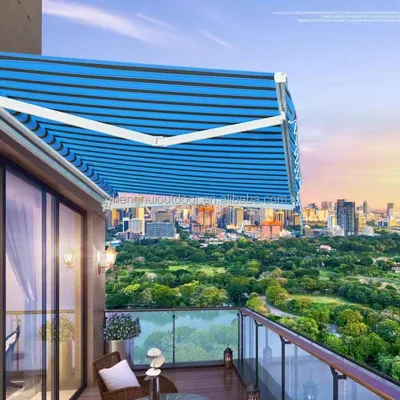
Explore 30 listings for the Manual Aluminum Retractable Awning, featuring aluminum alloy frames and polyester sails. Buyers can compare customization options, waterproof indices, and packing details from verified Chinese manufacturers; compare the available evidence and request quotations based on your requirements.
Key considerations
Products List


Outdoor Awning Waterproof Backyard Remote Control Retractable Awning
$80.00 - $100.00
MOQ: 10 Square Meters

Durable Aluminum Structure Customizable Size and Color Replacement Folding Retractable Awning
$85.00 - $91.00
MOQ: 10 square meters

High-Quality Motorized Waterproof Rolling Shade Retractable Awning
$80.00 - $100.00
MOQ: 10 Square Meters


Outdoor Retractable Awnings Spare Parts Aluminum Folding Strong Awning Arm Awning Parts
$55.00 - $60.00
MOQ: 10 Pieces

High Quality Outdoor Retractable Awnings Spare Parts Aluminum Folding Strong Awning Arm Awning Parts
$55.00 - $60.00
MOQ: 10 Pieces


Folding Remote or Manual Control Awning Motorized Aluminium Retractable Awning Outdoor Awning
$49.90 - $85.00
MOQ: 99 Square Meters




Comprehensive Sourcing Guide
Manual Aluminum Retractable Awning Sourcing Guide
Procurement of manual aluminum retractable awnings requires careful selection of frame materials and control mechanisms to ensure durability and ease of use. The available market data indicates that aluminum alloy and steel frames are common, with aluminum offering a balance of strength and corrosion resistance suitable for various climates. Buyers must verify the specific alloy composition and wall thickness, as these factors directly influence the structural integrity under wind loads.
The operation method is a critical decision point, with options ranging from ordinary switches to manual crank systems. While some listings suggest remote control capabilities, the core keyword focuses on manual operation, which eliminates the need for electrical wiring and reduces long-term maintenance costs. Sourcing teams should prioritize models with robust manual control systems that allow for smooth extension and retraction without excessive force, ensuring user safety and operational reliability in high-traffic commercial or residential settings.
Product Scope and Observed Listing Signals
The observed product listings reveal a diverse range of specifications, including models like B3200, B4100, and B5200, which cater to different size and functional requirements. Buyers should note that frame materials vary between aluminum alloy and steel, and sail materials are typically poly or polyester with specific finishing processes like PA or PU coating. These variations impact the awning's lifespan and resistance to environmental degradation, necessitating a clear definition of project needs before engaging with suppliers.
Listing signals also highlight significant variability in waterproofing indices, ranging from 1000mm to over 3000mm, which dictates suitability for different weather conditions. The packing methods differ from export cartons to specific unit counts per carton, affecting logistics planning and on-site assembly efficiency. Procurement teams must align these observed signals with their specific site requirements, ensuring that the selected awning meets the necessary waterproof standards and fits within the logistical constraints of the delivery location.
Technical Specifications to Verify
Verifying the frame dimensions and roller specifications is essential for ensuring the awning fits the intended architectural opening and operates smoothly. Data points such as the 60x1.2mm aluminum roller dimensions provide a baseline for structural capacity, but buyers must confirm that these specifications match the actual load requirements of the sail fabric. Inconsistent frame sizes or undersized rollers can lead to premature failure, making it imperative to request detailed engineering drawings or technical datasheets from the supplier.
The sail fabric properties, including weight and UV treatment, are equally critical for long-term performance. Listings mention fabrics like 280g polyester with UV treatment, which offer protection against sun damage and fading. However, the waterproof index varies significantly across models, and buyers must verify that the selected index aligns with local rainfall patterns. Ensuring the fabric is properly coated and the frame is constructed from high-grade aluminum or steel will prevent issues related to water ingress and structural sagging over time.
Compliance and Safety Documentation
Compliance with international safety standards is a non-negotiable aspect of sourcing manual aluminum awnings, particularly for commercial applications. The observed listings frequently cite CE and SGS certifications, which indicate that the products have undergone specific testing for safety and quality. Buyers should request valid certification documents for each batch to ensure that the awnings meet the regulatory requirements of the destination market, avoiding potential legal liabilities or import rejections.
Beyond general certifications, specific safety documentation regarding wind resistance and structural stability should be reviewed. While some background standards like ASTM E84 or EN 13501-1 are mentioned in industry contexts, they are not explicitly confirmed in the provided product facts. Therefore, procurement teams must explicitly ask suppliers for test reports that validate the awning's performance under specific wind loads and ensure that the manual operation mechanism does not pose pinch or crush hazards during use.
Cost Drivers and Commercial Terms
The cost of manual aluminum retractable awnings is driven by material quality, frame thickness, and the complexity of the sail finishing process. Aluminum alloy frames generally command a higher price than steel alternatives due to their superior corrosion resistance and lighter weight, which reduces shipping costs. Additionally, specialized sail coatings like PA or PU add to the manufacturing cost but provide enhanced durability against UV rays and moisture, justifying the investment for long-term installations.
Commercial terms such as Minimum Order Quantity (MOQ) and packaging standards significantly influence the total landed cost. Observed MOQs range from 1 to 1000 units, allowing flexibility for small projects while bulk orders may secure better pricing. Packaging varies from export-standard cartons to specific unit counts, which affects handling efficiency. Buyers should negotiate terms that balance unit price with shipping volume, ensuring that the packaging protects the product during transit without incurring unnecessary freight charges.
Supplier Qualification and Quality Control
Supplier qualification should focus on verifying the origin and manufacturing capabilities, as most listed products originate from Zhejiang Province, China. Buyers must confirm that the supplier has a proven track record in producing aluminum awnings with consistent quality control measures. Requesting factory audit reports or video tours can help assess the production environment, ensuring that the manufacturing processes align with the claimed standards and that the workforce is trained in proper assembly techniques.
Quality control protocols must be established to verify that the final products match the agreed-upon specifications. This includes checking the frame material composition, sail fabric weight, and waterproof index before shipment. Since product attributes like color and size are often customized, buyers should implement a pre-shipment inspection process to ensure that the customized elements meet the design requirements. Establishing a clear communication channel for quality issues is vital to resolve any discrepancies before the goods leave the factory.
Long-Term Procurement Checks
Long-term procurement success depends on establishing a reliable supply chain that can support future maintenance and replacement needs. Buyers should verify the availability of spare parts, such as replacement sails or roller mechanisms, to ensure the awnings remain functional over their intended lifespan. A supplier that offers consistent product models and maintains inventory of key components will reduce downtime and simplify the maintenance process for end-users.
Regular performance reviews and feedback loops are essential to maintain high standards in the procurement relationship. Buyers should monitor the awnings for signs of wear, such as fabric fading or frame corrosion, and compare these observations against the initial specifications. If issues arise, the supplier should be held accountable for addressing them promptly. Building a partnership based on transparency and continuous improvement ensures that the manual aluminum awnings continue to meet the operational needs of the facility for years to come.
FAQs
What frame materials are available for manual aluminum retractable awnings?
Manual aluminum retractable awnings typically utilize aluminum alloy or steel frames to ensure structural stability and durability. Aluminum alloy is preferred for its lightweight nature and resistance to corrosion, while steel options provide robust support for larger spans. Buyers can select the material based on specific load requirements and environmental conditions for long-term performance.
Can the awning fabric be customized for specific sizes and colors?
Yes, the awning fabric and overall dimensions can be customized to meet specific project requirements. Customers can choose from various sizes, such as 3.6 by 2.5 meters, and select from multicolor or customized color options. The fabric often features polyester construction with UV treatment and waterproof coatings to enhance longevity and aesthetic appeal in all seasons.
What certifications do these retractable awnings typically hold?
These retractable awnings commonly hold CE and SGS certifications, ensuring compliance with international safety and quality standards. These certifications verify that the products meet rigorous testing requirements for materials and structural integrity. Buyers seeking compliant solutions for global markets can rely on these documented standards to facilitate smoother import processes and ensure product reliability.
How is the awning packed for international shipping?
The awnings are packed using export-standard methods to ensure safe delivery. Common packaging includes strong cartons, with configurations such as ten pieces per carton or single-piece export packages. This robust packing protects the aluminum frame and coated fabric from damage during transit, ensuring that products arrive in pristine condition ready for immediate installation by the end user.
What is the typical origin and production location for these awnings?
These awnings are primarily manufactured in China, with production facilities located in regions such as Zhejiang and Jinhua. This geographic concentration allows for efficient supply chain management and competitive pricing. Buyers can expect consistent quality and timely production from these established manufacturing hubs, which specialize in outdoor shading solutions and related hardware components.
What waterproof index levels are available for the outer tent fabric?
The outer tent fabric offers various waterproof index levels to suit different weather conditions. Options range from 1000mm to 1500mm for moderate rain, up to 2000mm-3000mm for heavier downpours, and over 3000mm for extreme weather protection. These indices ensure that the awning remains dry and functional, providing reliable shelter regardless of the local climate challenges.