Source Manual Desktop Roll Film Cutter for Packaging, Retail, and Logistics
Find and compare 30 Manual Desktop Roll Film Cutter options from verified suppliers. Evaluate key specifications such as cutting speed, material compatibility, and automation levels to select the right tool for your packaging or retail operations.
Key considerations
Products List


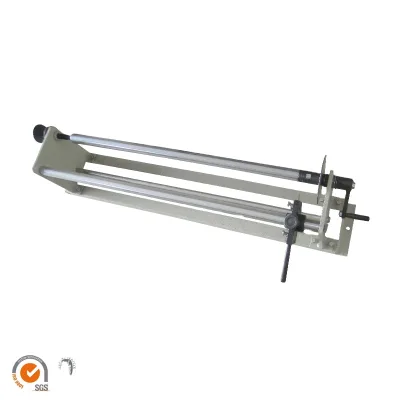


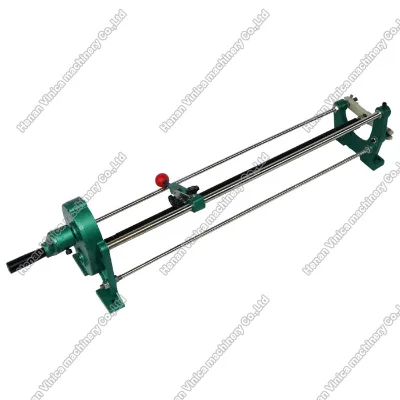


Computer Controlled High Speed Roll Plastic Film Slitter Rewinder Machine
$28000.00 - $35000.00
MOQ: 1 Sets



Comprehensive Sourcing Guide
Manual Desktop Roll Film Cutter Sourcing Guide
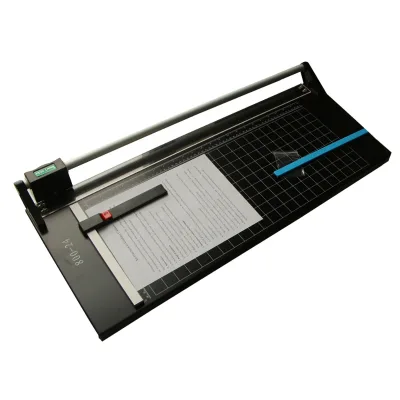
Selecting the right Manual Desktop Roll Film Cutter requires a careful balance between operational simplicity and precise cutting performance. While the market offers a wide array of industrial-grade automatic cutters, manual desktop units provide a cost-effective solution for low-volume operations, prototyping, or environments where automation is unnecessary. Buyers must distinguish between these manual units and the high-speed electric industrial cutters often listed alongside them, ensuring the selected tool matches their specific throughput requirements. The decision hinges on understanding the mechanical limitations of manual operation versus the automated precision of electric models, particularly when dealing with materials like LDPE stretch film or plastic serrated blades.
This guide focuses on the critical evaluation criteria for sourcing manual desktop cutters, drawing from observed market data and trusted category knowledge. It addresses the technical specifications, compliance requirements, and commercial terms that define a successful procurement. By adhering to evidence-based verification steps, buyers can avoid common pitfalls such as mismatched roll dimensions or inadequate safety certifications. The following sections provide a structured approach to evaluating suppliers, verifying product attributes, and establishing long-term procurement reliability for manual desktop roll film cutting equipment.
Product Scope and Observed Listing Signals
The observed market data reveals a diverse range of cutting equipment, including industrial flat knife cutters and single-blade models with varying cutting speeds. For manual desktop cutters, buyers should look for listings that explicitly state "manual" operation, as many observed products are computerized, electric, or automatic. The presence of attributes such as "Driven Type: Electric" or "Computerized: Computerized" in supplier listings indicates a different product category entirely. Therefore, it is crucial to filter out high-speed industrial models, such as the LT-1000B or LT-500B, which operate at 150-200 cuts per minute or 80-100 cuts per minute, respectively, as these are not suitable for manual desktop applications.
Manual desktop cutters are typically designed for smaller scale operations, often handling master rolls with specific inner chuck sizes and outer diameters. Observed specifications for similar film handling equipment include inner chucks of 76mm for master rolls and 38/50/76mm for sub-rolls, with maximum outer diameters around 400mm. Buyers should verify that the manual cutter’s capacity aligns with their film roll dimensions, ensuring compatibility with common roll sizes. Additionally, the material of the cutting blade, often steel or specialized plastic serrated blades, plays a significant role in the quality of the cut, especially when dealing with stretch films or plastic materials.
Technical Specifications to Verify
When evaluating technical specifications, buyers must prioritize the cutting mechanism’s precision and durability. For manual cutters, the blade material is a critical factor, with steel being a common and reliable choice for durability. However, some applications may require specialized blades, such as plastic serrated blades made from PS (Polystyrene) or other polymers, which offer different cutting characteristics. Buyers should verify the blade’s hardness, edge retention, and compatibility with the film type, whether it is LDPE stretch film or other plastic materials. The clipping gap, observed in some listings as 1.8mm, is another important specification that affects the cleanliness of the cut and should be adjustable or fixed according to the film thickness.
Dimensional compatibility is equally important, as the cutter must accommodate the specific roll sizes used in the buyer’s operations. Key specifications to verify include the maximum width of the master roll, the inner chuck size, and the overall footprint of the desktop unit. Observed standards for similar equipment include a standard size of 390mm for certain components and a weight of 25.1kg per carton for packaged units. Buyers should ensure that the manual cutter’s dimensions allow for easy integration into their existing workspace, considering factors such as stability, ease of access, and the ability to handle the maximum roll diameter without compromising cutting accuracy.
Compliance and Safety Documentation
Safety is paramount when operating any cutting equipment, even manual desktop models. Buyers should verify that the supplier provides comprehensive safety documentation, including user manuals, safety warnings, and maintenance guidelines. While some industrial cutters in the observed data hold CE certification, manual desktop cutters may have different compliance requirements depending on the region of use. Buyers should confirm that the product meets local safety standards, such as those related to blade exposure, stability, and ergonomic design, to prevent accidents during operation.
In addition to safety certifications, buyers should inquire about the quality of the packaging and shipping documentation. Observed packing methods include standard plywood packages and standard export packaging, which are designed to protect the equipment during transit. Proper packaging ensures that the cutter arrives in good condition, with all components intact and functional. Buyers should also verify that the supplier provides clear instructions for assembly and setup, as improper installation can lead to safety hazards or reduced performance. Ensuring that the product is labeled as "New" and comes with a warranty can further mitigate risks associated with purchasing used or refurbished equipment.
Cost Drivers and Commercial Terms
The cost of a Manual Desktop Roll Film Cutter is influenced by several factors, including the material quality, blade type, and overall build quality. While observed price ranges for industrial cutters can vary widely, from $0.11 to $35,000, manual desktop units are typically more affordable. However, buyers should not solely focus on the initial purchase price; they should also consider the total cost of ownership, including maintenance, blade replacement, and potential downtime. High-quality steel blades or specialized plastic serrated blades may have a higher upfront cost but offer better longevity and cutting performance, reducing long-term expenses.
Commercial terms such as MOQ (Minimum Order Quantity) and lead times are also important considerations. Observed MOQ ranges for similar equipment are typically between 1 and 3 units, indicating that suppliers are flexible with small orders. Buyers should negotiate favorable terms, such as bulk discounts or extended payment periods, to optimize their procurement strategy. Additionally, understanding the supplier’s return policy and warranty coverage can provide valuable protection against defects or malfunctions. Clear communication regarding shipping costs, insurance, and delivery timelines is essential to avoid unexpected expenses and delays.
Supplier Qualification and Quality Control
Selecting a reliable supplier is critical to ensuring the quality and reliability of the Manual Desktop Roll Film Cutter. Buyers should verify the supplier’s credentials, including their business license, manufacturing capabilities, and quality control processes. Suppliers located in regions like Jiangsu, China, or other manufacturing hubs may have established reputations for producing high-quality cutting equipment. However, buyers should conduct due diligence by requesting product samples, reviewing customer feedback, and verifying the supplier’s track record in the industry.
Quality control measures should be a key part of the supplier evaluation process. Buyers should inquire about the testing procedures used to ensure the cutter’s performance and durability, including blade sharpness, cutting accuracy, and structural integrity. Suppliers that provide detailed quality reports or third-party inspection results can offer greater assurance of product quality. Additionally, buyers should assess the supplier’s after-sales support, including technical assistance, spare parts availability, and response times for service requests. A supplier with a strong commitment to quality and customer satisfaction is more likely to deliver a reliable and long-lasting product.
Long-Term Procurement Checks
Establishing a long-term procurement strategy for manual desktop roll film cutters involves regular performance monitoring and supplier relationship management. Buyers should track the cutter’s performance over time, noting any issues with blade wear, cutting accuracy, or mechanical failures. Regular maintenance, such as cleaning the blade and lubricating moving parts, can extend the equipment’s lifespan and ensure consistent performance. Buyers should also stay informed about advancements in cutting technology and materials, which may offer improvements in efficiency or safety.
Building a strong relationship with the supplier can facilitate smoother transactions and better support in the future. Buyers should maintain open communication with the supplier, providing feedback on product performance and addressing any concerns promptly. Regular reviews of the supplier’s performance, including delivery times, product quality, and customer service, can help identify areas for improvement and ensure that the procurement process remains efficient. By adopting a proactive approach to supplier management and equipment maintenance, buyers can maximize the value of their Manual Desktop Roll Film Cutter investment and support their operational goals.
FAQs
What is the cutting speed of the industrial cutter?
The cutting speed ranges from 80 to 200 cuts per minute depending on the specific model selected. Some units operate at 150 to 200 cuts per minute while others function between 80 and 100 cuts per minute to suit different production needs.
Which certifications do the machines hold?
The machines hold CE certification to ensure compliance with safety standards. This certification applies to the industrial cutters and confirms they meet required regulatory benchmarks for operation in various markets.
Can the products be customized for specific needs?
Yes, customization is available for these industrial cutters to meet unique requirements. Buyers can request specific modifications to ensure the equipment fits their particular production line or operational constraints effectively.
What is the origin of the machinery?
The machinery originates from Jiangsu, China or the Mainland China region. This location indicates the manufacturing base for the industrial cutters and related components listed in the product specifications.
How are the products packed for shipping?
Products are packed in standard plywood packages or standard export packaging for safe transit. Some items also utilize carton packaging with specific dimensions to ensure secure delivery to international destinations.
What is the condition of the supplied equipment?
The supplied equipment is in new condition ready for immediate industrial use. All listed units are manufactured as new products without prior usage or refurbishment to ensure optimal performance.