Source Manual Rounding Paper Cutting Machine for Packaging
Find and compare 30 Manual Rounding Paper Cutting Machine options for cardboard, paperboard, and sample testing. Evaluate specifications like cutting width, accuracy, and material compatibility to select the right equipment for your production needs.
Key considerations
Products List


Corner Rounding Manual Trimming Machine for Edge Banding End Round Cutting
$300.00 - $1000.00
MOQ: 1 Pieces


Automatic Double Round Corner Cutting Machine Curved Corner Paper Cutter
$16500.00 - $17500.00
MOQ: 1 Pieces

Hardcover Case Corner Rounding Machine Manual Book Cover Corner Rounding Machine
$5800.00 - $6400.00
MOQ: 1 Pieces


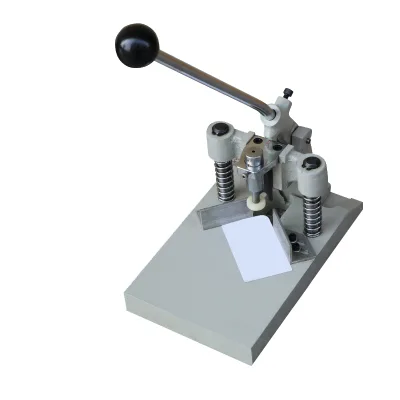


Comprehensive Sourcing Guide
Manual Rounding Paper Cutting Machine Sourcing Guide
Sourcing a Manual Rounding Paper Cutting Machine requires a clear understanding of the distinction between industrial-grade equipment and smaller, handheld or benchtop tools. The market offers a wide spectrum of solutions, ranging from heavy-duty hydraulic or mechanical presses designed for high-volume cardboard processing to lightweight, manual devices intended for precise corner rounding on thinner materials like paper and cardstock. Buyers must first define their operational volume and material thickness to avoid over-investing in machinery that exceeds their needs or under-investing in equipment that lacks the necessary durability. The term "manual" can refer to either a purely hand-operated lever system or a machine that requires manual feeding but uses mechanical advantage for the cutting action. Clarifying this distinction early in the sourcing process ensures that the procurement team evaluates the correct category of machinery, whether it is a standalone unit for a packaging line or a portable tool for prototyping and small-batch production.
The observed market data indicates a significant variance in product specifications, pricing, and physical dimensions, reflecting this diversity in machine types. Listings show models with working table sizes as large as 1000x700mm, suitable for full-sheet processing, while other entries describe compact units with dimensions around 7x6x4.5 cm, which are likely handheld or small benchtop devices. This disparity highlights the importance of verifying the machine's capacity against your specific production requirements. For instance, some machines are specified for a maximum cutting width of 80mm and height of 45mm, indicating they are designed for smaller, detailed work rather than large-format packaging. Understanding these physical constraints is critical for integrating the machine into your existing workflow, as the footprint and operational space required will vary drastically between a large industrial press and a compact manual rounding tool.
Product Scope and Observed Listing Signals
The product scope for manual rounding paper cutting machines encompasses a variety of configurations, each tailored to specific material types and output requirements. Observed listings include models such as the HQJ-90-2 and FQ80, which appear to be larger, stationary units with substantial working tables, likely intended for industrial or commercial packaging environments. In contrast, other entries describe smaller, lighter devices with weights as low as 43 grams, suggesting these are handheld corner rounding tools or small manual punches. The material composition also varies, with some machines constructed from metal and ABS plastic, indicating a focus on durability and user safety, while others are primarily made of metal. Buyers should carefully review the model numbers and physical descriptions to determine if the machine is a standalone cutting press or a manual rounding device, as the functionality and price points will differ significantly between these two categories.
Listing signals also reveal important details about packaging and origin, which can impact logistics and total cost of ownership. Many industrial-grade machines are packed in wooden cases to protect them during international shipping, while smaller tools may come in standard cartons. The origin of these products is predominantly China, a major manufacturing hub for both industrial machinery and consumer packaging tools. Buyers should note that while the origin is consistent, the quality and precision of the machinery can vary based on the specific manufacturer and model. Additionally, some listings mention customization options, which can be valuable for businesses with unique branding or specific operational needs. However, buyers must verify whether customization applies to the machine's physical dimensions, cutting radius, or additional features, as this can affect lead times and compatibility with existing production lines.
Technical Specifications to Verify
When evaluating technical specifications, buyers must prioritize the machine's cutting capacity and precision against their material requirements. Key parameters to verify include the maximum cutting width, height, and the thickness of materials the machine can handle. For example, some machines are specified for a maximum cutting width of 80mm and a height of 45mm, which limits their use to smaller components. Others may support larger workpieces with a maximum diameter of less than 500mm, indicating a broader application range. It is also essential to check the accuracy of the cut, with some models offering an accuracy of ±0.2mm, which is crucial for high-quality packaging and presentation. Buyers should ensure that the machine's specifications align with the thickness of their primary materials, whether it is thin paper (0.11.0 mm) or thicker cardboard (0.13.0 mm), to avoid operational inefficiencies or damage to the equipment.
The physical dimensions and weight of the machine are also critical factors that influence installation and usability. Larger machines, such as those with a working table size of 1000x700mm, require significant floor space and may need specialized installation procedures. In contrast, smaller, handheld devices are portable and do not require dedicated space, making them suitable for flexible or on-the-go operations. Buyers should also consider the loading method and mass scope of the workpiece, as some machines are designed for mechanical load handling with a mass scope of less than 900kg, while others may have different load capacities. Additionally, the round corner radius, such as R5, is a specific feature that may be important for aesthetic or functional reasons in packaging design. Verifying these technical details ensures that the selected machine meets both the operational and spatial requirements of your facility.
Compliance and Safety Documentation
Compliance and safety documentation are paramount when sourcing manual rounding paper cutting machines, especially for industrial applications. Buyers should verify that the equipment meets relevant safety standards, such as CE and ISO certifications, which indicate adherence to European and international quality and safety norms. These certifications are often listed in product specifications and serve as a baseline for assessing the manufacturer's commitment to safety and quality. However, buyers must also consider local regulations in their own country, as additional certifications or compliance measures may be required for import and operation. It is advisable to request copies of the safety manuals and compliance certificates from the supplier to ensure that the machine has been tested and approved for use in your specific operational environment.
In addition to formal certifications, buyers should review the machine's design features for inherent safety. Manual machines often rely on mechanical advantage rather than electrical power, which can reduce the risk of electrical hazards. However, the sharp cutting blades and moving parts still pose a risk of injury if not handled correctly. Buyers should ensure that the machine includes safety guards, emergency stop mechanisms, and clear operational instructions. The material composition of the machine, such as the use of metal and ABS plastic, can also impact safety, with durable materials reducing the risk of breakage and sharp edges. By prioritizing safety documentation and design features, buyers can protect their workforce and ensure a safe operating environment, which is essential for maintaining productivity and reducing liability.
Cost Drivers and Commercial Terms
Cost drivers for manual rounding paper cutting machines include the machine's complexity, material quality, and customization options. Industrial-grade machines with larger working tables and higher precision typically command higher prices, while smaller, handheld devices are more affordable. The observed price range in the market is broad, reflecting this diversity in product types and capabilities. Buyers should also consider the cost of accessories, such as replacement blades or rounding dies, which can add to the total cost of ownership. Additionally, customization options, such as specific cutting radii or branding, may incur additional fees. It is important to request a detailed quote that includes all potential costs, such as shipping, insurance, and customs duties, to avoid unexpected expenses.
Commercial terms, including MOQ (Minimum Order Quantity) and lead times, are also significant factors in the procurement process. The observed MOQ range is typically between 1 and 100 units, depending on the supplier and product type. Buyers should negotiate terms that align with their inventory management strategy, whether they need a single unit for testing or a larger batch for production. Lead times can vary based on the machine's complexity and the supplier's production schedule, so it is advisable to confirm these timelines before placing an order. Payment terms, such as deposits or letters of credit, should also be clearly defined to ensure a smooth transaction. By understanding the cost drivers and commercial terms, buyers can make informed decisions that balance cost efficiency with operational needs.
Supplier Qualification and Quality Control
Supplier qualification is a critical step in ensuring the reliability and quality of the Manual Rounding Paper Cutting Machine. Buyers should verify the supplier's manufacturing capabilities, quality control processes, and track record in the industry. This can be done by reviewing the supplier's certifications, such as ISO9001, which indicates a commitment to quality management systems. Additionally, buyers should request references or case studies from previous clients to assess the supplier's performance and customer satisfaction. It is also advisable to conduct a factory audit, either in person or through a third-party inspection service, to verify the supplier's production facilities and quality control measures. This due diligence helps mitigate the risk of receiving substandard equipment or dealing with unreliable suppliers.
Quality control measures should be clearly defined in the purchase agreement to ensure that the machine meets the specified standards. Buyers should request detailed inspection reports, including test results for cutting accuracy, durability, and safety features. If possible, buyers should arrange for a pre-shipment inspection to verify that the machine conforms to the agreed-upon specifications before it leaves the supplier's facility. Additionally, buyers should establish a clear process for handling defects or non-conformities, including return policies and warranty terms. By implementing robust supplier qualification and quality control measures, buyers can ensure that they receive a high-quality machine that meets their operational requirements and reduces the risk of post-purchase issues.
Long-Term Procurement Checks
Long-term procurement checks are essential for maintaining the performance and reliability of the Manual Rounding Paper Cutting Machine over its lifecycle. Buyers should establish a regular maintenance schedule, including cleaning, lubrication, and inspection of moving parts, to prevent wear and tear. It is also important to keep a record of all maintenance activities and any repairs performed, which can help identify potential issues early and extend the machine's lifespan. Buyers should also monitor the quality of the output produced by the machine, checking for consistency in cutting accuracy and corner rounding. If any deviations are detected, buyers should investigate the cause and take corrective action promptly to avoid production delays or quality issues.
Furthermore, buyers should stay informed about updates and improvements in the machine's technology and design. This can be done by maintaining a relationship with the supplier and participating in industry forums or training sessions. Buyers should also evaluate the availability of spare parts and technical support, as these are critical for minimizing downtime in case of breakdowns. By implementing long-term procurement checks, buyers can ensure that their Manual Rounding Paper Cutting Machine continues to perform optimally, providing a reliable and efficient solution for their packaging and cutting needs. This proactive approach to maintenance and support helps maximize the return on investment and supports the overall efficiency of the production process.
FAQs
What customization options are available for this machine?
Customization is available for this Manual Rounding Paper Cutting Machine. Buyers can request specific adjustments to meet unique production needs, ensuring the equipment fits their operational requirements precisely.
What are the maximum cutting dimensions for this equipment?
The maximum cutting width is 80mm and the maximum cutting height is 45mm. These specifications define the physical limits for processing paper or cardboard samples on this specific model.
Which certifications does the machine hold for safety compliance?
The machine holds CE and ISO certifications. These standards indicate compliance with international safety and quality requirements, making the equipment suitable for regulated industrial environments.
How is the machine packed for international shipping?
The machine is packed in wooden cases or cartons depending on the specific model. This robust packaging ensures protection during transit and prevents damage to the equipment upon arrival.
What is the origin location of this manufacturing equipment?
The product originates from China. This location information helps buyers understand the supply chain logistics and potential lead times associated with sourcing this specific machinery.
Can the machine handle different material thicknesses?
Yes, it can cut paper ranging from 0.1 to 1.0 mm and cardboard from 0.1 to 3.0 mm. This versatility allows the machine to process various packaging materials effectively.