Source Marble Effect Quartz Slab for Countertops, Walls, and Vanities
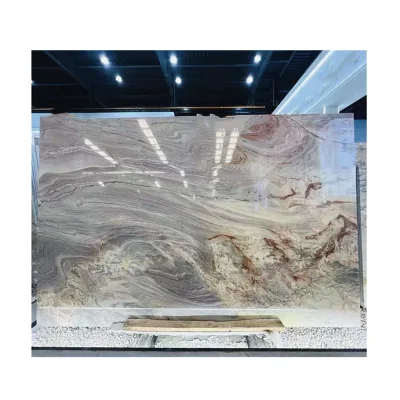
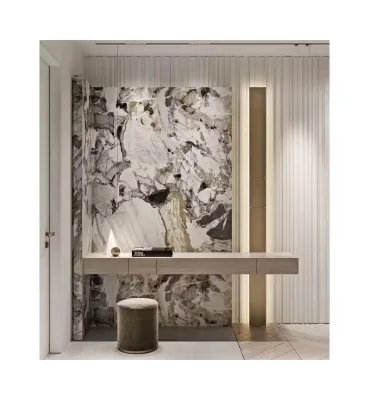
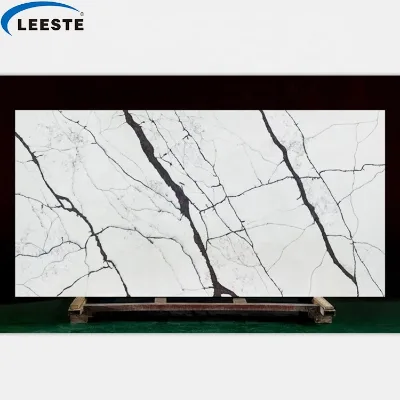
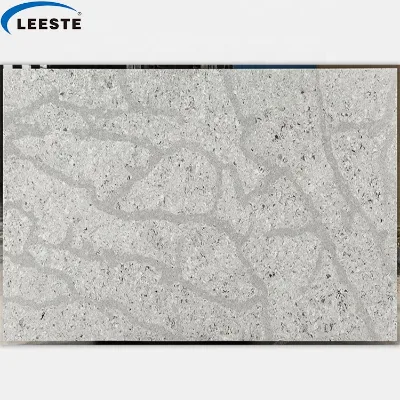
Compare 30 Marble Effect Quartz Slab options from China. These artificial stone products feature polished surfaces, 20mm thickness, and CE/ISO certifications. Ideal for kitchen countertops, bathroom vanities, and commercial wall cladding with customizable sizes; compare the available evidence and request quotations based on your requirements.
Updated
Key considerations
Products List


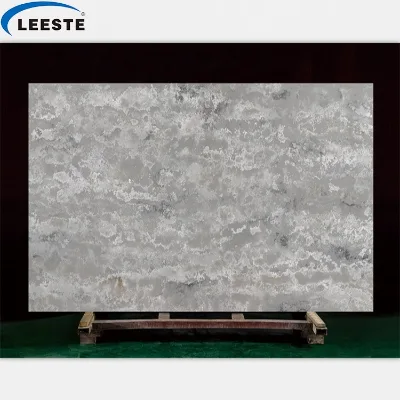
Artificial Marble Tile Composite Quartz Slab for Grey Quartz Countertops
$58.00 - $80.00
MOQ: 150 Square Meters

Artificial Marble Look Like Solid Surface Quartz Slab for Floor Tile
$58.00 - $80.00
MOQ: 150 Square Meters

Artificial Quartz Stone Slab Engineered Stone Marble for Countertops
$58.00 - $80.00
MOQ: 150 Square Meters

High Quality Artificial Quartz Stone for Quartz Countertop Slab
$58.00 - $80.00
MOQ: 150 Square Meters

Artificial Quartz Stone Slab for Black Quartz Countertop & Marble Tiles
$58.00 - $80.00
MOQ: 150 Square Meters

Quartz Factory Directly Quartz Slab for Kitchen Countertop and Project
$58.00 - $80.00
MOQ: 150 Square Meters
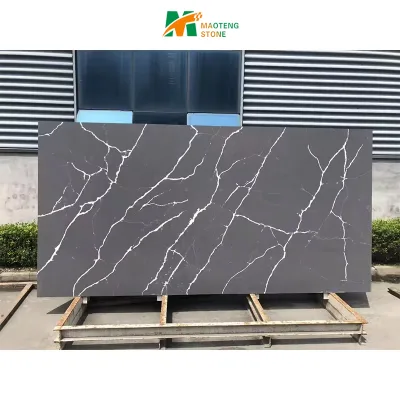
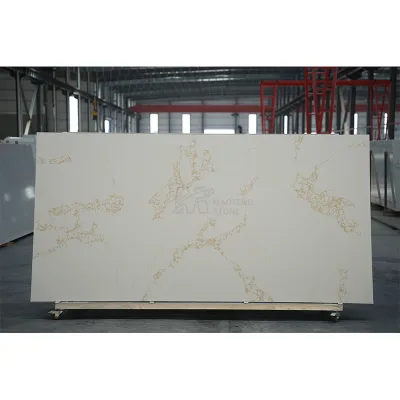
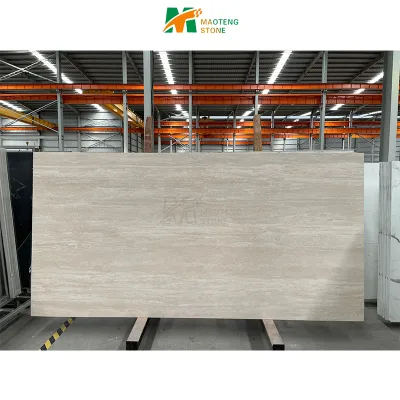
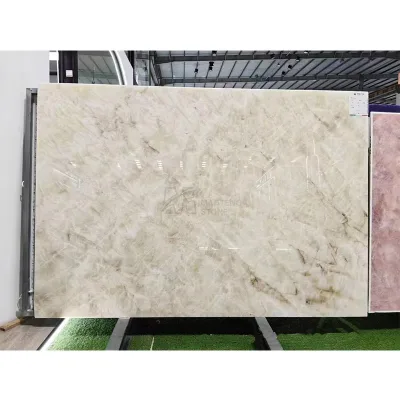
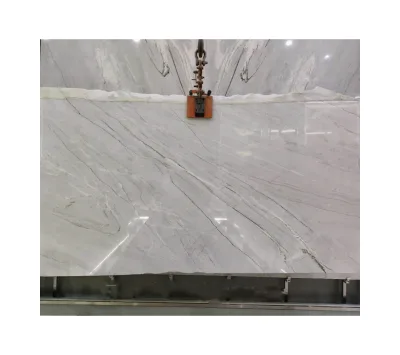
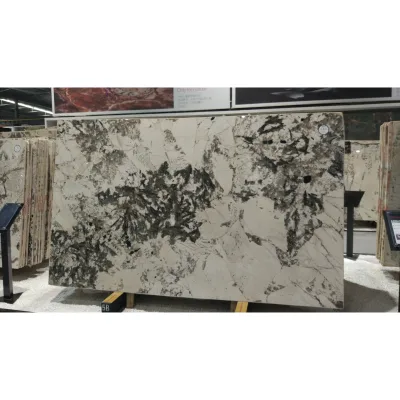
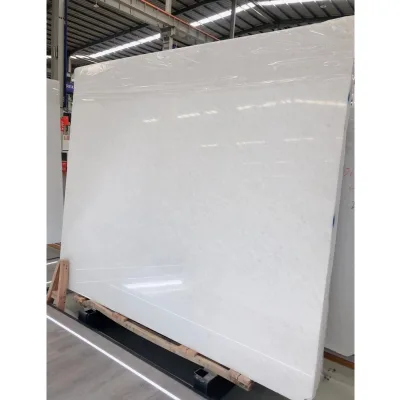
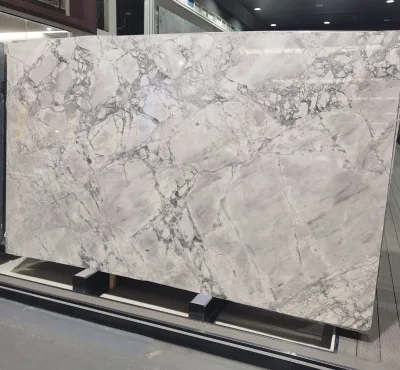


Comprehensive Sourcing Guide
Marble Effect Quartz Slab Sourcing Guide
Procuring marble effect quartz slabs requires a disciplined approach to material verification and supplier alignment, ensuring that the aesthetic appeal of natural stone is matched by the durability of engineered quartz. Buyers must navigate a market where visual consistency and technical performance are equally critical for high-end architectural projects. The following guide outlines the essential steps for evaluating product listings, verifying technical specifications, and establishing robust commercial terms. By focusing on evidence-based decision-making, procurement teams can mitigate risks associated with color variation, structural integrity, and compliance failures. This structured methodology ensures that sourced materials meet the rigorous demands of modern construction and interior design standards.
Product Scope and Observed Listing Signals
The observed market for marble effect quartz slabs presents a wide price range of $15.86 to $398.92 USD, reflecting significant variations in quality, thickness, and brand positioning. Minimum order quantities typically range from 50 to 150 units, indicating that suppliers cater to both small-scale custom projects and larger commercial developments. Buyers should interpret these signals as indicators of tiered product offerings, where lower price points may correspond to thinner slabs or standard finishes, while premium pricing aligns with specialized designs and enhanced durability features. Understanding this spectrum helps in budgeting accurately and setting realistic expectations for material availability and customization options.
Product attributes indicate that the material is primarily artificial quartz, composed of approximately 93% quartz and 7% polymer resins, which contributes to its high hardness of 7 Mohs. The slabs are available in various forms, including big slabs and cut-to-size options such as 300x300mm, 600x600mm, and 400x400mm, with standard dimensions like 3200x1600mm and 3000x1400mm also common. Surface finishes range from polished to honed, flamed, and sandblasted, allowing for diverse aesthetic applications. Buyers should verify that the specific marble effect pattern matches their design requirements, as customization is available but may impact lead times and costs.
Technical Specifications to Verify
Thickness is a critical technical parameter, with observed options including 15mm, 18mm, 20mm, and 30mm, where 20mm is frequently cited for countertop applications. Buyers must confirm that the selected thickness aligns with the structural requirements of the intended use, whether for kitchen countertops, bathroom vanities, or commercial wall cladding. The density of the granite-quartz composite is noted to be between 2 and 3 g/cm³, which influences the slab's weight and handling requirements during installation. Verifying these specifications ensures that the material can withstand the mechanical stresses of daily use without cracking or chipping, particularly in high-traffic areas.
Dimensional accuracy and cut-to-size capabilities are essential for minimizing waste and installation errors. Suppliers offer custom sizing, but buyers should verify the tolerance levels for cuts and edges to ensure a precise fit. The single package size is often listed as 30x30x30 cm for samples, while full slabs are packed in fumigated wooden crates or bubble wrap to prevent damage during transit. Buyers should request detailed packaging specifications to ensure that the slabs arrive in pristine condition, as any damage during shipping can lead to significant delays and additional costs. Confirming these technical details upfront helps in planning logistics and installation schedules effectively.
Compliance and Safety Documentation
Certification is a key indicator of product quality and safety, with observed certifications including CE, ISO, NSF, and Green Guard, along with Green Guard Gold. These certifications suggest that the material meets specific environmental and health standards, which is crucial for indoor applications where air quality is a concern. Buyers should request valid certificates for the specific product batch to ensure compliance with local building codes and regulations. Verifying these documents helps in assessing the supplier's commitment to quality control and environmental responsibility, reducing the risk of non-compliance issues during project audits.
The material's composition and finishing processes also impact its safety profile. The use of polymer resins in the quartz composite requires verification of low volatile organic compound (VOC) emissions, particularly for residential and healthcare settings. Buyers should inquire about the testing procedures used to validate these certifications and request test reports if available. Additionally, the hardness of 7 Mohs indicates good scratch resistance, but buyers should confirm the material's resistance to heat and chemicals to ensure long-term durability. Understanding these safety aspects helps in selecting materials that are not only aesthetically pleasing but also safe and sustainable for end-users.
Cost Drivers and Commercial Terms
Several factors influence the final cost of marble effect quartz slabs, including thickness, surface finish, and customization requirements. Thicker slabs and specialized finishes like flamed or bush-hammered typically command higher prices due to increased processing time and material usage. Buyers should consider the total cost of ownership, including installation and maintenance, rather than focusing solely on the unit price. Understanding these cost drivers helps in making informed decisions that balance budget constraints with performance expectations, ensuring that the selected material offers the best value for the project.
Commercial terms such as payment methods, lead times, and after-sales support are critical components of the procurement process. Suppliers often provide online technical support, onsite installation, and inspection services, which can add value to the purchase. Buyers should negotiate clear terms regarding warranty periods, with observed warranties ranging up to five years, and clarify the scope of coverage. Additionally, understanding the supplier's policy on free samples and return procedures for defective goods is essential. Establishing these terms upfront helps in managing risks and ensuring a smooth transaction process.
Supplier Qualification and Quality Control
Evaluating supplier qualifications is essential for ensuring consistent product quality and reliable service. Buyers should verify the supplier's production capabilities, including their ability to handle custom orders and maintain consistent color and pattern matching across batches. The observed product origin in Fujian, China, suggests a concentration of manufacturing expertise, but buyers should still conduct due diligence on the supplier's track record and client references. Requesting detailed information about the manufacturing process and quality control measures helps in assessing the supplier's ability to meet specific project requirements.
Quality control procedures should include regular inspections of raw materials, production processes, and finished products. Buyers should inquire about the supplier's testing protocols for hardness, density, and surface finish consistency. Additionally, verifying the supplier's ability to provide project solution capabilities, such as graphic design and 3D model design, can enhance the procurement process by ensuring that the material fits seamlessly into the overall design scheme. Establishing a strong relationship with a qualified supplier helps in building trust and ensuring that the project proceeds without unexpected quality issues.
Long-Term Procurement Checks
Long-term procurement success depends on establishing ongoing quality assurance and performance monitoring mechanisms. Buyers should implement regular audits of supplier performance, focusing on delivery times, product consistency, and responsiveness to issues. Maintaining open communication channels with the supplier helps in addressing any emerging concerns promptly and ensures that the relationship remains productive. Additionally, staying informed about industry trends and technological advancements in quartz manufacturing can help buyers make informed decisions about future purchases and upgrades.
Monitoring the long-term performance of the installed quartz slabs is also crucial for validating the procurement decision. Buyers should track maintenance requirements, durability, and aesthetic retention over time to assess the material's suitability for future projects. Collecting feedback from end-users and installation teams provides valuable insights into the material's real-world performance. By continuously evaluating these factors, buyers can refine their sourcing strategies and ensure that they continue to meet the evolving needs of their clients and projects.
FAQs
What certifications does the quartz slab have?
The product holds CE, ISO, and NSF certifications. Some listings also include Green Guard and Green Guard Gold certificates. These ensure compliance with safety and environmental standards for kitchen and bathroom applications.
Can I get free samples of the quartz stone?
Free samples are available upon request for this artificial quartz product. Buyers can request them to verify quality before placing a larger order. This service supports decision-making for commercial and residential projects.
What thickness options are available for the slab?
Thickness ranges from 15mm to 30mm, with 20mm and 2cm being common options. Specific cut sizes like 600x600mm are also offered. Custom dimensions are accepted to fit various countertop and wall installation needs.
How is the product packed for shipping?
Items are packed in fumigated wooden crates or bubble wrap for protection. This ensures safe transport during international shipping. The packaging is designed to prevent damage to the polished or honed surfaces during transit.
Which customization services are offered for the slab?
Customization is available for colors, sizes, and surface finishes like polished or flamed. Buyers can request specific dimensions and designs. Graphic design and 3D model services are also provided to support project planning.
What is the hardness rating of the quartz material?
The material has a hardness of 7 Mohs, making it durable for daily use. It consists of 93% quartz and 7% polymer resins. This composition ensures resistance to scratches and suitable for high-traffic commercial areas.
Can the slab be used for hotel applications?
Yes, the product is suitable for hotel applications including countertops, walls, and vanity tops. It is also used in kitchens and bathrooms. The modern design style fits various commercial interior requirements effectively.