Source Polished White Marble Tile for Countertops, Flooring, and Vanity Tops
Find 30 Polished White Marble Tile options from Chinese suppliers. Compare specifications including 600x600mm and 1200x600mm sizes, 18mm thickness, and SGS certifications for interior decoration projects. Explore natural stone and porcelain clay variants with customized orders available for global export markets.
Updated
Key considerations
Products List


Natural Stone White Marble Interior Design Polished Wall Floor Tiles
$44.00 - $52.00
MOQ: 500 Square Meters


Premium Milas Marble Tiles in Polished White Finish - OEM Supported
$40.00 - $60.00
MOQ: 100 Square Meters

$16.88 - $66.88
MOQ: 100 Square Meters

$16.88 - $66.88
MOQ: 100 Square Meters

$16.88 - $66.88
MOQ: 100 Square Meters




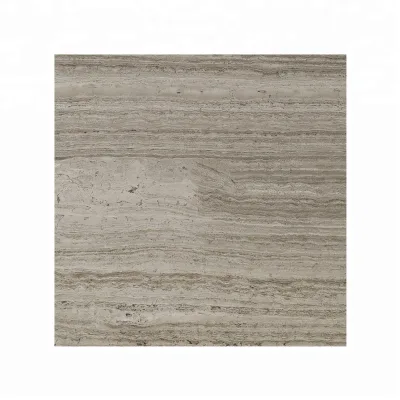
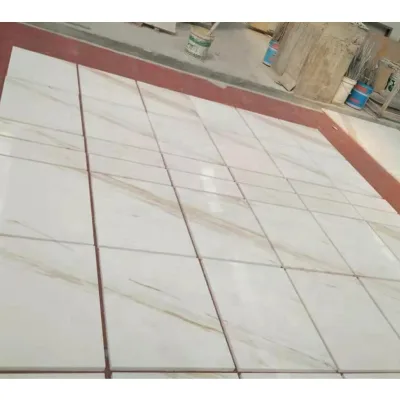
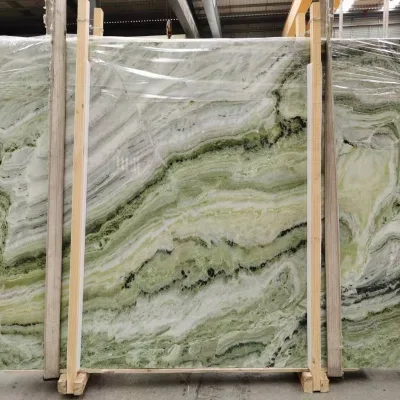


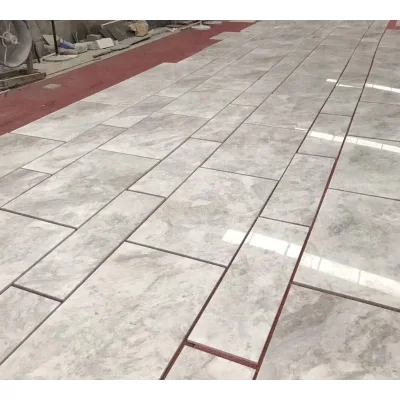

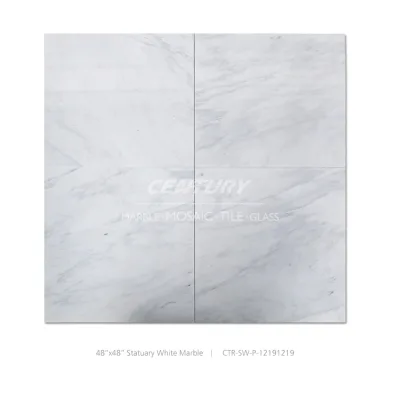


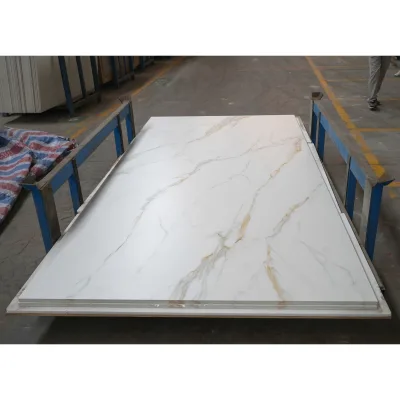
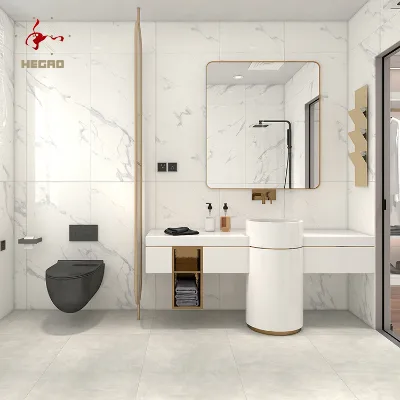
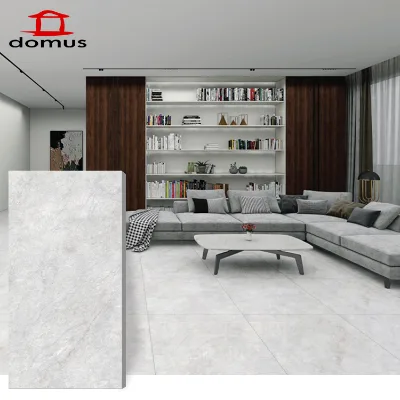
Comprehensive Sourcing Guide
Polished White Marble Tile Sourcing Guide
Sourcing polished white marble tiles requires a disciplined approach to material verification and supplier transparency. Buyers must distinguish between natural stone products and engineered alternatives, as the supplied data indicates a mix of dolomite, marble, and porcelain clay options. The term "pure white" often describes aesthetic qualities rather than a single geological classification, meaning procurement teams should request physical samples to confirm the actual stone type, whether it is natural marble, dolomite, or a vitrified porcelain tile designed to mimic stone. This distinction is critical for project specifications, as natural stone and ceramic materials behave differently under stress, moisture, and wear.
Procurement decisions should also account for the wide range of available forms, including tiles, slabs, and countertops. The observed market signals show that suppliers offer both standard sizes like 600x600mm and 1200x600mm, as well as customized dimensions. Buyers need to evaluate whether their project requires the structural integrity of thick slabs for countertops or the cost-efficiency of thinner tiles for flooring. Understanding the specific form factor early in the sourcing process helps in negotiating accurate pricing and logistics, as packaging and shipping costs vary significantly between wooden crates for heavy slabs and cartons for smaller tiles.
Product Scope and Observed Listing Signals
The current market landscape for polished white marble tiles includes a diverse array of product types, ranging from natural dolomite and marble to porcelain clay vitrified tiles. Listings frequently highlight features such as non-slip surfaces, firebrick capabilities, and wear resistance, which are essential for high-traffic commercial and residential applications. Buyers should note that while some products are labeled as "natural stone," others are engineered porcelain tiles with glazed or polished finishes that offer similar aesthetics but different performance characteristics. This variety necessitates careful review of material specifications to ensure the selected product meets the functional requirements of the intended installation environment.
Observed listing signals also reveal significant variation in customization options and packaging methods. Suppliers commonly offer customized orders, allowing for specific size adjustments beyond standard dimensions like 60x60cm or 220x120cm slabs. Packaging is typically handled through wooden crates, pallets, or bundles to protect the fragile polished surfaces during transit. Buyers must verify these packaging details to prevent damage during shipping, especially for large-format slabs. Additionally, the presence of terms like "Anion Energy Stone" or "Full Body Marble Tile" suggests marketing claims that should be validated against technical data sheets to ensure they align with actual product performance and durability expectations.
Technical Specifications to Verify
Thickness and density are critical technical parameters that influence the structural suitability of polished white marble tiles. The observed data indicates thicknesses ranging from 2cm to 3cm, with some products specifying 18mm for specific applications. Buyers should verify the density, which is listed around 2.6 g/cm³ for natural stone variants, to ensure adequate strength for flooring or countertop use. Thicker tiles generally offer better durability and resistance to cracking, particularly in high-traffic areas or when used for outdoor installations. Confirming these specifications with the supplier is essential to avoid mismatches between project requirements and delivered materials, as variations in thickness can affect installation methods and overall project costs.
Surface finishing and edge processing also play a vital role in the final aesthetic and functional outcome of the installation. Polished surfaces provide a sleek, reflective appearance but may require additional sealing to maintain their luster and resist staining. Edge processing options, such as flat edges, contribute to the visual continuity of the tiled surface. Buyers should also consider water absorption rates, with some products claiming ≤0.5%, which is crucial for preventing moisture-related damage in wet areas like bathrooms and kitchens. Verifying these technical details ensures that the selected tiles will perform as expected in their intended environment, whether for interior decoration or exterior applications.
Compliance and Safety Documentation
Compliance with international standards is a key requirement for sourcing polished white marble tiles, particularly for projects in regulated markets. The observed data mentions certifications such as CE, SGS, and RoHS, which indicate adherence to safety and environmental regulations. Buyers should request valid certification documents from suppliers to verify that the products meet the necessary standards for their target regions. These certifications often cover aspects like chemical composition, formaldehyde emissions, and radioactive elements, ensuring that the materials are safe for indoor use. Without proper documentation, buyers risk non-compliance issues that can lead to project delays or legal liabilities.
In addition to product-specific certifications, buyers should inquire about broader quality management systems, such as ISO 9001 or ISO 14001, although these are noted as low-confidence background information. Verifying the supplier's commitment to quality control processes can provide additional assurance of product consistency and reliability. Buyers should also check for any specific testing results related to wear resistance, non-slip properties, and antibacterial features, especially for commercial applications. Ensuring that all compliance documentation is up-to-date and verifiable helps mitigate risks and supports a smooth procurement process, ultimately protecting the buyer's investment and reputation.
Cost Drivers and Commercial Terms
Cost drivers for polished white marble tiles include material type, size, thickness, and customization requirements. Natural stone products, such as dolomite and marble, may have different pricing structures compared to porcelain clay tiles due to extraction and processing costs. Larger slab sizes and thicker dimensions typically command higher prices due to increased material usage and handling complexity. Buyers should also consider the impact of customization, as non-standard sizes or edge processing can add to the overall cost. Understanding these factors allows for more accurate budgeting and negotiation, ensuring that the selected products fit within the project's financial constraints without compromising on quality.
Commercial terms, including minimum order quantities (MOQ) and delivery times, are also significant considerations. The observed MOQ ranges from 6 to 500 units, reflecting the flexibility of suppliers to accommodate different order sizes. Delivery times are typically cited as 10-25 days after payment receipt, which buyers should factor into their project timelines. Payment terms and shipping methods, such as wooden crate packaging, also influence the total cost of ownership. Buyers should negotiate clear terms regarding these aspects to avoid unexpected expenses and ensure timely delivery, which is crucial for maintaining project schedules and avoiding costly delays.
Supplier Qualification and Quality Control
Supplier qualification is a critical step in ensuring the reliability and consistency of Polished White Marble Tile supplies. Buyers should verify the supplier's manufacturing capabilities, such as whether they are an owner-operated factory or a trading company, as this can impact quality control and pricing. Factories often have more direct control over production processes, which can lead to better consistency and faster response times. Additionally, buyers should assess the supplier's experience in exporting to global markets, as this indicates familiarity with international standards and logistics. A qualified supplier should provide transparent information about their production processes, quality assurance measures, and customer support services.
Quality control measures should be clearly defined and agreed upon before placing orders. Buyers should request detailed quality inspection reports and, if necessary, arrange for third-party inspections before shipment. This is particularly important for large orders or projects with strict aesthetic requirements. Suppliers should be able to provide samples for approval and demonstrate their ability to maintain consistent color and texture across batches. Establishing a robust quality control process helps minimize the risk of receiving defective or non-conforming products, ensuring that the final installation meets the desired standards and performance expectations.
Long-Term Procurement Checks
Long-term procurement checks involve monitoring supplier performance and product durability over time. Buyers should establish key performance indicators (KPIs) to track delivery accuracy, product quality, and customer service responsiveness. Regular audits and feedback sessions can help identify areas for improvement and strengthen the supplier relationship. Additionally, buyers should stay informed about industry trends and technological advancements in stone and tile manufacturing, which may offer new opportunities for cost savings or performance enhancements. Continuous evaluation of supplier capabilities ensures that the procurement strategy remains aligned with project goals and market conditions.
Product durability and maintenance requirements are also important considerations for long-term success. Buyers should verify the recommended maintenance procedures for polished white marble tiles, including sealing and cleaning protocols, to ensure longevity and aesthetic appeal. Understanding the product's resistance to wear, stains, and moisture helps in planning for ongoing maintenance costs. By proactively addressing these factors, buyers can extend the lifespan of the installed tiles and reduce the need for frequent replacements. This proactive approach supports sustainable procurement practices and maximizes the value of the investment in polished white marble tiles.
FAQs
What sizes are available for polished white marble tiles?
Standard sizes include 600x600mm and 1200x600mm tiles. Custom dimensions are also available upon request. Slab options range from 220x60cm to 220x120cm. Buyers can select from various thicknesses, typically 2cm or 3cm, to suit specific installation requirements and design preferences.
Can polished white marble tiles be customized for specific projects?
Yes, customization is available for polished white marble tiles. Buyers can request specific sizes, edge processing, and surface finishes. The supplier supports tailored orders to meet unique architectural needs. This flexibility ensures the material fits precise project specifications and aesthetic goals effectively.
What certifications do these polished white marble tiles have?
These tiles hold CE, SGS, and RoHS certifications. These standards verify compliance with international safety and quality regulations. Buyers can rely on these documents for import clearance and project approval. The certifications ensure the product meets rigorous industry benchmarks for performance and environmental safety.
How long is the delivery time for polished white marble tiles?
The delivery time is typically 10-25 days after payment is received. This timeframe allows for production, quality checks, and logistics arrangement. Buyers should account for this period when planning project schedules. Expedited options may be available depending on stock levels and shipping method selection.
What is the minimum order quantity for polished white marble tiles?
The minimum order quantity ranges from 6 to 500 units. This flexibility accommodates both small renovation projects and large commercial developments. Buyers can negotiate MOQs based on their specific volume requirements. Lower MOQs may apply for standard sizes, while custom orders might have different thresholds.
Where are these polished white marble tiles manufactured?
These tiles are manufactured in China, specifically in the southern region. This location is known for high-quality stone processing and export capabilities. Buyers benefit from established supply chains and competitive pricing. The origin ensures access to premium raw materials and advanced manufacturing techniques for consistent quality.