Source Mechanical Keyboard Gaming Keycaps for laptops, tablets, and PCs
Find 30 listings for Mechanical Keyboard Gaming Keycaps from verified suppliers. Buyers can compare switch types like Gateron, keycap materials including ABS and PBT, and backlight features to select the right replacement or upgrade for their setup.
Key considerations
Products List
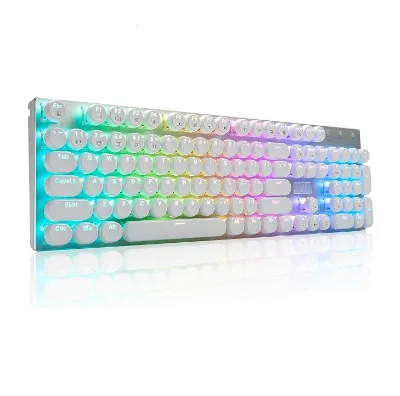
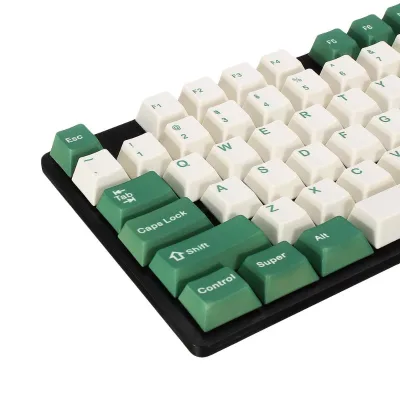
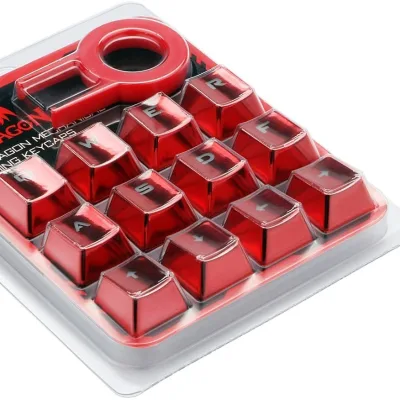
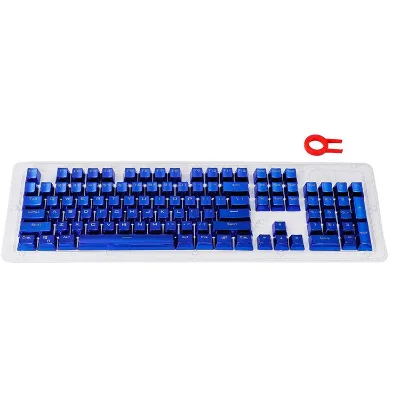
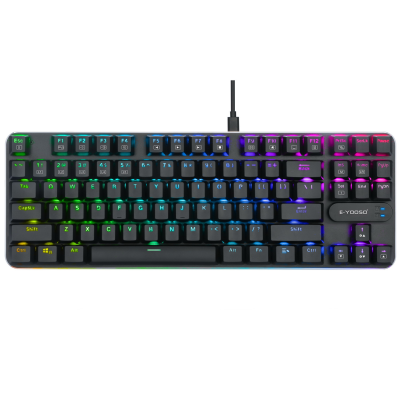
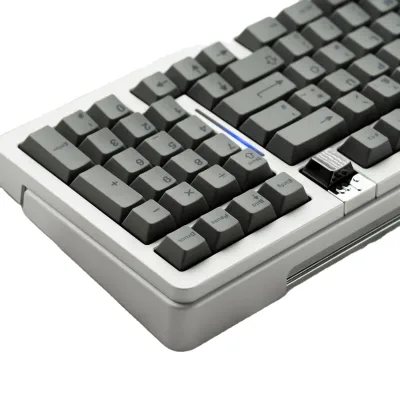
Keyboard Kits Gaming Keyboards Customization Keycaps DIY Keyboards CNC Keycap
$256.55 - $359.17
MOQ: 50 Minimum
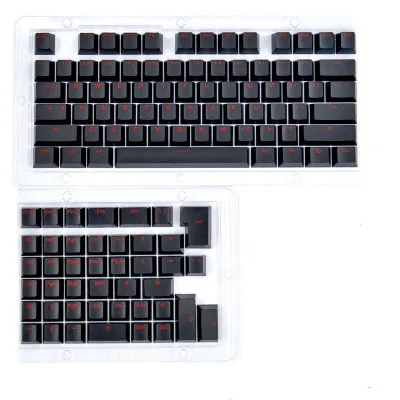
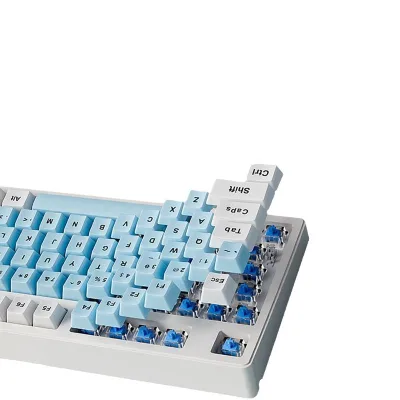
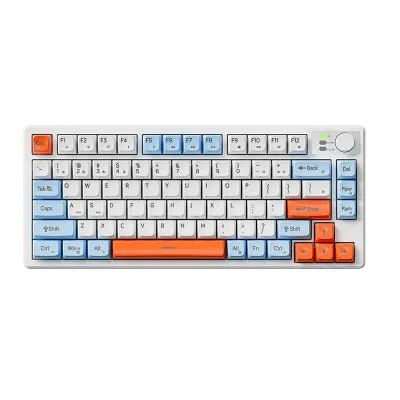
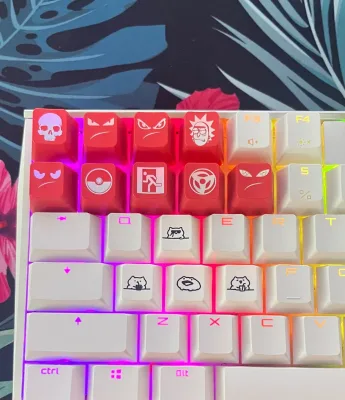


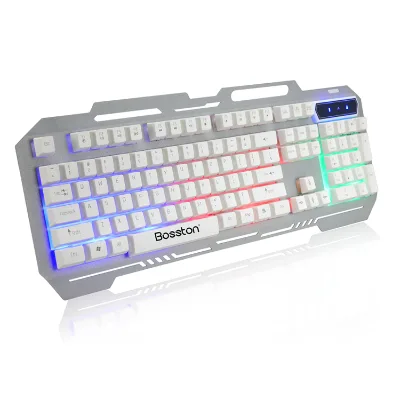
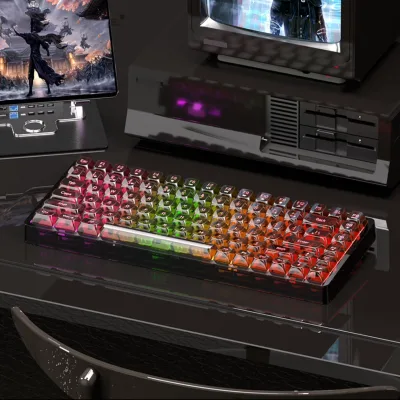
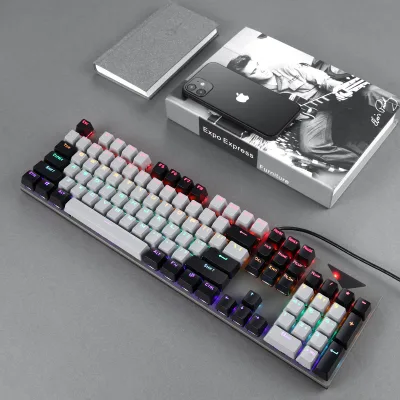


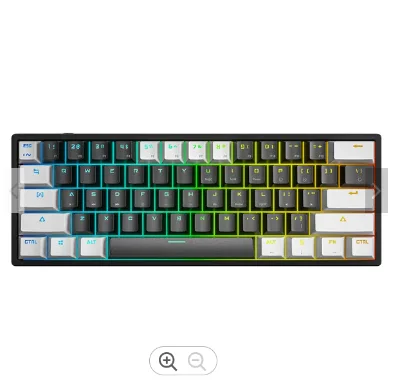
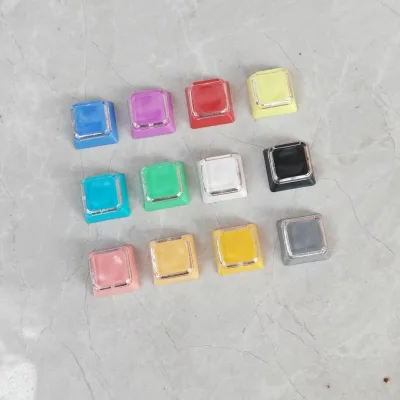
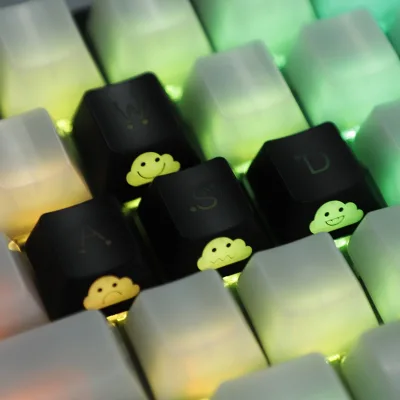


Custom Mechanical Keyboard Key Cap Set Game Plastic Resin Pudding Metal Keycap
$0.18 - $0.48
MOQ: 500 Pieces
Comprehensive Sourcing Guide
Strategic Sourcing Guide for Mechanical Keyboard Gaming Keycaps
Navigating the global market for Mechanical Keyboard Gaming Keycaps requires a disciplined approach that distinguishes between complete peripheral units and specialized replacement components. Buyers entering this sector must understand that the supply chain encompasses everything from full-sized wired gaming keyboards to individual keycap sets designed for specific switch types. The following guide synthesizes observed market data and technical attributes to provide a framework for evaluating suppliers, verifying product specifications, and managing procurement risks without relying on unverified claims.
Technical Specifications and Component Architecture
The foundation of any mechanical keyboard procurement lies in the precise definition of technical specifications. In the current market, the standard configuration for full-size gaming keyboards typically adheres to a 104-key layout, which includes a dedicated numeric keypad. This layout is often described as the "104 Keys" standard and is essential for users requiring full functionality for gaming and data entry. When sourcing keycaps specifically, the compatibility with the underlying switch mechanism is paramount. The market frequently lists specific switch brands such as Gateron, with common actuation types including Red, Brown, Blue, and Green variants. Buyers must verify that the keycaps are designed to fit the specific stem profile of these switches, as cross-compatibility is not guaranteed across different switch manufacturers.
Material composition is another critical technical differentiator. Observed product data indicates a split between ABS Plastic and PBT (Polybutylene Terephthalate) materials. ABS keycaps are often associated with double-shot injection molding, a process that embeds the legend into the keycap to prevent fading. However, PBT keycaps are increasingly preferred for their durability and resistance to shine, often marketed with keywords like "PBT keycaps mechanical keyboard." The choice between these materials directly impacts the tactile feel and longevity of the keyboard. Additionally, the interface type for complete units is predominantly USB 2.0 Wired, ensuring stable connectivity for high-speed gaming applications where latency must be minimized.
Compliance and Certification Verification
In the B2B electronics sector, compliance is not merely a formality but a prerequisite for market access. Buyers must rigorously verify that suppliers possess valid certifications. The observed data highlights specific certifications such as FCC (Federal Communications Commission) and CE (Conformité Européenne), which are essential for electronic devices sold in North America and the European Union, respectively. Furthermore, ISO9001 certification is frequently cited, indicating that the manufacturer adheres to international quality management standards. While other standards like ISO 27001, RoHS, and REACH are often discussed in the broader industry context, buyers should request current, verifiable documentation rather than relying on general marketing claims.
When evaluating a supplier, the presence of these certifications should be confirmed through direct communication and request for certificates of conformity. The "place of origin" for many of these products is Guangdong, China, a major hub for electronics manufacturing. While this region offers competitive pricing and supply chain efficiency, it also necessitates a higher level of diligence regarding export compliance and environmental regulations. Buyers should ensure that the product documentation explicitly states compliance with the relevant standards for the target export market to avoid customs delays or product recalls.
Cost Drivers and Pricing Dynamics
Understanding the cost structure of mechanical keyboards and keycaps is vital for budgeting and margin analysis. The observed price range in the market is extensive, spanning from $0.18 to $359.17 USD. This wide variance reflects the difference between individual replacement keycaps, small accessory sets, and complete high-end gaming keyboards with advanced features like RGB LED backlighting and custom switch configurations. The lower end of the spectrum typically corresponds to basic keycap sets or entry-level units, while the upper end includes premium models with features such as "Real Mechanical" switches, "double shot injection" keycaps, and sophisticated RGB lighting systems.
Several factors drive these costs. The choice of material is a primary driver; PBT keycaps generally command a higher price than ABS due to superior durability and manufacturing complexity. The switch brand and type also influence cost, with branded switches like Gateron often costing more than generic alternatives. Additionally, features such as "anti-ghosting" technology, "multimedia keys," and "spill resistant" designs add to the production cost. Buyers should be wary of prices that seem abnormally low, as they may indicate compromised quality or the use of inferior materials that do not meet the advertised specifications.
Typical Applications and Use Cases
The versatility of mechanical keyboards and keycaps extends across various applications, with gaming being the dominant use case. The product attributes frequently list "Gaming," "LAPTOP," and "For Tablet" as primary applications. This indicates that these products are designed to be compatible with a wide range of computing devices. For gamers, features like "Multi Keys" anti-ghosting and "Plug and Play" functionality are essential to ensure that rapid key presses are registered accurately without input lag.
Beyond gaming, these keyboards are utilized in professional environments requiring high typing efficiency. The inclusion of a "Numeric Keypad" and "Multimedia Keys" makes them suitable for office work, data entry, and content creation. The "Standard" and "ERGONOMICS" style attributes suggest that some models are designed to reduce user fatigue during extended use, although the observed data notes that "wrist support" is often not included as a standard feature, requiring users to purchase separate accessories. The "replacement keycaps" aspect of the market allows users to customize existing keyboards for specific aesthetic or functional needs, such as changing the color scheme to "White," "Black," or "Red" to match their setup.
Supplier Evaluation and Selection Criteria
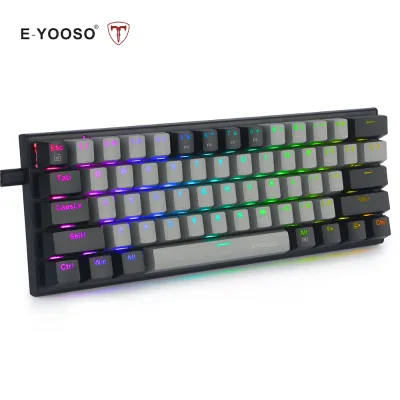
Selecting the right supplier requires a multi-faceted evaluation process that goes beyond price comparisons. Buyers should prioritize suppliers who demonstrate transparency in their product attributes. For instance, a supplier claiming "Private mold" capabilities indicates a higher level of customization and control over the product design, which can be advantageous for branding. The "Brand" attribute, such as "Eyooso," should be verified to ensure it aligns with the buyer's quality expectations and brand positioning.
The "MOQ" (Minimum Order Quantity) is another critical factor in supplier selection. The observed range of 1 to 1000 units suggests that the market accommodates both small-scale buyers and large distributors. However, specific listings may show an MOQ of 100 pieces for certain keycap sets. Buyers must negotiate terms that align with their inventory strategy, balancing the need for stock availability against the risk of overstocking. Additionally, the "Delivery Time" of 3-7 days for certain items indicates a responsive supply chain, but buyers should confirm lead times for custom orders, which may vary significantly based on the complexity of the design and the volume of the order.
Quality Control and Performance Verification
Quality control is the backbone of a successful procurement strategy. Buyers must establish clear acceptance criteria based on the technical specifications provided. Key areas to verify include the durability of the keycaps, with some products claiming a "Life Expectancy" of 500 million times. While this figure should be treated as a manufacturer claim, it serves as a benchmark for quality. The "double shot injection" process is a specific manufacturing technique that should be verified through product samples to ensure the legends are not prone to peeling or fading.
Performance verification should also include testing for "anti-ghosting" capabilities and the responsiveness of the "RGB LED Backlight." Buyers should request samples to test the "spill resistant" features and the overall build quality of the "ABS Plastic" or "PBT" materials. The "Single gross weight" of 1.000 kg for a single package provides a baseline for logistics planning, but actual weight may vary based on packaging density. It is essential to conduct physical inspections of received goods to ensure they match the "Product name" and "Model" specifications, such as the "Z88" model number, and that the "Keycaps" match the requested color and material.
Long-Term Procurement Considerations
Sourcing mechanical keyboard components is not a one-time transaction but a long-term partnership that requires strategic planning. Buyers should consider the scalability of their supply chain, ensuring that suppliers can handle increased volumes without compromising quality or lead times. The "Customized Logo" feature highlights the potential for branding, which can be a significant value-add for B2B buyers looking to create a unique product line. However, customization often involves higher MOQs and longer lead times, which must be factored into the procurement timeline.
Furthermore, buyers should monitor market trends regarding materials and switch technologies. The shift towards PBT keycaps and the popularity of specific switch types like Gateron suggest that the market is evolving towards higher durability and better tactile feedback. Staying informed about these trends will allow buyers to make proactive decisions rather than reactive ones. Finally, maintaining a relationship with suppliers who offer "New" products status and adhere to strict quality standards will ensure a steady supply of reliable components, reducing the risk of disruptions and maintaining customer satisfaction in the competitive gaming and office equipment markets.
FAQs
What certifications do Mechanical Keyboard Gaming Keycaps have?
Products typically hold FCC, CE, and ISO9001 certifications for electronic compliance and quality management. Buyers must verify current certificates of conformity directly with suppliers before purchasing to ensure valid documentation for target export markets.
Which materials are used for Mechanical Keyboard Gaming Keycaps?
Keycaps are commonly manufactured from ABS Plastic or PBT materials to ensure durability and specific tactile feels. ABS often features double-shot injection for legend permanence, while PBT offers superior resistance to shine and wear over time.
How can I find suppliers with low minimum order quantities?
The market offers a wide range of minimum order quantities from 1 to 1000 units depending on the specific listing. Some keycap sets may require an MOQ of 100 pieces, so buyers should negotiate terms that align with their inventory strategy.
What is the typical delivery time for these products?
Delivery times for certain items can be as fast as 3 to 7 days from the point of order. Buyers should confirm lead times for custom orders, as these may vary significantly based on design complexity and order volume.
Can I find keyboards with specific switch brands like Gateron?
Yes, many listings specify the use of Gateron switches including Red, Brown, Green, and Cyan variants. Buyers must verify that keycaps are designed to fit the specific stem profile of these switches as cross-compatibility is not guaranteed.
What is the price range for Mechanical Keyboard Gaming Keycaps?
The observed price range spans from 0.18 to 359.17 USD, reflecting differences between individual keycaps and full units. Lower prices usually correspond to basic sets, while higher prices include premium features like RGB backlighting and custom switch configurations.
Where are these mechanical keyboards typically manufactured?
The place of origin for many of these products is Guangdong, China, a major hub for electronics manufacturing. Buyers should ensure product documentation explicitly states compliance with relevant standards for the target export market to avoid customs delays.