Source Mechanical Grille for Cars, Ships, and Machinery
Compare 30 Mechanical Grille options from verified Chinese suppliers. Buyers can evaluate specifications, materials, and prices for automotive, marine, and industrial machinery applications to find the right fit for their specific needs and requirements; compare the available evidence and request quotations based on your requirements.
Key considerations
Products List
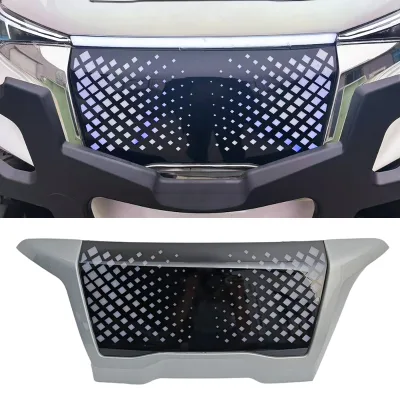
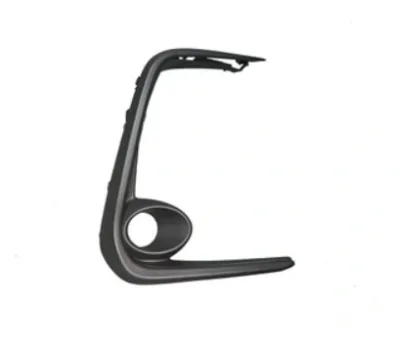
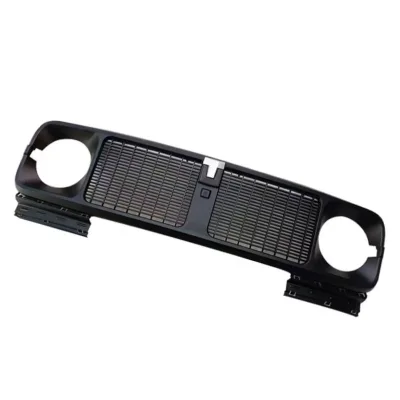


$0.10 - $10.00
MOQ: 10 Pieces


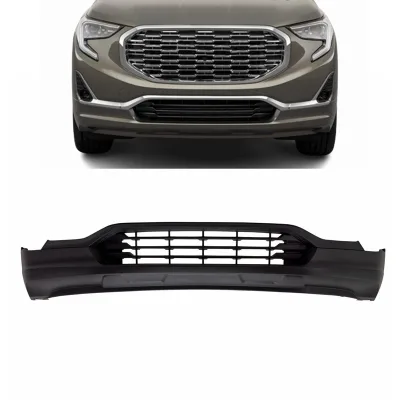


Vehicle Auto Engine Brake Chassis Body Other Auto Spare Parts Exterior Accessories
$0.19 - $199.00
MOQ: 10000 Pieces

Comprehensive Sourcing Guide
Mechanical Grille Sourcing Guide
Procuring mechanical grilles requires a disciplined approach to aligning aesthetic intent with functional durability. Buyers must first distinguish between decorative automotive front-end components and heavy-duty industrial ventilation or machinery guards. The market offers a wide spectrum of options, ranging from simple plastic replacements for passenger vehicles to robust stainless steel assemblies for marine or industrial machinery. Understanding this distinction is critical before initiating supplier outreach, as the material specifications, manufacturing processes, and compliance requirements differ significantly between these categories.
This guide focuses on the key decision points for sourcing mechanical grilles, emphasizing verification of technical fitment and material integrity. Whether sourcing for vehicle repair or industrial equipment maintenance, buyers should prioritize suppliers who provide clear evidence of dimensional accuracy and material composition. The following sections outline the essential steps for evaluating product scope, verifying technical specifications, ensuring compliance, managing costs, qualifying suppliers, and establishing long-term procurement stability.
Product Scope and Observed Listing Signals
Market listings for mechanical grilles reveal a diverse range of applications, primarily centered on automotive replacement parts and industrial machinery components. Observed data indicates a strong presence of products designed for specific vehicle models, such as the Great Wall Tank 300, where grilles serve as both protective elements and aesthetic features. These automotive parts are often marketed with specific OE numbers, such as 81482-02A70, to ensure precise fitment for repair and replacement scenarios. Buyers should note that these items are typically new condition products, intended to restore the original appearance and function of the vehicle’s front fascia.
In the industrial sector, mechanical grilles are frequently associated with metal processing machinery, marine docking accessories, and heavy equipment ventilation systems. Listings for these products often highlight materials like stainless steel or carbon steel, emphasizing durability and resistance to harsh environments. Some industrial grilles are customized to specific machine models, such as the HZF-341, and may include features like specialized surface finishes or crate packaging for safe transit. Buyers must carefully review the product description to determine if the grille is a universal fitment or a custom-made component, as this significantly impacts lead times and pricing structures.
Technical Specifications to Verify
Dimensional accuracy is the most critical technical specification for mechanical grilles, particularly in automotive applications where fitment errors can lead to installation failures. Buyers should verify the exact model number and OE reference codes provided by the supplier to ensure compatibility with their specific vehicle or machinery. For instance, grilles for the Great Wall Tank 300 must match the original design parameters, including size and mounting hole positions. In industrial contexts, buyers must confirm the precise dimensions and structural requirements, such as load-bearing capacity and aperture size, to ensure the grille meets the operational needs of the machinery or enclosure.
Material composition and finish are equally important factors that influence the longevity and performance of mechanical grilles. Automotive grilles may be made from various materials, including plastic or metal, with finishes ranging from standard black to polished stainless steel. Industrial grilles often require stainless steel or coated steel to resist corrosion and wear in demanding environments. Buyers should request detailed material certificates or specifications to confirm the grade of steel or type of polymer used. Additionally, verifying the surface finish, such as powder coating or galvanization, is essential for ensuring resistance to environmental factors like moisture, UV exposure, and chemical exposure.
Compliance and Safety Documentation
Regulatory compliance varies significantly depending on the application of the Mechanical Grille. For automotive parts, buyers should ensure that the supplier adheres to relevant safety and quality standards, although specific certification requirements may depend on the target market. In industrial applications, grilles used in machinery or marine environments may need to comply with international standards such as ISO, CE, or RoHS, particularly if they are part of equipment that requires environmental or safety certifications. Buyers should request documentation proving that the materials and manufacturing processes meet these standards, especially for products intended for export to regions with strict regulatory frameworks.
Safety considerations also extend to the structural integrity and installation security of the grille. Industrial grilles must be designed to prevent accidental contact with moving parts or hazardous areas, requiring robust construction and secure mounting mechanisms. Buyers should verify that the supplier provides clear installation guidelines and that the grille design includes necessary safety features, such as rounded edges or reinforced frames. For marine or outdoor applications, corrosion resistance is a key safety factor, as degraded grilles can pose hazards in critical environments. Ensuring that the supplier has a quality management system in place, such as ISO certification, can provide additional assurance of product reliability and safety.
Cost Drivers and Commercial Terms
The cost of mechanical grilles is influenced by several factors, including material type, manufacturing complexity, and order volume. Automotive replacement grilles, particularly those for specific models like the Great Wall Tank 300, may have lower MOQs but higher per-unit costs due to the precision required for fitment. Industrial grilles, especially those made from stainless steel or custom-designed for machinery, often involve higher material and processing costs. Buyers should also consider the impact of customization options, such as specific surface finishes or dimensions, which can significantly increase the price. Understanding these cost drivers helps in budgeting and negotiating favorable terms with suppliers.
Commercial terms, including payment methods and delivery times, play a crucial role in the procurement process. Many suppliers offer flexible payment options, such as T/T, but buyers should clarify the payment schedule and any associated fees. Delivery times can vary widely, from immediate shipment for standard automotive parts to longer lead times for custom industrial grilles, which may take 15-30 days or more. Buyers should also consider packaging requirements, as industrial grilles often require crate or plywood case packaging to prevent damage during transit. Clear communication of these terms ensures that both parties have aligned expectations regarding the financial and logistical aspects of the order.
Supplier Qualification and Quality Control
Evaluating supplier qualification is essential for ensuring the reliability and consistency of Mechanical Grille orders. Buyers should verify the supplier’s manufacturing capabilities, including their experience in producing grilles for automotive or industrial applications. Suppliers with a proven track record and positive customer feedback are more likely to deliver high-quality products. Additionally, buyers should assess the supplier’s quality control processes, such as inspection protocols and testing procedures, to ensure that each grille meets the specified standards. Suppliers who provide detailed product descriptions, including material specifications and dimensions, demonstrate a higher level of professionalism and attention to detail.
Quality control extends beyond the initial production phase to include post-production inspections and packaging. Buyers should request evidence of quality assurance, such as inspection reports or certificates of conformity, to verify that the grilles meet the agreed-upon specifications. For industrial applications, suppliers may offer additional services, such as custom packaging or labeling, to meet specific customer requirements. Buyers should also consider the supplier’s warranty policies, as a robust warranty indicates confidence in the product’s durability and performance. Establishing a strong relationship with a qualified supplier ensures consistent quality and reduces the risk of defects or delays in future orders.
Long-Term Procurement Checks
Establishing long-term procurement relationships requires ongoing monitoring of supplier performance and product quality. Buyers should regularly review supplier metrics, such as on-time delivery rates, defect rates, and responsiveness to issues, to ensure continued reliability. For mechanical grilles, this includes verifying that subsequent orders maintain the same level of quality and fitment accuracy as the initial purchase. Buyers should also stay informed about any changes in material standards or manufacturing processes that could impact the product’s performance or compliance. Regular communication with the supplier helps to address any emerging issues promptly and maintain a high standard of procurement.
Continuous improvement and adaptation are key to successful long-term procurement. Buyers should periodically reassess their sourcing strategy to identify opportunities for cost savings or quality enhancements. This may involve exploring alternative suppliers, negotiating better terms, or specifying new requirements based on evolving operational needs. For industrial applications, staying updated on industry trends and technological advancements can help buyers select more efficient or durable grille solutions. By maintaining a proactive approach to supplier management and product evaluation, buyers can ensure that their Mechanical Grille procurement remains aligned with their business objectives and quality standards.
FAQs
What is the warranty period for the Mechanical Grille?
The warranty period is one year for the Mechanical Grille. This coverage applies to the new condition parts supplied by the manufacturer. Buyers should verify specific terms with the supplier to ensure the warranty covers potential defects or installation issues during the first year of use.
Can the Mechanical Grille be customized for specific applications?
Customization is available for the Mechanical Grille to meet specific application needs. Buyers can request tailored specifications, surface finishes, or packaging options. The supplier supports custom requests, allowing for adjustments in size or material to fit unique machinery or vehicle requirements effectively.
Which certifications does the Mechanical Grille hold?
The Mechanical Grille holds ISO, RoHS, and CE certifications. These standards ensure compliance with international quality and safety regulations. Buyers can rely on these documented certifications to verify that the product meets necessary regulatory requirements for import and use in various global markets.
What is the typical lead time for delivery?
The typical delivery time is 15 to 30 days after payment. This lead time allows for production and quality checks before shipment. Buyers should plan their procurement schedules accordingly to account for this standard processing period and ensure timely receipt of the Mechanical Grille parts.
How is the Mechanical Grille packaged for shipping?
The Mechanical Grille is packaged in crates, plywood cases, or as per customer requests. This secure packaging protects the product during transit. Buyers can specify their preferred packing method to ensure the parts arrive in optimal condition, minimizing the risk of damage during international shipping.
What is the minimum order quantity for this product?
The minimum order quantity is one unit for the Mechanical Grille. This low MOQ allows buyers to test the product quality before placing larger orders. It provides flexibility for small-scale procurement needs or for evaluating the supplier's capabilities without a significant initial financial commitment.