Source Medium Pressure LPG Tank Truck for Gas, Liquid, Solid
Find 30 listings for the Medium Pressure LPG Tank Truck, featuring models like WET-03 and WGLT-06. Compare specifications including tank volumes from 15,001 to over 30,000 liters, horsepower ranges, and drive configurations to identify suitable transport solutions for your logistics needs.
Key considerations
Products List


8*4 Liquid Gas Storage Cylinder Tank LPG Pressure Vessel Transportation Tank Truck
$56500.00 - $59000.00
MOQ: 1 Pieces

40000L Fuel Storage Tank Semi Trailer LPG Tank Truck Gas Tanker Trailer
$15000.00 - $29999.00
MOQ: 1 Pieces


7 Tons Liquid Propane Gas Tank Truck 14 M3 LPG Movable Dispenser Pressure Vessel
$25000.00 - $35000.00
MOQ: 1 Pieces


$50000.00 - $70000.00
MOQ: 1 Pieces


23.3cbm ASME LPG Bobtail Tank Truck Gas Tanker with Pump System for Sale
$65000.00 - $75000.00
MOQ: 1 Pieces
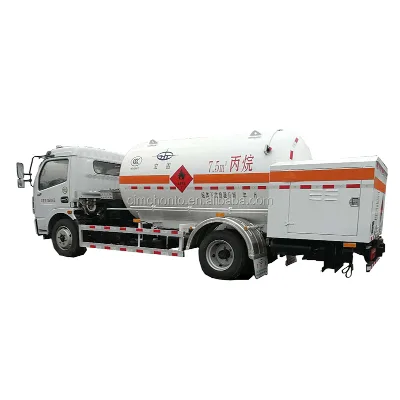
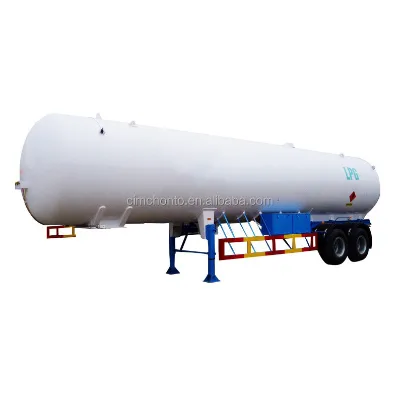


$500.00 - $6000.00
MOQ: 1 Pieces


LPG/LNG/Gas Transport ISO Tank, Gpl Gas Transport Trucks Tank Container
$21000.00 - $39000.00
MOQ: 1 Pieces


Chinese Brand New 30cbm 40cbm 50cbm LPG Storage Tank LPG Gas Tank Semi Trailer
$16000.00 - $18000.00
MOQ: 1 Pieces
Comprehensive Sourcing Guide
Medium Pressure LPG Tank Truck Sourcing Guide
Procuring a Medium Pressure LPG Tank Truck requires distinguishing between specialized cryogenic vessels and standard pressurized transport units, as the supplied data indicates a wide variance in storage capabilities ranging from 15,000 to over 30,000 liters. Buyers must first clarify whether the operational need involves low-temperature storage for liquefied gases or standard atmospheric pressure transport, as the observed product models like WET-03 and WGLT-06 suggest distinct engineering approaches for different thermal and pressure regimes.
The market listing signals reveal that these vehicles are often customized with specific chassis configurations, including drive models such as 4x2, 6x4, and 8x4, paired with engine brands like Cummins and horsepower ratings between 150 and 450 hp. This variability necessitates a rigorous initial screening process to match the vehicle's load capacity, which spans from 11 to 50 tons, against the specific logistical volume and route requirements of the intended deployment.
Product Scope and Observed Listing Signals
Buyers should verify that the listed product explicitly defines the storage content as LPG or liquefied gas, noting that observed listings include specific tank materials like Q345r high-tensile steel alongside stainless steel and aluminum options. The presence of multiple volume specifications, such as 25, 35, 50, and 100 cubic meters, indicates that suppliers offer modular solutions, but the buyer must confirm which specific volume corresponds to the requested pressure rating and chassis compatibility.
The observed data highlights that customization is a standard feature, with options for logo printing and specific tank dimensions, yet the packing methods vary significantly between bulk loads and waxed-on-board preparations. Procurement teams must ensure that the selected unit's tire design, whether radial or tubeless, aligns with the intended road conditions and that the working temperature range of -20 to 50 degrees Celsius is sufficient for the local climate and cargo stability.
Technical Specifications to Verify
Technical due diligence must focus on the design pressure and test pressure ratings, as the provided facts cite a design pressure of 1.77 Kpa and a test pressure of 2.16 MPa, which are critical for ensuring the vessel can safely withstand operational stresses. Buyers need to cross-reference these pressure values with the specific LPG storage requirements, ensuring that the tank's structural integrity meets the demands of the medium-pressure environment without compromising safety margins during transit.
Engine and transmission specifications are equally vital, with observed listings showing manual transmissions and diesel power sources ranging from 4 to 8 liters in capacity. The buyer must verify that the selected horsepower, whether in the 150-250 hp or 351-450 hp range, provides adequate torque, such as the observed 700 N.M, to handle the full load capacity of 11 to 50 tons across varying terrain and elevation profiles.
Compliance and Safety Documentation
Safety compliance requires a thorough review of the certification documents, as the observed listings include GB, TUV, GS, QS, and ISO certifications, alongside specific tire certifications like ECE, GCC, and DOT. Procurement teams must ensure that the vehicle's emission standards, noted as Euro compliant in the data, align with the regulatory requirements of the destination country to avoid legal penalties or operational restrictions.
Documentation must also confirm that the tank material and construction standards, such as stainless steel or carbon steel specifications, meet the necessary safety protocols for transporting flammable liquefied gases. Buyers should request detailed test reports and pressure vessel certificates to validate that the working temperature and pressure limits are strictly adhered to, ensuring the vehicle is safe for public roads and storage facilities.
Cost Drivers and Commercial Terms
The cost of these specialized vehicles is heavily influenced by the tank volume, material composition, and the complexity of the chassis customization, with observed price ranges spanning from 500 to 10,000,000 USD. Buyers must analyze how the specific horsepower, load capacity, and engine brand impact the final price, as higher specifications like 450 hp engines and 50-ton capacities will naturally command a premium over standard configurations.
Commercial terms should explicitly address the minimum order quantity, which appears to be a single unit based on the observed data, and the specific packing requirements for international shipping. Procurement contracts must clarify whether the price includes the waxed-on-board preparation or bulk vessel loading, as these logistical details can significantly affect the total landed cost and the timeline for delivery to the final destination.
Supplier Qualification and Quality Control
Supplier qualification should prioritize manufacturers who demonstrate a clear track record in producing low-temperature storage and transportation equipment, as evidenced by the diverse model numbers and customization options available. Buyers must verify the supplier's ability to provide the specific certifications observed, such as TUV and ISO, and ensure that the production origin in China aligns with the buyer's import regulations and quality expectations.
Quality control processes must include a detailed inspection of the tank welding, pressure testing, and engine integration before shipment. The buyer should request a pre-shipment inspection report that validates the drive wheel configuration, tire design, and the accuracy of the volume markings, ensuring that the delivered unit matches the technical specifications and safety standards agreed upon in the purchase agreement.
Long-Term Procurement Checks
Long-term procurement success depends on establishing a clear maintenance protocol for the high-tensile steel tanks and diesel engines, which are subject to wear and tear during regular LPG transport operations. Buyers should verify the availability of spare parts for the specific engine brand and transmission type, ensuring that the vehicle can remain operational with minimal downtime throughout its service life.
Regular safety audits and pressure vessel inspections are essential to maintain compliance with evolving international standards and to ensure the continued integrity of the storage system. Procurement teams must plan for periodic re-certification of the tank and tires, checking that the emission standards and working temperature limits remain within the safe operational parameters defined by the original manufacturer and regulatory bodies.
FAQs
What certifications do the LPG tank trucks have?
The LPG tank trucks hold GB, TUV, GS, QS, and ISO certifications. These standards ensure safety and compliance for low temperature storage and transportation equipment used globally.
Can I customize the tank truck specifications?
Yes, customization is available for these LPG tank trucks. Buyers can request specific models like WET-03 or WGLT-06 with tailored storage objects including gas, liquid, and solid materials.
Which tank materials are used for these trucks?
These trucks utilize metal tanks made from stainless steel, aluminum, or carbon steel. The specific material choice depends on the required working temperature and storage content for LPG applications.
What is the load capacity range for these vehicles?
The load capacity ranges from 11 to 50 tons depending on the model. Specific configurations include capacities between 11-20 tons, 21-30 tons, and up to 41-50 tons for heavy transport.
How is the tank volume defined for these trucks?
Tank volumes vary from 15,001 to over 30,000 liters. Available options include 25, 35, 50, 60, and 100 cubic meters to suit different storage and transportation requirements for liquefied gas.
What engine brands power these LPG tank trucks?
These trucks are powered by Cummins engines with horsepower ranging from 150 to 450 hp. The engine capacity typically falls between 4 to 8 liters to meet Euro emission standards.
Are the trucks available in new condition?
Yes, all listed LPG tank trucks are in new condition. They are packaged as bulk loads or waxed before on board to ensure safe delivery and immediate operational readiness.