Source Automatic Sewage Pump Truck for Municipal, Industrial, and Emergency Uses
Compare 30 listings for the automatic sewage pump truck to find reliable units for municipal waste management, industrial slurry transfer, and emergency cleanup operations. Buyers can review specifications like tank volume, payload, and pump performance to select the right equipment.
Key considerations
Products List



Comprehensive Sourcing Guide
Automatic Sewage Pump Truck Sourcing Guide
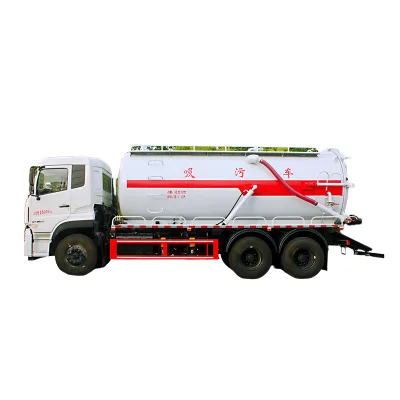
Procurement of automatic sewage pump trucks requires distinguishing between complete vehicle units and specialized pump assemblies, as market listings often conflate the two. The observed product data reveals a distinct split between heavy-duty sewage suction trucks with 9000L tanks and 20-ton payloads, and standalone industrial pumps designed for specific media like sea water or slurry. Buyers must first clarify whether the requirement is for a fully integrated mobile unit or a modular pump system to be installed on a custom chassis.
The listing signals indicate a wide price variance from 80 to 69,000 USD, reflecting the difference between basic pump components and complete vehicle configurations. While some entries specify a 150-250hp engine and manual transmission for the truck, others focus on electric motors and single-stage centrifugal pump structures. This disparity necessitates a rigorous initial screening process to ensure the supplier understands the specific operational context, whether it involves municipal sewage transfer or industrial chemical handling.
Product Scope and Observed Listing Signals
Buyers should verify the exact configuration of the tank volume and material, as the data shows specific listings for 9000L carbon steel tanks alongside general 8-10m3 standards. The presence of hydraulic cylinder rear door controls and pump-based loading systems suggests a focus on automated suction and discharge capabilities. However, the variation in drive wheel configurations and emission standards requires careful cross-referencing with local regulatory requirements to ensure the vehicle is legally operable in the target region.
The product scope also extends to specialized pump applications, including submersible, jet, and booster pump types made from cast iron or carbon steel. Listings mention specific models like CA5161GSXF and ASW, indicating that buyers must match the pump model to the intended media, such as clarified water, slurry, or oil transfer. It is critical to confirm if the "automatic" designation refers to the vehicle's suction mechanism or the pump's electric start-up and control systems, as these features significantly impact operational efficiency and maintenance needs.
Technical Specifications to Verify
Technical due diligence must begin with the pump structure and performance metrics, specifically verifying the maximum head and capacity against the stated >150m head and >400 L/min capacity. The data highlights single-stage centrifugal pumps with closed impellers and vertical shaft positions, which are suitable for high-pressure applications but may differ from standard sewage suction requirements. Buyers should request detailed performance curves to confirm that the pump can handle the specific viscosity and solids content of the intended sewage or slurry media without clogging or excessive wear.
Vehicle specifications require equal scrutiny, particularly regarding the engine power range of 150-250hp and the payload capacity of 20 tons. The transmission type is listed as manual, which may influence driver training requirements and operational costs in regions where automatic transmissions are preferred. Additionally, the driving type is noted as motor-driven, and the color options include red, white, blue, and yellow, which may be subject to local fleet standardization policies or safety visibility regulations.
Compliance and Safety Documentation
Compliance verification is essential given the mix of certifications such as ISOCCC, CE, ISO, and SGS found in the product listings. Buyers must confirm that the specific unit being purchased carries the relevant certification for the target market, as some listings indicate origin in Qingdao or Hebei, while others specify China generally. The presence of these standards suggests a baseline of quality, but the buyer must ensure the documentation is current and applies to the exact model number, such as CA5161GSXF or ASW, rather than a generic product line.
Safety documentation should explicitly cover the emission standards, which are listed as Euro compliant, and the fuel type, identified as diesel. For electric pump variants, safety protocols regarding the electric start-up and high-pressure operation must be clearly defined in the user manual. Buyers should also verify that the tank material, whether carbon steel or cast iron, meets corrosion resistance standards for the specific media being transported, ensuring long-term structural integrity and environmental safety during operation.
Cost Drivers and Commercial Terms
The cost structure is heavily influenced by the distinction between a complete truck assembly and a standalone pump unit, with prices ranging from 80 to 69,000 USD. Factors driving the higher end of this spectrum include the integration of a 150-250hp engine, a 9000L carbon steel tank, and complex hydraulic systems for rear door control. Conversely, lower-cost items likely represent individual pump components or smaller capacity units, requiring buyers to calculate the total cost of ownership including chassis, installation, and potential customization fees.
Commercial terms must address the observed minimum order quantity of 1 unit and the specific packing requirements, which vary between container and wooden case formats. The origin location, whether Qingdao or Hebei, will impact shipping logistics and lead times, necessitating clear agreements on Incoterms and delivery schedules. Buyers should also clarify whether customization is available for specific color schemes or tank volumes, as this can significantly alter the final price and production timeline.
Supplier Qualification and Quality Control
Supplier qualification should focus on verifying the manufacturing origin and the specific production standards cited, such as CE, ISO, and SGS. The data indicates suppliers in Hebei and Qingdao, regions known for heavy machinery and pump manufacturing, but buyers must confirm the specific factory's capability to produce the exact model required. It is advisable to request proof of the ISOCCC certification and other relevant standards to ensure the supplier maintains consistent quality control processes across their product lines.
Quality control measures must include a review of the material specifications, particularly the use of carbon steel and cast iron for tanks and pump casings. Buyers should verify the assembly process for the vertical joint surface pumps and the single-suction impellers to ensure they meet the high-pressure and wear-resistant performance claims. Inspecting the packing method, whether standard export wooden cases or containers, is also crucial to prevent damage during transit and to ensure the equipment arrives in pristine condition for immediate deployment.
Long-Term Procurement Checks
Long-term procurement strategies should prioritize the availability of spare parts and the durability of the pump structure under continuous operation. The data mentions applications for sewage, slurry, and chemical pumps, which are high-wear environments; therefore, verifying the availability of replacement impellers, seals, and hydraulic cylinders is essential for minimizing downtime. Buyers should establish a relationship with the supplier to ensure a steady supply of compatible parts for the specific model, such as the CA5161GSXF or ASW, to support ongoing maintenance needs.
Finally, buyers must monitor the performance of the pump over time, specifically checking the wear resistance and the efficiency of the electric or diesel-powered systems. The listed applications include oil transfer and submersible pumping, which demand robust performance under varying conditions. Establishing a schedule for regular inspections and performance testing will help identify potential issues early, ensuring the equipment continues to meet the required specifications for head, capacity, and media handling throughout its operational lifespan.
FAQs
What is the tank volume of the automatic sewage pump truck?
The tank volume is 9000 liters, which corresponds to a capacity of 8 to 10 cubic meters. This large volume allows for efficient sewage collection and transport in a single trip. The truck is designed with a carbon steel tank to ensure durability during heavy-duty operations.
Can the automatic sewage pump truck be customized for specific needs?
Yes, customization is available for this automatic sewage pump truck to meet specific operational requirements. Buyers can request modifications to the truck type or color options like red, white, blue, or yellow. This flexibility ensures the vehicle fits unique municipal or industrial waste management workflows.
Which certification does the automatic sewage pump truck hold?
The automatic sewage pump truck holds ISOCCC certification, ensuring it meets specific international standards. This certification validates the quality and safety of the manufacturing process. Buyers can rely on this documented standard when sourcing vehicles for regulated waste disposal projects.
How is the loading and unloading process managed on the truck?
Loading and unloading are managed using a dedicated pump system for efficient sewage transfer. The rear door is controlled by a hydraulic cylinder to facilitate safe access. This mechanical setup ensures rapid and reliable operation during waste collection and disposal cycles.
What is the maximum head pressure capability of the pump system?
The pump system features a maximum head of over 150 meters for high-pressure applications. This capability supports deep sewage extraction and long-distance transfer needs. The single-stage centrifugal pump design ensures consistent performance for various liquid media including sewage and slurry.
Where is the automatic sewage pump truck manufactured?
The automatic sewage pump truck is manufactured in Qingdao, China, with some components originating from Hebei. This location provides access to established industrial supply chains for heavy machinery. Buyers can expect reliable logistics and established manufacturing standards from these regions.
What is the payload capacity of the automatic sewage pump truck?
The automatic sewage pump truck has a payload capacity of 20 tons for heavy loads. This high capacity allows for transporting large volumes of sewage without frequent trips. The 150 to 250 horsepower engine supports this weight across various road conditions effectively.