Source Fuel Tank for Bus Station, Port, and Wharf
Compare 30 verified Fuel Tank options including steel and stainless steel models for bus stations, ports, and wharves. Buyers can evaluate customization, pressure ratings, and packing methods to find the right solution for their industrial needs; compare the available evidence and request quotations based on your requirements.
Key considerations
Products List






Comprehensive Sourcing Guide
Fuel Tank Sourcing Guide
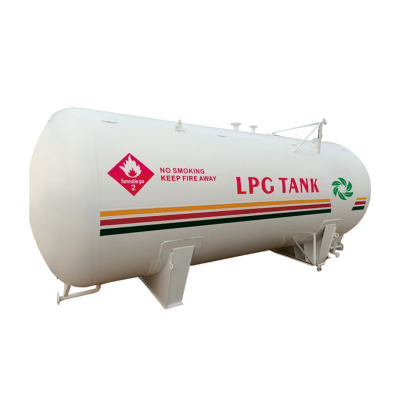
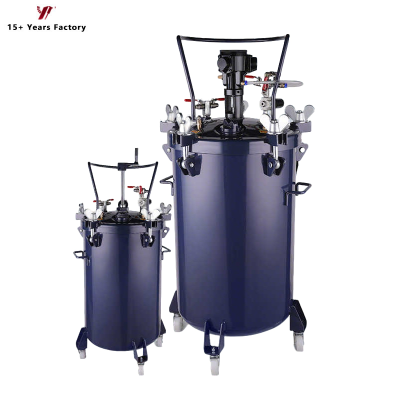
Procuring a Fuel Tank requires distinguishing between general storage vessels and specialized pressure-rated units, as the supplied data reveals a wide spectrum of industrial applications. Buyers must first identify whether the requirement is for a standard atmospheric storage tank, such as those used in bus stations or ports, or a high-pressure vessel designed for specific gas applications. The observed listings include models ranging from simple columnar structures to complex spherical designs, indicating that the initial scope definition is critical to avoiding specification mismatches.
The market signals suggest a diverse range of customization options, with many suppliers offering designs tailored to specific customer needs rather than rigid standard catalogs. While some entries highlight specific model numbers like WG9925550001 or LSB12, others emphasize custom design capabilities, requiring buyers to clearly articulate their operational constraints. Understanding these variations helps in filtering the 30 available products to find units that align with the intended service environment, whether it involves underground installation or surface-level mounting.
Product Scope and Observed Listing Signals
The observed product range includes tanks constructed from various materials, including steel, metal, and stainless steel, each offering distinct durability and corrosion resistance profiles. Buyers should note that specific listings mention "Condensing Tank" or "Oil Storage Tank" applications, which implies that the internal geometry and surface treatments, such as painting or powder coating, are tailored to the stored medium. This variation necessitates a careful review of the material specification to ensure compatibility with the intended fuel type and environmental conditions.
Listing attributes also reveal significant diversity in packaging and shipping methods, ranging from nude packages and stretch film to standard cartons and ocean freight arrangements. These logistical details often correlate with the physical dimensions and fragility of the vessel, influencing the total landed cost and handling requirements. Additionally, the presence of both "On the Ground" and "Underground" positioning options indicates that the structural integrity and mounting types, such as horizontal configurations, must be verified against the specific site infrastructure before finalizing a purchase.
Technical Specifications to Verify
Technical verification must begin with pressure ratings, as the data explicitly lists high-pressure vessels operating between 10.0MPa and 100.0MPa, alongside units with maximum pressures of 6.4MPa. Buyers need to confirm that the selected tank's pressure level matches the operational requirements of the system, ensuring it can safely handle the storage medium, which may include combustible or nontoxic gases. Misalignment in pressure specifications can lead to catastrophic failure, making the distinction between high-pressure and standard storage units a primary safety checkpoint.
Temperature and functional capabilities are equally critical, with some units rated for working temperatures up to 200 ℃ and designed for specific functions like reaction, heat pressure, or separation. The observed specifications include models suitable for fryers or gas applications, suggesting that thermal expansion and heat transfer properties must be evaluated against the process demands. Buyers should also verify the storage medium compatibility, ensuring the tank's internal surface treatment and material composition prevent contamination or degradation when handling the specific fuel or chemical involved.
Compliance and Safety Documentation
Safety compliance is paramount, particularly for high-pressure vessels where certifications such as CE, ISO, CCS, BV, ABS, Gl, and Dnv are observed in the market. These certifications indicate that the manufacturer has undergone rigorous testing and quality assurance processes to meet international safety standards, which is essential for insurance and regulatory approval in many jurisdictions. Buyers must request valid, up-to-date certificates for the specific model being purchased, as certification status can vary between different production batches or model lines.
Documentation should also cover the manufacturing standards and design approvals, with some listings noting compliance with customer-specific needs or container standards. It is vital to verify that the design documentation includes detailed pressure vessel calculations and material traceability reports, especially for units intended for underground or high-risk applications. Without comprehensive safety dossiers, the risk of non-compliance with local regulations increases, potentially leading to operational shutdowns or legal liabilities for the end-user.
Cost Drivers and Commercial Terms
Cost structures for fuel tanks are heavily influenced by material selection, with stainless steel units typically commanding higher prices than standard steel or metal alternatives. The observed price range of 1.36 to 50,000 USD reflects this disparity, driven by the complexity of the design, the pressure rating, and the extent of customization required. Buyers should analyze the cost per unit of capacity and consider the long-term maintenance implications of different materials, as higher initial investment in corrosion-resistant alloys may reduce lifecycle costs.
Commercial terms such as Minimum Order Quantity (MOQ) and packaging requirements also significantly impact the total procurement cost, with observed MOQs ranging from 1 to 500 units. The choice between standard packaging and specialized shipping methods like ocean freight or nude packages can alter logistics expenses, particularly for large or heavy vessels. Additionally, warranty terms, which may exclude man-made and wearing parts, should be factored into the financial analysis to understand the true cost of ownership and potential maintenance liabilities.
Supplier Qualification and Quality Control
Supplier qualification should prioritize manufacturers who offer overseas engineering services and have a proven track record in producing pressure vessels. The availability of engineers to service machinery overseas is a strong indicator of a supplier's commitment to long-term support and their ability to troubleshoot complex installation issues. Buyers should verify the supplier's production capacity and quality control protocols, ensuring they can consistently meet the specific design and material requirements outlined in the purchase order.
Quality control processes must include rigorous testing of surface treatments, such as oxidation or original finishes, to ensure they meet the specified durability standards. Given the diverse range of observed models, from simple columns to complex spherical tanks, buyers should request third-party inspection reports or factory audit results to validate the manufacturing consistency. This due diligence helps mitigate the risk of receiving substandard products that may fail under operational stress or fail to meet the required safety certifications.
Long-Term Procurement Checks
Long-term procurement success depends on establishing clear communication channels for maintenance and spare parts availability, especially for units with complex functional roles like reaction or separation vessels. Buyers should confirm the availability of replacement parts and the supplier's ability to provide technical support over the product's lifespan, as indicated by warranty terms that exclude wearing parts. A robust after-sales support framework ensures that operational downtime is minimized and that the Fuel Tank system remains safe and efficient throughout its service life.
Regular audits of the supplier's performance and product consistency are essential to maintain quality standards over time, particularly when dealing with customized orders. Buyers should monitor the supplier's adherence to the agreed-upon standards, such as the 25kg standard or specific container requirements, to ensure that future deliveries match the initial specifications. Continuous engagement with the supplier allows for early detection of potential issues and fosters a collaborative relationship that can adapt to changing operational needs or regulatory requirements.
FAQs
What materials are used for fuel tanks?
Fuel tanks are commonly constructed from steel, metal, or stainless steel. These materials provide the necessary durability and resistance required for industrial applications. The choice of material often depends on the specific storage medium and environmental conditions, ensuring long-term reliability and safety for the equipment.
Can fuel tanks be customized for specific needs?
Yes, customization is available for fuel tanks to meet specific customer requirements. Buyers can request custom designs, colors, and specifications. This flexibility allows for tailored solutions that fit unique operational needs, ensuring the product aligns perfectly with the intended application and installation environment.
What certifications do fuel tanks typically hold?
Fuel tanks often hold certifications such as CE, ISO, CCS, BV, ABS, Gl, and Dnv. These certifications indicate compliance with international quality and safety standards. Buyers should verify specific certificates based on their regional regulations and the intended use case to ensure full regulatory compliance and operational safety.
What is the maximum pressure rating for these tanks?
Some fuel tanks have a maximum pressure rating of 6.4MPa, while others are designed for high-pressure environments ranging from 10.0MPa to less than 100.0MPa. The working temperature can reach up to 200 ℃. Selecting the correct pressure level is critical for safe operation under specific industrial conditions.
Where are these fuel tanks manufactured?
These fuel tanks are manufactured in China, with specific origins noted in Zhangjiagang City. Production follows customer needs and standard container packaging. Buyers should consider shipping methods like ocean freight when sourcing from these locations to ensure efficient logistics and timely delivery to their destination ports.
What packaging options are available for fuel tanks?
Packaging options include ocean freight, standard packages, cartons, stretch film, and nude packages. The specific packaging method depends on the product model and shipping requirements. Proper packaging ensures the tank arrives in new condition, protecting it from damage during transit and handling by logistics providers.