Source Memory Foam Latex Hybrid Mattress for Hotel, Home, School
Source 30 Memory Foam Latex Hybrid Mattress options featuring pocket springs, ice-silk fabric, and various foam densities. Buyers can compare hardness levels, delivery times, and customization features for hotel, home, and school applications.
Key considerations
Products List


Bedroom Furniture Good Sleep Mattress Latex Foam Soft Foam Spring Mattress
$120.00 - $250.00
MOQ: 10 Pieces

Hybride Mattress Comfortable Soft Foam Mattress Pocket Spring Mattress
$100.00 - $200.00
MOQ: 20 Pieces

Hybrid Bed Mattress Memory Foam Pocket Spring Mattress Compress Latex Mattress
$89.00 - $179.00
MOQ: 1 Pieces


Standard Soft Memory Foam Hybrid Bed Mattress with Supportive Hotel Pocket Spring
$59.00 - $99.00
MOQ: 100 Pieces


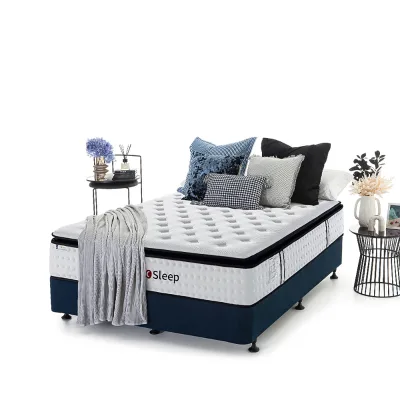
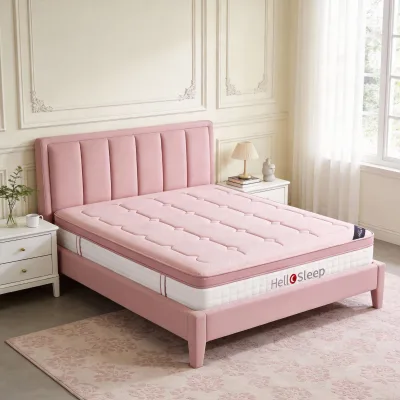
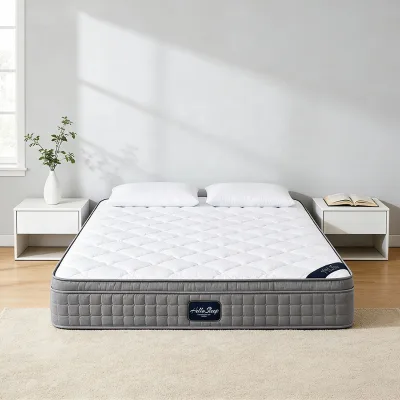
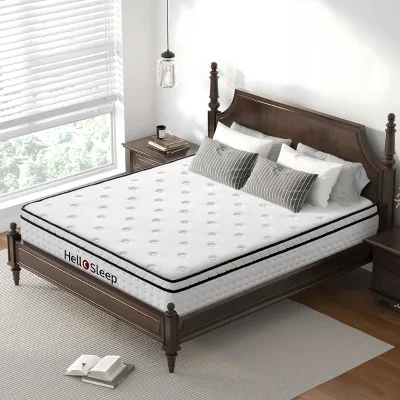
Customisable Hybrid Mattress Latex White for Dormitory Foldable Removable Cover
$81.87 - $101.31
MOQ: 10 pieces


Comprehensive Sourcing Guide
Strategic Sourcing Guide for Memory Foam Latex Hybrid Mattresses
The global B2B market for sleep solutions has seen a significant shift toward hybrid configurations that combine the contouring benefits of memory foam with the responsive support of latex and advanced spring systems. For procurement professionals in the hospitality, residential, and institutional sectors, sourcing a Memory Foam Latex Hybrid Mattress requires a disciplined approach to technical verification and supplier validation. This guide outlines the critical parameters for evaluating products that match the core keyword, focusing on the specific construction elements, material compositions, and logistical realities observed in current market listings. The objective is to provide a framework for making data-driven decisions without relying on unverified marketing claims or speculative data.
Technical Architecture and Material Composition
The defining characteristic of a Memory Foam Latex Hybrid Mattress is its multi-layered construction, which integrates distinct materials to achieve a balance of pressure relief and structural integrity. Based on observed product specifications, the core support system often utilizes pocket springs, which may be configured as standard pocket springs, mini pocket springs, or specialized bread springs. These spring units are frequently encased in high-quality knit fabrics or ice-silk fabrics to provide a breathable and durable surface. The foam layers are equally critical; successful hybrid models typically combine high-density foam, latex foam, and gel memory foam. Some configurations also include convoluted foam to enhance airflow and temperature regulation.
When evaluating a specific unit, buyers must verify the hardness profile, as market listings show a spectrum ranging from soft to hard, with medium hardness being a common standard for general use. The thickness of the mattress is another variable specification, with options available in medium and thick profiles. The combination of these elements determines the final product's performance. For instance, a model utilizing gel memory foam and latex paired with a bread pocket spring system offers a different tactile experience than one using regular foam and hard foam with a standard pocket spring. Procurement teams should request detailed layer diagrams to confirm the presence of the specific foam types required for their target market, ensuring that the "hybrid" designation is backed by actual material composition rather than marketing terminology.
Structural Variations and Customization Options
The market for these mattresses is characterized by a high degree of customization, allowing buyers to tailor products to specific brand identities or functional requirements. Observed data indicates that customization is widely available, particularly regarding the fabric cover, logo application, and overall dimensions. Buyers can often specify the fabric type, such as high-quality knitted fabric or ice-silk fabric, and choose between embroidery or printed logos for branding. The product origin is frequently noted as China, with suppliers offering a wide range of sizes, including standard dimensions like 1.52.0m and 1.82.0m, though all sizes are generally available upon request.
Packaging is a significant logistical consideration for international shipping. Products are commonly shipped in a flat compressed format to optimize container space, or in some cases, compressed within wooden pallets for heavy-duty transport. The lead time for production varies based on the complexity of the order and the deposit terms. Typical delivery windows range from 25 to 40 days after the receipt of a deposit, with some suppliers requiring a 30% deposit to initiate the manufacturing process. Sample availability is another critical factor; while samples can be provided, they are often not free and require a fee, with a turnaround time of 7 to 10 days. Understanding these variables is essential for accurate inventory planning and cash flow management.
Application Scenarios and Target Demographics
The versatility of memory foam latex hybrid mattresses allows them to serve a diverse range of applications across different sectors. The primary usage categories identified in current listings include hotels, homes, and schools. In the hospitality sector, the durability and comfort features of these mattresses are paramount, as they must withstand high-frequency use while maintaining guest satisfaction. The "Euro Pillow Top" style is often highlighted for its premium feel, making it suitable for upscale hotel environments. For residential use, the focus shifts to long-term comfort and support, with the product being explicitly categorized for adults.
The specific application dictates the required hardness and foam density. A school environment might prioritize durability and ease of maintenance, whereas a luxury hotel might demand a softer feel with advanced cooling technologies like ice-silk fabric. The observed product features, such as "Good Heal" (likely referring to heel or edge support) and "Durable" construction, align with the needs of high-traffic commercial settings. Buyers should align their product selection with the specific demands of their end-users, ensuring that the hardness level and material composition match the intended usage scenario. This alignment prevents returns and ensures that the procurement investment delivers value over the product's lifecycle.
Supplier Evaluation and Quality Assurance Protocols
Evaluating a supplier for memory foam latex hybrid mattresses requires a rigorous assessment of their manufacturing capabilities and quality control processes. While specific certifications like GOTS may be mentioned in broader industry contexts, buyers must verify the actual certification status of the specific products they intend to purchase, as this cannot be assumed based on general market knowledge. The warranty period is a strong indicator of supplier confidence; observed listings frequently mention a 10-year guarantee for the support system, which serves as a benchmark for durability expectations.
Quality control should extend beyond the final product inspection to include raw material verification. Buyers should confirm the density of the latex and foam layers, as high-density materials are essential for longevity. The construction method, such as the integration of ice-silk fabric with latex and density foam, must be consistent across all units in a production run. Additionally, the supplier's ability to meet sample requirements within the stated 7-10 day window demonstrates operational efficiency. It is crucial to conduct third-party testing or request detailed test reports to validate performance claims regarding support, edge stability, and material safety. Relying solely on supplier assertions without independent verification introduces significant risk into the procurement process.
Cost Drivers and Procurement Economics
The pricing of memory foam latex hybrid mattresses is influenced by several key factors, including material quality, customization complexity, and order volume. The observed price range in the market spans from 39 to 500 USD, reflecting the vast difference between basic models and premium, highly customized units. The minimum order quantity (MOQ) also varies, with ranges observed from 1 to 100 units, offering flexibility for both small boutique buyers and large institutional purchasers.
Several variables drive the final cost. The type of spring system, such as mini pocket springs versus bread springs, impacts the manufacturing complexity and material cost. Similarly, the inclusion of specialized foams like gel memory foam or high-density latex increases the base price compared to standard regular foam. Customization options, such as specific fabric choices, logo embroidery, and unique dimensions, add to the overall cost. Buyers must balance these cost drivers against their budget constraints and the value proposition for their end customers. Understanding the correlation between material specifications and price is essential for negotiating effectively and ensuring that the selected product offers the best value for money without compromising on quality.
Long-Term Procurement and Lifecycle Management
Sourcing a Memory Foam Latex Hybrid Mattress is not merely a transactional event but a long-term commitment that involves lifecycle management and after-sales support. The 10-year guarantee for the support system observed in the market sets a high standard for product longevity, but buyers must understand the terms and conditions associated with this warranty. This includes coverage for defects, sagging, and structural failures, as well as the process for filing claims.
Sustainability and environmental impact are becoming increasingly important in B2B procurement. While specific environmental certifications may vary, buyers should inquire about the recyclability of materials and the environmental practices of the manufacturing facility. The use of high-quality, durable materials reduces the frequency of replacement, contributing to a more sustainable supply chain. Furthermore, the ability to customize the product allows buyers to adapt to changing market trends and consumer preferences, ensuring that their inventory remains relevant over time. Establishing a strong relationship with a supplier who can provide consistent quality, reliable lead times, and responsive customer service is vital for long-term success in the mattress market.
Comparative Analysis of Product Configurations
To facilitate decision-making, it is helpful to compare different product configurations based on their material composition and intended use. The following table summarizes the variations observed in the market, highlighting the differences in foam types, spring systems, and fabric choices.
| Product Model | Foam Composition | Spring System | Fabric Type | Hardness Profile | Typical Usage |
|---|---|---|---|---|---|
| SL2115 | Regular Foam + Hard Foam | Pocket Spring | High Quality Knit Fabric | Hard | Hotel, Home |
| SL1924 | Ice-Silk Fabric + Latex + Density Foam | Mini Pocket Spring | Ice-Silk Fabric | Medium | Hotel, Home |
| SL1913 | High Density and Latex Foam + Convoluted Foam | Bread Spring | Knitted Fabric | Medium | School, Hotel, Home |
| SL2003 | Gel Memory Foam + Latex | Bread Pocket Spring + Pocket Spring | High Quality Knitted Fabric | Soft | Adults, Home |
| SL1707 | High Density Latex Foam | Spring | Knitted Fabric | Soft | Adults, Home |
| SL1818 | Euro Pillow Top Construction | Spring | Customized Fabric | Custom | Hotel, Home |
This comparison illustrates the diversity available in the market. Buyers can select a model that best fits their specific requirements, whether that be the durability of a hard foam and pocket spring combination or the comfort of a gel memory foam and latex hybrid. By carefully analyzing these configurations, procurement professionals can make informed decisions that align with their strategic goals and customer needs.
In conclusion, sourcing memory foam latex hybrid mattresses requires a comprehensive understanding of technical specifications, material properties, and supplier capabilities. By adhering to a disciplined evaluation process and focusing on verified facts, buyers can mitigate risks and secure high-quality products that meet the demands of the modern sleep market. The key lies in balancing cost, quality, and customization to deliver value to end-users while maintaining a sustainable and efficient supply chain.
FAQs
What foam types are used in these hybrid mattresses?
These mattresses typically combine high-density foam, latex foam, and gel memory foam. Some models also include convoluted foam for airflow. Specific layers vary by product model, such as regular foam plus hard foam or ice-silk fabric with latex.
Can I customize the fabric and logo on the mattress?
Yes, customization is available for fabric types like high-quality knit or ice-silk fabric. Buyers can choose between embroidery or printed logos. Custom dimensions are also offered as all sizes are generally available upon request.
What is the lead time for delivery after deposit?
Delivery typically takes 25 to 40 days after receiving the deposit. Some orders require a 30% deposit to initiate production. Sample orders can be provided within 7 to 10 days after the sample fee is received.
Which spring systems are available for these mattresses?
Available spring systems include pocket springs, mini pocket springs, and bread springs. Some models combine bread pocket springs with standard pocket springs. The specific system depends on the product model selected by the buyer.
What is the warranty period for the support system?
The warranty period is 10 years for the support system. This guarantee covers the structural integrity of the mattress. Buyers should verify specific terms with the supplier to ensure coverage matches their needs.
How are the mattresses packed for international shipping?
Products are commonly shipped in a flat compressed format to optimize container space. Some units are compressed within wooden pallets for heavy-duty transport. This packaging method helps reduce shipping costs and protects the mattress during transit.
What hardness levels are available for these mattresses?
Hardness profiles range from soft to hard, with medium being a common standard. Specific models offer soft, medium, or hard options depending on the foam and spring configuration. Buyers should select based on their target usage scenario.