Source Metal Bathroom Accessories for Kids for Homes, Hotels, and Offices
Explore 30 listings of Metal Bathroom Accessories for Kids, including faucet sets and soap dispensers. Buyers can compare features like material, design, and installation types to find suitable options for homes, hotels, and offices; compare the available evidence and request quotations based on your requirements.
Key considerations
Products List


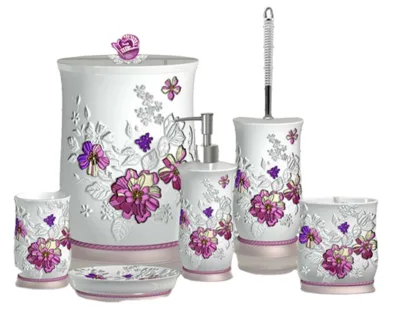
Children Style Polyresin Bathroom Accessories Kids Polyresin Bathroom Set
$2.00 - $10.00
MOQ: 300 Sets


Copper Bathroom Design Brass Wall Mounted Black Gold Bathroom Accessories Set
$59.00 - $95.00
MOQ: 100 pieces




Comprehensive Sourcing Guide
Metal Bathroom Accessories for Kids Sourcing Guide
Sourcing metal bathroom accessories for children requires a careful balance between aesthetic appeal, structural durability, and strict safety compliance. The market offers a diverse range of products, from classic double-handle faucets to whimsical themed sets, often featuring stainless steel or zinc constructions with polished or painted finishes. Buyers must navigate a wide price spectrum, observing listings that range from under one dollar to over one hundred fifty dollars, which reflects significant variations in material quality, branding, and packaging complexity. Understanding these market signals is the first step in defining a procurement strategy that aligns with specific retail or hospitality needs.
The procurement landscape is further defined by flexible customization options and varied minimum order quantities (MOQs) that typically span from single units to thousands. Many suppliers offer design services, allowing for customized logos and specific thematic elements, such as "Lucky Baby" or "Toy Car" series, which are crucial for targeting young demographics. However, the presence of mixed product attributes in listings, such as polyresin soap dispensers alongside metal faucets, necessitates rigorous verification to ensure that the core metal components meet the intended durability and safety standards for pediatric use.
Product Scope and Observed Listing Signals
The observed product catalog reveals a broad scope of bathroom items, including deck-mounted faucets, table-top soap dispensers, and complete bathroom sets. Key attributes indicate a strong emphasis on visual customization, with options for colorful, hand-painted, or polished stainless steel surfaces. Models such as A189 and WBP1172A suggest a mix of functional hardware and decorative accessories, while the "Classic" style and "Double Handle" designs point towards traditional aesthetics that may appeal to parents seeking timeless looks for children’s bathrooms. These signals help buyers categorize products into functional hardware versus decorative accessories for targeted sourcing.
Listing details also highlight specific installation requirements and usage contexts, such as stemmed basins or home and hotel applications. The presence of "Non-Disposable" items and "Unisex" designations indicates a focus on long-term utility and broad market appeal. Buyers should note that while some products are described as "Colorful" or featuring "Color Painting," others may rely on the natural finish of stainless steel or zinc. This variation requires clear communication with suppliers to ensure that the visual and material specifications match the brand’s identity and the end-user’s expectations for safety and longevity.
Technical Specifications to Verify
Technical verification must begin with material composition, as listings mention stainless steel, zinc, and polyresin. For metal components, buyers should request detailed alloy specifications to ensure corrosion resistance and structural integrity, particularly for faucets and handles that undergo frequent use. The "Double Hole" structure and "Deck Mounted" installation type for faucets require precise dimensional verification to ensure compatibility with standard basin configurations. Additionally, the "Polished" or "Painted" surface treatments must be evaluated for adhesion and durability, ensuring that finishes do not chip or peel, which could pose safety risks to children.
Automation and functional design are also critical technical aspects. While some items like soap dispensers are explicitly "Non Automation" and "Manual," buyers must verify the mechanical reliability of these components. The "One Head" style and "Hand Painting" techniques suggest a focus on artisanal quality, but this must be balanced against mass-production consistency. Buyers should request samples to test the smoothness of faucet operation, the seal integrity of dispensers, and the stability of free-standing items. Verifying these technical details ensures that the products perform reliably in high-traffic environments like hotels or busy family homes.
Compliance and Safety Documentation
Safety is paramount when sourcing products for children, making compliance documentation a non-negotiable aspect of the procurement process. Buyers must verify that all metal components, especially those in direct contact with water, meet relevant health and safety standards. While some listings mention FDA and LFGB standards, these typically apply to food-contact materials; buyers must confirm if these certifications extend to bathroom fixtures or if separate plumbing-specific certifications are required. The absence of explicit certification data for all products necessitates proactive requests for test reports from accredited laboratories to ensure the absence of harmful substances like lead or nickel leaching.
Furthermore, structural safety must be assessed through physical testing and documentation. Products intended for children’s bathrooms should undergo stability tests to prevent tipping, particularly for free-standing items like soap dispensers. Buyers should inquire about impact resistance and edge rounding to prevent injury. Although OEKO-TEX is mentioned in background data, it is primarily a textile standard; buyers should not assume it applies to metal or plastic bathroom accessories. Instead, focus on verifying that all materials, including paints and coatings, are non-toxic and compliant with international toy safety standards if the products are marketed specifically for young children.
Cost Drivers and Commercial Terms
Cost structures in this category are influenced by material choice, surface finishing, and customization levels. Stainless steel and zinc are common base materials, but the complexity of surface treatments, such as hand painting or color coating, can significantly increase production costs. Buyers should analyze the price range of 0.57 to 150.18 USD to understand the value proposition of different tiers. Lower-priced items may offer basic functionality with minimal customization, while higher-priced options likely include premium finishes, branded packaging, and more intricate designs. Understanding these drivers helps in budgeting and negotiating effectively with suppliers.
Commercial terms, including MOQs and packaging, also impact the total cost of ownership. MOQs ranging from 1 to 5000 units allow for flexibility, enabling buyers to start with small test orders or scale up for large projects. Packaging options, such as carton or poly bag with brown/white boxes, affect shipping efficiency and product protection. Buyers should consider the cost implications of customized packaging and logos, which may incur additional setup fees. Clear agreement on payment terms, lead times, and shipping responsibilities is essential to avoid hidden costs and ensure timely delivery, especially for time-sensitive retail seasons or hotel renovations.
Supplier Qualification and Quality Control
Supplier qualification requires a thorough assessment of manufacturing capabilities and quality management systems. Buyers should verify the supplier’s experience in producing bathroom accessories for children, focusing on their ability to maintain consistent quality across large production runs. Requesting references from previous clients in the home or hotel sector can provide insights into the supplier’s reliability and customer service. Additionally, assessing the supplier’s facility for cleanliness and organization can indicate their commitment to quality control, which is crucial for preventing defects in metal finishing and assembly.
Quality control processes should be explicitly defined in the purchase agreement. Buyers should implement pre-production sample approvals and in-line inspections to catch defects early. For metal products, checking for surface imperfections, proper plating, and secure assembly is essential. Post-production random sampling based on acceptable quality limits (AQL) ensures that the final shipment meets the agreed-upon standards. Establishing a clear protocol for handling defective goods, including returns or replacements, protects the buyer from financial loss and maintains brand reputation. Regular communication with the supplier during production can also help address any emerging issues promptly.
Long-Term Procurement Checks
Long-term procurement success depends on continuous monitoring of product performance and supplier reliability. Buyers should establish a feedback loop with end-users, such as hotel guests or retail customers, to gather insights on product durability and user experience. Monitoring return rates and warranty claims can highlight potential quality issues that need to be addressed with the supplier. Regular audits of the supplier’s quality control processes and compliance documentation ensure that standards are maintained over time, especially as product lines evolve or new regulations are introduced.
Sustainability and supply chain resilience are also critical long-term considerations. Buyers should evaluate the supplier’s environmental practices, such as waste management and energy efficiency, which are increasingly important to consumers and regulators. Diversifying the supplier base can mitigate risks associated with single-source dependencies, ensuring continuity of supply in case of disruptions. Finally, staying informed about market trends and technological advancements in bathroom accessories allows buyers to proactively update their product offerings, maintaining competitiveness and meeting the evolving needs of the children’s bathroom market.
FAQs
What materials are used for Metal Bathroom Accessories for Kids?
Products are primarily crafted from stainless steel and zinc alloys to ensure durability and safety. Some sets also incorporate polyresin for decorative elements like toy car designs. These materials provide a sturdy foundation for bathroom fixtures while allowing for colorful, child-friendly finishes that resist corrosion and daily wear in home or hotel environments.
Can these accessories be customized for specific branding needs?
Yes, customization is available for logos and design elements on many items. Buyers can request specific branding on bathroom sets or soap dispensers. This service allows hotels and retailers to align products with their unique identity. Customization options extend to packaging and specific model selections, ensuring the final product meets distinct commercial or personal requirements effectively.
Which certifications ensure the safety of these bathroom products?
Products typically carry CE certification for compliance with European standards. Additionally, materials may adhere to FDA and LFGB standards, ensuring they are safe for contact with food or personal care items. These certifications verify that the stainless steel, zinc, and polyresin components meet rigorous safety and quality benchmarks for use in residential and commercial bathrooms.
What installation options are available for these bathroom fixtures?
Installation methods include deck-mounted setups for basins and table-top free-standing arrangements for accessories like soap dispensers. The double-hole structure supports specific faucet configurations, while standalone items require no drilling. These versatile options allow for flexible integration into existing bathroom layouts, catering to both classic design preferences and modern functional requirements for kids' spaces.
How are these products packaged for international shipping?
Packaging varies by item, with some products shipped in cartons and others in poly bags combined with brown or white boxes. This approach protects delicate finishes like polished stainless steel or hand-painted polyresin during transit. The packaging is designed to prevent damage while maintaining a professional presentation, ensuring products arrive in pristine condition for retail or hotel deployment.
What styles are offered for children's bathroom accessories?
Styles include classic designs and themed series such as Lucky Baby and Toy Car collections. Options range from colorful, hand-painted polyresin dispensers to polished stainless steel fixtures. These diverse aesthetics cater to different decor preferences, allowing buyers to select items that match specific interior themes while maintaining the functional durability required for high-traffic bathroom environments in homes or hotels.