Source Metal Bead Connectors for Bracelet making and repair
Compare 30 Metal Bead Connectors for Bracelet applications including jewelry making, formal occasions, and children's accessories. Options feature customizable sizes, brushed or polished crafts, and various clasp types with MOQs starting from 1 piece.
Key considerations
Products List


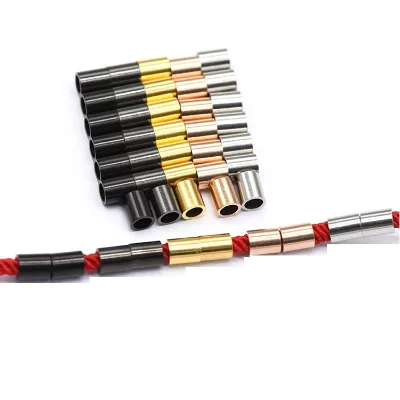
Jewelry Finding Spacer Beads Stopper Lock Bead for 3.2mm Snake Chain Bracelet
$1.00 - $2.50
MOQ: 100 Pieces

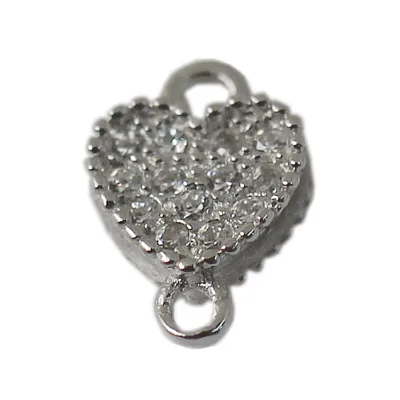
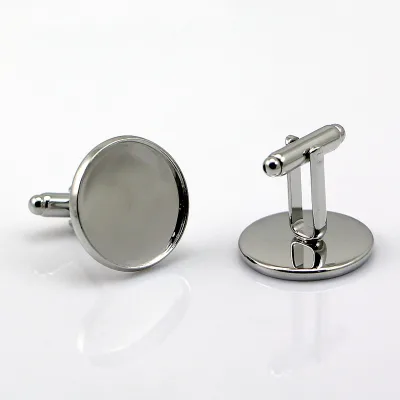
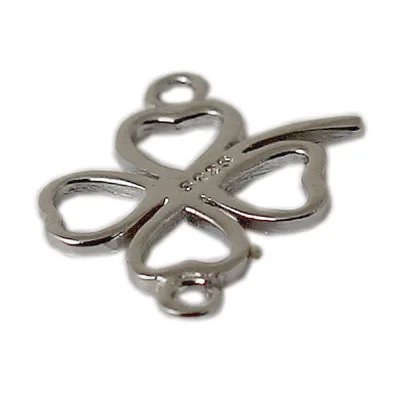
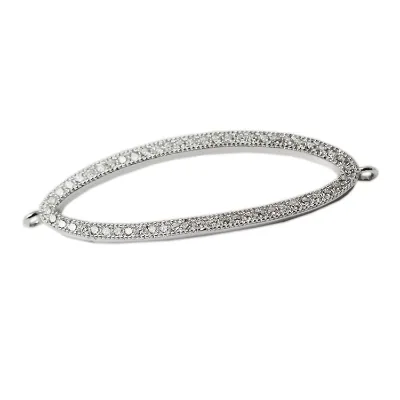
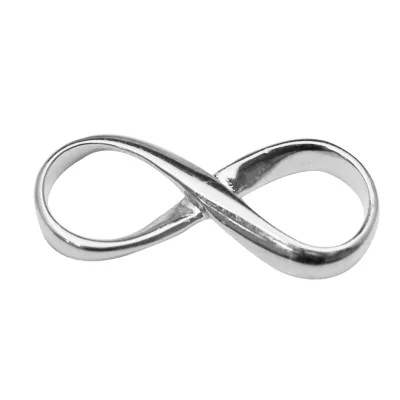
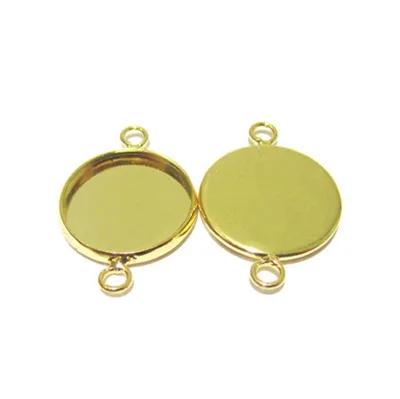
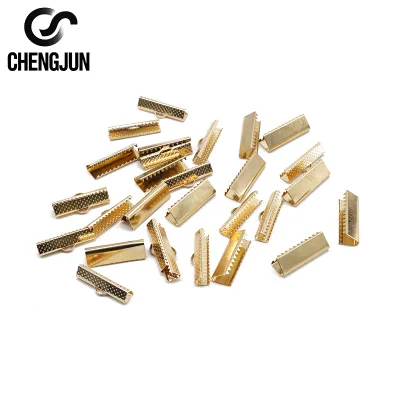
Beadsnice Connector Set Bracelet Link Connectar Jewelry Making Raw Material ID8949
$0.11 - $0.15
MOQ: 1000 pieces
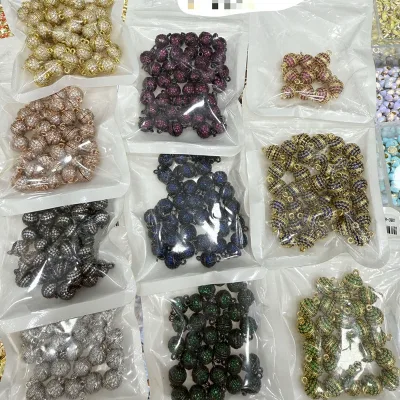

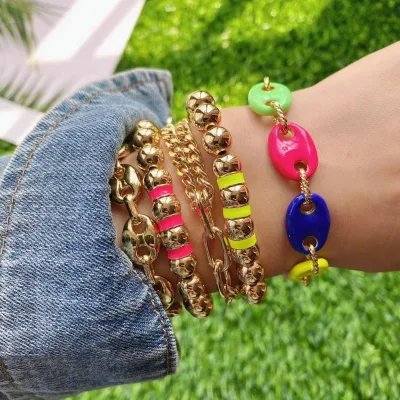
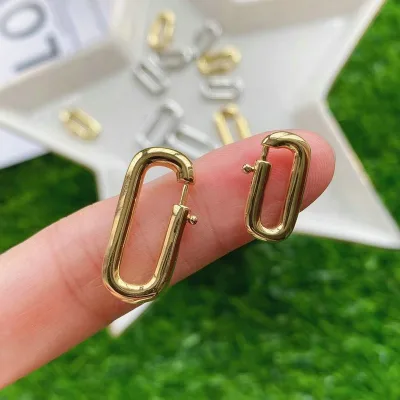
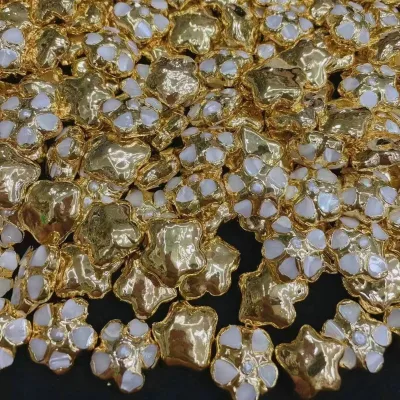
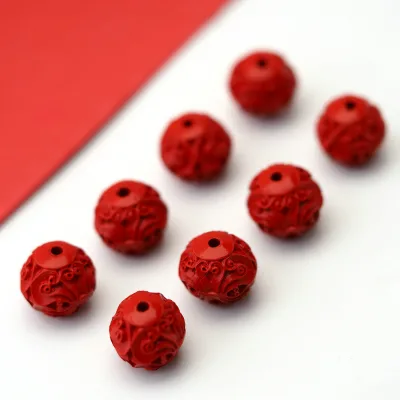


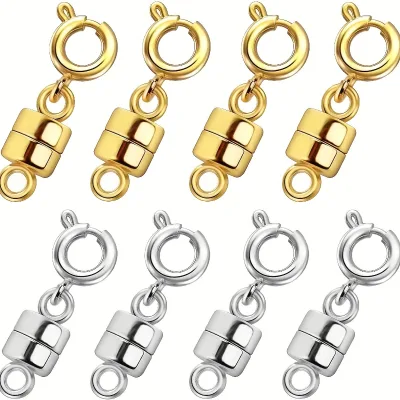


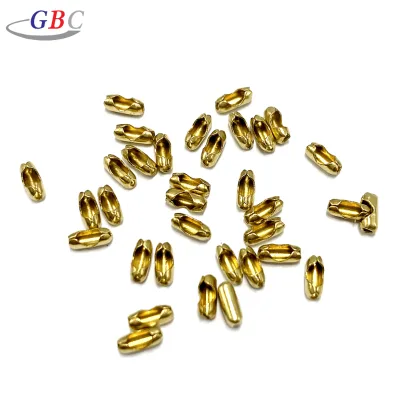
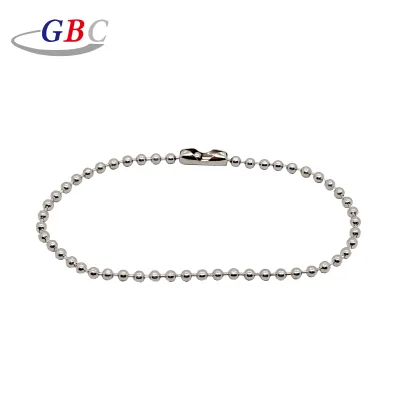
High Quality Metal Brass Beaded Chain Connector for Jewelry and Garment Accessories
$0.01 - $0.02
MOQ: 10000 pieces
Comprehensive Sourcing Guide
Strategic Sourcing Guide for Metal Bead Connectors for Bracelets
Understanding Product Categories and Technical Specifications
When sourcing metal bead connectors for bracelets, buyers must first navigate the diverse landscape of component types available in the global market. The supply chain offers a variety of distinct product forms, ranging from functional clasps to decorative spacer beads and stopper locks. A critical observation in the current market is the variation in product definitions; some listings explicitly categorize items as "Beads" while others define them as "Clasps" or "Bracelets" components. This semantic distinction often reflects the primary function of the item within the final jewelry assembly. For instance, specific models are identified by unique identifiers such as HS-F12, HS-C18, HS-C41, and HS-F33, each corresponding to different dimensional profiles and usage scenarios.
Technical specifications are the cornerstone of successful procurement in this sector. The physical dimensions of these connectors vary significantly depending on the intended design. Some components are manufactured with precise rectangular or cubic profiles, such as those measuring 10106mm, while others are designed as spherical or round elements with diameters ranging from 6.0mm to larger custom sizes. The bead hole diameter is another critical parameter, with standard ranges observed between 4.5mm and 5.0mm, though customization is frequently available to accommodate different cord or chain thicknesses. Buyers should also note the existence of size variations like 29mm up to 6.211.5mm, or specific length options such as 15mm, 24mm, and 32mm. These dimensional variances dictate the compatibility of the connector with specific bracelet designs, making it essential to verify the exact size requirements before placing an order.
The material composition and surface finish are equally vital for ensuring the longevity and aesthetic appeal of the final product. Stainless steel is a prevalent material choice, offering durability and resistance to corrosion. The manufacturing process often involves a combination of polishing and sanding techniques to achieve a smooth surface, followed by vacuum electroplating to enhance the visual finish. Surface treatments can include brushed, polished, or crumpled textures, providing a range of stylistic options from sleek modern looks to textured vintage appearances. The color palette is typically dominated by silver tones, which serve as a versatile base for various jewelry styles.
Compliance, Certification, and Material Safety Standards
In the realm of jewelry components, compliance and safety are non-negotiable, particularly when the end product is intended for wear by specific demographics, including children. Buyers must rigorously evaluate the certification status of potential suppliers to ensure that the metal bead connectors meet international safety standards. The market data indicates that certain suppliers provide certifications from recognized bodies such as SGS and BV. These certifications are crucial for verifying that the materials used do not contain harmful levels of heavy metals or allergens that could cause skin irritation.
A key attribute observed in high-quality listings is the assurance of "No Discoloration, No Irritation, No Deformation." These claims, while common in product descriptions, require validation through third-party testing reports. For products marketed as suitable for children, the verification of hypoallergenic properties becomes even more critical. The absence of nickel or other common allergens is often a prerequisite for compliance with regulations in major markets like the European Union and North America. Buyers should request specific test reports that confirm the absence of lead, cadmium, and other restricted substances.
Furthermore, the standardization of packaging and labeling is part of the compliance framework. Products are often packed in OPP bags or boxes, with bulk quantities organized in polybags and cartons. The standard packaging dimensions, such as 13x8x9 cm or 5x6x7 cm, suggest a level of logistical planning that can impact shipping costs and storage efficiency. However, buyers must verify that the packaging materials themselves do not introduce contamination risks, especially for products intended for formal occasions or gift-giving. The presence of OEM and ODM capabilities also implies that suppliers are equipped to handle custom branding and labeling requirements, which is essential for maintaining compliance with local labeling laws.
Cost Drivers and Pricing Dynamics
The pricing structure for metal bead connectors is influenced by a complex interplay of factors, including material costs, manufacturing complexity, order volume, and customization requirements. The observed price range in the market spans from $0.01 to $23.98, a wide disparity that reflects the diversity of product types and quality levels. Low-cost items are typically standard components with minimal finishing, while higher-priced items often feature intricate designs, superior plating, or custom branding.
Order volume is a primary driver of unit cost. Minimum Order Quantities (MOQs) vary significantly across suppliers, ranging from as low as 1 piece to as high as 10,000 pieces. An MOQ of 100 pieces is common for standard items, allowing small businesses to test the market with minimal capital outlay. Conversely, larger orders often benefit from economies of scale, reducing the per-unit cost. However, buyers must be cautious of suppliers who set excessively high MOQs without offering proportional price reductions.
Customization is another significant cost factor. Options such as laser engraving, sunken engraving, or custom sizes can increase the unit price due to the additional labor and setup time required. The availability of free samples and fast delivery within one day suggests that some suppliers have streamlined their production processes, potentially offering competitive pricing for urgent orders. However, buyers should verify if these "fast delivery" claims apply to custom orders or only to stock items. Additionally, the weight of the product, ranging from 0.01 kg to 0.04 kg per unit, influences shipping costs, which can be a hidden expense in the total cost of ownership.
Typical Applications and Design Integration
Metal bead connectors serve a multitude of functions in jewelry design, ranging from structural support to aesthetic enhancement. The primary application is in the construction of bracelets, where these components act as clasps, spacers, or stoppers. Their versatility allows them to be used in various styles, from trendy fashion findings to formal occasion accessories. The "Star Fashion" style mentioned in some listings indicates a trend towards unique, eye-catching designs that can elevate a simple bracelet into a statement piece.
For jewelry makers, the ability to customize the connector is a significant advantage. The option to choose from different sizes, such as 2mm to 10mm, allows designers to create pieces that cater to specific wrist sizes or design aesthetics. The "Brushed/Polished/Crumpled" finishes provide a range of textures that can be matched to different chain types or gemstone settings. Furthermore, the inclusion of logos through laser or engraving techniques enables brands to add a personal touch, enhancing the perceived value of the jewelry.
The suitability of these connectors for children's jewelry is a specific niche that requires careful selection. Products labeled as suitable for children must not only be safe but also durable enough to withstand active wear. The "No Deformation" attribute is particularly relevant here, ensuring that the connectors maintain their shape and function over time. For formal occasions, the "Silver" color and high-quality polishing ensure a sophisticated look that complements elegant attire. The usage of these components extends beyond mere decoration; they are functional elements that contribute to the health and safety of the wearer by preventing skin irritation and ensuring secure closure.
Supplier Evaluation and Sourcing Strategy
Evaluating suppliers for metal bead connectors requires a systematic approach that goes beyond price comparison. Buyers should prioritize suppliers who demonstrate transparency in their production processes and provide clear documentation of their certifications. The location of the supplier, often in regions like Guangdong or Guangzhou in China, is a common factor, but the specific capabilities of the factory should be the primary focus. Suppliers offering OEM and ODM services are generally more flexible and better equipped to handle custom orders, which is essential for buyers looking to differentiate their products.
The availability of free samples is a strong indicator of a supplier's confidence in their product quality. It allows buyers to physically inspect the connectors for finish, weight, and functionality before committing to a larger order. Fast delivery options, such as within one day, can be advantageous for urgent restocking needs, but buyers should verify the reliability of these claims. The packaging standards, including the use of OPP bags and specific carton sizes, also reflect the supplier's attention to detail and logistics capabilities.
When comparing suppliers, buyers should create a matrix that includes factors such as MOQ, price range, certification status, and customization options. A table comparing these factors can help visualize the trade-offs between different suppliers. For example, a supplier with a low MOQ but high unit price might be suitable for a startup, while a supplier with a high MOQ and low unit price might be better for an established brand with consistent demand. The ability to provide a "No Discoloration, No Irritation, No Deformation" guarantee is a key differentiator that should be weighted heavily in the evaluation process.
Quality Control and Long-Term Procurement Considerations
Maintaining consistent quality is paramount in the jewelry industry, where even minor defects can lead to customer dissatisfaction and returns. Buyers should implement a robust quality control (QC) protocol that includes pre-production sampling, in-process inspections, and final random checks. The use of certified materials and adherence to standards like SGS and BV provide a baseline for quality, but ongoing verification is necessary to ensure consistency across batches.
Long-term procurement considerations involve building a sustainable relationship with suppliers who can scale with the buyer's growth. This includes the ability to handle increased order volumes without compromising quality or delivery times. The availability of customization options ensures that the supply chain remains flexible enough to adapt to changing design trends. Buyers should also consider the environmental impact of their sourcing decisions, looking for suppliers who employ eco-friendly packaging and manufacturing practices.
The lead time and delivery reliability are critical factors in supply chain management. While some suppliers offer fast delivery within one day, buyers should plan for potential delays, especially for custom orders. Establishing clear communication channels and setting realistic expectations regarding production timelines can help mitigate risks. Finally, buyers should regularly review their supplier performance against key metrics such as defect rates, on-time delivery, and responsiveness to issues. This continuous improvement process ensures that the sourcing strategy remains effective and aligned with the buyer's business goals.
Comparative Analysis of Key Product Attributes
To facilitate informed decision-making, the following table summarizes the key attributes observed in the market for metal bead connectors for bracelets. This comparison highlights the diversity of options available and assists buyers in identifying the most suitable products for their specific needs.
| Attribute | Observation Range / Specific Values | Relevance to Buyer |
|---|---|---|
| Product Type | Bead, Clasp, Bracelet Component | Determines functional role in assembly |
| Material | Stainless Steel | Ensures durability and hypoallergenic properties |
| Size Options | 2mm to 10mm, 15/24/32mm, Custom | Matches design requirements and cord thickness |
| Bead Hole | 4.5-5.0mm (Customizable) | Critical for threading compatibility |
| Surface Finish | Brushed, Polished, Crumpled, Vacuum Electroplated | Affects aesthetic appeal and texture |
| Certification | SGS, BV | Validates safety and material compliance |
| MOQ | 1 to 10,000 PCS | Influences initial capital investment |
| Packaging | OPP Bag, Box, Polybag, Carton | Impacts storage and shipping logistics |
| Customization | Logo, Size, Color, Shape | Enables brand differentiation and unique designs |
| Origin | Guangdong, Guangzhou, China | Indicates manufacturing hub and potential lead times |
This structured overview underscores the importance of aligning product specifications with business requirements. By carefully evaluating these attributes, buyers can make strategic sourcing decisions that balance cost, quality, and flexibility.
FAQs
What customization options are available for metal bead connectors?
Customization is available for metal bead connectors, including laser engraving or sunken engraving logos. Buyers can also request custom sizes and hole diameters ranging from 4.5mm to 5.0mm to fit specific design needs.
Which certifications ensure safety for children wearing these connectors?
Suppliers provide certifications from SGS and BV to verify material safety. These standards help ensure the stainless steel components are free from harmful substances, making them suitable for children and preventing skin irritation.
How does the minimum order quantity vary for these products?
The minimum order quantity ranges from 1 piece to 10,000 pieces depending on the supplier. Standard items often have an MOQ of 100 pieces, while custom orders may require a higher volume of 1,000 pieces.
Can I get free samples with fast delivery for testing?
Yes, free samples are available with fast delivery within one day for many listings. This allows buyers to inspect the brushed, polished, or crumpled finishes before committing to a larger bulk order.
What materials and finishes are used for these bracelet components?
Stainless steel is the primary material, often treated with polishing, sanding, and vacuum electroplating. Finishes include brushed, polished, or crumpled textures, typically in silver color to match various jewelry styles.
Which dimensions are standard for these metal bead connectors?
Standard sizes include 10*10*6mm, 6.0mm, and custom ranges from 2mm to 10mm. Specific models offer dimensions like 15/24/32mm or 2*9mm up to 6.2*11.5mm for diverse bracelet design requirements.
How are these connectors packaged for bulk shipping?
Products are packed in OPP bags or boxes, with 100 pieces per big polybag. Bulk shipments are organized in cartons containing 300 pieces, with standard carton dimensions like 13x8x9 cm or 5x6x7 cm.