Source Metal Applicator Cream Lotion Tube for Cosmetics
Find 30 Metal Applicator Cream Lotion Tube options for cosmetics, toothpaste, and hand care. Compare customization, materials like PE and aluminum-plastic, and certifications including ISO and CE to select the right packaging for your brand; compare the available evidence and request quotations based on your requirements.
Key considerations
Products List


Face Cream Lotion Essential Oil Packaging Tube with Special Applicator
$0.55 - $0.57
MOQ: 10000 Pieces


Cosmetic Tube 200ml Sunscreen Cream Body Lotion Tube Plastic Packaging Tube
$0.20 - $0.50
MOQ: 10000 Pieces


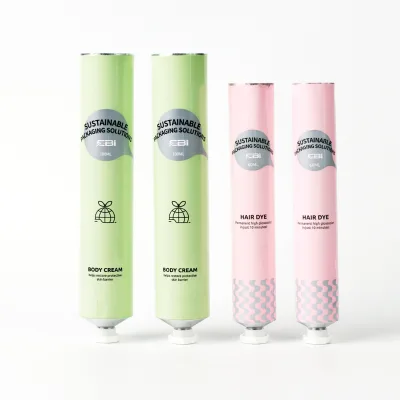


Durable 100ml PE Round 5-Ball Applicator Lotion Cream Essence Cosmetic Packagingg Tube
$0.01 - $1.00
MOQ: 10000 Pieces


Comprehensive Sourcing Guide
Metal Applicator Cream Lotion Tube Sourcing Guide
Procurement teams must first distinguish between the specific metal applicator variants and the broader plastic tube market, as the supplied data reveals a mix of materials including plastic, PE, and aluminum-plastic composites. While the core keyword emphasizes metal applicators, the observed listings frequently describe products as plastic tubes with screen printing or hot stamping, indicating that the metal component is often a separate applicator tip rather than the tube body itself. Buyers should verify whether the "Metal Applicator" refers to a stainless steel or aluminum wand inserted into a plastic or laminated tube, as this distinction dictates the manufacturing process and material compatibility.
The observed product attributes highlight a strong focus on customization, with options for logos, colors, and sizes ranging from 15ml to 60ml capacities. However, the data also lists specific models like "GFPT-E03" and "AM16061702" alongside generic terms like "eye cream" and "hand cream," suggesting that suppliers may use model numbers to denote specific applicator configurations rather than just tube dimensions. Sourcing strategies must account for this variability by requesting detailed technical drawings that explicitly define the applicator material and its integration method with the tube body to ensure the final product meets the intended cosmetic application requirements.
Product Scope and Observed Listing Signals
The market signals indicate a diverse range of tube types, including round tubes, hoses, and thermosetting plastic pipes, which may not all feature the metal applicator mechanism implied by the core keyword. Buyers must carefully filter listings that specify "Hollow" or "Hardness: Hoses" to ensure they are not inadvertently sourcing standard squeeze tubes that lack the precision dispensing mechanism of a metal applicator system. The presence of "disposable" features in some listings further complicates the scope, as high-end metal applicators are typically designed for repeated use rather than single-use applications, requiring a clear definition of the product lifecycle during the inquiry phase.
Surface treatment options such as screen printing, offset printing, and hot stamping are widely available, but the compatibility of these processes with the specific tube material is a critical verification point. The data shows that aluminum-plastic materials are used alongside pure plastic and PE, which affects how inks and adhesives bond to the surface. Procurement teams should request sample proofs for the chosen printing method to confirm that the metal applicator does not interfere with the printing area or the structural integrity of the tube closure, ensuring the aesthetic and functional requirements are met simultaneously.
Technical Specifications to Verify
Dimensional consistency is paramount, as the observed standards list specific measurements like 22mm, 25mm, 35mm, and 58cm39cm54cm for packaging, which likely refer to tube diameters or carton dimensions rather than the applicator itself. Buyers must explicitly request the diameter and length of the metal applicator wand, as well as the internal thread specifications for the screw cap, to ensure compatibility with the tube neck. The listed "Customized" size attribute suggests flexibility, but without precise engineering drawings, there is a risk of mismatched components that could lead to leakage or improper dispensing of the cosmetic product.
Material composition requires rigorous validation, particularly given the mix of PE, plastic, and aluminum-plastic materials in the data. The "Type: Thermosetting Plastic Pipe" designation indicates a specific polymer structure that may differ from standard thermoplastic tubes, affecting the tube's ability to withstand the pressure of the metal applicator during use. Suppliers should provide material safety data sheets (MSDS) and chemical resistance reports to confirm that the tube material will not degrade when in contact with the specific cosmetic formulation, such as creams or lotions, which often contain oils or solvents that can compromise weaker plastic layers.
Compliance and Safety Documentation
Regulatory compliance is a primary concern, with the observed data listing ISO, CE, FSC, and SGS certifications as common attributes. While these certifications are present in the listings, buyers must verify that the specific metal applicator component and the tube material individually meet the relevant safety standards for cosmetic packaging in their target markets. The presence of "ISO" and "SGS" suggests a baseline of quality management, but these do not automatically guarantee that the metal alloy used for the applicator is free from heavy metals or that the plastic complies with food-grade or cosmetic-grade migration limits.
Documentation for the metal applicator should include specific migration test results and biocompatibility reports, as the applicator comes into direct contact with the product and potentially the user's skin. The "FSC" certification mentioned in the data likely pertains to paper packaging components rather than the plastic or metal tube, so buyers should not assume it covers the primary packaging materials. Procurement teams must request a Certificate of Analysis (CoA) for the metal applicator to confirm it is made from surgical-grade stainless steel or a non-corrosive alloy that will not leach harmful substances into the cream or lotion over the product's shelf life.
Cost Drivers and Commercial Terms
Pricing dynamics are influenced by the level of customization required, with the observed MOQ range spanning from 2,000 to 50,000 pieces, significantly impacting the unit cost structure. The high MOQ of 50,000 PCS for certain models suggests that economies of scale are necessary to offset the tooling costs for custom applicator molds and tube dies. Buyers with lower volume needs should be prepared for higher per-unit costs or may need to negotiate with suppliers who offer stock applicator sizes that can be adapted to custom tube dimensions without requiring new mold creation.
Lead times and payment terms are critical commercial factors, with the data indicating a standard lead time of 20-30 days and payment terms of T/T. These timelines can extend if the supplier needs to source specific metal alloys or if the customization involves complex printing processes like hot stamping. Procurement teams should factor in the time required for sample approval and potential rework cycles, as the integration of a metal applicator into a plastic tube adds a layer of assembly complexity that can delay production if quality checks are not performed at every stage.
Supplier Qualification and Quality Control
Supplier qualification should focus on their ability to manage the assembly of two distinct components: the metal applicator and the cosmetic tube. The data shows suppliers in Guangzhou, China, offering various packing methods like "Poly Bag with Carton" or "Inner Tray+PE Bag +Carton," which indicates experience in handling delicate components. Buyers must verify that the supplier has a dedicated assembly line for fitting the metal wand into the tube, as this step often requires precision to ensure the applicator is seated correctly and does not protrude unevenly or damage the tube seal.
Quality control protocols must include rigorous testing of the applicator's mechanical strength and the tube's seal integrity under pressure. The "Hoses" and "Round" shape attributes suggest that the tubes must withstand squeezing forces without bursting, while the metal applicator must resist bending or breaking during normal use. Suppliers should provide a quality control plan that details how they test the fit and finish of the metal applicator, including checks for burrs or sharp edges that could compromise the user experience or damage the cosmetic product inside the tube.
Long-Term Procurement Checks
Sustainability and material longevity are becoming increasingly important, with the observed "recyclable" feature offering a potential competitive advantage for eco-conscious brands. However, the combination of metal and plastic components can complicate recycling processes, as the two materials often need to be separated before processing. Buyers should inquire about the supplier's recycling programs or the availability of mono-material tubes that can be paired with a metal applicator, ensuring that the final product aligns with corporate sustainability goals and regulatory trends regarding single-use plastics.
Supply chain resilience requires monitoring the stability of the metal applicator supply, as geopolitical factors or raw material shortages can impact the availability of specific alloys. The "Standard Exporting Package" and "Carton with Inner PE Bag" suggest robust packaging, but buyers should assess the supplier's contingency plans for material sourcing to prevent production delays. Establishing a long-term partnership with a supplier who can guarantee consistent quality and material availability is essential for maintaining brand reputation and ensuring that the metal applicator cream tubes remain a reliable part of the product portfolio.
FAQs
What materials are used for metal applicator cream lotion tubes?
These tubes are primarily constructed from plastic, PE, or aluminum-plastic composites. The specific material choice depends on the desired flexibility and barrier properties for the cosmetic product. Aluminum-plastic options offer superior protection against light and air, ensuring the stability of sensitive formulations like eye creams and sunscreens during storage and transport.
Can I customize the logo and printing on these tubes?
Yes, customization is available for both logos and surface printing. Buyers can choose from hot stamping, offset printing, or screen printing techniques to achieve their desired brand aesthetic. The logo design can be fully customized to match specific marketing requirements, allowing for unique visual identity integration on the final cosmetic packaging product.
What is the typical lead time for production?
The standard lead time for production is typically 20 to 30 days. This duration allows for material sourcing, manufacturing, and quality control processes to be completed efficiently. Buyers should plan their inventory accordingly to ensure timely delivery, especially when ordering custom designs or specific sizes that may require additional setup time on the production line.
What certifications do these cosmetic tubes hold?
These products commonly hold ISO, CE, and SGS certifications. These credentials verify that the manufacturing processes and materials meet international quality and safety standards. Such certifications are crucial for cosmetic brands seeking to ensure regulatory compliance and consumer trust, particularly when exporting to markets with strict packaging material regulations and quality assurance requirements.
What are the standard packaging methods for these tubes?
Standard packaging typically involves inner PE bags or trays combined with outer cartons. Some suppliers use poly bags with cartons, while others employ standard exporting packages for bulk shipments. This multi-layer approach ensures the tubes remain protected from damage, dust, and moisture during transit, maintaining product integrity until they reach the final distribution centers or retail locations.
What is the minimum order quantity for these tubes?
The minimum order quantity generally ranges from 2,000 to 50,000 pieces, depending on the supplier and specific product configuration. Higher MOQs often apply to customized designs or specific material types like aluminum-plastic. Buyers should confirm the exact MOQ with their chosen supplier, as bulk orders may benefit from more favorable pricing tiers and production scheduling.