Source Metal Pneumatic Air Control Valves for Pneumatic Tools
Source Metal Pneumatic Air Control Valves from 30 verified listings. Compare specifications for high-pressure gas cylinders, sleeve-type fittings, and ISV-SS models. Evaluate materials like brass, aluminum, and steel for pharmaceutical, petroleum, and electronic applications; compare the available evidence and request quotations based on your requirements.
Updated
Key considerations
Products List





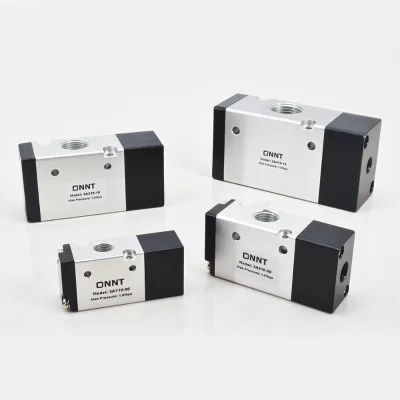
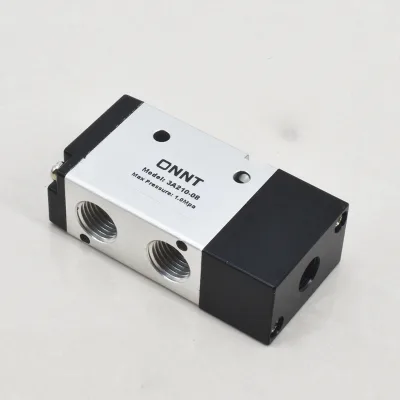
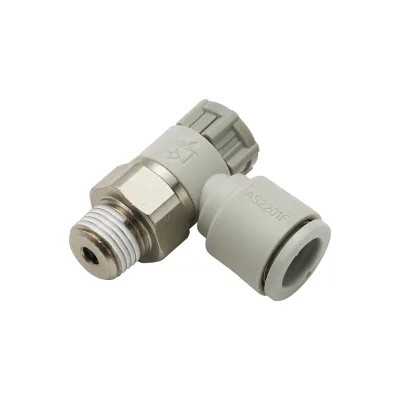
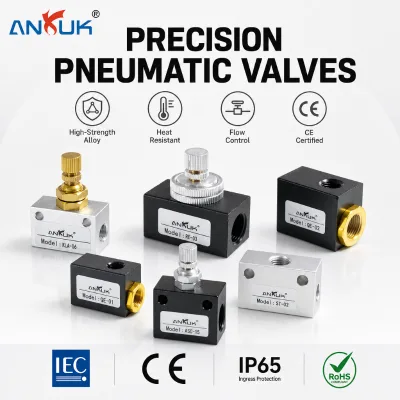
Comprehensive Sourcing Guide
Metal Pneumatic Air Control Valves Sourcing Guide
Metal Pneumatic Air Control Valves are critical components for managing compressed air flow in diverse industrial environments, ranging from pharmaceutical manufacturing to new energy sectors. Procurement teams must distinguish between valves designed for permanent gas cylinders and those intended for general air lines, as the material composition and pressure ratings vary significantly. The observed market includes units constructed from steel, brass, and aluminum, each offering distinct advantages regarding corrosion resistance and weight. Buyers should carefully evaluate the specific application field, such as electronic or chemical processing, to ensure the selected valve material aligns with the operational environment and fluid compatibility requirements.
When evaluating listings, buyers must scrutinize the stated working pressure and filling medium type to prevent catastrophic failures in high-pressure systems. The available data indicates a wide range of working pressures, from medium pressure applications to high-pressure gas cylinders rated at 200 bar nominal working pressure with 300 bar test pressure. It is essential to verify whether the product is a new unit or a customized solution, as the manufacturing method, such as punching and stretching, directly impacts the structural integrity of the cylinder or valve body. Understanding these distinctions ensures that the procurement strategy targets the correct hardware for the intended pneumatic system.
Product Scope and Observed Listing Signals
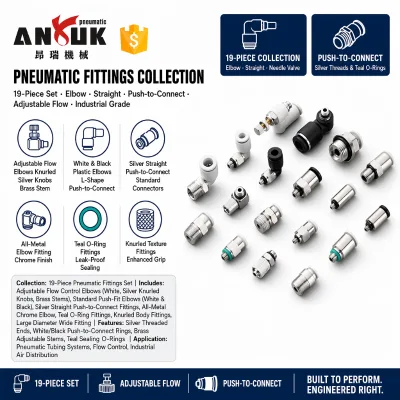
The current market for Metal Pneumatic Air Control Valves presents a diverse array of models, including the CFL-30/0.8 and various QK series units, each tailored for specific tube and fluid applications. Listings frequently highlight compatibility with polyurethane and nylon tubes, indicating their suitability for air compressors, air drills, and impact wrenches. Buyers should note that while some products are non-customized standard items, others offer customization options to meet unique operational needs. The observed price range spans from 0.18 to 1440 USD, reflecting the vast difference between small fittings and large-scale gas storage cylinders, necessitating a clear definition of scope before initiating contact with suppliers.
Procurement signals also reveal variations in packaging and origin, with many products originating from Ningbo, China, and others from general Chinese manufacturing hubs. Packaging standards vary from simple inner boxes to complex palletized systems, which influences logistics planning and storage requirements. The presence of specific model numbers like ISV-SS and ISCT suggests a need for precise identification when sourcing replacement parts or expanding existing systems. Buyers must cross-reference these model identifiers with their existing machinery specifications to ensure seamless integration, as the physical dimensions and connection modes, such as external or internal threads, are critical for compatibility.
Technical Specifications to Verify
Technical verification begins with confirming the working temperature range and pressure ratings, as these parameters dictate the valve's operational limits. The observed data specifies a working temperature range of -20 to 70°C for certain models, while others are rated for ordinary or normal temperatures. It is imperative to validate that the valve can withstand the specific thermal conditions of the application, particularly in environments where temperature fluctuations are common. Additionally, the distinction between medium pressure and high-pressure gas cylinders must be clearly established, as using a valve rated for lower pressures in a high-pressure system can lead to immediate failure and safety hazards.
Material composition and connection modes are equally critical technical factors that require rigorous verification. The market offers valves made from brass, aluminum, and steel, often combined with carbon fiber or HDPE for enhanced durability. Buyers must confirm the connection mode, whether external or internal thread, to ensure it matches the existing piping infrastructure. Furthermore, the manufacturing method, such as punching and stretching, affects the longevity and reliability of the component. Verifying these specifications against the actual system requirements prevents mismatches that could compromise the efficiency and safety of the pneumatic control system.
Compliance and Safety Documentation
Compliance documentation is a non-negotiable aspect of sourcing Metal Pneumatic Air Control Valves, particularly for applications in medical, pharmaceutical, and chemical industries. The observed listings frequently cite certifications such as ISO, CE, RoHS, and CCC, which serve as indicators of adherence to international safety and quality standards. Buyers must request and verify these certificates to ensure the products meet the regulatory requirements of their specific region and industry. The presence of ISO 9001:2015, 14001:2015, and 45001:2018 certifications suggests a supplier's commitment to quality management, environmental responsibility, and occupational health and safety, which are vital for maintaining operational continuity.
Safety documentation must also include detailed test results and pressure ratings to validate the structural integrity of the valves. The observed hyd. test pressure of 300 bar for a nominal working pressure of 200 bar provides a baseline for safety margins, but buyers should confirm that these tests were conducted according to recognized standards. It is essential to ensure that the product documentation explicitly states the pressure limits and test procedures used. Without this verification, there is a risk of procuring components that may not withstand the operational stresses of the intended application, potentially leading to leaks, ruptures, or other safety incidents in the facility.
Cost Drivers and Commercial Terms
Cost drivers for Metal Pneumatic Air Control Valves are heavily influenced by material selection, customization levels, and manufacturing complexity. Products made from specialized materials like 30CrMo combined with carbon fiber or those requiring custom manufacturing methods typically command higher prices than standard brass or aluminum units. The observed MOQ range of 1 to 50 units indicates flexibility for small-scale buyers, but larger orders may benefit from volume discounts. Buyers should analyze the total cost of ownership, including the potential savings from durable materials that reduce replacement frequency, rather than focusing solely on the initial unit price.
Commercial terms regarding packaging and lead times also play a significant role in the overall procurement cost. The variety of packaging options, from inner boxes to palletized shipments, affects shipping costs and handling efficiency. Buyers must clarify whether the quoted price includes packaging and if the supplier can accommodate specific packing requirements to minimize damage during transit. Additionally, understanding the lead time and production capacity is crucial for planning inventory levels. While specific lead times are not provided in the observed data, buyers should negotiate clear delivery schedules to avoid production delays, especially when sourcing customized components that require additional manufacturing time.
Supplier Qualification and Quality Control
Supplier qualification requires a thorough assessment of their manufacturing capabilities and quality control processes. The observed data indicates that many suppliers are based in China, with specific mentions of Ningbo as a manufacturing hub. Buyers should verify the supplier's ability to produce valves using methods like punching and stretching and their capacity to handle custom orders. It is essential to confirm that the supplier has a robust quality management system in place, evidenced by their ISO certifications and adherence to international standards. This due diligence ensures that the supplier can consistently deliver products that meet the required technical and safety specifications.
Quality control measures must be integrated into the procurement process to mitigate the risk of receiving defective components. Buyers should request sample units for testing before placing large orders, focusing on verifying the material composition, pressure ratings, and connection modes. The presence of certifications like ISO 9001:2015 is a positive indicator, but it should be complemented by on-site audits or third-party inspections to validate the supplier's actual production practices. Establishing a clear quality agreement that outlines acceptance criteria and rejection protocols is vital for maintaining the integrity of the pneumatic system and ensuring long-term reliability.
Long-Term Procurement Checks
Long-term procurement success depends on establishing a reliable supply chain that can adapt to changing operational needs and market conditions. Buyers should prioritize suppliers who demonstrate flexibility in customization and have a track record of meeting delivery schedules consistently. The ability to source replacement parts and maintain inventory levels is crucial for minimizing downtime in critical applications such as air compressors and grinding machinery. Regular reviews of supplier performance, including quality metrics and responsiveness, help identify potential issues before they escalate into significant disruptions.
Continuous monitoring of product performance and market trends is essential for optimizing the procurement strategy. Buyers should stay informed about advancements in valve technology and material science that could offer improved efficiency or durability. Regularly updating the list of approved suppliers and re-evaluating their certifications ensures that the procurement process remains aligned with current safety and quality standards. By maintaining a proactive approach to supplier management and product verification, organizations can secure a stable supply of high-quality Metal Pneumatic Air Control Valves that support their long-term operational goals.
FAQs
What certifications are available for Metal Pneumatic Air Control Valves?
Available certifications include UR, RoHS, ISO, CE, and CCC. These standards ensure compliance with international safety and quality requirements. Buyers can verify specific documentation based on their regional regulations. The valves also meet ISO 9001:2015, 14001:2015, and 45001:2018 standards for quality management.
Can Metal Pneumatic Air Control Valves be customized for specific applications?
Yes, customization is available for many models. Buyers can request specific configurations for pharmaceutical, petroleum, or new energy sectors. The valves support various connection modes like external or internal threads. Customization allows adaptation to unique pneumatic system requirements and specific industrial environments.
What materials are used in manufacturing these pneumatic valves?
Common materials include steel, brass, and aluminum. Some high-pressure models use 30CrMo combined with carbon fiber or HDPE. Brass and aluminum variants offer durability for ordinary temperature applications. Steel construction is typical for high-pressure gas cylinder storage purposes, ensuring robust performance in demanding industrial settings.
What is the working pressure range for these pneumatic valves?
The nominal working pressure is typically 200, with a hyd. test pressure of 300. These valves are designed for high-pressure gas cylinder applications. They handle medium pressure scenarios effectively. The robust construction ensures safety and reliability during operation in pneumatic systems requiring stable pressure control.
Where are these Metal Pneumatic Air Control Valves manufactured?
These valves are manufactured in China, with specific origins noted in Ningbo. Production facilities adhere to strict quality standards. The location supports efficient logistics and supply chain management. Buyers can expect consistent quality and timely delivery from these established manufacturing hubs in the region.
What is the minimum order quantity for these pneumatic valves?
The minimum order quantity ranges from 1 to 50 units. This flexibility accommodates both small-scale testing and larger industrial procurement needs. Buyers can order single units for evaluation or bulk quantities for production. The MOQ structure supports diverse purchasing requirements across different market segments.