Source Metric Key Locking Thread Insert for Machinery, Rocket, Shipping
Find 30 Metric Key Locking Thread Insert options from verified Chinese suppliers. Compare stainless steel models with ISO certifications, various sizes, and delivery times to match your machinery, rocket, or shipping needs.
Key considerations
Products List


Corrosion-Resistant Durable M2 Key Locking Thread Insert for Enhancement
$0.18 - $0.20
MOQ: 100 Pieces


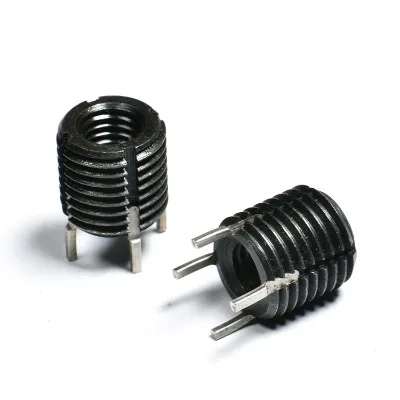


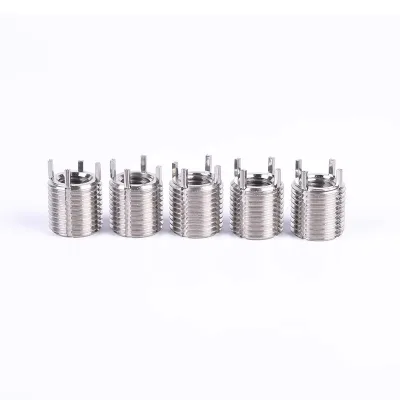


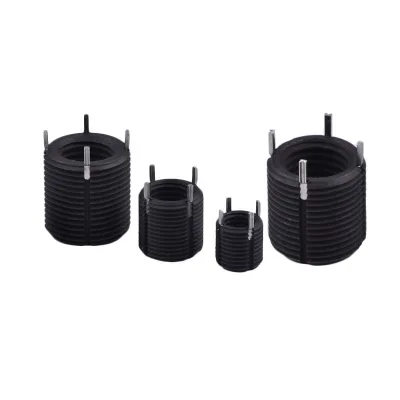
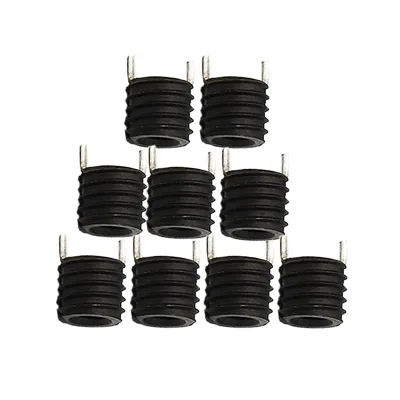
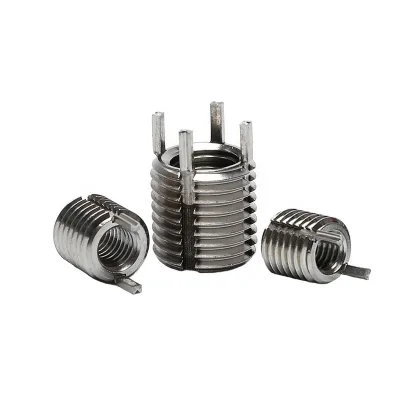
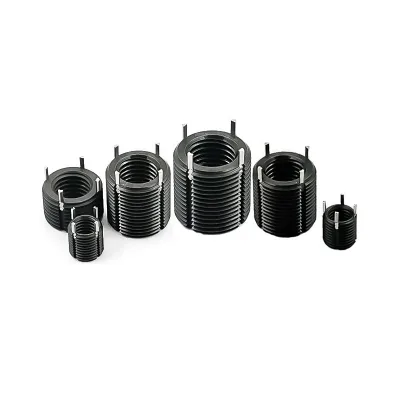
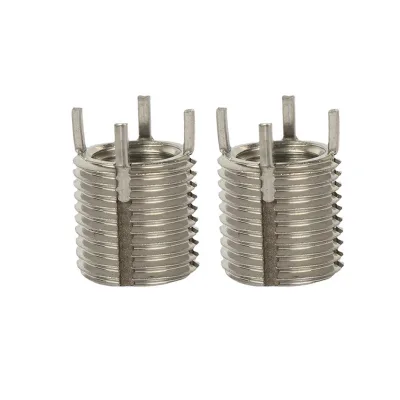

Key Locking Thread Insert with 304 Stainless Steel Insert Heavy Duty Type
$0.42 - $0.45
MOQ: 1000 Pieces


Comprehensive Sourcing Guide
Metric Key Locking Thread Insert Sourcing Guide
Procuring metric key locking thread inserts requires a disciplined approach to verifying technical compatibility, material integrity, and supplier reliability. These components are critical for creating high-strength, vibration-resistant threads in softer base materials, making them essential for applications ranging from general machinery to aerospace and chemical processing. Buyers must navigate a market where specifications vary significantly, ensuring that the selected inserts meet precise dimensional and performance standards for their specific assembly lines.
This guide provides evidence-based procurement strategies for sourcing metric key locking thread inserts. It focuses on interpreting product listings, verifying technical specifications, ensuring compliance, and managing commercial terms. By adhering to these guidelines, procurement professionals can mitigate risks associated with thread failure, supply chain delays, and quality inconsistencies, ultimately securing components that enhance the durability and safety of their final products.
Product Scope and Observed Listing Signals
The market for metric key locking thread inserts displays a wide range of product attributes, with observed price points ranging from $0.01 to $10 per unit and minimum order quantities (MOQs) varying from 1 to 2,000 pieces. These variations often reflect differences in material grade, surface treatment, and packaging standards. Buyers should recognize that lower price points may correspond to basic carbon steel options or standard packaging, while higher prices might indicate stainless steel variants, specialized surface finishes like nickel plating, or custom packaging solutions.
Observed listings frequently highlight customization availability, with suppliers offering both standard and custom-sized inserts. Common models identified in the market include L5010, L5030, and EA-series variants such as EA-M4, EA-M6, and EA-M25. These model numbers often correlate with specific metric sizes, ranging from M2 to M12, and sometimes extend to larger sizes like M25. Buyers should carefully cross-reference these model numbers with their engineering drawings to ensure exact fit, as generic listings may not always align with precise application requirements.
Technical Specifications to Verify
Dimensional accuracy is paramount when selecting metric key locking thread inserts, as even minor deviations can compromise thread engagement and load-bearing capacity. Buyers must verify that the inserts conform to recognized standards such as DIN 8140, DIN 65536, EN 2944, LN 9039, LN 9490, ISO, JIS, and ANSI. The standard metric sizes typically range from M2 to M12, with some suppliers offering broader ranges including M3, M4, M5, and M6. It is crucial to confirm whether the inserts are designed for metric or unified (inch) threads, as mixing these can lead to assembly failures.
Material selection significantly impacts the performance and longevity of thread inserts in various environments. Common materials observed include stainless steel (specifically 304 grade), carbon steel, aluminum, and general steel. For applications involving moisture, chemicals, or high stress, stainless steel offers superior corrosion resistance and durability. Surface treatments such as nickel plating, polishing, or colorful finishes may be applied to enhance corrosion resistance or provide visual identification. Buyers should specify the required material and finish based on the operating environment to prevent premature failure due to rust or wear.
Compliance and Safety Documentation
Certification is a key indicator of a supplier’s commitment to quality management and product consistency. Many suppliers provide ISO certification, with some specifically citing ISO 9001:2015, which demonstrates adherence to international quality management standards. Additionally, RoHS compliance is often mentioned, indicating that the products are free from certain hazardous substances, which is critical for electronic and environmental applications. Buyers should request valid certification documents to verify that the supplier’s quality management system is actively maintained and not merely claimed.
Quality control processes should be explicitly defined and agreed upon before placing orders. Suppliers may state that they follow drawing specifications for quality control, ensuring that each batch meets the exact dimensional and material requirements provided by the buyer. It is advisable to request sample inspections or third-party testing reports for critical applications. Buyers should also verify the warranty terms, which may range from six months to longer periods, as this reflects the supplier’s confidence in the product’s durability and performance under normal operating conditions.
Cost Drivers and Commercial Terms
Several factors influence the total cost of ownership for metric key locking thread inserts, including material costs, surface treatment complexity, and packaging requirements. Stainless steel inserts are generally more expensive than carbon steel due to higher raw material costs. Surface treatments like nickel plating or specialized polishing add to the manufacturing cost. Packaging options, such as PE bags, plastic bags, or carton cases, also vary in cost and impact the overall price, especially for large volume orders. Buyers should evaluate these factors to understand the cost structure and negotiate effectively.
Delivery terms and lead times are critical components of the commercial agreement. Observed delivery times range from within 3 to 7 working days for standard items, but this can vary based on order volume and customization requirements. Shipping methods include express couriers like DHL, UPS, TNT, FedEx, and EMS, as well as ocean and air freight for larger shipments. Buyers should clarify the delivery terms, including who bears the shipping costs and insurance, and ensure that the lead times align with their production schedules to avoid delays.
Supplier Qualification and Quality Control
Supplier location and origin can provide insights into the manufacturing capabilities and supply chain efficiency. Many suppliers are located in Guangdong and Shenzhen, China, regions known for their robust manufacturing infrastructure and expertise in fastener production. Some suppliers may also be based in Jiangsu, China. Buyers should verify the supplier’s physical address and manufacturing facilities to ensure they have the capacity to meet their volume requirements. Additionally, checking the supplier’s brand name, such as Wuxi Hanjie, can help in assessing their market reputation and reliability.
Quality assurance extends beyond initial certification to include ongoing monitoring and feedback mechanisms. Buyers should establish clear communication channels for reporting defects or discrepancies. Suppliers may offer sample availability, which allows buyers to test the inserts in their actual application before committing to large orders. It is also important to verify the supplier’s ability to handle custom orders, as some listings indicate non-customized products while others offer customized solutions. Ensuring that the supplier can meet specific quality control requirements, such as following drawing specifications, is essential for maintaining product consistency.
Long-Term Procurement Checks
Building a sustainable supply chain for metric key locking thread inserts requires regular evaluation of supplier performance and product quality. Buyers should conduct periodic audits or reviews of the supplier’s quality management system and production processes. This includes verifying that the certifications remain valid and that the supplier continues to adhere to the agreed-upon standards. Monitoring the consistency of product quality over time helps identify any potential issues early, allowing for corrective actions before they impact production.
Long-term relationships with reliable suppliers can lead to better pricing, priority service, and improved collaboration on product development. Buyers should maintain open communication with their suppliers to discuss any changes in requirements or market conditions. Additionally, staying informed about industry trends and new technologies in thread insert manufacturing can help buyers make informed decisions about upgrading their components. By proactively managing their supplier relationships and quality control processes, buyers can ensure a steady supply of high-quality metric key locking thread inserts for their operations.
FAQs
What certifications do metric key locking thread inserts have?
These inserts typically hold ISO and RoHS certifications. Some products also carry ISO9001:2015 certification. Buyers should verify specific certificates against their project requirements before ordering.
Which materials are used for metric key locking thread inserts?
Manufacturers use stainless steel, carbon steel, aluminum, and steel for these inserts. Specific grades like stainless steel 304 are common. Material selection depends on the intended application environment.
Can I get custom metric key locking thread inserts?
Customization is available for many Metric Key Locking Thread Insert products. Some items are non-customized standard sizes. Buyers must specify their needs to confirm if a custom order is possible.
How long is the delivery time for metric key locking thread inserts?
Delivery usually occurs within 3-7 working days for standard orders. Shipping methods include DHL, UPS, TNT, FedEx, EMS, ocean, and air freight. Lead times may vary based on order volume and destination.
What standards apply to metric key locking thread inserts?
Products often comply with DIN 8140, DIN65536, EN2944, and ISO JIS ANSI standards. Sizes range from M2 to M12 or include Unified standards. Buyers should check specific model numbers for exact standard compliance.
Where are metric key locking thread inserts manufactured?
These products originate from locations like Guangdong, Shenzhen, and Jiangsu in China. Specific origins depend on the manufacturer and model. Buyers can request origin details during the sourcing process.
What is the warranty period for metric key locking thread inserts?
A warranty of 6 months is commonly offered for these inserts. Quality control follows drawing specifications to ensure durability. Buyers should confirm warranty terms with the specific supplier before purchase.