Source Metric Hex Expansion Anchors for Stone, Masonry, and Concrete
Find 30 Metric Hex Expansion Anchor options for building industry applications. Compare specifications including M6-M24 sizes, 4.8-8.8 grades, and galvanized finishes from Chinese suppliers to identify suitable fasteners for masonry and concrete anchoring projects; compare the available evidence and request quotations based on your requirements.
Key considerations
Products List


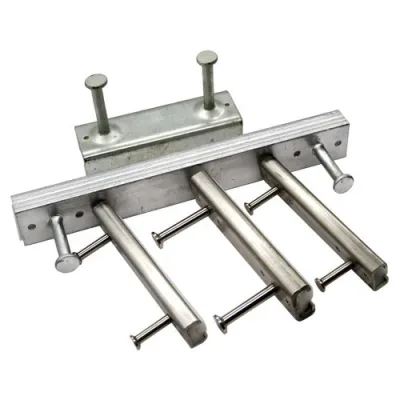

Expansion Sleeve Anchor Carbon Steel Galvanized Expansion Wedge Anchor
$0.02 - $0.03
MOQ: 10000 Pieces
Comprehensive Sourcing Guide
Metric Hex Expansion Anchor Sourcing Guide
Procuring metric hex expansion anchors requires a clear understanding of the specific mechanical properties and installation environments where these fasteners perform best. Buyers must distinguish between general-purpose carbon steel variants and specialized low-carbon steel options designed for high-vibration or corrosive masonry applications. The observed market data indicates a strong prevalence of products adhering to DIN, GB, and ANSI standards, which dictates the dimensional tolerances and thread profiles available in the global supply chain.
Sourcing decisions should prioritize the verification of head types and connection methods, as the market presents both hexagon and round head configurations with varying connection mechanisms like welding or common bolt interfaces. It is critical to align the selected anchor grade, such as 4.8, 6.8, or 8.8, with the structural load requirements of the specific project. Misalignment between the anchor grade and the substrate strength can lead to premature failure, making precise specification verification the first step in any procurement workflow.
Product Scope and Observed Listing Signals
The current market listings for metric hex expansion anchors reveal a diverse range of product attributes, including diameter sizes from M6 to M24 and specialized 12mm strong variants designed for heavy-duty stone and concrete applications. Buyers will encounter products with varying surface treatments, ranging from bright uncoated finishes to yellow zinc plating and hot-dip galvanized options, each offering distinct corrosion resistance profiles suitable for different environmental conditions.
Listing signals also highlight significant variability in packaging and minimum order quantities, with some suppliers offering small box or carton packaging while others require bulk pallet shipments. The observed MOQ ranges from single units to substantial tonnage, reflecting the difference between sample procurement and large-scale industrial supply contracts. Procurement teams must carefully evaluate these listing signals to ensure the supplier can meet the specific volume and packaging requirements of the project without incurring unnecessary logistical costs.
Technical Specifications to Verify
Technical verification must begin with the confirmation of the system of measurement, ensuring that all components strictly adhere to metric standards rather than imperial equivalents. The diameter specifications, particularly the 12mm strong GB variant and the broader M6-M24 range, must be cross-referenced against the substrate material, which includes stone, masonry, concrete, and brick. Incorrect diameter selection can compromise the holding power and safety factor of the installation, making precise dimensional checks essential before finalizing any order.
Buyers must also scrutinize the material composition and grade ratings, as the supply chain offers both low carbon steel and general carbon steel options with grades ranging from 4.8 to 8.8. The head type, whether hexagon or round, and the connection method, such as welding or common bolt interfaces, must match the design intent of the assembly. Verifying these technical parameters against the project blueprints ensures that the installed anchors will perform reliably under the expected mechanical loads and environmental stresses.
Compliance and Safety Documentation
Compliance verification is paramount when sourcing expansion anchors for building industry applications, as these components often support critical structural loads. Buyers should request documentation confirming adherence to recognized international standards such as DIN, JIS, BSW, and ANSI, which govern the dimensional and mechanical properties of the fasteners. The presence of ISO9001 certification for the manufacturing facility serves as a baseline indicator of a supplier's commitment to consistent quality management systems and process control.
Safety documentation must also address the specific finish and surface treatment requirements to ensure long-term durability in the intended environment. Whether the application requires a bright uncoated finish, color-zinc plating, or hot-dip galvanized protection, the supplier must provide evidence that the treatment meets the specified corrosion resistance standards. Failure to verify these compliance documents can result in the deployment of substandard anchors that may degrade prematurely, posing significant safety risks to the structure and its occupants.
Cost Drivers and Commercial Terms
Cost drivers for metric hex expansion anchors are heavily influenced by the raw material grade, surface treatment complexity, and the volume of the order. The observed price range of 0.01 to 15 USD per unit suggests that factors such as the specific diameter, the choice of zinc plating versus hot-dip galvanization, and the packaging method significantly impact the final unit cost. Buyers should analyze how the selection of a higher grade, such as 8.8 compared to 4.8, or a more robust surface treatment, affects the overall budget and total cost of ownership.
Commercial terms, including delivery times and minimum order quantities, play a crucial role in the financial planning of the procurement project. The market data indicates delivery times ranging from 15 to 30 days, with some suppliers offering expedited 15-day terms, while MOQs vary from small carton quantities to large tonnage requirements. Understanding these terms allows buyers to balance inventory costs against production schedules, ensuring that the supply chain remains agile enough to meet project deadlines without overstocking.
Supplier Qualification and Quality Control
Supplier qualification should focus on the origin of the product and the consistency of their manufacturing processes, with Hebei, China, emerging as a significant production hub for these fasteners. Buyers must verify that the supplier maintains a stable production capacity capable of meeting the required delivery timelines and that their quality control protocols align with international standards. The availability of samples is a critical factor in this evaluation, allowing procurement teams to physically inspect the product for finish quality, dimensional accuracy, and material integrity before committing to a larger order.
Quality control procedures must extend beyond the initial sample inspection to include ongoing verification of the product condition and packaging standards. The market offers various packaging options, from simple cartons to brown boxes with pallets, and the supplier must demonstrate the ability to maintain product integrity during transit. Ensuring that the supplier can consistently deliver new condition products with the correct surface treatments and grades is essential for maintaining the reliability of the supply chain and the safety of the final installation.
Long-Term Procurement Checks
Long-term procurement strategies require regular audits of supplier performance to ensure that the quality and delivery consistency remain stable over time. Buyers should establish a schedule for periodic re-verification of the product standards, such as checking that the M6-M24 or M5-M24 size ranges continue to meet the specified DIN or GB requirements. This proactive approach helps identify any drift in manufacturing quality or changes in material composition that could compromise the performance of the anchors in the field.
It is also vital to monitor the evolution of market standards and certifications to ensure continued compliance with evolving safety regulations. As the building industry adopts new codes, the procurement team must verify that the suppliers can adapt their product lines to meet these new requirements without disrupting the supply chain. Maintaining a robust relationship with qualified suppliers who demonstrate a commitment to continuous improvement and compliance ensures the long-term reliability and safety of the structural connections.
FAQs
What standards do your metric hex expansion anchors comply with?
Listed products commonly follow GB, DIN, ANSI, BSW, and JIS standards, with sizes from M6 to M24 and diameters such as 12mm. Confirm the exact standard and dimension you need before ordering, since each product page may cover only a subset of these standards. Sample availability allows you to verify fit and threading before committing to a bulk order.
Can I order a small trial quantity before bulk purchasing?
Yes, samples are available for evaluation. Typical MOQ is 1 ton for bulk orders, though some listings accept 20 cartons minimum. Discuss trial quantities with the supplier, as sample quantities are usually shipped separately from production orders. Always confirm packaging, such as carton plus pallet or small box plus carton plus pallet, when planning your first shipment.
How long does production and delivery take?
Delivery time is typically 15 to 30 days depending on order size and finishing requirements, and some listings quote a 15-day delivery term. Larger volumes, hot-dip galvanized finishes, or custom packaging can extend the schedule. Confirm the exact lead time in writing before placing an order, especially if your project requires anchors to arrive by a fixed installation date.
Which surface finishes are available for concrete anchoring applications?
Available finishes include bright uncoated, color-zinc plated, yellow zinc, and hot-dip galvanized. For concrete, masonry, brick, and stone anchoring, a zinc-plated or hot-dip galvanized finish is generally chosen to resist corrosion during handling and service. Yellow zinc is a common choice for visible installations. Specify the finish clearly, as it affects lead time and unit price.
What material grades are offered for these expansion anchors?
Listings cover low carbon steel and carbon steel with grades 4.8, 6.8, and 8.8. Grade 4.8 suits lighter duty loads, while 6.8 and 8.8 provide higher strength for demanding concrete anchoring. Check the grade marked on your specification or drawing, because tensile requirements differ between building industry applications and lighter household or industrial usage.
Can the anchors be customized for my project requirements?
Yes, customization is available. You can request specific sizes within M6 to M24 or M6 to M36 ranges, preferred standards, surface treatment, and packaging options such as brown box plus pallet or small box plus carton plus pallet. Provide drawings or detailed specifications when requesting a quote, and expect sample confirmation before mass production begins on customized anchor designs.
What packaging options are used for export shipments?
Common packing formats include carton plus pallet, small box plus carton plus pallet, brown box plus pallet, and plain cartons. Palletized packing protects galvanized and zinc-plated anchors during container transport and simplifies warehouse handling. Confirm carton dimensions, box counts, and pallet loading details with your supplier, as these affect freight costs and receiving efficiency at your site.
Are these anchors certified for quality management?
Listed products carry ISO9001 certification, indicating the supplier operates a documented quality management system covering production and inspection. Certification alone does not guarantee every batch meets your requirements, so request material certificates and inspection reports for your specific grade, whether 4.8, 6.8, or 8.8. Verify dimensions against the quoted standard such as DIN or GB before shipment.