Source Metric Pointer Type Torque Wrench for Auto, Construction, Industry
Compare 30 Metric Pointer Type Torque Wrench options from verified suppliers. Buyers can evaluate specifications like torque accuracy, material, and customization to find the right tool for automotive, construction, and industrial applications; compare the available evidence and request quotations based on your requirements.
Key considerations
Products List


Comprehensive Sourcing Guide
Metric Pointer Type Torque Wrench Sourcing Guide
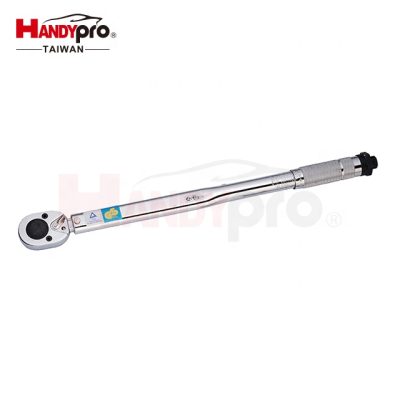
Procuring metric pointer type torque wrenches requires a disciplined approach to verifying mechanical accuracy and material integrity. Buyers must distinguish between standard manual tools and specialized hydraulic or automatic variants that may appear in the same search results. The core product category typically involves carbon steel construction with chrome surface treatments, designed for high-torque applications in metallurgy, construction, and petroleum sectors. Understanding these distinctions prevents misalignment between operational needs and supplier offerings, ensuring that the selected tool meets the specific torque accuracy and durability requirements of your maintenance or assembly workflows.
Verification of the pointer mechanism is critical, as this component provides the visual torque reading essential for precision fastening. Sourcing guides indicate that models often feature universal fitment and are available in various sizes, including metric and American types. Buyers should confirm whether the tool is manual or automatic, as this dictates the operational workflow and training requirements. Additionally, checking for customization options such as OEM branding or specific handle colors can help integrate the tool into existing fleet management systems, while ensuring the warranty terms cover the pointer mechanism’s longevity under repeated stress cycles.
Product Scope and Observed Listing Signals
The observed market signals reveal a diverse range of product attributes that buyers must navigate carefully. Listings frequently cite origins in Taiwan and mainland China, with supply abilities varying significantly from small batch capabilities to larger monthly outputs. Packaging details often include blow cases with heat shrink film or wooden boxes, indicating the need for robust protection during transit. Buyers should note that while some products are labeled as "ordinary" features, others highlight anti-explosion properties, which is a crucial differentiator for hazardous environments. This variation underscores the importance of scrutinizing the specific model number and material composition to ensure compatibility with your existing tool inventory.
Price ranges and minimum order quantities (MOQs) exhibit wide variance, reflecting the heterogeneity of the supplier base. Observed data suggests prices can range from nominal values to substantial sums, depending on the complexity and certification level of the wrench. MOQs may start as low as one unit for sampling or rise to two thousand sets for bulk industrial procurement. Buyers must align their order volume with the supplier’s stated supply ability, which can be as low as one hundred pieces per month for specialized items. Understanding these commercial signals helps in negotiating favorable terms and avoiding supply chain bottlenecks during peak production periods.
Technical Specifications to Verify
Technical verification begins with confirming the material composition and surface treatment of the torque wrench. Carbon steel is a common material, often treated with chrome plating to enhance corrosion resistance and durability. Buyers should verify the specific model numbers, such as HD0044 or VT series, to ensure they match the required torque range and size specifications. The working mode, whether manual or automatic, directly impacts the tool’s usability and precision. Additionally, the presence of a pointer mechanism must be confirmed, as this is the primary feature for reading applied torque values accurately during fastening operations.
Accuracy and application fields are paramount when selecting a Metric Pointer Type Torque Wrench. Some listings specify a torque accuracy of three percent, which is a critical metric for quality control in sensitive assemblies. Buyers must also verify the application field, such as petroleum, construction, or chemical industries, to ensure the tool is rated for the environmental conditions it will face. The standard type, whether metric or American, must align with your bolt specifications. Confirming these technical details prevents costly errors in fastening and ensures the tool performs reliably under the expected load conditions.
Compliance and Safety Documentation
Compliance with international standards is essential for ensuring the reliability and safety of torque wrenches. While specific certification statuses may vary, buyers should request documentation confirming adherence to recognized standards such as ISO 6789 for hand torque tools. This standard ensures that the tool’s accuracy is maintained throughout its service life and provides a benchmark for calibration. Buyers must verify that the supplier can provide test reports or calibration certificates that demonstrate the tool’s performance against these standards. This documentation is crucial for audits and quality assurance processes in regulated industries.
Safety features and warranty terms also play a significant role in the procurement decision. Some products highlight anti-explosion features, which are vital for use in hazardous environments where sparks could ignite flammable materials. Buyers should confirm the warranty period, which is often stated as twelve months, to ensure coverage against manufacturing defects. Additionally, verifying the condition of the product, whether new or refurbished, is important for maintaining consistent performance. Ensuring that all compliance and safety documentation is readily available from the supplier helps mitigate risks and supports a robust quality management system.
Cost Drivers and Commercial Terms
Cost drivers for metric pointer type torque wrenches include material quality, manufacturing complexity, and certification levels. Carbon steel construction with chrome plating adds to the base cost but offers superior durability compared to cheaper alternatives. Customization options, such as OEM branding or specific handle colors, can also influence pricing. Buyers should consider the total cost of ownership, including calibration and maintenance, rather than just the initial purchase price. Understanding these cost drivers helps in making informed decisions that balance budget constraints with performance requirements.
Commercial terms, including payment methods and shipping details, are critical for smooth procurement. Suppliers often accept payments via T/T, and the port of dispatch is typically Taiwan or mainland China. Buyers should negotiate clear terms regarding packaging, which may include blow cases or wooden boxes, to ensure safe delivery. Lead times and supply abilities should be confirmed to avoid delays in production schedules. Additionally, understanding the MOQ requirements helps in planning inventory levels and avoiding excess stock. Clear commercial terms reduce the risk of disputes and ensure a seamless transaction process.
Supplier Qualification and Quality Control
Supplier qualification involves assessing the manufacturer’s capability to produce consistent, high-quality torque wrenches. Buyers should verify the supplier’s production capacity, which may range from small batches to larger monthly outputs. Quality control processes, including material testing and final inspection, are essential to ensure that each tool meets the specified accuracy and durability standards. Buyers should request evidence of quality management systems and ask for references from other industrial clients. This due diligence helps in selecting a reliable supplier who can meet your long-term procurement needs.
Quality control extends to the verification of product attributes upon receipt. Buyers should inspect the torque wrench for any visible defects, such as cracks or improper plating, and verify the accuracy of the pointer mechanism. Calibration checks should be performed to ensure the tool reads correctly within the specified tolerance. Additionally, verifying the packaging integrity ensures that the tool arrives in good condition. Establishing a robust quality control process helps in maintaining the performance and reliability of the torque wrenches, reducing the risk of failures in critical applications.
Long-Term Procurement Checks
Long-term procurement checks focus on maintaining the performance and reliability of metric pointer type torque wrenches over time. Regular calibration is essential to ensure that the tool’s accuracy remains within the specified tolerance. Buyers should establish a calibration schedule based on usage frequency and industry standards. Additionally, monitoring the condition of the pointer mechanism and the overall integrity of the tool helps in identifying potential issues early. Implementing a preventive maintenance program can extend the lifespan of the tools and reduce downtime in operations.
Supplier relationship management is also crucial for long-term success. Buyers should maintain open communication with suppliers to address any quality issues or supply chain disruptions promptly. Regular performance reviews of the tools in the field can provide valuable feedback for future procurement decisions. Additionally, staying informed about industry trends and technological advancements can help in upgrading to more efficient or accurate tools. By focusing on long-term checks and supplier collaboration, buyers can ensure a steady supply of high-quality torque wrenches that support their operational goals.
FAQs
What certifications do the torque wrenches have?
The torque wrenches carry CE certification as a standard requirement for these products. This ensures compliance with essential safety and performance regulations for industrial tools used in various applications like metallurgy and construction.
Which materials are used to manufacture these wrenches?
These wrenches are primarily constructed from high-grade carbon steel to ensure durability and strength. The surface treatment includes chrome plating to provide corrosion resistance and a professional finish for long-term reliability in demanding environments.
Can I request custom packaging for bulk orders?
Yes, customization is available for packaging details including wooden boxes or cartons depending on the specific model. Buyers can also request OEM branding, allowing for tailored solutions that meet specific logistical or branding requirements for large-scale projects.
What is the warranty period for these tools?
A standard 12-month warranty is provided for these torque wrenches to cover manufacturing defects. This guarantee applies to the product's structural integrity and functionality, ensuring buyer confidence in the quality and performance of the purchased items.
How is the torque accuracy defined for these models?
The torque accuracy for specific hydraulic models is maintained at 3 percent to ensure precise tightening. This level of precision is critical for applications in petroleum and chemical industries where bolt safety and structural integrity are paramount for operational success.
What is the minimum order quantity for these wrenches?
The minimum order quantity varies by model, with some specific sets requiring a minimum of 200 units. Other items may have lower thresholds, but buyers should verify the specific MOQ for their chosen model to ensure compliance with supplier policies.
Where are these torque wrenches manufactured and shipped from?
These products originate from Taiwan and mainland China, specifically Zhejiang province, with dispatch ports located in Taiwan. This geographic distribution allows for efficient logistics and supply chain management for international buyers seeking reliable industrial tooling solutions.