Source Metric Wheel Lug Nut for Cars, Trucks, and SUVs
Compare 30 Metric Wheel Lug Nut options from Chinese manufacturers offering carbon steel and aluminum grades. Buyers can review specifications like M3-M12 sizes, hexagonal and round head styles, and various surface treatments including nickel chrome plating.
Key considerations
Products List


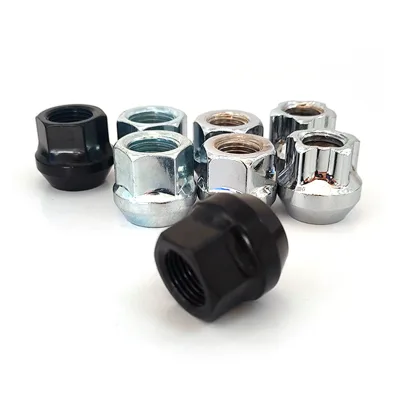


Stainless Steel Polished Metric M12 X 1.5 M12 X 1.25 Hex Wheel Lug Nut
$0.00 - $0.01
MOQ: 10000 Pieces


Comprehensive Sourcing Guide
Strategic Sourcing Guide for Metric Wheel Lug Nuts
Understanding Technical Specifications and Variability
When sourcing metric wheel lug nuts, buyers must navigate a landscape defined by precise dimensional tolerances and material properties. The core keyword "Metric Wheel Lug Nut" implies a fastener designed to secure wheels using the International System of Units (SI) for measurement. However, the specific requirements vary significantly based on the vehicle type, wheel design, and intended load. Based on observed market data, the product specifications for these fasteners span a wide range of thread sizes, typically starting from M3 and extending up to M12 for general applications, though automotive-grade lug nuts often utilize larger diameters such as M12x1.5 or M14x1.5.
The head style is a critical differentiator in the selection process. The market presents distinct categories including round head and hexagon head configurations. Round head styles are often selected for aesthetic integration with wheel designs, while hexagon heads provide the necessary torque application points for heavy-duty securing. The hex size, a crucial parameter for wrench compatibility, can vary; specific observations indicate a common hex size of 21mm for certain automotive applications, but this is not universal. Buyers must verify the exact hex dimension against their existing tooling and wheel bolt patterns.
Material composition further dictates the performance envelope of the lug nut. Carbon steel is a prevalent material choice, offering a balance of strength and cost-effectiveness for standard applications. In contrast, aluminum variants are observed in the market, often selected for weight reduction in performance or specific aftermarket scenarios. The grade of the material is equally important; observations note grades such as 8 and 6, which correlate to specific tensile strength requirements. A grade 8 designation typically implies a higher strength threshold suitable for demanding automotive loads, whereas grade 6 may serve lighter duty cycles. The measurement system is generally metric, though some suppliers offer compatibility with imperial (inch) standards, requiring careful verification to ensure the correct thread pitch and diameter are selected.
Compliance, Certification, and Standardization
Ensuring that metric wheel lug nuts meet international standards is paramount for safety and regulatory compliance. The fastener industry relies heavily on established standards bodies to define thread profiles, torque specifications, and material grades. The observed market data indicates that products often adhere to a diverse set of international standards, including DIN (Deutsches Institut für Normung), GB (Guobiao), ANSI (American National Standards Institute), BSW (British Standard Whitworth), JIS (Japanese Industrial Standards), and GOST (Gosudarstvennyy Standart).
When evaluating a supplier, buyers should not assume that a single standard applies to all products. Instead, the procurement strategy must involve verifying which specific standard governs the lot being purchased. For instance, a product listed with a DIN standard may have different thread tolerance classes compared to one listed under ANSI. The standardization also extends to the product model and standard designation, which can range from fixed sizes like M12x1.5 to fully customized specifications. This variability underscores the need for a rigorous documentation review before placing an order.
Certification plays a vital role in validating the quality management systems of the manufacturer. High-confidence observations from the market indicate that reputable suppliers often hold ISO9001:2008 certification, which verifies that the manufacturer maintains a consistent quality management system. Additionally, environmental compliance is increasingly critical, with RoHS (Restriction of Hazardous Substances) certification frequently cited. This certification ensures that the lug nuts do not contain restricted hazardous materials, a requirement for many global automotive markets.
Buyers must also consider the surface treatment and finishing processes as part of the compliance framework. The observed market includes finishes such as nickel chrome cadmium plating, electrophoretic coating, and chrome finishing. These treatments are not merely aesthetic; they are essential for corrosion resistance and durability. The specific finish must align with the operating environment of the vehicle. For example, a vehicle operating in coastal regions or areas with heavy road salt usage requires a superior corrosion-resistant finish compared to one used in dry, temperate climates. The selection of the finish should be validated against the supplier's quality control reports to ensure the coating thickness and adhesion meet the required specifications.
Cost Drivers and Pricing Dynamics
The pricing of metric wheel lug nuts is influenced by a complex interplay of factors, including material costs, manufacturing complexity, certification status, and order volume. The observed listed price range in the market spans from $0 to $15 USD, a wide variance that reflects the diversity of product types and quality levels. Low-end pricing often correlates with standard carbon steel products with basic finishes and high-volume production runs. Conversely, pricing at the higher end of the spectrum is typically associated with specialized materials like aluminum, advanced surface treatments, or custom-engineered solutions.
Material costs are a primary driver. Carbon steel is generally more affordable than aluminum, which commands a premium due to its weight-saving properties and specific manufacturing challenges. The grade of the steel also impacts cost; higher-grade materials that offer superior tensile strength require more rigorous processing and quality control, thereby increasing the unit price. Furthermore, the complexity of the head style and thread design can influence manufacturing costs. Customized models, which deviate from standard M3-M12 or M12x1.5 specifications, often incur higher tooling and setup costs, leading to a higher per-unit price.
Order volume is another significant determinant of cost. The observed Minimum Order Quantity (MOQ) ranges from 1 to 10,000 units. Buyers purchasing small quantities, often in the range of 1 to 100 units, may face higher per-unit costs due to the lack of economies of scale. In contrast, bulk orders approaching the upper end of the MOQ range can leverage volume discounts, significantly reducing the average cost per unit. The packaging method also plays a role; options such as "Carton+Pallet" or "Small Packing+Carton Packing+Pallet" may incur additional costs depending on the logistics requirements and the level of protection needed for the fasteners during transit.
Lead times and delivery terms further affect the total cost of ownership. The observed delivery time for these products is typically between 15 and 25 days. Longer lead times may necessitate higher inventory holding costs for the buyer, while expedited shipping options, if available, would add to the overall expense. Buyers should also consider the location of the manufacturer. Products originating from regions like Hebei, Ningbo, or Zhejiang in China may have different logistics costs and tariff implications compared to suppliers in other regions. Understanding these cost drivers allows buyers to negotiate more effectively and align their procurement strategy with their budgetary constraints.
Typical Applications and Industry Use Cases
Metric wheel lug nuts are integral components in the automotive and transportation sectors, serving the critical function of securing wheels to the vehicle hub. Their applications extend across a wide spectrum of vehicle types, from passenger cars to heavy-duty trucks and specialized machinery. The versatility of these fasteners is evident in the diverse range of specifications observed in the market, including universal compatibility with various car makes and specific designs for rear-wheel-drive (RWD) configurations.
In the passenger vehicle segment, wheel lug nuts are essential for maintaining wheel integrity and ensuring passenger safety. The round head and hexagon head styles are commonly found in this sector, with the choice often dictated by the wheel design and aesthetic preferences of the vehicle owner. The "Universal" car make designation suggests that many of these lug nuts are designed to fit a broad range of vehicles, reducing the need for vehicle-specific inventory. However, buyers must verify the specific fitment details, such as the wheel hub diameter, which can range from 16 to 20 inches, to ensure compatibility.
The heavy-duty and commercial vehicle sectors also rely heavily on metric wheel lug nuts, particularly those with higher strength grades and robust surface treatments. These applications often require lug nuts capable of withstanding higher torque loads and more severe operating conditions. The use of carbon steel with high-grade specifications is common in these environments to ensure reliability and safety. Additionally, the "Deck: Single" attribute observed in some listings indicates specific applications where single-layer wheel configurations are used, which may require different lug nut designs compared to dual-deck setups.
Beyond standard automotive applications, metric wheel lug nuts are utilized in the aftermarket and customization industries. Enthusiasts and professional mechanics often seek specialized lug nuts with unique finishes, such as black electrophoretic coating or chrome plating, to enhance the visual appeal of their vehicles. The "Wheel Accessories" category, including wheel covers and hub components, often requires matching lug nuts to maintain a cohesive design. The "Spoke Type: Two Section Variable Diameter Spoke" observation highlights the complexity of modern wheel designs, which may necessitate custom-engineered lug nuts to accommodate specific spoke geometries.
Supplier Evaluation and Sourcing Strategy
Selecting the right supplier for metric wheel lug nuts requires a comprehensive evaluation of their capabilities, reliability, and quality assurance processes. The market data indicates that manufacturers are located in key industrial hubs such as Hebei, Ningbo, and Zhejiang in China. These regions are known for their robust manufacturing infrastructure and expertise in fastener production. However, the presence of a manufacturer in a specific location does not guarantee product quality; buyers must conduct due diligence to verify the supplier's track record.
One of the primary criteria for supplier evaluation is the availability of customization services. The observed data confirms that customization is available for these products, allowing buyers to tailor specifications to their unique requirements. This flexibility is crucial for industries with non-standard needs or those seeking to differentiate their products. Buyers should assess the supplier's ability to handle customized orders, including their lead times for tooling and production setup.
Service quality is another critical factor. The observation of "24 Hours Online" service suggests that some suppliers offer round-the-clock support, which can be invaluable for resolving urgent issues or addressing technical queries. This level of responsiveness indicates a commitment to customer satisfaction and can be a differentiator in a competitive market. Buyers should also evaluate the supplier's communication channels and their ability to provide detailed product information and technical support.
Quality assurance is paramount in the fastener industry. Buyers should request evidence of the supplier's quality control processes, including in-process inspections and final testing. The presence of ISO9001:2008 certification is a strong indicator of a supplier's commitment to quality management. Additionally, buyers should verify the supplier's ability to provide test results and performance data for their products, ensuring that the lug nuts meet the required specifications and standards.
Quality Control and Long-Term Procurement Considerations
Maintaining high quality in metric wheel lug nuts is essential for safety and performance. The quality control process should encompass every stage of production, from raw material selection to final packaging. Buyers should insist on rigorous testing protocols to verify the mechanical properties of the fasteners, including tensile strength, hardness, and torque resistance. The observed grades, such as 8 and 6, should be validated through independent testing to ensure they meet the specified standards.
Surface treatment and finishing are also critical aspects of quality control. The observed finishes, including nickel chrome cadmium plating, electrophoretic coating, and chrome, must be applied consistently to ensure uniform corrosion resistance. Buyers should request samples for visual inspection and testing to verify the quality of the coating. The thickness and adhesion of the coating are key indicators of its effectiveness in protecting the fastener from environmental degradation.
Long-term procurement considerations involve building a sustainable relationship with suppliers who can consistently deliver high-quality products. Buyers should establish clear specifications and quality standards in their contracts to ensure consistency across orders. Regular audits and performance reviews can help identify any deviations from the agreed-upon standards and facilitate continuous improvement. Additionally, buyers should consider the supply chain resilience of their suppliers, assessing their ability to handle fluctuations in demand and mitigate potential disruptions.
The packaging of metric wheel lug nuts is another factor to consider for long-term procurement. The observed packaging options, such as "Carton+Pallet" or "Small Packing+Carton Packing+Pallet," should be evaluated for their ability to protect the fasteners during transit and storage. Proper packaging ensures that the products arrive in pristine condition, reducing the risk of damage and minimizing waste.
In conclusion, sourcing metric wheel lug nuts requires a strategic approach that balances technical specifications, compliance, cost, and supplier reliability. By understanding the diverse range of products available and the factors that influence their performance, buyers can make informed decisions that meet their specific needs and ensure the safety and reliability of their applications.
FAQs
What standards do metric wheel lug nuts follow?
These fasteners commonly adhere to DIN, GB, ANSI, BSW, JIS, and GOST standards. Buyers must verify the specific standard for each lot as requirements vary by region and application.
Which materials are used for metric wheel lug nuts?
Carbon steel and aluminum are the primary materials observed in the market. Carbon steel offers strength and cost-effectiveness, while aluminum is chosen for weight reduction in performance scenarios.
Can I customize the specifications for these fasteners?
Yes, customization is available for model numbers and standard specifications. Suppliers can produce custom sizes like M12x1.5 or M14x1.5 to meet unique vehicle or wheel requirements.
What certifications should I look for in a supplier?
Reputable suppliers often hold ISO9001:2008 and RoHS certifications. These ensure consistent quality management and compliance with restrictions on hazardous substances in the manufacturing process.
How long does delivery typically take for these items?
The standard delivery time ranges from 15 to 25 days. Lead times may vary based on order volume, customization needs, and the specific location of the manufacturer in China.
What surface treatments are available for corrosion resistance?
Available finishes include nickel chrome cadmium plating, electrophoretic coating, and chrome. The choice depends on the operating environment, with coastal or salt-heavy areas requiring superior protection.