Source Mfds Pain Relieving Plaster for Arthritis, Strains, and Corns
Source 30 verified Mfds Pain Relieving Plaster options for arthritis, muscle strains, and corn removal. Compare transdermal herbal patches and salicylic acid solutions from Chinese manufacturers to find suitable OEM or customized pain relief solutions for your supply chain; compare the available evidence and request quotations based on your requirements.
Key considerations
Products List


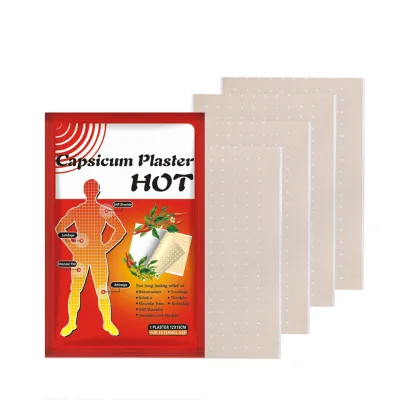
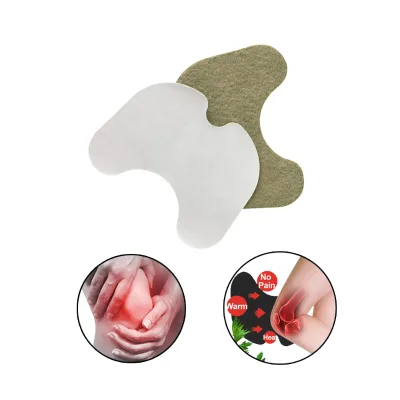
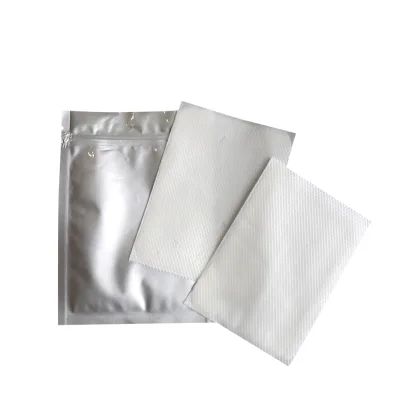


Chinese Traditional Analgesic Fomenation Plaster Hot Relief Pain Patch Herbal Plaster
$0.10 - $0.30
MOQ: 20000 Pieces


100% Natural Pain Patch Fast and Long-Lasting Pain Relief Black Plaster
$0.10 - $0.20
MOQ: 20000 Pieces


Comprehensive Sourcing Guide
Mfds Pain Relieving Plaster Sourcing Guide
The global market for transdermal pain relief plasters has expanded significantly, driven by demand for non-invasive musculoskeletal solutions. Current listings indicate a diverse product range including specific formulations for joint pain, muscle strains, and corn removal, each utilizing distinct active ingredients like wormwood oil, menthol, or salicylic acid. Buyers must distinguish between these therapeutic categories early in the sourcing process, as the regulatory pathway and material composition vary substantially between a general analgesic patch and a keratolytic corn remover.
Procurement strategies should focus on verifying the specific indication claims against the supplier's technical data sheets. While many products claim relief for conditions such as arthritis, sciatica, or sports injuries, the underlying mechanism of action—whether transdermal herbal extraction or chemical softening of keratin—dictates the required safety documentation. Sourcing teams should prioritize suppliers who clearly define their product's primary function to ensure alignment with the intended clinical or retail application, avoiding generic listings that obscure the specific therapeutic value proposition.
Product Scope and Observed Listing Signals
Market analysis reveals a wide variance in physical specifications, with patch sizes ranging from compact 70mm x 20mm units for corn removal to larger 12cm x 18cm formats designed for broad muscle coverage. The observed listing signals suggest that packaging configurations are highly flexible, with options ranging from single-bag units to bulk box sets containing multiple patches. Buyers should carefully evaluate these dimensional and packaging differences, as they directly impact logistics costs, shelf-life management, and the final retail presentation of the product.
The ingredient profiles observed in current listings highlight a reliance on natural extracts such as eucalyptus oil and camphor for pain relief, alongside synthetic compounds like salicylic acid for dermatological treatments. This distinction is critical for buyers targeting specific consumer segments, as natural formulations often appeal to health-conscious demographics while chemical-based plasters serve specific medical needs. Procurement teams must verify that the listed ingredients match the intended therapeutic claim, ensuring that the product composition supports the advertised benefits for conditions like rheumatism or bone fractures without introducing unintended allergens.
Technical Specifications to Verify
Technical due diligence requires a rigorous examination of the substrate materials and adhesive systems used in the plaster construction. Listings indicate the use of spunlace fabric and hot melt glue for pain relief variants, while corn removal plasters often utilize PET film and soft protector rings. Buyers must confirm that these material choices are consistent with the product's intended usage mode, particularly for external application on sensitive skin areas, to prevent adverse reactions or poor adhesion during active movement.
Dimensional consistency and shelf-life stability are equally critical technical parameters that require verification before finalizing a purchase order. The observed data suggests a standard shelf life of three years, but this duration is contingent upon proper storage conditions and the integrity of the release paper and sealing mechanisms. Procurement specialists should request batch-specific test results to validate that the single package size and overall box dimensions remain within the specified tolerances, ensuring that the product fits standard retail shelving and distribution channels without modification.
Compliance and Safety Documentation
Regulatory compliance is a non-negotiable prerequisite for sourcing medical-grade plasters, with certifications such as CE, FDA, and ISO13485 appearing frequently in supplier profiles. These documents serve as the primary evidence that the manufacturing facility adheres to international quality management systems and that the product meets specific safety thresholds for medical devices. Buyers must insist on seeing valid, up-to-date certificates for every batch, as the absence of these documents can lead to customs seizures or legal liabilities in regulated markets.
Beyond general certifications, specific safety data sheets like MSDS and certificates of analysis (COA) are essential for verifying the chemical composition and purity of the active ingredients. The presence of salicylic acid or essential oils necessitates a thorough review of the safety data to ensure that concentration levels are within safe limits for consumer use. Procurement teams should also verify the instrument classification, such as Class I, to confirm that the product falls within the appropriate regulatory category for its intended medical indication, ensuring full legal compliance in the target export market.
Cost Drivers and Commercial Terms
Pricing structures for pain relieving plasters are influenced by the complexity of the formulation, the quality of raw materials, and the scale of the order. The observed price range of 0.01 to 2 USD per unit suggests significant variability based on customization levels and packaging specifications. Buyers should analyze the cost drivers associated with custom branding, unique ingredient blends, or specialized packaging formats, as these factors can substantially alter the unit economics compared to standard off-the-shelf products.
Commercial terms regarding minimum order quantities (MOQ) and lead times are equally critical for supply chain planning, with observed MOQs ranging from 5 to 500,000 units. This wide range indicates that suppliers cater to both small-scale trial orders and large-volume distribution contracts, requiring buyers to negotiate terms that align with their inventory strategy. Procurement professionals must clarify the payment terms, shipping responsibilities, and potential volume discounts to ensure that the total landed cost remains competitive while maintaining a reliable supply flow.
Supplier Qualification and Quality Control
Supplier qualification extends beyond basic certification checks to include an assessment of the manufacturing facility's capacity and quality control protocols. The observed data points to origins in regions like Anhui and Henan, China, where manufacturers often offer OEM services and customization options. Buyers should conduct virtual or on-site audits to verify that the production lines are equipped to handle specific material requirements, such as the application of hot melt glue or the lamination of PET films, ensuring consistent product quality across all batches.
Quality control measures must be explicitly defined in the supplier agreement, covering everything from raw material inspection to final product testing. Given the diverse nature of the products, from herbal patches to chemical corn removers, the quality assurance process must be tailored to the specific risks associated with each formulation. Buyers should require detailed inspection reports and defect rate data to ensure that the supplier maintains high standards, minimizing the risk of receiving substandard goods that could damage the buyer's brand reputation.
Long-Term Procurement Checks
Establishing a long-term partnership requires a commitment to continuous monitoring of product performance and regulatory changes. As market regulations evolve, particularly regarding medical device classifications and ingredient restrictions, suppliers must demonstrate their ability to adapt their formulations and documentation accordingly. Buyers should schedule regular reviews of the supplier's compliance status to ensure that their products remain eligible for sale in their target markets, preventing disruptions in the supply chain due to regulatory non-compliance.
Performance tracking should also include a systematic evaluation of customer feedback and return rates to identify any recurring quality issues. By analyzing data on product efficacy and user satisfaction, procurement teams can make informed decisions about renewing contracts or adjusting specifications for future orders. This proactive approach ensures that the sourcing strategy remains aligned with market demands, fostering a resilient supply chain capable of delivering high-quality pain relief solutions consistently over time.
FAQs
What are the key ingredients in the pain relief patches?
The pain relief patches contain Wormwood Oil, Camphor, Menthol, and Eucalyptus Oil. These herbal extracts work via transdermal delivery to relieve joint pain, muscle strain, and sports injuries. The formulation is designed for external use only, providing targeted relief for conditions like arthritis and rheumatism through natural active components.
Can I request custom packaging for these pain relief patches?
Yes, customization is available for packaging specifications. You can choose between bag packing or box packing, with options like 2 patches per bag or 5 bags per box. The product also allows for customized colors, such as wheat color, and tailored branding to meet specific market requirements or private label needs.
What certifications do these pain relief patches hold?
These patches hold multiple quality certifications including FDA, GMP, CE, ISO13485, MSDS, and COA. These credentials ensure compliance with international safety and manufacturing standards. The Class I instrument classification further validates their regulatory standing for external use in relieving joint pain and muscle strain across various global markets.
How does the corn removal plaster work effectively?
The corn removal plaster works by softening keratin to facilitate the removal of corns. It contains Salicylic Acid as its active ingredient. The patch features a Pet Film and Soft Protector Ring to ensure safe application. This mechanism targets the affected area directly, offering a convenient and effective solution for corn removal without invasive procedures.
What is the shelf life of these medical patches?
The shelf life of these medical patches is 3 years. This duration ensures product stability and efficacy from the date of manufacture. Proper storage conditions are recommended to maintain the integrity of the herbal extracts or salicylic acid. Buyers can rely on this extended shelf life for inventory management and long-term distribution planning.
Where are these pain relief patches manufactured?
These patches are manufactured in China, with origins noted in Anhui and Henan provinces. The production facilities adhere to GMP and ISO13485 standards. This location allows for efficient supply chain logistics and competitive pricing. Buyers can source directly from these regions, ensuring access to high-quality manufacturing capabilities and established industrial infrastructure for medical patch production.