Source Micro Machining 3D Print Prototype for Auto, Medical, and Hardware
Find 30 verified suppliers offering Micro Machining 3D Print Prototype services for automotive, medical, and hardware applications. Compare materials, lead times, and customization options to select the right partner for your project needs.
Key considerations
Products List


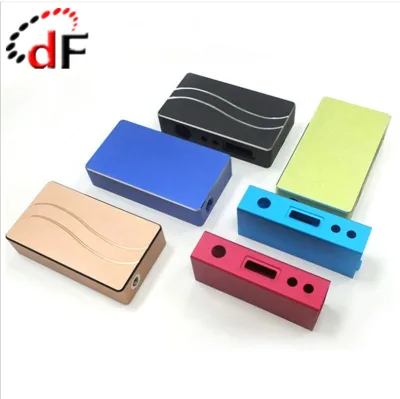
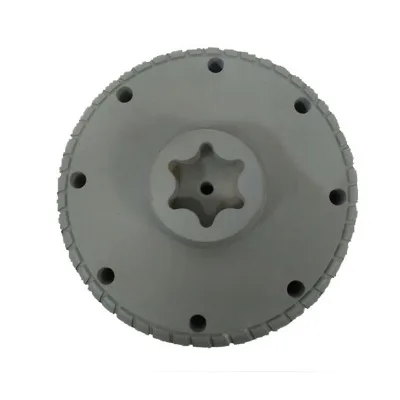
Australia Client 3d Printing Design and Rapid Prototyping Service 3D Model Design
$20.44 - $51.10
MOQ: 1 Minimum
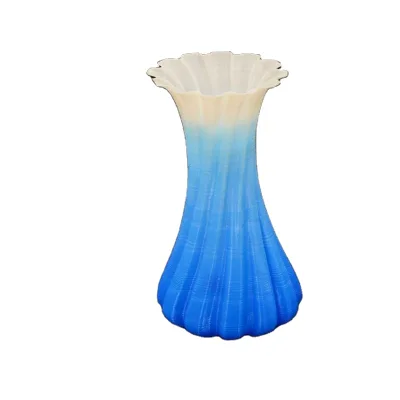


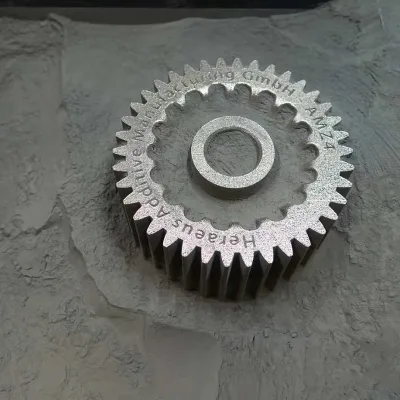


Comprehensive Sourcing Guide
Strategic Sourcing Guide for Micro Machining and 3D Print Prototypes
Understanding the Technical Landscape of Rapid Prototyping
The convergence of micro machining and 3D printing represents a critical phase in the product development lifecycle, allowing buyers to validate complex geometries before committing to mass production. When sourcing for "Micro Machining 3D Print Prototype" capabilities, buyers must recognize that these are distinct but often complementary processes. The observed market data indicates a diverse range of shaping modes available, including CNC Machining, Stereolithography (SLA), and Silicone Molding. These methods serve different material and precision requirements. CNC machining is frequently cited for its ability to handle metals and rigid plastics with high tolerance, while SLA is highlighted as a primary forming technology for rapid prototyping, particularly when dealing with complex internal structures or intricate surface details.
Material selection is the first technical hurdle. The supply base demonstrates a capacity to process a wide array of substances, ranging from engineering thermoplastics like ABS, PC, PE, PP, and POM to metals such as Aluminum, Steel, and Brass. Some specialized listings also include PU (Polyurethane) and Nylon, indicating flexibility for applications requiring specific chemical resistance or flexibility. For buyers focusing on micro-machining, the availability of materials like Iron, Copper, and various alloys is essential. It is crucial to understand that while a supplier may list these materials, the specific micro-machining capability depends on the machine's axis configuration and spindle speed, which are not explicitly detailed in general product listings. Therefore, the buyer must verify that the specific micro-machining requirement aligns with the listed material capabilities.
Compliance and Certification Verification Protocols
In the B2B procurement of precision components, regulatory compliance is not merely a formality but a prerequisite for market access, particularly in automotive, medical, and consumer electronics sectors. The observed product data reveals a variety of certification standards that suppliers may claim, including CE, RoHS, SGS, and ISO 9000. Some entries specifically mention compliance with DIN, ASTM, and GOST standards, while others note adherence to China GB Codes. It is important to note that "Custom Made" or "Nonstandard" designations often appear alongside these certifications, suggesting that while the process may be certified, the specific prototype part might be a custom iteration requiring individual validation.
Buyers must exercise caution when interpreting certification claims. The presence of a "CE" or "RoHS" label in a general product description does not automatically guarantee that every custom prototype produced will meet these standards without specific testing. The data also lists "ISO 9001" and "ISO 9001:2015" as background standards, but these should be treated as organizational quality management systems rather than product-specific performance guarantees. When evaluating a supplier, the procurement team should request valid, current certificates that cover the specific scope of the micro-machining or 3D printing service being purchased. Verification should extend to the mold base and core materials, which are often specified as Lkm, Hasco, Dme, or custom options, with core materials ranging from P20 to S136h. These material choices directly impact the durability of the tooling and the consistency of the final prototype, which in turn affects the validity of any compliance claims regarding the end product.
Cost Drivers and Economic Factors in Prototype Sourcing
The economics of sourcing micro-machining and 3D print prototypes are influenced by a complex interplay of factors, including material type, production volume, and lead time requirements. The observed price range in the market is extensive, spanning from $0.10 to $2,000 USD. This wide variance is not arbitrary; it reflects the difference between simple 3D printed plastic samples and complex, multi-axis CNC machined metal components. The Minimum Order Quantity (MOQ) also varies significantly, with observed ranges from 1 unit up to 1,000 units. This flexibility is a key advantage for prototyping, allowing buyers to order single units for validation without incurring the high costs associated with traditional tooling.
Lead time is another critical cost driver. The data indicates lead times ranging from 7 to 15 days, with some specific entries citing 7-10 days. Faster turnaround times often command a premium, especially when the project requires expedited shipping or overtime machining. The production type is generally listed as "Batch Production," which implies that while the setup for micro-machining is high, the per-unit cost decreases as the batch size increases. However, for true prototyping, the "Customized" nature of the service means that setup costs are often amortized over a smaller number of units. Buyers should also consider the cost implications of file formats; the requirement for STEP files suggests a need for precise digital transfer, which can reduce errors but may require additional engineering time to ensure the file is machine-ready. Understanding these variables helps in budgeting accurately, ensuring that the cost per prototype aligns with the stage of product development.
Typical Applications and Industry Use Cases
The versatility of micro-machining and 3D printing allows these technologies to serve a broad spectrum of industries. The observed application data highlights several key sectors, including Machinery Accessories, Hardware, Furniture, Household Appliances, and Auto and Motorcycle Accessories. This diversity suggests that the technology is robust enough to handle both functional mechanical parts and aesthetic consumer goods. In the automotive sector, the focus is often on "Auto and Motorcycle Accessory" components that require high precision and durability, utilizing materials like Aluminum and Steel.
Beyond transportation, the data points to significant use in the medical and agricultural sectors, with applications listed for "Medical" and "Agricultural" equipment. This indicates that the technology supports the creation of specialized tools and replacement parts that may not be available in standard catalogs. The mention of "Metal Recycling Machine" and "Hardware Tool" further underscores the industrial utility of these prototypes. For buyers in the electronics industry, the ability to produce "Hardware" and "Fastener" components is critical, as these parts often require tight tolerances that only micro-machining can provide. The "Liquid" plastic form and "Thermosoftening Plastic" types suggest suitability for injection molding prototypes, which are essential for testing the fit and function of plastic enclosures before mass production. Understanding these specific applications helps buyers align their sourcing strategy with the intended end-use of the prototype.
Supplier Evaluation and Capability Assessment
Selecting the right supplier for micro-machining and 3D print prototypes requires a rigorous evaluation of their technical capabilities and operational transparency. The data shows that suppliers are located in various regions, including Qingdao, Shandong, and Yuyao, all within China. While location can influence logistics and lead times, the technical specifications are more critical. Buyers should verify the supplier's experience with specific forming technologies, such as SLA for 3D printing or CNC Machining for metal parts. The availability of specific mold bases (Lkm, Hasco, Dme) and core materials (P20, H13, 718, S136h) is a strong indicator of a supplier's capability to handle complex injection molding or precision machining tasks.
Furthermore, the "Customization" attribute is ubiquitous in the data, confirming that most suppliers are equipped to handle bespoke requests. However, buyers must distinguish between a supplier that offers "Custom Made" services and one that possesses the specific micro-machining expertise required. The ability to accept STEP file formats is a baseline requirement for digital compatibility, but the supplier's internal engineering team's ability to interpret and optimize these files for manufacturing is equally important. Evaluating the "Production Type" as "Batch Production" suggests that the supplier is set up for volume, but the MOQ flexibility indicates they can accommodate smaller prototype runs. Buyers should request case studies or examples of previous work in their specific industry to validate the supplier's claims regarding material handling and precision.
Quality Control and Long-Term Procurement Considerations
Ensuring the quality of micro-machined and 3D printed prototypes is paramount, as these parts often serve as the blueprint for mass production. The observed surface finish options, including Polishing, Painting, and Coating, indicate that suppliers offer post-processing services that can significantly enhance the final appearance and functionality of the part. However, the quality of these finishes depends heavily on the initial machining precision. Buyers should establish clear quality control protocols that include dimensional inspection and material verification. The presence of standards like CE, RoHS, and ISO 9000 provides a framework for quality, but specific test results for the prototype batch should be requested.
Long-term procurement considerations involve the scalability of the prototype process. The transition from a "3D printing rapid prototype" to mass production often requires a shift in manufacturing methods, such as moving from SLA to Injection Molding. The data shows that suppliers offer "Custom Injection Mold/Molding" services, which suggests a potential pathway for seamless transition. Buyers should evaluate whether their current supplier can support this transition, ensuring that the mold base and cavity design (Single or Multiply Cavities) are compatible with future production needs. Additionally, the packaging method, typically listed as Carton Box or Paper Box, should be sufficient to protect delicate prototypes during shipping. By focusing on suppliers who offer a comprehensive suite of services from prototyping to molding, buyers can streamline their supply chain and reduce the risk of errors during the product launch phase.
Comparative Analysis of Sourcing Options
To facilitate decision-making, buyers can compare the key attributes of different sourcing options based on the observed data. The following table summarizes the primary distinctions between the available technologies and materials.
| Attribute | CNC Machining | SLA 3D Printing | Injection Molding (Prototype) |
|---|---|---|---|
| Primary Materials | Aluminum, Steel, Brass, Iron, Copper | ABS, PC, PE, PP, POM, Plastic | Thermosoftening Plastic, Liquid Plastic |
| Forming Technology | CNC Machining | SLA | Injection Molding |
| Typical Lead Time | 7-15 Days | 7-10 Days | 7-15 Days |
| Surface Finish | Polishing, Painting, Coating | Polishing, Painting | Polishing, Painting |
| Customization Level | High (Custom Made) | High (Custom Made) | High (Custom Made) |
| Application Scope | Hardware, Machinery, Auto | Rapid Prototyping, Complex Geometries | Functional Parts, Enclosures |
This comparison highlights that while all three options offer high customization, the choice depends heavily on the material requirements and the intended function of the prototype. CNC machining is superior for metal parts, SLA excels in complex geometries, and injection molding is ideal for testing functional plastic components. By understanding these distinctions, buyers can make informed decisions that align with their specific project needs.
FAQs
What materials are available for Micro Machining 3D Print Prototype services?
Suppliers offer a wide range of materials including ABS, PC, PE, PP, POM, Aluminum, Steel, Brass, PU, and Nylon. These options support diverse applications from hardware tools to medical accessories, ensuring compatibility with specific engineering requirements.
Which shaping modes are used for creating rapid prototypes?
Common shaping modes include CNC Machining, SLA, and Silicone Molding. CNC machining handles metals and rigid plastics with high precision, while SLA is ideal for complex geometries and rapid prototyping of intricate internal structures.
Can I get custom injection molding services for my prototype?
Yes, custom injection molding services are available with mold bases like Lkm, Hasco, or Dme. Core materials such as P20, H13, and S136h ensure durability, and cavities can be configured as single or multiple for batch production needs.
What certifications do Micro Machining 3D Print Prototype suppliers hold?
Many suppliers provide certifications such as CE, RoHS, SGS, and ISO 9000. Some also adhere to DIN, ASTM, GOST, or China GB Codes, though specific prototype validation may require individual testing to confirm compliance.
How long is the lead time for Micro Machining 3D Print Prototype orders?
Typical lead times range from 7 to 15 days depending on complexity and order volume. Some specific listings indicate a faster turnaround of 7 to 10 days for standard batch production or customized rapid prototype requests.
What is the minimum order quantity for these prototype services?
The minimum order quantity varies significantly, with observed ranges from 1 to 1000 units. This flexibility allows buyers to order single units for validation without incurring high costs associated with traditional tooling.
Where are the manufacturers of micro machining 3d print prototypes located?
Manufacturers are primarily located in China, specifically in regions like Qingdao, Shandong, and Yuyao. These locations influence logistics and lead times but offer access to a diverse supply base for various engineering needs.