Find ASME Electric Vehicle Drive System for Cars, Trucks, Buses
Source 30 listings for the ASME Electric Vehicle Drive System tailored for passenger cars, heavy trucks, and public transit buses. Buyers can compare specifications like horsepower, charging interfaces, and sound effects to find suitable suppliers.
Key considerations
Products List


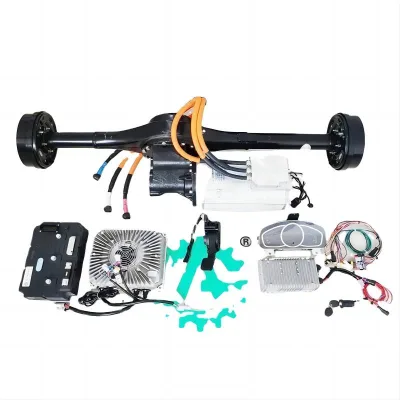
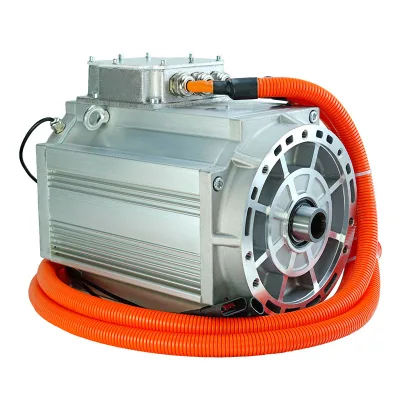


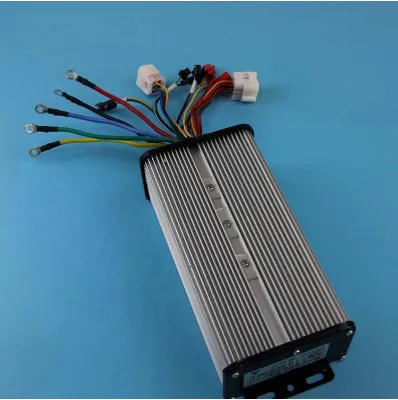
Electric Vehicle EV System Popular Application AC Motor Controller 48V 72V
$225.00 - $235.00
MOQ: 1 Pieces


Education Equipment Electric Vehicle Drive Motor Assembly Disassembly Model
$1000.00 - $3000.00
MOQ: 1 Pieces






Comprehensive Sourcing Guide
Strategic Sourcing Guide for ASME Electric Vehicle Drive Systems
The procurement of electric vehicle (EV) drive systems represents a critical decision point for manufacturers and fleet operators seeking to modernize their transportation infrastructure. While the core keyword "ASME Electric Vehicle Drive System" suggests a focus on American Society of Mechanical Engineers standards, the global market for EV propulsion components operates under a complex matrix of international regulations, including CE, ROHS, FCC, and FDA certifications. Buyers must navigate a landscape where specific drive models, such as the AT3300, BVE-300, and BVE-200, coexist with broader system integrations like AVAS (Acoustic Vehicle Alerting Systems) and high-capacity charging infrastructure. This guide provides a disciplined framework for evaluating suppliers, verifying technical specifications, and ensuring long-term operational reliability without relying on unverified market claims.
Technical Specifications and System Architecture
When evaluating electric vehicle drive systems, the primary focus must be on the specific model numbers and their corresponding technical parameters. The market offers a diverse range of configurations, from compact units to heavy-duty industrial solutions. For instance, the AT3300 model represents a specific configuration within the available product portfolio, while the BVE-300 and BVE-200 models indicate distinct performance tiers. Buyers should not assume that all listed products share identical capabilities; rather, each model number corresponds to a unique set of engineering constraints and output capabilities.
A critical aspect of the drive system architecture is the integration of acoustic features. Many modern EVs require AVAS to ensure pedestrian safety, and the available systems support a variety of sound effects, including engine, motor, and tire noise simulations. The sound pressure level for these integrated systems typically ranges between 58 and 75 dB, a specification that must be verified against local noise ordinances. Furthermore, the vehicle speed control strategy is often adjustable according to customer demand, allowing for customization based on the specific operational profile of the fleet.
The powertrain configuration also varies significantly across different product lines. Some systems are designed for high-horsepower applications, with specific models rated between 451 and 500 horsepower. In contrast, other configurations may focus on load capacity, with certain heavy-duty units supporting a load capacity of 21 to 30 tons. The engine capacity for electric motor variants can reach substantial levels, such as 4x700kW, indicating their suitability for large-scale industrial transport or mining operations. The tire design for these heavy-duty units is often specified as bias, which influences the overall traction and durability of the vehicle.
Compliance and Certification Verification
Navigating the regulatory landscape is essential for any procurement strategy involving electric vehicle components. The supply chain for these systems is heavily regulated, with products originating primarily from China, specifically from hubs like Shanghai. Buyers must rigorously verify that the components they purchase meet the necessary international standards. The observed product standards in the market include CE, ROHS, FCC, and FDA certifications. These certifications are not merely marketing labels but are mandatory requirements for market access in many regions.
In addition to general safety certifications, specific industry standards must be checked. For example, the ISO certification is a critical benchmark for quality management, and some products explicitly list ISO or ISO/TS as part of their compliance profile. The emission standards for electric drive systems are uniformly zero emission, aligning with global decarbonization goals. However, buyers must ensure that the specific model they select adheres to the latest version of these standards, as regulations evolve rapidly.
Packaging and logistics also play a role in compliance. Products are often shipped in wooden packing or on plywood pallets, with specific dimensions such as 12x2.3x2.4m for pallet sizes. These logistical details are crucial for planning storage and transport, especially when dealing with large industrial units. The warranty periods for these systems typically range from 12 months to 1 year, which serves as a baseline for after-sales support expectations. Buyers should confirm that the warranty terms are clearly defined in the contract and cover both parts and labor.
Cost Drivers and Pricing Dynamics
The pricing of electric vehicle drive systems is influenced by a multitude of factors, including the complexity of the technology, the scale of production, and the specific customization requirements. The observed price range in the market is vast, spanning from $0.04 to $65,000 USD. This wide disparity reflects the diversity of products available, from small electronic components to complete heavy-duty drive assemblies. Understanding the cost drivers is essential for budgeting and negotiating effectively.
One of the primary cost drivers is the level of customization. Many suppliers offer customization options for sound effect materials and vehicle speed control strategies, which can significantly impact the final price. Customization allows buyers to tailor the system to their specific operational needs but often comes with a premium. Additionally, the production volume plays a significant role in pricing. The minimum order quantity (MOQ) ranges from 1 to 1000 units, meaning that buyers purchasing in smaller quantities may face higher per-unit costs.
The type of drive system and its associated power output also dictate the price. High-horsepower systems, such as those rated at 451-500hp, will naturally command a higher price point compared to lower-power units. Similarly, systems with advanced features like back-up warning functions and integrated sound pressure control may be priced higher due to the added complexity of the engineering. Buyers should request detailed cost breakdowns to understand how much of the price is attributed to raw materials, manufacturing, and certification costs.
Typical Applications and Use Cases
Electric vehicle drive systems are deployed across a wide spectrum of applications, ranging from personal transportation to heavy industrial logistics. The versatility of these systems allows them to be adapted for various vehicle types, including electric cars, dump trucks, and specialized industrial machinery. The application of these systems is often defined by the specific requirements of the end-user, such as the need for zero-emission compliance or the ability to operate in specific environments.
For example, the BVE-300 and BVE-200 models are likely suited for specific vehicle classes, while the AT3300 may be designed for a different set of applications. The integration of AVAS makes these systems particularly relevant for urban environments where pedestrian safety is a priority. The sound pressure levels and the ability to customize sound effects ensure that the vehicles meet regulatory requirements while providing a safe operating environment.
In the industrial sector, the high load capacity and power output of certain drive systems make them ideal for heavy-duty applications. Units with a load capacity of 21 to 30 tons and engine capacities of 4x700kW are well-suited for mining, construction, and logistics operations. The drive wheel configuration, such as 4x, and the dumping type, such as front lifting style, further define the suitability of these systems for specific tasks. Buyers should carefully match the technical specifications of the drive system to the intended application to ensure optimal performance and longevity.
Supplier Evaluation and Quality Assurance
Selecting the right supplier is a critical step in the procurement process. Buyers should evaluate suppliers based on their ability to meet technical specifications, provide necessary certifications, and offer reliable after-sales support. The origin of the products, often China, particularly Shanghai, should be verified to ensure that the supply chain is robust and capable of meeting delivery schedules. The warranty period, typically 12 months, is a key indicator of the supplier's confidence in their product quality.
Quality control measures should be a central part of the supplier evaluation process. Buyers should request documentation regarding the manufacturing process, including quality assurance protocols and testing procedures. The availability of certifications such as CE, ROHS, FCC, and FDA is a strong indicator of a supplier's commitment to quality and compliance. Additionally, the supplier's ability to provide customization options, such as adjusting the vehicle speed control strategy or modifying sound effect materials, demonstrates their flexibility and technical capability.
It is also important to assess the supplier's track record and reputation in the market. While specific supplier names should not be recommended, buyers can look for indicators of reliability, such as a history of successful deliveries, positive customer feedback, and a strong presence in the industry. The ability to provide detailed technical support and training for the installation and maintenance of the drive systems is another crucial factor in supplier selection.
Long-Term Procurement and Maintenance Considerations
Long-term procurement strategies for electric vehicle drive systems must account for the evolving nature of the technology and the regulatory environment. Buyers should consider the lifecycle of the drive system, including the availability of spare parts, the ease of maintenance, and the potential for upgrades. The warranty period, typically 12 months, provides a baseline for support, but buyers should negotiate extended warranty options or service agreements to ensure long-term reliability.
The integration of advanced features, such as the back-up warning function and the ability to customize sound effects, adds complexity to the maintenance process. Buyers should ensure that the supplier provides comprehensive documentation and training to support the maintenance team. Additionally, the compatibility of the drive system with existing infrastructure, such as charging stations and billing systems, should be verified to avoid costly retrofits.
The environmental impact of the drive system is another long-term consideration. With zero-emission standards being a key requirement, buyers should ensure that the drive system aligns with their sustainability goals. The use of lithium batteries and the integration of quick charge methods are important factors in the overall environmental profile of the vehicle. Buyers should also consider the end-of-life disposal of the drive system and the availability of recycling programs.
Comparative Analysis of Drive System Configurations
To facilitate informed decision-making, buyers should compare different drive system configurations based on key performance indicators. The following table outlines a comparison of selected models and their primary attributes, based on the observed product data.
| Attribute | Model AT3300 | Model BVE-300 | Model BVE-200 | Model AVAS |
|---|---|---|---|---|
| Primary Standard | CE, ROHS, FCC, FDA | Pallet Size: 122.32.4m | ISO/TS | 04 |
| Origin | China | Shanghai | Domestic Market | China |
| Warranty | 1 Year | 1 Year | 1 Year | 12 Months |
| Packing | Wooden Packing | Plywood Pallet | Box and Carton | Wooden |
| Key Feature | Customization Available | High Load Capacity | ISO Certification | Sound Effects |
This comparison highlights the diversity of options available in the market. Buyers should use this data as a starting point for further investigation, verifying the specific details of each model against their operational requirements. The table serves as a reference for understanding the differences in standards, origins, and features, enabling a more targeted approach to supplier selection.
In conclusion, sourcing ASME electric vehicle drive systems requires a meticulous approach that balances technical specifications, regulatory compliance, and cost considerations. By focusing on the specific attributes of each model and maintaining a rigorous evaluation process, buyers can secure high-quality drive systems that meet their operational needs and contribute to the broader goals of sustainable transportation. The key to success lies in thorough due diligence, clear communication with suppliers, and a commitment to long-term reliability and performance.
FAQs
What models of electric vehicle drive systems are available?
Available models include AT3300, BVE-300, BVE-200, and AVAS configurations. These units support various applications from electric cars to heavy industrial transport with specific horsepower and load capacities.
Which certifications do these drive systems typically hold?
Products commonly hold CE, ROHS, FCC, and FDA certifications. Some units also meet ISO or ISO/TS standards, ensuring compliance with international safety and quality requirements for electric vehicle components.
Can the sound effects be customized for these systems?
Yes, sound effect materials can be customized to include engine, motor, or tire noises. The sound pressure level typically ranges between 58 and 75 dB, adjustable according to specific customer demand and local regulations.
What is the warranty period for these electric drive units?
The standard warranty period is one year or 12 months. This coverage applies to the drive systems and ensures reliability for buyers purchasing from suppliers in China or Shanghai.
How are these systems packaged for shipping?
Packaging options include wooden packing, plywood pallets, boxes, and flat containers. Specific pallet sizes may reach 12 by 2.3 by 2.4 meters, designed to protect heavy-duty industrial units during transport.
What is the minimum order quantity for these products?
The minimum order quantity ranges from 1 to 1000 units depending on the specific model and customization level. Buyers should verify the exact MOQ with the supplier before placing an order.
Are these systems suitable for heavy-duty industrial applications?
Yes, certain models support load capacities of 21 to 30 tons with engine capacities up to 4x700kW. These configurations are designed for mining, construction, and logistics operations requiring high power output.