Source Micro Insert Sterling Silver Necklace for weddings, holidays, and business gifts
Explore 30 listings for the Micro Insert Sterling Silver Necklace, comparing options in 925 sterling silver with gold, silver, or rhodium plating. Buyers can review styles like simple, retro, and luxury, along with customization and packaging details for various occasions.
Key considerations
Products List


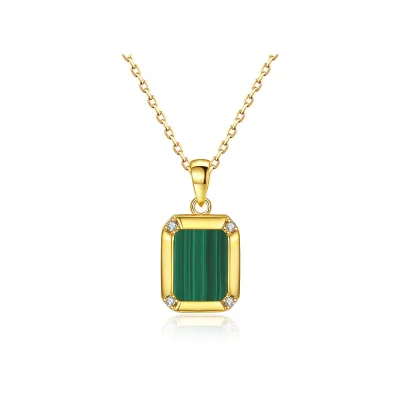


Hot Sale Factory Customized Women Fashion Customized 925 Sterling Silver Necklace
$10.00 - $12.50
MOQ: 20 Pieces

New Design 925 Sterling Silver Cross Elements Simple Metal Fashion Necklace
$6.30 - $8.60
MOQ: 20 pieces


Comprehensive Sourcing Guide
Strategic Sourcing Guide for Micro Insert Sterling Silver Necklaces
Understanding Product Specifications and Material Standards
When sourcing micro insert sterling silver necklaces, the primary focus must be on verifying the precise material composition and dimensional tolerances that define the product's integrity. The core material standard for this category is consistently identified as 925 Sterling Silver, a specification that indicates an alloy containing 92.5% pure silver and 7.5% other metals, typically copper, to enhance durability. Buyers must distinguish between products labeled simply as "silver" and those explicitly certified as "925 sterling silver" or "925 SILVER," as the latter confirms adherence to the recognized purity standard. Some listings also reference 10K and 14K Gold as compatible materials or plating options, suggesting a hybrid sourcing strategy where the base metal is silver while the finish or accents may involve gold alloys.
The physical specifications of these necklaces vary significantly across the supply base, requiring careful review of the product model numbers and dimensional data. Observed data indicates a standard length of 45cm for many models, though this is not a universal constant. The pendant shapes are diverse, ranging from Round, Circle, and Square to Star and other custom geometries. The "micro insert" designation often implies a specific setting style or a compact design suitable for layering, which aligns with the observed "Simple" and "Fashion" style attributes. Buyers should verify the exact model number, such as NS9451, NS0127, or CG20N3135S, as these identifiers often correlate with specific design blueprints and material thicknesses. The plating options are equally critical, with Gold, Rhodium, and Silver plating being the most common finishes. Rhodium plating is particularly valuable for silver items as it provides a bright, tarnish-resistant surface, while Gold plating offers a warmer aesthetic. The availability of customization in plating allows buyers to tailor the final appearance to specific brand requirements.
Compliance Verification and Certification Protocols
In the B2B jewelry sector, compliance is not merely a regulatory formality but a fundamental component of product value and market access. While the provided data confirms that products originate from China, specifically Guangdong, buyers must independently verify the certification status of the materials. The standard "925 sterling silver" is a widely recognized benchmark, but the presence of this label does not automatically guarantee third-party testing. Buyers should request assay reports or hallmarks that verify the silver content matches the 92.5% standard. For products claiming "10K and 14K Gold" components, specific karat testing is essential to ensure the gold content meets the legal definitions for those purities.
Furthermore, the "Customized" standard noted in the product attributes suggests that many items are made to order. This flexibility introduces a compliance variable: the buyer must ensure that the customization process does not compromise the material integrity or safety standards. If the product is intended for commercial resale, it must comply with the regulations of the destination market, such as the EU's Nickel Directive or the US FTC guidelines regarding jewelry labeling. The "Customized Logo" and "OEM: Yes" attributes indicate a strong potential for branding, but this also requires that the customization process adheres to intellectual property rights and does not infringe on existing trademarks. Buyers should verify that the supplier has a documented quality management system that tracks material batches from the raw silver ingot to the finished necklace, ensuring traceability and consistent compliance across production runs.
Cost Drivers and Pricing Structure Analysis
The pricing structure for micro insert sterling silver necklaces is influenced by a complex interplay of material costs, labor intensity, and customization requirements. The observed price range of 0.1 to 212.85 USD highlights the vast disparity between basic, mass-produced items and high-end, intricately designed pieces. The lower end of the spectrum likely corresponds to simple designs with minimal plating and standard packaging, while the higher end reflects complex craftsmanship, premium plating thickness, or specialized customizations. The "MOQ" (Minimum Order Quantity) is a significant cost driver, with observed ranges from 1 to 1000 units. Products with an MOQ of 50PS (pieces) suggest a flexible entry point for smaller buyers, whereas orders requiring 1000 units may benefit from economies of scale but require higher upfront capital.
Labor costs and the complexity of the "micro insert" technique also play a pivotal role in pricing. The "Simple" and "Retro" styles may be less labor-intensive than "Luxury" or "Fashion" designs that require intricate setting work. The "Customized Package" option, ranging from OPP bags to cartons, adds to the unit cost, particularly if the packaging is branded or designed to specific client specifications. Additionally, the "Fast Delivery" availability may incur a premium, as expedited shipping often requires prioritizing production slots and paying for higher logistics costs. Buyers should analyze the total landed cost, including the base price, customization fees, packaging costs, and shipping, rather than focusing solely on the unit price. The "Selling Units: Single Item" attribute suggests that while bulk pricing exists, the product is also viable for small-scale testing, which can affect the per-unit cost structure for different order volumes.
Typical Applications and Market Segmentation
The versatility of micro insert sterling silver necklaces makes them suitable for a wide array of applications, catering to diverse market segments. The "Usage" attributes explicitly list Decoration, Collection, Ceremonies, Holiday Gifts, Business Gifts, Wedding, Tour, and Sport, indicating a broad market reach. For the "Decoration" and "Collection" segments, the aesthetic appeal and material purity are the primary drivers, with buyers often seeking the "Luxury" or "Retro" styles. The "Wedding" and "Ceremonies" applications require high-quality finishes and durable plating to ensure the jewelry withstands frequent wear and emotional significance. "Business Gifts" and "Holiday Gifts" often leverage the "Customized Logo" and "Customized Package" features to create branded merchandise that reinforces corporate identity or seasonal marketing campaigns.
The "Suitable for" attributes reveal a shift from gender-specific targeting to universal appeal. While some listings specify "Female," others indicate "Male" or "Universal," suggesting that the design language is evolving to be inclusive. The "Sport" usage category is particularly interesting, as it implies a need for durable, hypoallergenic materials that can withstand physical activity. This aligns with the "925 Sterling Silver" material, which is generally safe for sensitive skin, provided the plating is robust. The "Tour" application suggests these items may be sold as souvenirs or travel accessories, where the "Simple" style and affordable price points are advantageous. Understanding these application contexts is crucial for buyers to select the right product models, such as the "NS0100" or "AS22N1723A," that align with their specific target demographic and usage scenario.
Supplier Evaluation and Operational Capabilities
Evaluating a supplier for micro insert sterling silver necklaces requires a deep dive into their operational capabilities, particularly regarding customization and production flexibility. The "OEM: Yes" and "Customization: Available" attributes are strong indicators of a supplier's ability to adapt to buyer needs. However, buyers must verify the extent of this customization. Does it include design changes, material variations, or merely logo placement? The "Custom Avaliable" remark suggests a high degree of flexibility, but the buyer must confirm the lead times and minimums associated with these custom requests. The "Place of Origin: Guangdong, China" is a known hub for jewelry manufacturing, offering access to a robust supply chain, but it also necessitates rigorous due diligence to ensure the supplier maintains high standards.
The "prod_packing" options, ranging from "OPP Bag" to "Carton" and "Customized Package," indicate the supplier's capacity for logistics management. A supplier that can handle custom packaging demonstrates a higher level of professionalism and attention to detail. The "Fast Delivery: Available" feature is a significant operational advantage, but buyers should clarify the conditions under which this is offered. Is it a standard service for all orders, or does it require a premium? The "Standard: Customized" attribute suggests that the supplier is willing to deviate from standard industry norms, which is beneficial for unique product requirements. Buyers should assess the supplier's track record in handling "Universal" and "Male/Female" specific orders to ensure they have the expertise to produce high-quality items for all target demographics.
Quality Control and Long-Term Procurement Strategy
Implementing a robust quality control (QC) strategy is essential for maintaining the integrity of micro insert sterling silver necklaces over the long term. Given the "Plating: Gold, Rhodium, Silver" options, QC must focus on the durability and adhesion of these finishes. Buyers should establish clear acceptance criteria for plating thickness and color consistency, as these are common points of failure in jewelry manufacturing. The "Pendant Shape" variations, such as "Round," "Square," and "Star," require precise dimensional checks to ensure uniformity across batches. The "Material: 925 Sterling Silver" must be verified through spot checks or third-party testing to prevent the use of substandard alloys.
For long-term procurement, buyers should prioritize suppliers who offer consistent quality and reliable lead times. The "MOQ: 50PS" and "MOQ: 1-1000" ranges suggest that suppliers are flexible, but consistency in meeting these minimums is key. The "Remark: Custom Avaliable" indicates a willingness to adapt, but buyers must ensure that customization does not lead to quality degradation. Establishing a long-term partnership with a supplier who understands the nuances of "925 sterling silver" and "10K and 14K Gold" can lead to better pricing and priority production slots. Additionally, buyers should monitor the "prod_model" consistency, ensuring that the specific models like "NS9451" or "CG20N3135S" maintain their design integrity over time. By focusing on these quality and operational factors, buyers can secure a reliable supply chain for their Micro Insert Sterling Silver Necklace products.
Comparative Analysis of Product Attributes
To facilitate informed decision-making, the following table summarizes the key attributes observed across the product listings, highlighting the variations that buyers must consider during the sourcing process.
| Attribute Category | Observed Variations | Sourcing Implication |
|---|---|---|
| Material | 925 Sterling Silver, 10K/14K Gold | Verify purity standards; check for alloy composition. |
| Plating | Gold, Rhodium, Silver, Gold/Silver | Assess plating thickness and durability for specific use cases. |
| Pendant Shape | Round, Square, Star, Circle | Match shape to target demographic and style preferences. |
| Style | Simple, Retro, Fashion, Luxury | Align style with brand identity and market positioning. |
| Customization | Logo, Package, Standard, Plating | Confirm scope of customization and associated lead times. |
| Target Audience | Female, Male, Universal | Ensure design inclusivity and marketing alignment. |
| Packaging | OPP Bag, Carton, Customized | Evaluate packaging costs and branding requirements. |
| Origin | China (Guangdong) | Verify supply chain transparency and compliance standards. |
This comparative view underscores the importance of selecting the right product model based on specific business needs. Whether the priority is "Luxury" branding or "Simple" mass-market appeal, the data supports a tailored approach to sourcing. By carefully evaluating these attributes against the buyer's specific requirements, the procurement process can be optimized for efficiency, quality, and cost-effectiveness.
FAQs
What material standards apply to these necklaces?
The core material standard is 925 Sterling Silver, ensuring 92.5% pure silver content. Some listings also reference 10K and 14K Gold as compatible plating or accent materials, requiring specific karat testing to verify legal purity definitions.
Which pendant shapes are available for this product?
Available pendant shapes include Round, Circle, Square, and Star geometries. The specific shape depends on the model number, such as NS9451 for Round or CG20N3135S for Square, allowing buyers to select based on design blueprints.
Can buyers request customized packaging for bulk orders?
Yes, customized packaging is available with options ranging from OPP bags to cartons. Buyers can tailor the final presentation to specific brand requirements, though this may add to the unit cost compared to standard packaging.
How does the minimum order quantity affect pricing?
The minimum order quantity ranges from 1 to 1000 units, influencing the per-unit cost structure. Orders with an MOQ of 50 pieces offer a flexible entry point, while larger orders may benefit from economies of scale but require higher upfront capital.
What plating options are offered for silver necklaces?
Common plating options include Gold, Rhodium, and Silver finishes. Rhodium plating provides a bright, tarnish-resistant surface, while Gold plating offers a warmer aesthetic, allowing buyers to tailor the appearance to specific brand requirements.
Which supplier locations are confirmed for these products?
Products originate from China, specifically the Guangdong region. This location is a known hub for jewelry manufacturing, offering access to a robust supply chain while necessitating rigorous due diligence to ensure high quality standards.