Source Mini Centrifugal Spray Dryer for Labs, Pharma, Food
Compare 30 Mini Centrifugal Spray Dryer units from verified Chinese suppliers. These systems support parallel and cross flow drying with customizable heat sources and rotary atomization for diverse material statuses; compare the available evidence and request quotations based on your requirements.
Key considerations
Products List


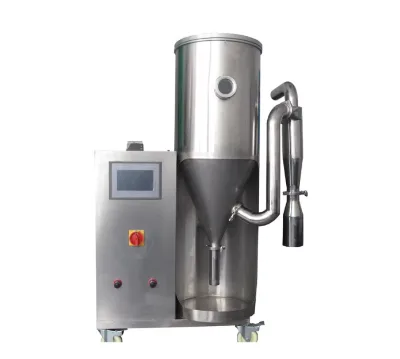


Industrial Centrifugal Spray Dryer Machine with Touch Screen Operation
$5200.00 - $91000.00
MOQ: 1 Pieces


LPG High Speed Atomizer Centrifugal Spray Dryer
$5000.00 - $200000.00
MOQ: 1 Sets
Shanghai Yiqi Pharmaceutical Machinery Group Company Limited
Comprehensive Sourcing Guide
Mini Centrifugal Spray Dryer Sourcing Guide
Procuring a Mini Centrifugal Spray Dryer requires careful evaluation of the atomization mechanism, as the supplied data confirms rotary atomization is the standard method for these units. Buyers must verify that the selected model supports the specific material status required, ranging from bulk and powder to creams, solutions, and fluids. The equipment is designed to handle diverse inputs, but the rotary speed typically operates between 15,000 and 25,000 RPM, which directly influences particle size distribution and drying efficiency.
The heating source flexibility is a critical decision point, with options including electricity, natural gas, LPG, oil, and steam. This versatility allows facilities to align the dryer with existing utility infrastructure or specific fuel availability constraints. However, the choice of heat source also dictates the required safety protocols and ventilation systems, necessitating a thorough review of the plant's capacity to support the selected fuel type before finalizing the purchase order.
Product Scope and Observed Listing Signals
Market listings for these units indicate a wide price spectrum, ranging from approximately $1,489 to $200,000, reflecting significant variations in capacity and customization levels. The observed minimum order quantity is consistently one unit, suggesting that suppliers cater to both pilot-scale research and small-batch production needs. Buyers should note that the product origin is primarily China, with specific manufacturing hubs identified in Shanghai, which influences logistics planning and lead time expectations.
Listing signals reveal that the equipment is often categorized under specific models like GK or GK-4, with evaporation capacities adjustable from 5 to 2,000 liters per hour. The physical condition is typically listed as new, and the main construction material is stainless steel, often specified as SUS304, SUS304L, SUS316, or SUS316L depending on the corrosiveness of the target material. Packaging is frequently described as wooden cases or boxes, which is essential for protecting the delicate rotary atomizer during international transit.
Technical Specifications to Verify
The control system is a pivotal technical specification, with most units featuring PLC control for precise management of drying parameters. Buyers must confirm that the voltage requirements align with their facility's power grid, as observed ranges span from 220V to 480V, including specific 380V configurations. The air temperature is generally adjustable but typically capped below 350°C, requiring verification that the specific model can maintain the thermal profile necessary for the target product's thermal stability.
Flow configuration is another critical variable, with observed listings supporting both parallel and cross-flow arrangements. The heating mode may be described as dielectric or transmission, which affects how energy is transferred to the drying chamber. Additionally, the core components such as bearings, pumps, gears, and motors must be inspected to ensure they meet the durability standards required for continuous operation, especially given the high rotational speeds inherent to centrifugal drying processes.
Compliance and Safety Documentation
Certification status is a primary compliance indicator, with ISO and CE marks appearing frequently in product descriptions. Buyers should explicitly request valid certification documents to verify that the electrical and mechanical safety standards meet the regulations of their destination country. The presence of CE certification suggests adherence to European safety directives, but it is essential to confirm that the specific model version holds current, non-expired credentials rather than relying on general supplier claims.
Safety documentation must also cover the warranty terms, which are typically standardized at one year for these units. The warranty should clearly define coverage for core components like the motor and engine, as well as the scope of after-sales support. Buyers need to ensure that the supplier provides detailed manuals for emergency shutdown procedures and routine maintenance, particularly since the equipment involves high-speed rotating parts and potentially hazardous heating sources like natural gas or LPG.
Cost Drivers and Commercial Terms
The total cost of ownership is heavily influenced by the customization level, as the product attributes indicate that customization is available for various parameters. Customized models often command higher prices due to the engineering effort required to adapt the drying temperature, airflow, and material contact surfaces to specific client needs. The standard model may offer a baseline price, but any deviation from the standard specifications, such as specific stainless steel grades or unique packing requirements, will increase the commercial cost.
Commercial terms regarding the selling unit are typically structured as single items, which simplifies the procurement process for small-scale operations. However, the weight of the unit, often around 500 kg, impacts shipping costs and requires specialized handling equipment at the destination. Buyers should negotiate clear terms for freight and insurance, as the wooden case packaging, while protective, adds significant volume and weight to the shipment, potentially affecting the final landed cost.
Supplier Qualification and Quality Control
Supplier qualification should focus on their ability to provide comprehensive after-sales service, which includes video support, online assistance, and the availability of spare parts. The most robust suppliers offer engineers available to service machinery overseas, a critical factor for minimizing downtime in international operations. Buyers must verify the supplier's track record in providing these specific services, as the complexity of the rotary atomizer and PLC systems often requires specialized technical intervention.
Quality control extends to the verification of the main material composition, ensuring that the stainless steel used matches the specified grades like SUS316L for corrosive applications. The production standard is noted as dependent on the model, so buyers must request detailed material certificates and factory inspection reports before shipment. Confirming that the equipment is built to the specified model standards, such as the GK series, ensures that the performance characteristics like evaporation capacity and drying temperature are met as promised.
Long-Term Procurement Checks
Long-term procurement success depends on the availability of spare parts and the supplier's commitment to ongoing technical support. The product attributes list video support and online support as standard, but buyers should establish a formal agreement for the supply of critical components like bearings and pumps to prevent operational delays. A proactive maintenance plan should be developed based on the observed rotary speed and heating mode to extend the operational life of the machinery.
Finally, buyers must monitor the product's performance against the initial specifications, particularly the drying temperature and evaporation capacity, which are often customizable. Regular audits of the equipment's condition and a review of the warranty status are necessary to ensure continued compliance with safety and performance standards. Establishing a direct line of communication with the supplier for future upgrades or capacity expansions will facilitate a sustainable procurement relationship over the equipment's lifecycle.
FAQs
What atomization method does a Mini Centrifugal Spray Dryer use?
It uses rotary atomization to process materials into fine droplets. This method ensures consistent particle size distribution for powders, creams, and solutions. The system operates with a rotary speed between 15000 and 25000 RPM. This high-speed rotation is essential for efficient drying and product quality in small-scale applications.
Which heating sources are compatible with these spray dryers?
These units support multiple heating sources including electricity, LPG, natural gas, oil, and steam. The voltage range typically spans 220V to 480V. This flexibility allows users to select the most cost-effective or available energy source for their specific facility requirements and operational constraints.
What materials are used for the main construction?
The main material is typically stainless steel, specifically SUS304, SUS304L, SUS316, or SUS316L. Some models may also incorporate glass components. These materials ensure durability and resistance to corrosion, which is critical for maintaining hygiene and product purity during the drying of various chemical and pharmaceutical substances.
Can the drying temperature be customized for specific products?
Yes, the drying temperature is customizable and adjustable. The air temperature can typically be set below 350°C. This adjustability allows operators to tailor the drying process to the thermal sensitivity of different materials, ensuring optimal product integrity and preventing degradation of heat-sensitive compounds during the spray drying operation.
What certifications are available for these spray drying machines?
These machines often carry ISO and CE certifications. These certifications indicate compliance with international safety and quality standards. Buyers should verify specific certification documents with suppliers to ensure the equipment meets local regulatory requirements and operational safety protocols for industrial or laboratory environments.
What after-sales support is typically provided for these units?
Support usually includes video technical support, online assistance, and free spare parts. Some suppliers offer engineers available to service machinery overseas. This comprehensive support structure helps minimize downtime and ensures proper maintenance and troubleshooting capabilities for the spray drying equipment throughout its operational lifecycle.