Source 24V Household Salt Water Chlorinator for Pool, Gym, and Garden
Find and compare 30 listings for the 24V Household Salt Water Chlorinator, featuring EC Pro and SR series models with outputs from 4g/H to 33g/H. Evaluate specifications like max pool volume, power input, and CE certification to select the right sterilization equipment for your needs.
Key considerations
Products List


Efficient Chlorine Pool Salt Chlorinator Chlorine Cell Salt Water Chlorinator
$150.55 - $170.20
MOQ: 1 Pieces

Multi-Function Chlorinator with ORP and pH Control Salt Water Chlorinator
$150.55 - $170.20
MOQ: 1 Pieces


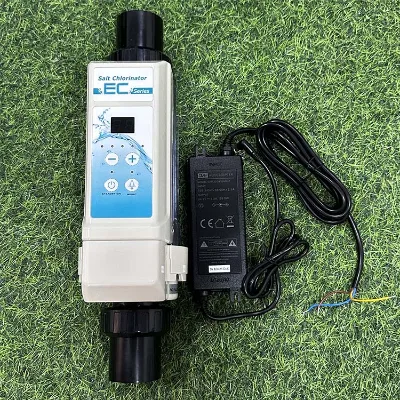


Disinfect Pool System Chlorinator Water Salt Cell Chlorinator Swimming Pool Equipment
$156.90 - $158.04
MOQ: 2 Pieces

Salt Water Electrolyzer with Titanium Electrodes for Salt Chlorine Generator
$152.90 - $158.06
MOQ: 2 Pieces
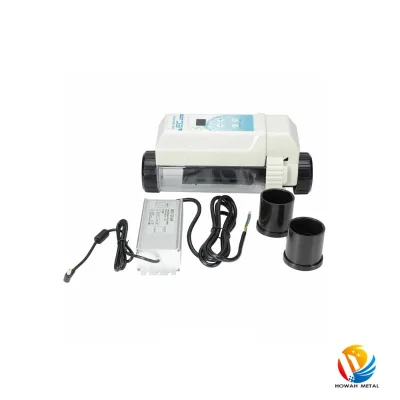


Salt Water Chlorinator, Chlorine Production: 50g/H, Current: 26AMP, Voltage: 24VDC
$285.00 - $310.00
MOQ: 1 Pieces


Comprehensive Sourcing Guide
24V Household Salt Water Chlorinator Sourcing Guide
Sourcing a 24V Household Salt Water Chlorinator requires a careful balance between electrical safety, chemical output efficiency, and material durability. These systems are designed to sanitize swimming pools by converting dissolved salt into chlorine through electrolysis, offering a sustainable alternative to traditional chemical dosing. The 24V operating voltage is a critical safety feature for residential installations, significantly reducing the risk of electrical shock compared to standard 110V or 220V direct-current systems. Buyers must prioritize devices that explicitly state this low-voltage operation to ensure compliance with residential electrical codes and to protect both the equipment and the end-user.
The procurement process involves navigating a diverse market of manufacturers, primarily based in China, who offer a wide range of models with varying chlorine outputs and pool volume capacities. The observed market presents products ranging from entry-level units with 4g/h output to high-capacity systems capable of treating pools up to 127 cubic meters. Understanding the specific needs of the target pool size, water flow rates, and local water chemistry is essential before selecting a supplier. This guide provides a structured approach to evaluating these products, ensuring that buyers can make informed decisions based on verified technical specifications and commercial terms.
Product Scope and Observed Listing Signals
The current market for 24V salt water chlorinators includes several distinct product lines, such as the EC Pro Series and the SR Series, each catering to different pool sizes and usage scenarios. The EC Pro Series offers a scalable range of models, with chlorine outputs varying from 4g/h to 30g/h, corresponding to maximum pool volumes from 18 to 127 cubic meters. These units are typically packaged in cartons and feature a standardized design with a diameter of 1.5 inches for water inlet and outlet connections. Buyers should note that while the core technology is similar, the physical dimensions and power consumption vary significantly across the series, with total power inputs ranging from 0.25kW to 1.85kW depending on the model.
In addition to the EC Pro Series, other models like the HQ/SQ series and the SR Series provide alternative options for specific applications. The SR Series, for instance, includes models with outputs ranging from 5g/h to 25g/h, such as the Sr050, Sr075, and Sr250, offering flexibility for smaller or medium-sized residential pools. These units often feature self-cleaning functions and are constructed from durable plastic materials, available in white and blue color schemes. The observed listing signals indicate a strong emphasis on versatility, with products designed for use in playgrounds, gardens, gyms, and bathrooms, although the primary application remains swimming pool sterilization. Buyers should verify the specific model number and output capacity to ensure compatibility with their pool’s volume and circulation system.
Technical Specifications to Verify
When evaluating a 24V salt water chlorinator, the chlorine output capacity is the most critical technical specification to verify. This metric determines the unit’s ability to maintain proper sanitizer levels in the pool water and must be matched to the pool’s volume and usage intensity. For example, a pool with a maximum volume of 68 cubic meters may require a unit with a 16g/h output, while larger pools up to 127 cubic meters may need a 30g/h model. Buyers should also check the power input and output specifications, ensuring that the device operates on AC100-240V 50Hz/60Hz input and provides a stable DC24V or DC29V output for the electrolytic cell. Mismatched power specifications can lead to inefficient chlorination or equipment damage.
Another essential technical aspect is the connection type and physical dimensions of the unit. Most models feature a flexible hose or PVC pipe connection with a standard diameter of 1.5 inches (50mm), which must align with the existing pool plumbing. The physical size of the chlorinator, such as the 365260140mm dimensions observed in some EC Pro models, must be considered for installation space, especially in tight equipment rooms. Additionally, buyers should verify the pump power requirements, as some units may require a pump with a maximum power of 1.5kW and a current draw of 6.8A. Ensuring that the chlorinator is compatible with the pool’s circulation system is vital for optimal performance and longevity.
Compliance and Safety Documentation
Compliance with international safety and quality standards is non-negotiable when sourcing electrical equipment for residential use. The majority of observed products carry CE certification, indicating conformity with health, safety, and environmental protection standards for products sold within the European Economic Area. Buyers should request valid CE certificates and verify that the documentation matches the specific model number and serial batch of the product. ISO9001 certification is also commonly listed, signifying that the manufacturer adheres to international quality management principles. These certifications provide a baseline assurance of product reliability and manufacturing consistency, reducing the risk of receiving substandard or unsafe equipment.
In addition to certifications, buyers must ensure that the product meets local electrical and safety regulations in their target market. While CE and ISO9001 are widely recognized, specific regions may have additional requirements, such as UL or ETL certification in North America. The use of 24V low-voltage operation is a significant safety advantage, but buyers should still verify that the power supply unit is properly insulated and protected against water ingress. Documentation should include clear instructions for installation, maintenance, and troubleshooting, as well as warranty terms that cover electrical components and the electrolytic cell. Failure to verify these documents can result in compliance violations and potential liability issues.
Cost Drivers and Commercial Terms
The cost of a 24V salt water chlorinator is influenced by several factors, including chlorine output capacity, power consumption, and included accessories. Higher-capacity models, such as those with 20g/h or 30g/h outputs, typically command higher prices due to the increased material and manufacturing costs associated with larger electrolytic cells and more robust power supplies. The observed price range of $65.5 to $1000 USD reflects this variability, with entry-level units being more affordable and high-end models representing a significant investment. Buyers should consider the total cost of ownership, including energy consumption and replacement parts, rather than just the initial purchase price.
Minimum Order Quantity (MOQ) and payment terms are also key commercial considerations. The observed MOQ range of 1 to 100 units suggests flexibility for both individual buyers and bulk purchasers. For small-scale procurement, buyers may find suppliers willing to accept single-unit orders, while larger organizations may benefit from negotiating volume discounts. Payment terms typically involve a deposit upon order confirmation and the balance before shipment, but buyers should strive for secure payment methods such as letters of credit or escrow services for larger transactions. Lead times can vary based on production schedules and shipping logistics, so buyers should confirm delivery estimates and any potential delays due to customs or supply chain disruptions.
Supplier Qualification and Quality Control
Selecting a reliable supplier is crucial for ensuring the long-term performance and support of the 24V salt water chlorinator. Buyers should prioritize suppliers with a proven track record in manufacturing and exporting pool equipment, as evidenced by their certifications and customer reviews. Verification of the supplier’s production capabilities, including factory audits and quality control processes, can provide additional assurance of product consistency. Suppliers who offer customization options, such as branded packaging or specific voltage configurations, may be better suited for businesses looking to differentiate their offerings in the market.
Quality control measures should be implemented throughout the procurement process, from initial sampling to final inspection. Buyers should request product samples to test performance, durability, and ease of installation before committing to large orders. During production, third-party inspection services can be engaged to verify that the products meet the agreed-upon specifications and quality standards. Post-delivery, buyers should establish a feedback loop with the supplier to address any issues promptly and to identify opportunities for continuous improvement. Building a strong relationship with a qualified supplier can lead to better pricing, priority support, and access to new product innovations.
Long-Term Procurement Checks
Long-term success in sourcing 24V salt water chlorinators depends on ongoing monitoring of product performance and supplier reliability. Buyers should track key performance indicators such as chlorine output consistency, energy efficiency, and maintenance frequency to assess the value of the purchased units. Regular reviews of supplier performance, including delivery times, communication responsiveness, and after-sales support, are essential for maintaining a healthy supply chain. Buyers should also stay informed about industry trends and technological advancements, such as improvements in electrolytic cell materials or smart monitoring features, to ensure that their procurement strategy remains competitive.
Additionally, buyers should periodically re-evaluate their supplier base to identify potential risks and opportunities for cost savings. Diversifying suppliers can mitigate the impact of supply chain disruptions and provide leverage in negotiations. It is also important to stay updated on regulatory changes and certification requirements in target markets to ensure continued compliance. By maintaining a proactive approach to procurement, buyers can secure a reliable supply of high-quality 24V salt water chlorinators that meet the evolving needs of their customers and support the long-term success of their business.
FAQs
What is the chlorine output range for 24V Household Salt Water Chlorinator models?
The chlorine output ranges from 4g/H to 30g/H depending on the specific Ec PRO model selected. The Ec PRO 4 produces 4g/H, while the Ec PRO 30 delivers 30g/H. Other models like the Sr Series offer outputs from 5g/H to 25g/H. This variation allows users to match the generator capacity precisely to their pool size and usage intensity for optimal sanitation.
Can a 24V Household Salt Water Chlorinator handle pools up to 127 cubic meters?
Yes, specific models are designed to handle pools up to 127 cubic meters. The Ec PRO 30 model supports a maximum pool volume of 127 cubic meters. Smaller units like the Ec PRO 4 are suitable for volumes up to 18 cubic meters. Users should select the model based on their pool's exact volume to ensure effective sterilization and disinfection without underperforming.
What certifications are available for 24V Household Salt Water Chlorinator products?
Products typically carry CE and ISO9001 certifications. The CE certification confirms compliance with European safety standards, while ISO9001 indicates quality management system adherence. These certifications are standard for manufacturers originating from China. Buyers should verify these documents to ensure the equipment meets regulatory requirements for their specific market and installation environment.
How is the 24V Household Salt Water Chlorinator powered and connected?
The device operates on an operating voltage of DC 24V and connects via flexible hose or PVC pipe. The power input accepts AC100-240V at 50Hz or 60Hz, converting to DC24V or DC29V output. This flexible power compatibility allows installation in various regions. The connection method ensures secure water flow integration into existing pool plumbing systems for continuous operation.
What is the packaging and weight for shipping a 24V Household Salt Water Chlorinator?
The product is packed in a carton with package dimensions of 33x25x20cm. The gross weight is approximately 3.00kg per unit. This compact packaging facilitates easy handling and shipping. The lightweight design reduces logistics costs. Buyers should account for these dimensions when planning storage or freight arrangements, ensuring the packaging protects the plastic material during transit.
Does the 24V Household Salt Water Chlorinator feature a self-cleaning function?
Yes, the equipment includes a self-cleaning function to maintain efficiency. This feature reduces manual maintenance requirements by automatically cleaning the electrolytic cells. It ensures consistent chlorine production over time. The self-cleaning capability is a key attribute for household users seeking low-maintenance pool sanitation. This function helps prolong the lifespan of the unit and maintains water quality with minimal user intervention.