Source Mini Santa Claus Christmas Stocking for Gifts, Decor, and Events
Explore 30 listings for the Mini Santa Claus Christmas Stocking to compare custom sizes, materials like knit and canvas, and pricing from Zhejiang suppliers. Buyers can evaluate features such as embroidery and packaging options for holiday decoration needs.
Key considerations
Products List
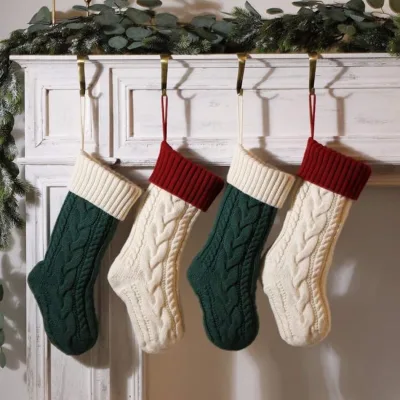
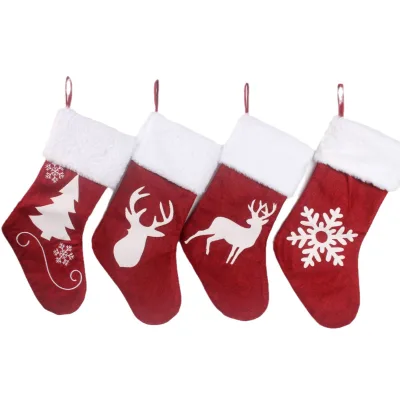
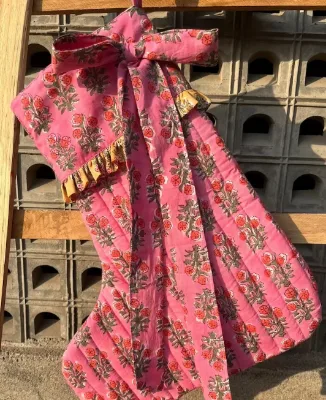


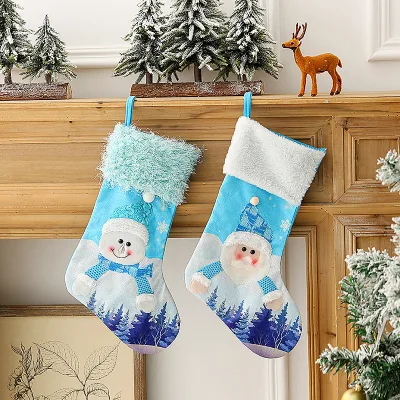

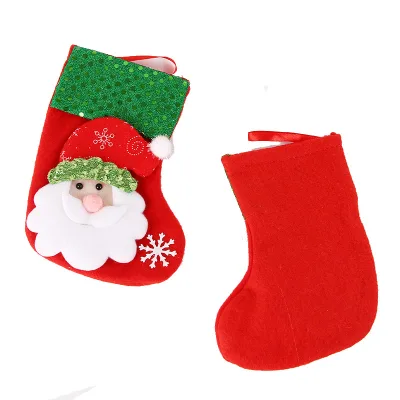
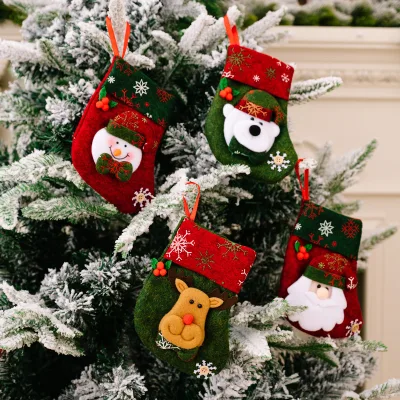

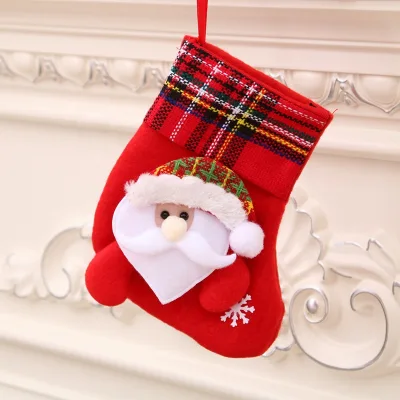
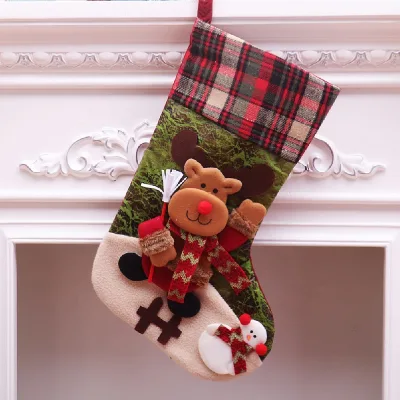
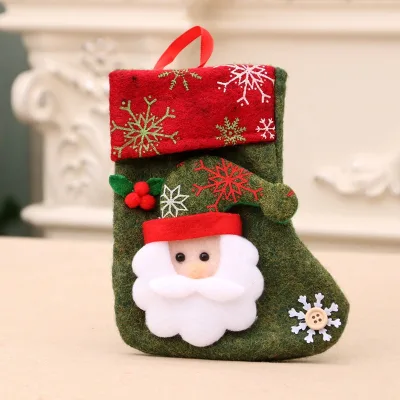
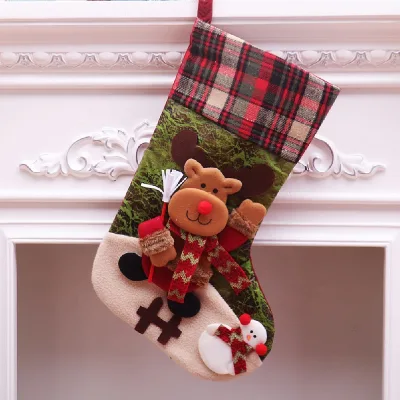
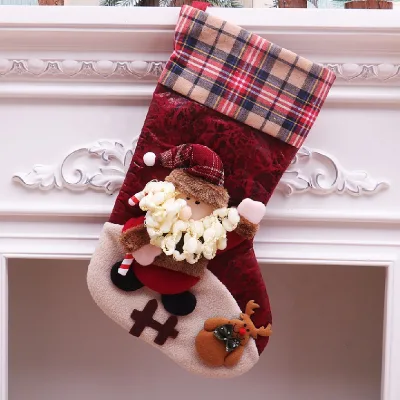
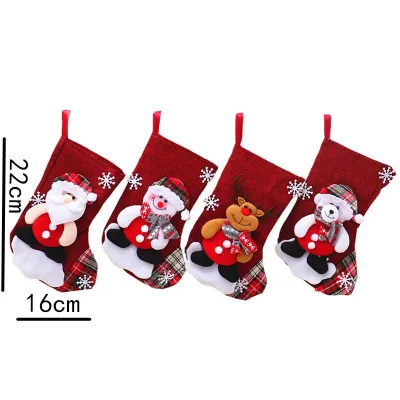


Wholesale Scottish Style Lovely Santa Claus Christmas Hanging Stockings
$0.25 - $0.27
MOQ: 1200 Pieces


Comprehensive Sourcing Guide
Mini Santa Claus Christmas Stocking Sourcing Guide
Sourcing festive holiday decor requires a balance of aesthetic appeal, material durability, and commercial viability. The Mini Santa Claus Christmas Stocking represents a high-volume category where customization and branding play pivotal roles in driving sales. Buyers must navigate a landscape defined by diverse material options, from soft knits to sturdy canvases, while ensuring that the final product meets safety standards for children and aligns with brand identity. This guide provides a structured approach to evaluating suppliers, verifying technical specifications, and managing commercial risks associated with importing these seasonal items.
The procurement process for Christmas stockings is heavily influenced by lead times, minimum order quantities (MOQs), and the complexity of customization. Suppliers often offer OEM and ODM services, allowing buyers to imprint logos or create unique designs. However, this flexibility introduces variables in pricing and quality control. Understanding the observed market signals, such as price ranges and packaging details, is essential for negotiating favorable terms and ensuring that the product arrives in pristine condition for the holiday season.
Product Scope and Observed Listing Signals
The market for mini Santa Claus Christmas stockings exhibits a wide variance in product attributes, reflecting the diverse needs of retailers and corporate gift buyers. Observed listings indicate a price range between $0.12 and $5.51 USD, suggesting that cost is a significant differentiator based on material quality, print complexity, and order volume. The minimum order quantities (MOQs) observed range from as low as 2 pieces to as high as 3,600 pieces, indicating that suppliers cater to both small-scale boutique orders and large-scale wholesale distributions. Buyers should align their order size with their inventory forecasts to avoid excessive holding costs or stockouts during the peak holiday period.
Product descriptions frequently highlight features such as "Hot Selling," "Factory Price," and "Good Quality," which serve as marketing signals rather than guaranteed specifications. Common attributes include customizable sizes, with options for medium or bespoke dimensions, and materials ranging from knit fabrics to canvas and cotton. The visual presentation often emphasizes "New Pattern" designs and "High-quality/Fashion" aesthetics, with colors typically matching product images or offering mixed options. Packaging details vary, with some suppliers offering individual OPP bag packaging for retail readiness, while others provide bulk carton packing for efficiency. Buyers must verify these attributes against physical samples to ensure consistency.
Technical Specifications to Verify
Material composition is a critical technical specification that directly impacts the product's feel, durability, and end-use suitability. Suppliers may list materials such as knit, canvas, or cotton, each offering distinct advantages. Knit fabrics provide a soft, traditional look suitable for hanging on mantels, while canvas materials offer greater structural integrity for holding heavier gifts. Buyers should request material swatches to assess texture and thickness, ensuring that the chosen fabric aligns with the intended application, whether for home decoration or as a functional gift holder. The presence of features like "Eco-Friendly" or "Soft" claims should be validated through physical inspection or supplier documentation.
Dimensional accuracy and packaging specifications are equally important for logistics and retail display. Single package sizes observed range from approximately 32x2x49 cm to 45x35x5 cm, indicating significant variation in how products are prepared for shipment. Buyers must confirm the single gross weight, which can range from 0.200 kg to 0.500 kg, to calculate accurate freight costs and warehouse space requirements. Additionally, model numbers such as "Sublimation Christmas Stocking - fgw07099" or "wjf250716" help in tracking specific product variants. Verifying these technical details ensures that the ordered items match the design prototypes and fit within the buyer's supply chain constraints.
Compliance and Safety Documentation
Safety compliance is paramount when sourcing products intended for children or household use, especially during the Christmas season. Although specific certification statuses are not provided in the observed data, buyers must verify that suppliers adhere to relevant safety standards for textile products and holiday decorations. This includes checking for flammability resistance, particularly for items made from knit or cotton materials, and ensuring that any decorative elements, such as pom-poms or embroidered logos, are securely attached to prevent choking hazards. Buyers should request test reports or compliance certificates from the supplier to confirm that the products meet the regulatory requirements of their target market.
Environmental and ethical considerations are increasingly important in the procurement of holiday goods. Claims of "Eco-Friendly" materials should be substantiated with evidence of sustainable sourcing or production practices. Buyers should inquire about the dyeing and printing processes used, such as sublimation or embroidery, to ensure that no harmful chemicals are involved. Additionally, verifying the supplier's adherence to labor standards and ethical manufacturing practices is essential for maintaining brand reputation. Documentation such as social compliance audits or material safety data sheets (MSDS) can provide assurance that the products are produced responsibly.
Cost Drivers and Commercial Terms
The cost of mini Santa Claus Christmas stockings is influenced by several key drivers, including material selection, customization complexity, and order volume. The observed price range of $0.12 to $5.51 USD reflects these variables, with lower prices typically associated with higher MOQs and simpler designs. Buyers should negotiate pricing based on their expected order quantities, leveraging the supplier's willingness to offer "Factory Price" advantages for larger commitments. Understanding the cost structure helps in budgeting accurately and identifying opportunities for cost savings without compromising quality.
Commercial terms, including payment methods, lead times, and shipping arrangements, play a crucial role in the overall procurement strategy. Sample times are noted to be around 7 to 10 days, which buyers must factor into their planning to ensure timely delivery before the holiday season. MOQs vary significantly, with some suppliers requiring as few as 100 pieces while others demand 300 or more. Buyers should clarify these terms in the purchase agreement to avoid misunderstandings. Additionally, packaging details, such as individual OPP bags or bulk cartons, can impact handling costs and retail presentation, so these should be specified clearly in the order.
Supplier Qualification and Quality Control
Supplier qualification is a critical step in ensuring a reliable supply chain for Christmas stockings. Buyers should assess suppliers based on their production capacity, quality control processes, and ability to meet customization requests. The acceptance of OEM and ODM services indicates that suppliers are equipped to handle bespoke orders, but buyers must verify their capability to maintain consistency across large production runs. Requesting references or case studies from previous clients can provide insights into the supplier's reliability and performance.
Quality control measures should be implemented throughout the production process to ensure that the final products meet the agreed-upon standards. Buyers should conduct pre-shipment inspections to check for defects in stitching, printing, and material quality. The "Excellent" quality claims made by suppliers should be validated through rigorous testing and inspection protocols. Establishing clear quality benchmarks and communication channels with the supplier helps in addressing any issues promptly. Regular audits and feedback loops can further enhance the quality of supplied goods and foster a long-term partnership.
Long-Term Procurement Checks
Long-term procurement success depends on continuous monitoring of supplier performance and market trends. Buyers should regularly review supplier metrics, such as on-time delivery rates, defect rates, and responsiveness to issues. This data-driven approach helps in identifying potential risks and making informed decisions about future orders. Additionally, staying updated on emerging design trends and material innovations allows buyers to offer fresh and appealing products to their customers. Engaging in strategic planning with suppliers can lead to collaborative improvements in product quality and cost efficiency.
Sustainability and ethical sourcing are becoming increasingly important factors in long-term procurement strategies. Buyers should prioritize suppliers who demonstrate a commitment to environmental responsibility and ethical labor practices. This not only mitigates regulatory risks but also enhances brand value among conscious consumers. Building a diverse supplier base can also reduce dependency on single sources and provide flexibility in responding to market changes. By focusing on these long-term checks, buyers can ensure a resilient and competitive supply chain for mini Santa Claus Christmas stockings.
FAQs
What materials are commonly used for mini santa claus christmas stockings?
Common materials include knit fabric, canvas, and cotton, often finished with details like pom poms, fur trim, or embroidery. Knit versions are soft and flexible, while canvas and cotton options hold embroidered or printed designs well. Material choice affects weight, texture, and decoration method, so confirm the fabric composition with the supplier before ordering.
Can I customize the size, color, and logo of these stockings?
Yes, customization is generally available, with sizes made to order and custom logo embroidery or printing accepted. Many suppliers support OEM and ODM design changes, including custom colors matched to your artwork. Expect a sampling stage before bulk production, so provide your design files early and confirm any customization fees upfront.
What is the typical MOQ for mini santa claus christmas stockings?
Minimum order quantities vary by supplier and product style, commonly ranging from around 100 pieces up to 300 pieces for customized designs. Stock items may be available in lower quantities, while personalized embroidered versions usually require higher minimums. Always confirm the exact MOQ for your chosen design, color, and customization level before placing an order.
How long does sampling take before bulk production?
Sample lead time is typically 7 to 10 days after your design and requirements are confirmed. Complex embroidery, custom logos, or special materials can extend this window. Build in shipping time for the sample to reach you, then plan production and delivery schedules so the finished stockings arrive before the Christmas retail season.
How are the stockings packed for shipping?
Standard packaging is one piece per OPP bag, with ten pieces per OPP bag and one hundred pieces packed into a carton. Single items are lightweight, typically around 0.2 to 0.5 kilograms each, keeping freight costs manageable. If you need retail-ready or gift packaging, discuss options with the supplier before production begins.
Which decorations and printing methods work on these stockings?
Embroidery is the most common decoration method, giving a durable, premium finish on knit, canvas, and cotton fabrics. Sublimation printing is also used for colorful, detailed designs. Some styles feature sewn-on elements like pom poms, fur trim, or animated character shapes. Choose the method based on your artwork complexity and the fabric of the stocking.
Where are these christmas stockings produced?
Listed products originate from Zhejiang, China, a major manufacturing region for Christmas decorations and holiday textiles. Suppliers there typically handle both custom and ready-made designs with factory-direct pricing. Lead times, packaging, and shipping arrangements vary by supplier, so request quotations and production schedules from several sources before committing to an order.