Source Mini Soap Making Machine for Toilet, Laundry, and Bathing Soap
Explore 30 listings for the Mini Soap Making Machine designed for toilet, laundry, and bathing soap production. Buyers can compare specifications, prices, and customization options to find the right equipment for their manufacturing needs.
Key considerations
Products List


Toilet & Bathing Soap Making Machine Multi-Purpose Soap Making Machinery for Sale
$50100.00 - $59000.00
MOQ: 1 Sets
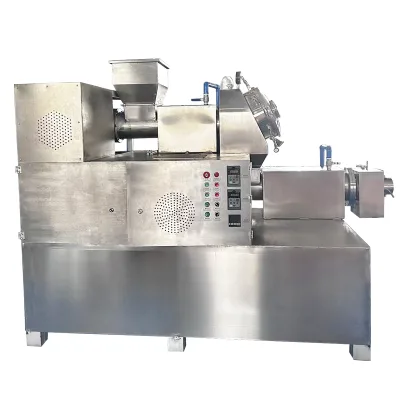
Goat Milk Soap Base Mini Soap Making Machine Solid Soap Making Machine
$2034.24 - $9154.09
MOQ: 1 Minimum


High Quality Mini Toilet Price of Complete Bar Soap Making Machine
$20000.00 - $25000.00
MOQ: 1 Pieces

Toilet Forming Production Line High Quality Soap Making Machine with
$20000.00 - $25000.00
MOQ: 1 Pieces

Small Soap Making Machine Mini Toilet Soap Making Machine Production Line
$5000.00 - $5500.00
MOQ: 1 Pieces


Factory Direct Sales Soap Production Line / Soap Making Machine Price
$11111.00 - $13333.00
MOQ: 1 set


Soap Making Machine Small Machine Line Mini Soap Solid Soap Production Line Bar
$12000.00 - $16000.00
MOQ: 1 Sets

Automatic Soap Making Machine High Efficiency Soap Production Equipment
$5000.00 - $5500.00
MOQ: 1 Sets
Comprehensive Sourcing Guide
Strategic Sourcing Guide for Mini Soap Making Machines
The global demand for specialized soap manufacturing equipment has driven a significant evolution in the Mini Soap Making Machine market. For procurement professionals and small-to-medium enterprise (SME) owners, identifying the right machinery is not merely about finding a low-cost unit but ensuring operational compatibility, regulatory compliance, and long-term production viability. This guide synthesizes observed market data and technical specifications to provide a disciplined framework for sourcing these critical assets. The focus remains on evidence-based attributes, ensuring that buyers can make informed decisions without relying on unverified marketing claims.
Technical Specifications and Production Capabilities
When evaluating a Mini Soap Making Machine, the primary objective is to align the machine's technical architecture with the intended production output. The observed market data indicates a diverse range of configurations, particularly regarding control systems and power sources. Most units in this category utilize a Button Control system, which offers a straightforward interface for operators while maintaining essential process oversight. The power source is consistently Electric, with voltage requirements varying across models to accommodate different regional grids. Buyers should specifically verify voltage compatibility, as observed specifications include 220V, 380V, and 450V options. Selecting the incorrect voltage can lead to immediate equipment failure or safety hazards.
The core mechanical components are equally critical. The machinery typically relies on a Motor and PLC (Programmable Logic Controller) as core components. These elements drive the automation logic, ensuring consistency in the saponification and extrusion processes. The heating method is predominantly Electric Heating, which allows for precise temperature control necessary for melting soap noodles or processing oils. Cooling is managed via a Water Cooling system, a vital feature for solidifying the soap mass before cutting and packaging.
Material construction is a primary determinant of durability and hygiene. The main materials observed include Stainless Steel, Cast Iron, Carbon Steel, Aluminum, and Alloy Steel. Stainless steel is frequently cited as the standard for food-grade and cosmetic-grade applications due to its corrosion resistance and ease of cleaning. The raw materials processed vary significantly depending on the machine's design. Some units are engineered for Soap Noodles, suitable for re-melting and re-extruding existing soap bases. Others are designed for direct processing from Oil, specifically Vegetable Oil or Animal Oil, indicating a full saponification capability. Understanding whether the machine is a re-melter or a full-process saponification unit is the first step in technical evaluation.
Compliance, Certification, and Regulatory Standards
In the B2B procurement of industrial machinery, compliance is not optional; it is a prerequisite for market access and operational safety. The observed product listings consistently highlight a suite of certifications, including RoHS, ISO, CE, and CCC. These designations indicate adherence to specific environmental, quality management, and safety standards. RoHS compliance ensures the machine does not contain restricted hazardous substances, which is crucial for export to the European Union and other regulated markets. ISO certification suggests a commitment to quality management systems, while CCC (China Compulsory Certification) is mandatory for products sold within the Chinese domestic market.
Buyers must treat these certifications as verified attributes of specific units rather than universal guarantees for all "mini soap making machines." The presence of a CE mark, for instance, implies conformity with health, safety, and environmental protection standards for products sold within the European Economic Area. However, procurement teams should request the actual certification documents to verify validity, as the mere listing of a keyword does not constitute proof of current compliance. Additionally, the machinery test report is noted as Provided for certain models. This document serves as empirical evidence of the machine's performance under load and should be reviewed to confirm that the manufacturer's claims regarding speed and output match reality.
Cost Drivers and Pricing Structure
The pricing landscape for mini soap making machines is highly variable, reflecting the complexity of the machinery and the scale of production. The observed price range spans from 800 USD to 59,000 USD. This wide disparity is driven by several key factors. At the lower end of the spectrum, machines are likely semi-automatic or designed for very small batch sizes, potentially utilizing simpler control systems and fewer material grades. Conversely, the upper end of the price range likely corresponds to fully automatic production lines, such as the LAF300T-S or LAF500L-E models, which feature advanced PLC integration, higher-grade stainless steel construction, and comprehensive automation for Automatic Soap Production.
Another significant cost driver is the level of Customization. The market data confirms that Customization is Available for many units. Custom molds, specific Mould Shapes (including Round, Rectangular, Heart-shaped, or fully Customized designs), and tailored packaging systems will increase the base cost. The MOQ (Minimum Order Quantity) observed is consistently 1, indicating that these machines are often available for single-unit purchase, which lowers the barrier to entry for small businesses. However, buyers should be aware that while the unit price might be accessible, the total cost of ownership includes the cost of Raw Material (such as Soap Noodles or Oil), energy consumption, and the Packaging Material (typically Paper/Carton/Film) required for the final product.
Typical Applications and Product Versatility
The versatility of mini soap making machines is a major selling point, allowing manufacturers to diversify their product portfolios without investing in entirely new production lines. The observed data highlights a broad spectrum of Soap Type capabilities. Machines are capable of producing Toilet Soap, Laundry Soap, Hotel Soap, and Hand Made Soap. Specific models are even designated for niche applications, such as Toilet Soap with a Variety of Powder Additives or Ordinary Laundry Soap with Simple Ingredients.
The Finally products generated by these lines typically include bath Soap, toilet soap, and laundry soap. This flexibility is achieved through the machine's ability to handle different Raw Materials and Oil Types. For instance, a machine designed for Cold Process Soap Making might utilize Vegetable Oil to create a gentle, natural bar, while a unit optimized for Saponification Laundry Soap might process heavier animal fats or simpler chemical blends. The Function of these machines is broadly defined as a Soap Automatic Production Line, suggesting that the entire process from mixing to cutting is integrated. The Additional Features often include a Packaging System, Mixing Function, Cutting System, and Cooling System, which streamlines the workflow and reduces the need for auxiliary equipment.
Supplier Evaluation and After-Sales Support
Selecting a supplier extends beyond the initial transaction; it involves securing a long-term partnership for maintenance and support. The After-sales Service landscape for these machines is robust, with common offerings including Online Support, video Technical Support, Free Spare Parts, and Engineers Available to Service Machinery Overseas. This level of support is critical for buyers who may lack in-house technical expertise. The availability of Engineers to travel overseas is a high-value service, particularly for international buyers who require on-site installation or complex troubleshooting.
Buyers should also scrutinize the Warranty terms. The observed standard warranty period is 1 Year. This coverage typically applies to core components like the Motor and PLC. The After Warranty Service is often limited to Online Video Technical Support, meaning that physical visits or part replacements may incur additional costs after the first year. The Key Selling Points of the machinery often include Long Service Life, High Productivity, and Easy To Operate. These attributes should be validated through the machinery test report and customer references rather than accepted solely as marketing statements. The place of origin for many of these machines is Henan, China, with some specific models originating from Nantong City, China. Understanding the geographic location of the manufacturer can help in estimating shipping costs and lead times, although specific lead times were not explicitly provided in the data.
Quality Control and Long-Term Procurement Considerations
To ensure the longevity and reliability of the purchased equipment, buyers must implement a rigorous quality control (QC) protocol. The Condition of the machines is listed as New, but this does not guarantee the quality of the manufacturing process. Buyers should verify the prod_standard, which is often Stainless Steel, and confirm the specific grade of steel used in the construction. The prod_packing is described as Export Standard Packages, which should protect the machinery during transit, but buyers should inspect the unit immediately upon arrival for any transit damage.
Long-term procurement considerations involve the scalability of the production line. The prod_model numbers, such as ST-SM100, ST-SM500, LAF300T-S, and LAF500L-E, suggest a modular approach where different models may serve different production capacities. A buyer planning for future growth should consider whether the current machine can be upgraded or if a larger model is a better initial investment. The weight of the machinery, observed at 1000 kg for certain models, indicates that the equipment is heavy-duty and requires a stable foundation and appropriate handling equipment for installation.
Furthermore, the Application of the machine is strictly defined as Produce the soap, but the specific output quality depends on the operator's skill and the consistency of the Raw Material. The Keywords associated with these machines, such as bar soap making machine and Mini Soap Making Machine, indicate a focus on small-batch, high-value production. Buyers should ensure that the machine's Cooling Method and Heating Method are compatible with the specific soap formulation they intend to produce. For example, a machine with a Water Cooling system is essential for maintaining the structural integrity of the soap bars during the cutting phase.
Final Procurement Recommendations
The market for mini soap making machines offers a wide array of options, from basic re-melters to fully automated production lines. The key to successful procurement lies in a meticulous review of technical specifications, verification of certifications, and a clear understanding of the supplier's after-sales capabilities. Buyers should prioritize machines that offer Customization options to meet specific product requirements, such as unique Mould Shapes or specialized Soap Types. The 1 Year warranty and the availability of Free Spare Parts are significant advantages, but the long-term success of the operation will depend on the reliability of the Motor and PLC components and the quality of the Stainless Steel construction.
By focusing on the evidence provided in the product data—such as the 220V 380V 450V voltage options, the RoHS, ISO, CE, CCC certifications, and the Online Support services—buyers can navigate the market with confidence. The goal is to acquire a machine that not only meets the immediate production needs but also aligns with the strategic goals of the business, ensuring High Productivity and Easy To Operate performance over the long term. Whether the focus is on Toilet Soap, Laundry Soap, or Bathing Soap, the right machine selection is the foundation of a successful soap manufacturing venture.
FAQs
What certifications do mini soap making machines typically have?
These machines typically hold RoHS, ISO, CE, and CCC certifications. Buyers should verify specific documents for each unit, as listings may not guarantee universal compliance across all models or suppliers.
How is the cooling system managed in these machines?
The cooling method is consistently water cooling to solidify the soap mass. This system works alongside electric heating to ensure precise temperature control during the production of toilet or laundry soap.
Can the machine produce different soap shapes like hearts?
Yes, the machine supports round, rectangular, heart-shaped, and customized mold shapes. Customization is available for buyers needing specific designs, though this may affect the final unit price and lead time.
What is the warranty period for the core components?
The standard warranty period is 1 year for core components like the motor and PLC. After the warranty expires, support typically shifts to online video technical assistance without free physical visits.
Which raw materials can the machine process?
The machine can process soap noodles, vegetable oil, or animal oil depending on the model. Some units are designed for saponification from oil, while others handle re-melting of existing soap noodles.
What is the observed price range for these machines?
The observed price range spans from 800 USD to 59,000 USD. Costs vary based on automation levels, material grades like stainless steel, and the inclusion of features like packaging or cutting systems.