Source Mini Tape Measure for sewing, construction, and office tasks
Explore 30 listings of Mini Tape Measure options featuring materials like PU, ABS, and stainless steel. Buyers can compare specifications such as length, printing methods, and MOQs to find suitable promotional or household tools.
Key considerations
Products List
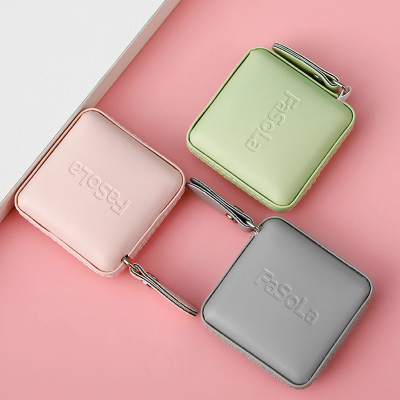

$0.20 - $0.30
MOQ: 1000

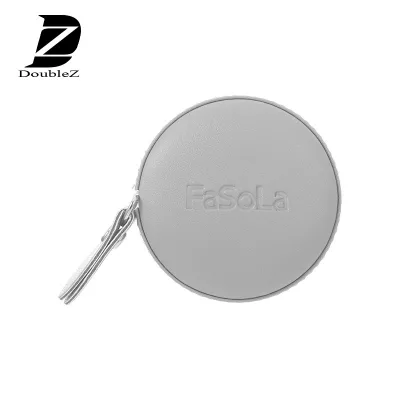

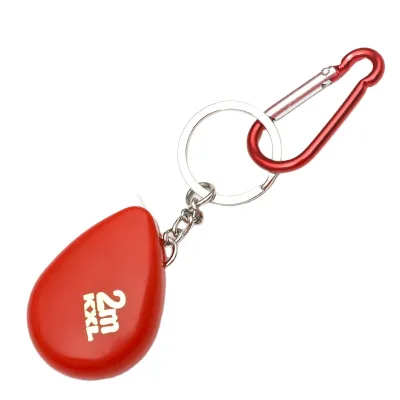


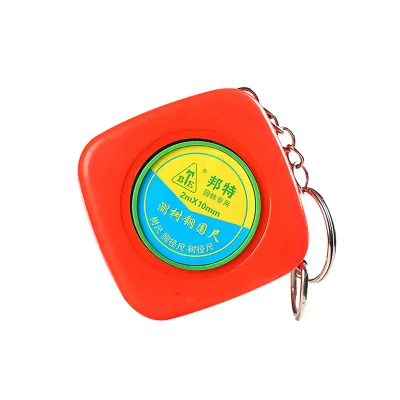
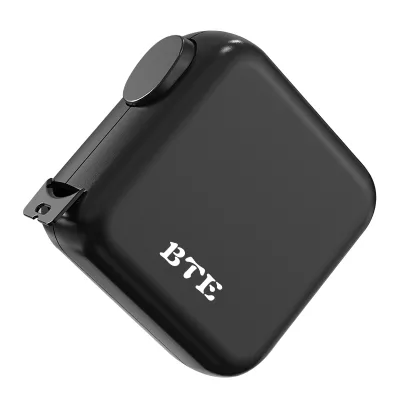
Various Colors 1.5m Mini Custom Your Logo Plastic ABS Retractable Tape Measure
$0.30 - $1.00
MOQ: 5000 Pieces


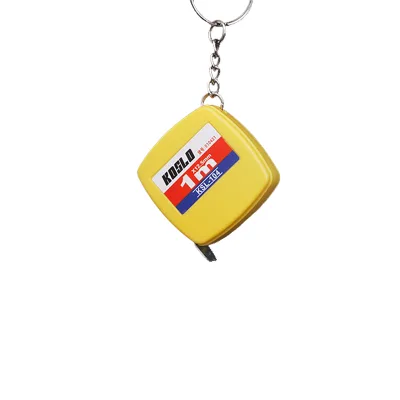


Comprehensive Sourcing Guide
Mini Tape Measure Sourcing Guide
Sourcing mini tape measures requires a nuanced understanding of the diverse applications these tools serve, ranging from promotional giveaways to precise industrial measurement tasks. The market offers a wide spectrum of products, including automatic retractable soft tape measures made from PU and ABS, keychain-style ABS models, and stainless steel variants designed for home or office use. Buyers must first define the primary use case, as this decision dictates the necessary material durability, measurement precision, and branding capabilities. For instance, promotional items often prioritize lightweight construction and custom logo printing, while professional-grade tools demand higher precision and robust casing materials.
The procurement landscape is characterized by significant variability in minimum order quantities (MOQs) and pricing structures, which can range from $0.01 to $2.00 per unit depending on the complexity of the tool and the volume ordered. MOQs typically span from 50 pieces for small batches to 5,000 pieces for larger commercial orders, with specific product lines like stainless steel models often requiring a baseline of 500 pieces. Understanding these commercial thresholds is critical for aligning inventory strategy with budget constraints, particularly for businesses seeking to balance cost-efficiency with the need for adequate stock levels to meet downstream demand.
Product Scope and Observed Listing Signals
The current market listings reveal a clear segmentation based on material composition and intended function. Promotional household products and novelty gifts frequently utilize PU (Polyurethane) combined with ABS plastic, offering a soft, flexible tape that is ideal for sewing or general household tasks. These models often feature automatic retractable mechanisms and are available in colors such as dark blue or beige. In contrast, more durable applications may involve stainless steel tapes paired with ABS housings, catering to office or home use where greater tensile strength and longer measurement ranges, such as 2 meters, are required.
Listing signals also highlight the importance of customization and branding options, which are central to the value proposition for many buyers. Suppliers commonly offer OEM services, allowing for silk-screen or digital printing of logos on the casing, or stamped logos for a more subtle finish. The availability of custom colors, including army green or multi-color options, further supports brand alignment efforts. However, buyers should note that while some listings suggest "custom made" capabilities, the specific feasibility and cost implications of unique colorways or non-standard sizes must be verified directly with the supplier, as these may impact lead times and unit costs.
Technical Specifications to Verify
When evaluating technical specifications, the measurement range and precision are paramount differentiators between product tiers. Standard mini tape measures often offer a length of 1.5 meters, suitable for general-purpose tasks, while specialized models may provide a range of 0 to 150mm with a precision of 0.02mm, catering to more exacting requirements. Buyers must verify the scale markings and units (metric vs. imperial) to ensure they align with the end-user’s expectations. Additionally, the physical dimensions of the casing, such as a single package size of 10x5x5 cm, influence storage and shipping logistics, making it essential to confirm these details for accurate freight cost estimation.
Material integrity and mechanical reliability are other critical technical factors that require verification. The housing material, typically ABS or a combination of ABS and SK5 steel, determines the tool’s resistance to impact and wear. For retractable models, the quality of the spring mechanism and the tape’s resistance to bending or breaking are key performance indicators. Buyers should request sample units to test the smoothness of the retraction action and the clarity of the scale markings under various lighting conditions. Furthermore, the weight of the product, which can vary from 0.080 kg for lightweight promotional items to 1.000 kg for heavier, bulk-packed units, affects handling and shipping costs.
Compliance and Safety Documentation
Compliance and safety documentation are essential for ensuring that mini tape measures meet the regulatory standards of the target market. While specific certification statuses vary by supplier and region, buyers should inquire about adherence to relevant safety standards for plastic components and metal alloys. For promotional items intended for children or general consumer use, verifying that materials are free from harmful substances such as lead or phthalates is crucial. Suppliers should be able to provide material safety data sheets (MSDS) or test reports confirming the non-toxic nature of the ABS and PU materials used in construction.
Additionally, labeling and packaging compliance must be addressed to avoid customs delays or retail restrictions. This includes ensuring that product packaging contains accurate information regarding the country of origin, material composition, and any necessary warning labels. For products exported to regions with strict environmental regulations, buyers should verify if the packaging materials, such as OPP bags and inner boxes, are recyclable or meet specific waste management guidelines. Clear and compliant labeling not only facilitates smoother import processes but also enhances brand credibility by demonstrating a commitment to regulatory adherence and consumer safety.
Cost Drivers and Commercial Terms
Cost drivers for mini tape measures are influenced by material selection, customization complexity, and order volume. The use of premium materials like stainless steel or specialized PU formulations can increase unit costs compared to standard ABS models. Customization, including silk-screen printing, digital printing, or logo stamping, adds to the production cost and may require setup fees. Buyers should also consider the impact of packaging choices on overall costs; for example, individual OPP bag packaging versus bulk inner box packing can affect both material expenses and labor costs during assembly.
Commercial terms, including payment methods and delivery times, play a significant role in the total cost of ownership. Factory direct pricing models often offer competitive rates but may come with stricter payment terms. Lead times typically range from 5 days for sample production to 7 days for bulk delivery, though this can vary based on order size and supplier capacity. Buyers should negotiate clear terms regarding sample times and costs, as well as the conditions for expedited shipping if needed. Understanding these commercial dynamics allows for more accurate budgeting and helps in selecting suppliers who offer the best balance of cost, quality, and service.
Supplier Qualification and Quality Control
Supplier qualification is a critical step in mitigating procurement risks, particularly when dealing with manufacturers in regions like Fujian, China, which is a known hub for such products. Buyers should verify the supplier’s production capabilities, including their ability to handle OEM orders and manage custom branding requirements. Assessing the supplier’s track record in delivering consistent quality and meeting deadlines is essential. Requesting references or reviewing past performance data can provide insights into the supplier’s reliability and professionalism.
Quality control measures should be established to ensure that the delivered products meet the specified standards. This includes implementing pre-shipment inspections to check for defects in the tape mechanism, casing integrity, and printing quality. Buyers should define clear acceptance criteria for product dimensions, weight, and functionality. Establishing a robust quality control process, potentially involving third-party inspection services, helps to minimize the risk of receiving substandard goods and ensures that the final products align with the buyer’s expectations and brand standards.
Long-Term Procurement Checks
Long-term procurement success depends on establishing a sustainable relationship with suppliers who can adapt to changing market demands and regulatory landscapes. Buyers should regularly review supplier performance metrics, including on-time delivery rates, product quality consistency, and responsiveness to issues. Continuous communication and feedback loops help to identify areas for improvement and foster a collaborative partnership. Additionally, staying informed about industry trends and technological advancements in tape measure design can provide opportunities for product innovation and differentiation.
Finally, buyers should periodically reassess their supply chain strategy to ensure it remains aligned with business objectives. This includes evaluating alternative suppliers, negotiating better terms based on volume growth, and exploring new customization options. By maintaining a proactive approach to supplier management and quality assurance, buyers can secure a reliable supply of mini tape measures that meet their customers’ needs while optimizing costs and minimizing risks. This strategic perspective ensures long-term competitiveness and customer satisfaction in the promotional and retail markets.
FAQs
What materials are used for mini tape measures?
Mini tape measures are constructed from PU plus ABS or ABS combined with SK5 steel. Some models feature a soft tape material while others use rigid ABS housing. The specific material depends on the product type selected for promotional or office use.
How long is the delivery time for orders?
The standard delivery time is 7 days after order confirmation. Sample preparation requires 5 days before bulk production begins. This timeline applies to factory direct pricing orders from suppliers in Fujian, China.
What is the minimum order quantity for these products?
Minimum order quantities vary between 50 pieces and 5000 pieces depending on the specific model. Some listings require 1000 pieces while others accept orders as low as 50 pieces. Buyers should verify the MOQ for their chosen item.
Can I customize the logo on the tape measure?
Yes, customization is available with options for printing or stamped logos. Digital printing and silk-screen printing methods are supported for branding. The product name indicates OEM services are offered for promotional gifts.
What sizes are available for the mini tape measures?
Available lengths include 1.5 meters and 2 meters for standard models. Some compact versions measure up to 150 millimeters in range. The single package size is typically 10 by 5 by 5 centimeters for shipping.
Which colors can be selected for the product?
Standard colors include dark blue, beige, dark gray, and army green. Custom color options are available for bulk orders to match specific branding needs. Six color variations are listed for certain wholesale models.