Source Minimalist LFGB Kitchen Storage Box for Pantry, Fridge, Counter
Source Minimalist LFGB Kitchen Storage Box options from 30 verified listings. Compare materials like plastic and bamboo, sizes, and MOQs to find the right fit for your procurement needs; compare the available evidence and request quotations based on your requirements.
Key considerations
Products List
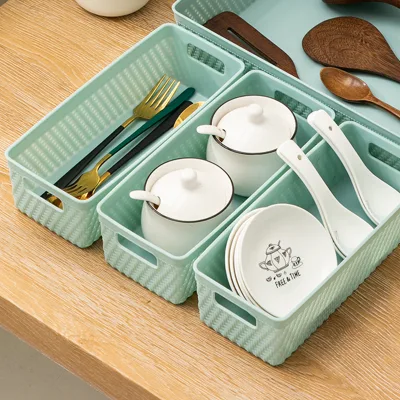
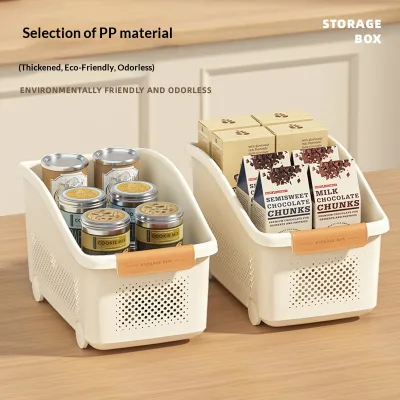
OEM Rectangular Kitchen Corner Basket Storage Container Home Storage Boxes
$0.34 - $0.40
MOQ: 2000 pieces
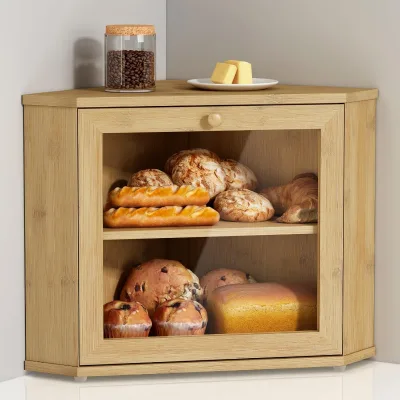
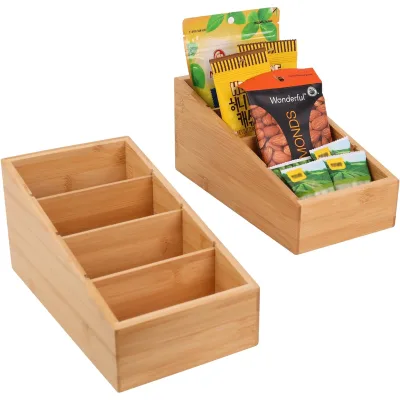
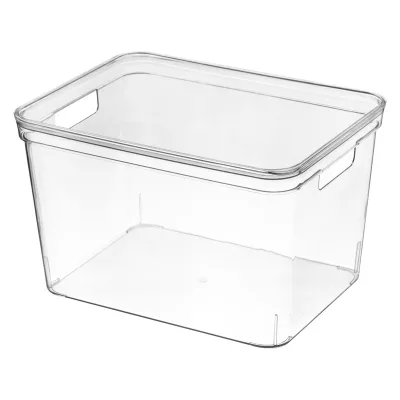
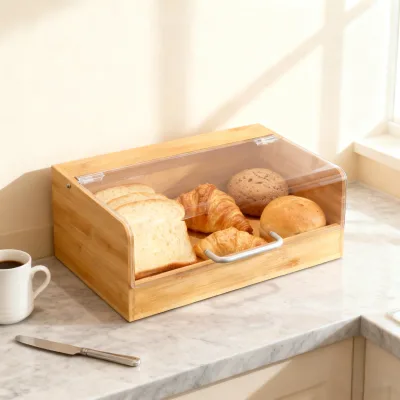
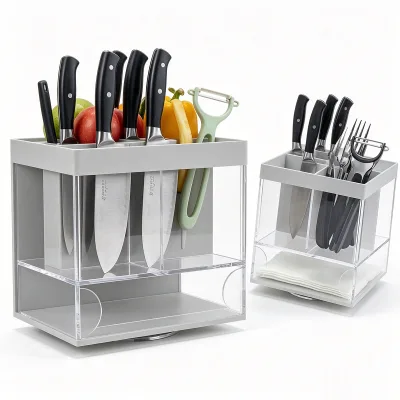
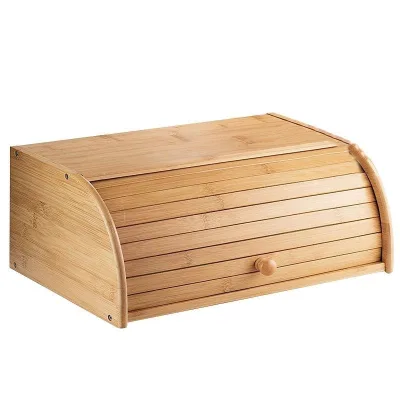


Family Kitchen Outdoor Can Be Customized Easy-to-Clean Rattan Storage Box
$80.00 - $120.00
MOQ: 100 Pieces






Comprehensive Sourcing Guide
Minimalist LFGB Kitchen Storage Box Sourcing Guide
Procuring minimalist kitchen storage requires balancing aesthetic simplicity with rigorous functional performance, particularly when targeting the European market where LFGB standards are paramount. Buyers must prioritize suppliers who demonstrate a clear understanding of food-contact safety alongside modern design principles, ensuring that the storage solutions are not only visually appealing but also compliant with strict regulatory frameworks. The observed market data indicates a diverse range of materials, from injection-molded plastics to bamboo, each presenting unique challenges regarding certification and durability in a kitchen environment.
Sourcing strategies should focus on verifying the specific application of these units, as the data reveals products designed for various settings including bathrooms, bedrooms, and workshops, not exclusively kitchens. A buyer must carefully distinguish between general home storage and items explicitly rated for food contact, as the presence of eco-friendly claims does not automatically guarantee LFGB compliance. The decision to proceed with a specific supplier hinges on their ability to provide transparent documentation for the specific model numbers and material compositions observed in the current listings.
Product Scope and Observed Listing Signals
The current market landscape for minimalist storage reveals a significant variance in product definitions, ranging from multi-functional plastic containers to large-capacity bamboo cabinets. Listings show specific dimensions such as 2410.47.2 cm and 261712 cm, alongside larger units like the 19.712.613.5 inch double-layer box, indicating that "minimalist" often refers to the clean lines of the design rather than a uniform size standard. Buyers must scrutinize the product name and shape attributes, as some items are explicitly labeled as "kitchen corner basket storage" while others are generic "home storage boxes" with no specific kitchen application mentioned.
Observations of material composition highlight a split between plastic, specifically PET and injection-molded varieties, and natural materials like bamboo, which are marketed as eco-friendly and durable. The color options vary from customized requests to specific natural tones like green, brown, and natural bamboo, suggesting that a minimalist aesthetic is often achieved through neutral palettes rather than a single mandated color. Procurement teams must verify if the "modern" or "morden" design style claimed in the listings aligns with their specific brand identity, as the visual language of the product must match the intended retail positioning.
Technical Specifications to Verify
Dimensional accuracy is a critical technical parameter, with observed listings specifying a dimensional tolerance of less than ±1 cm and a weight tolerance of less than ±5%. These tolerances are essential for ensuring that storage units fit precisely into kitchen cabinetry or corner spaces, particularly for the rectangular models with specific dimensions like 2410.47.2 cm. Buyers should request detailed technical drawings that confirm these tolerances are maintained across the entire production batch, as even minor deviations can lead to assembly issues or poor fitment in tight kitchen environments.
The manufacturing technics, such as injection molding for plastic units, directly influence the structural integrity and surface finish of the final product. For bamboo items, the verification of the number of shelves and drawers is crucial, as some listings indicate zero drawers while others specify two shelves, affecting the internal organization capabilities. The single package size, observed as 63X31X20 cm for certain models, must be cross-referenced with the actual product dimensions to ensure efficient logistics planning and to prevent damage during transit, which is a common risk for larger storage units.
Compliance and Safety Documentation
For kitchen applications, the primary compliance hurdle is the LFGB standard, which governs food contact safety in Germany and is often a prerequisite for broader European market access. While the supplied data mentions "Eco-Friendly" attributes and materials like PET and bamboo, it does not explicitly confirm LFGB certification status for any specific model. Buyers must demand valid test reports from accredited laboratories that specifically address migration limits for the materials used, ensuring that the "food-safe" claims are backed by empirical data rather than marketing assertions.
Safety documentation must also address the durability and ease of cleaning, which are listed as key features for the bamboo storage boxes. The verification process should include checking for any chemical treatments or finishes applied to the bamboo or plastic that might compromise food safety over time. Since the listings mention "Easy to Clean" as a feature, buyers should request evidence that the surface treatments do not harbor bacteria or degrade under repeated washing, which is a critical safety consideration for items intended for kitchen use.
Cost Drivers and Commercial Terms
The cost structure for these storage units is heavily influenced by the material choice, with bamboo and PET plastic presenting different cost profiles compared to standard injection-molded plastics. The observed MOQ ranges from 1 to 5000 pieces, with specific listings showing MOQs of 500 pieces for plastic items and 120 pieces for bamboo units, indicating that smaller order volumes may incur higher per-unit costs or require premium pricing tiers. Buyers must analyze the relationship between the material complexity and the minimum order quantity to determine the most cost-effective entry point for their specific market needs.
Commercial terms such as payment via T/T and sample times of 5-7 days are standard but require careful negotiation to align with project timelines. The price range observed from 0.2 to 149 USD suggests a wide disparity in value, likely driven by the scale of the order, the complexity of the design, and the specific material quality. Procurement teams should clarify whether the listed prices include packaging costs, as the single package size varies significantly, and ensure that the final landed cost accounts for all logistical variables before committing to a purchase order.
Supplier Qualification and Quality Control
Supplier qualification should begin with verifying the place of origin, as the data indicates production in Zhejiang, Jiangxi, and Fujian, China, each region potentially offering different manufacturing capabilities and quality control standards. Buyers must assess the supplier's capacity to maintain consistent quality across different materials, particularly when transitioning between plastic injection molding and bamboo assembly, as these processes require distinct expertise and equipment. The presence of multiple brand names like YIMEI and JiaXing in the listings suggests a need to verify the actual manufacturer behind the branding to ensure direct communication and accountability.
Quality control protocols must be established to monitor the weight and dimensional tolerances specified in the product data, ensuring that every unit meets the <±1 cm and <±5% weight criteria. Regular third-party inspections are recommended to verify that the "Eco-Friendly" and "Durable" claims are substantiated by the physical properties of the finished goods. Buyers should also evaluate the supplier's ability to handle custom color requests, as the listings indicate "Customized" color options, which can introduce variability in the production process if not strictly managed.
Long-Term Procurement Checks
Sustaining a successful procurement relationship requires ongoing monitoring of the supplier's ability to maintain the "Modern" design style and functional attributes over time. Buyers should establish a schedule for periodic re-verification of the product specifications, ensuring that the model numbers and dimensions remain consistent with the original order to prevent supply chain disruptions. The long-term viability of the product line depends on the supplier's commitment to maintaining the quality of materials, particularly for bamboo items which may be susceptible to environmental changes if not properly treated.
Future procurement strategies should include a review of the supplier's response to market feedback regarding the "Easy Installation" and "Easy to Clean" features. As the product evolves, buyers must ensure that any design modifications do not compromise the LFGB compliance or the structural integrity of the storage units. Establishing a clear feedback loop with the supplier will help in identifying potential issues early, ensuring that the long-term supply of minimalist kitchen storage remains reliable and aligned with evolving consumer expectations.
FAQs
What materials are used for minimalist kitchen storage boxes?
These storage boxes are crafted from durable materials such as plastic, bamboo, and PET. The selection depends on the specific design and intended use. Plastic options offer lightweight versatility, while bamboo provides a natural aesthetic. PET variants ensure clarity and strength. Each material is chosen to balance eco-friendly attributes with long-term durability for home organization needs.
Can I customize the color of the storage container?
Yes, many suppliers offer customized color options for these storage containers. Buyers can select from standard shades like green or brown, or request specific hues to match their interior decor. This customization allows for a cohesive look in kitchens and bathrooms. It is advisable to confirm color availability and any associated costs with the manufacturer before placing a bulk order.
What is the typical MOQ for these storage boxes?
The minimum order quantity varies by supplier and product model. Some manufacturers require a MOQ of 500 pieces, while others may accept orders as low as 120 units. This flexibility helps buyers manage inventory costs effectively. It is recommended to check the specific MOQ requirements for the chosen model, as larger capacities or custom features might influence the minimum order threshold.
How are the dimensions of the storage box defined?
Dimensions are typically provided in centimeters or inches depending on the product model. For instance, some rectangular boxes measure approximately 24 by 10.4 by 7.2 cm, while others may be larger. The dimensional tolerance is usually within plus or minus one centimeter. Buyers should verify the exact single package size to ensure it fits their intended storage space or shipping requirements.
Are these storage boxes eco-friendly and durable?
Yes, these storage boxes are designed to be eco-friendly and durable. Features often include easy cleaning, easy installation, and robust construction. Materials like bamboo and high-quality plastic contribute to their longevity and environmental profile. These attributes make them suitable for various applications, including bathrooms, bedrooms, and workshops, ensuring they withstand daily use while maintaining a modern aesthetic.
Where are these storage boxes typically manufactured?
These storage boxes are primarily manufactured in China, with origins in provinces such as Zhejiang, Jiangxi, and Fujian. Each region may specialize in different materials or production techniques. Buyers can often trace the place of origin to understand the supply chain better. This geographic concentration allows for efficient sourcing and competitive pricing, leveraging local expertise in injection molding and bamboo processing.