Source Minimalist Insulated Car Cup for Travel, Commute, and Office
Compare 30 Minimalist Insulated Car Cup options featuring double-wall vacuum technology and leak-proof designs. Buyers can evaluate stainless steel materials, custom colors, and thermal performance ranging from 6 to 12 hours for various occasions; compare the available evidence and request quotations based on your requirements.
Key considerations
Products List


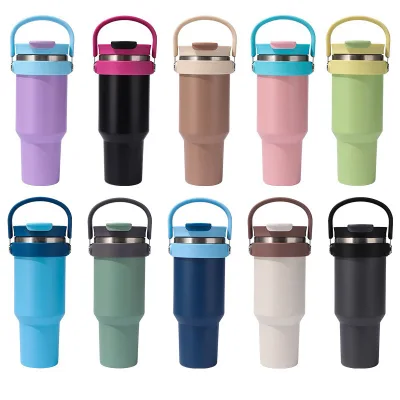


New 30oz Double Layer Car Cup with Straw Stainless Steel Beer Insulated Mug
$1.59 - $3.59
MOQ: 1000 pieces


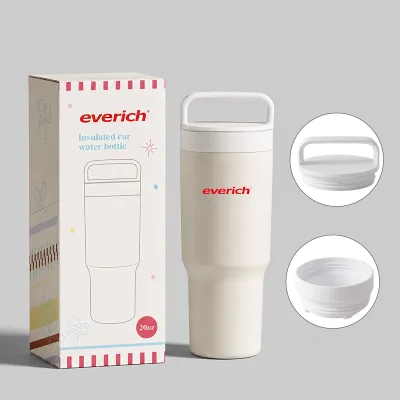
Comprehensive Sourcing Guide
Minimalist Insulated Car Cup Sourcing Guide
Sourcing minimalist insulated car cups requires a careful balance between aesthetic simplicity and functional performance, particularly for automotive environments where spills and temperature retention are critical concerns. Buyers must prioritize products that offer leak-proof sealing mechanisms alongside double-wall vacuum insulation to ensure beverages remain hot or cold during transit. The observed market data indicates a strong presence of stainless steel construction, specifically 304 grade, which provides durability and resistance to corrosion, essential for long-term use in varying climates.
Procurement teams should also evaluate the customization options available, as many suppliers offer tailored solutions for branding or specific design preferences. The availability of features such as handgrip shapes and colored finishes allows for differentiation in competitive markets. However, it is crucial to verify that these aesthetic choices do not compromise the structural integrity of the vacuum seal or the safety of the materials used, ensuring that the final product meets both functional and regulatory standards for consumer goods.
Product Scope and Observed Listing Signals
The current market landscape for minimalist insulated car cups reveals a diverse range of options, with observed price points ranging from $0.85 to $14 USD, reflecting variations in material quality, branding, and order volume. Minimum order quantities (MOQs) vary significantly, spanning from just one unit for sampling purposes up to 3,000 units for bulk production, allowing buyers of all sizes to find suitable entry points. This flexibility is particularly beneficial for small businesses testing market demand or large enterprises seeking consistent supply chains for established product lines.
Listing signals indicate that many products are marketed with specific features such as vacuum insulation, leak-proof designs, and health-care-oriented materials. The presence of accessories like covers and handles suggests a focus on user convenience and portability. Additionally, the observation of models with capacities around 20oz to 30oz highlights a preference for standard sizes that fit most vehicle cup holders. Buyers should note that while some listings claim eco-friendly attributes, these should be verified against actual material compositions and manufacturing processes to ensure authenticity.
Technical Specifications to Verify
When evaluating technical specifications, the primary focus should be on the insulation performance and material composition of the cups. Buyers must confirm that the inner material is indeed 304 stainless steel, as this grade offers superior corrosion resistance and safety compared to lower-quality alternatives. The thermal insulation performance is a critical metric, with some listings claiming retention periods of 6 to 12 hours; however, buyers should request independent test data to validate these claims, as real-world performance can vary based on ambient temperatures and usage patterns.
Sealing mechanisms are another vital technical aspect, with leak-proof features being a key selling point for car cups. Buyers should inspect the design of the lids and straws, ensuring they are made from safe, BPA-free materials such as PP or PETG. The presence of double-wall vacuum construction is essential for maintaining temperature, but the quality of the vacuum seal can degrade over time if not manufactured correctly. Verifying the integrity of the seal through pressure testing or sample evaluation is a prudent step to prevent product failures in the field.
Compliance and Safety Documentation
Compliance with international safety standards is non-negotiable when sourcing drinkware for consumer use. Buyers must ensure that all materials in contact with food and beverages, including the stainless steel body, lids, and straws, are free from harmful substances like BPA and lead. Documentation such as material safety data sheets (MSDS) and food contact compliance certificates should be requested from suppliers to verify that the products meet the regulatory requirements of the target market, whether it be the EU, US, or other regions.
Additionally, buyers should inquire about any specific certifications held by the supplier, such as ISO standards for quality management or environmental certifications if eco-friendly claims are made. While some listings mention eco-friendly attributes, these claims must be substantiated by verifiable data regarding sustainable sourcing or recyclability. Ensuring that the supplier adheres to strict quality control protocols during production helps mitigate the risk of non-compliant products entering the supply chain, protecting the buyer from potential legal liabilities and reputational damage.
Cost Drivers and Commercial Terms
Several factors influence the final cost of minimalist insulated car cups, with material quality, customization complexity, and order volume being the primary drivers. Higher-grade 304 stainless steel and advanced vacuum insulation technologies typically command higher prices, while bulk orders can significantly reduce the per-unit cost due to economies of scale. Buyers should also consider the cost implications of custom branding, such as printing or engraving, which may involve additional setup fees and higher MOQs.
Commercial terms, including delivery times and payment conditions, play a crucial role in the overall procurement strategy. Observed lead times of around 30 days are common, but buyers should negotiate for flexibility to accommodate urgent orders or production delays. It is advisable to establish clear agreements on packaging standards, such as box or carton packing, to ensure products arrive in good condition. Understanding these cost drivers and terms allows buyers to make informed decisions that align with their budget and timeline constraints.
Supplier Qualification and Quality Control
Supplier qualification is a critical step in ensuring the reliability and consistency of the sourced products. Buyers should conduct thorough due diligence on potential suppliers, verifying their business licenses, production capabilities, and past performance records. Engaging with suppliers who have a proven track record in manufacturing stainless steel drinkware reduces the risk of receiving substandard products. It is also beneficial to request samples from multiple suppliers to compare quality, design, and functionality before committing to a larger order.
Quality control measures should be implemented throughout the production process to maintain high standards. Buyers should establish clear quality specifications and inspection criteria, including checks for material integrity, seal performance, and aesthetic finish. Conducting pre-shipment inspections or hiring third-party inspection services can help identify and rectify defects before the products are dispatched. Implementing a robust quality control system ensures that the final products meet the buyer’s expectations and reduces the likelihood of returns or complaints from end-users.
Long-Term Procurement Checks
Long-term procurement success depends on continuous monitoring and evaluation of supplier performance and product quality. Buyers should establish regular communication channels with suppliers to address any issues promptly and foster a collaborative relationship. Periodic audits of the supplier’s production facilities and quality control processes can help identify areas for improvement and ensure ongoing compliance with agreed-upon standards. This proactive approach helps maintain product consistency and reliability over time.
Additionally, buyers should stay informed about market trends and regulatory changes that may impact the sourcing of insulated car cups. Adapting to new consumer preferences, such as increased demand for eco-friendly materials or innovative design features, can provide a competitive advantage. Regularly reviewing and updating procurement strategies based on market insights and supplier performance data ensures that the buyer remains agile and responsive to changing business needs, securing a sustainable supply chain for the future.
FAQs
What materials are used for minimalist insulated car cups?
These cups are typically constructed from 304 stainless steel for the inner and outer walls to ensure durability and safety. The lids often incorporate BPA-free materials such as PP, TPE, or VGI/AS to prevent chemical leaching. Some models include PP or PETG straws for added convenience. This combination of materials ensures the drinkware remains safe for adult use while maintaining a sleek, minimalist aesthetic suitable for daily travel.
How long does thermal insulation last in these cups?
The vacuum insulation technology in these cups provides thermal performance lasting between 6 to 12 hours. This double-wall construction effectively maintains the temperature of hot or cold beverages throughout the day. The leak-proof design ensures that contents remain secure during travel or commutes. Buyers can rely on this consistent insulation capability to keep drinks at the desired temperature for extended periods without external heating or cooling sources.
Can minimalist insulated car cups be customized with logos?
Yes, customization is available for these products, allowing buyers to add specific logos or designs. The cups support various styles, including simple, contemporary, or printed colored finishes. Buyers can request customized colors or specific model numbers to align with their brand identity. This flexibility makes them suitable for corporate gifts or promotional events, ensuring the final product meets specific aesthetic and branding requirements while maintaining functional integrity.
What are the standard capacity options for these cups?
Standard capacity options include 20oz, 30oz, 500ml, and 40oz variants to suit different drinking preferences. These sizes are designed to fit standard car cup holders while providing ample volume for daily hydration. The 304 stainless steel construction ensures that the cups remain lightweight yet durable. Buyers can select the most appropriate size based on their specific usage scenarios, whether for short commutes or long travel days, ensuring optimal convenience and functionality.
What is the typical lead time for ordering these cups?
The typical delivery time for these orders is approximately 30 days from the confirmation of the order. This timeframe allows for the manufacturing, quality control, and packaging processes to be completed efficiently. Buyers should plan their procurement schedules accordingly to ensure timely receipt of goods. The lead time may vary slightly based on customization requirements or order volume, so early communication with suppliers is recommended to align production schedules with project deadlines.
Are these cups suitable for travel and outdoor use?
Yes, these cups are specifically designed for travel and outdoor occasions, featuring leak-proof and vacuum insulation properties. The handgrip shape and sturdy construction make them easy to carry and handle during commutes or trips. The BPA-free lids and durable stainless steel bodies ensure safety and longevity in various environments. Their minimalist design and practical features make them ideal for adults who need reliable drinkware for on-the-go consumption without compromising on style or functionality.