Source Mining Chemicals Sodium Amyl Xanthate for flotation, mining, and metallurgy
Explore 28 listings of Mining Chemicals Sodium Amyl Xanthate suitable for flotation, mining, and metallurgy applications. Buyers can compare specifications, grades, and packaging options from verified suppliers offering technical and analytical reagents.
Key considerations
Products List


$1776.00 - $1780.00
MOQ: 18 Yards


Industrial Grade Anhydrous Sodium Sulfite Anhydrous Sodium Sulfite for Sale
$400.00 - $450.00
MOQ: 25 Tons


Comprehensive Sourcing Guide
Strategic Sourcing Guide for Mining Chemicals: Sodium Amyl Xanthate
The global mining industry relies heavily on specialized reagents to optimize mineral recovery, with xanthates serving as a cornerstone in the flotation process. While the core keyword often references sodium amyl xanthate, the broader category of sodium xanthates includes various alkyl chains, such as the sodium butyl xanthate frequently observed in current market listings. For procurement professionals, understanding the distinction between specific xanthate types and the general class of flotation collectors is essential for aligning chemical selection with ore characteristics. This guide provides a disciplined approach to sourcing these critical inorganic and organic analytical reagents, focusing on verified technical attributes, compliance frameworks, and supply chain stability without relying on unverified market speculation.
Technical Specifications and Chemical Classification
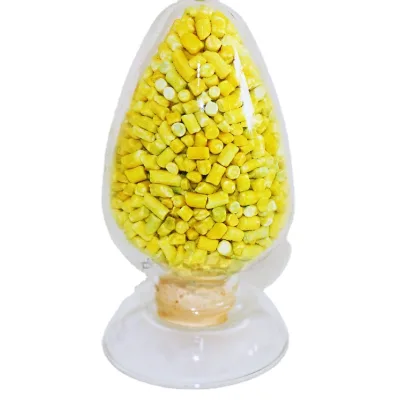
When evaluating sodium xanthate products, buyers must first distinguish between the specific alkyl chain length, which dictates the hydrophobicity and selectivity of the collector. The market data indicates a clear presence of sodium butyl xanthate, identified by the CAS No. 141-33-3 and the molecular formula C5H9NaOS2. While the search term focuses on amyl xanthate, the available product attributes highlight that sodium butyl xanthate is a primary variant, often classified under "Sodium Organic Salt" and "Flotation Chemicals." The physical appearance is consistently described as a yellow solid or granular material, with a specific odor noted as "exciting," a characteristic often associated with the sulfur content in these compounds.
Purity is a critical differentiator in this sector. The observed specifications list purity levels ranging from 85% to 90%. Some product entries explicitly state "High Purity 90% Sodium Butyl Xanthate," while others reference "Industrial Grade" or "Technical Grade" standards. The classification system further categorizes these materials as "Inorganic Analytical Reagents" or "Organic Analytical Reagents," depending on the intended laboratory or industrial application. Buyers should verify whether the specific grade required for their flotation circuit aligns with the 85% or 90% thresholds observed in the supply chain, as lower purity levels may necessitate higher dosages, impacting overall operational costs. The habit appellation "SBX" or "Sbx" is frequently used as a shorthand for these xanthogenate compounds, serving as a quick reference for procurement teams to identify the correct chemical family.
Compliance, Certification, and Regulatory Frameworks
Navigating the regulatory landscape is paramount for international procurement of mining chemicals. The supply chain data confirms that products are subject to specific environmental and safety certifications. Notably, the REACH certification is listed as a high-confidence attribute for available products, indicating compliance with European Union regulations regarding the registration, evaluation, authorization, and restriction of chemicals. Additionally, the CCIC certification appears in the product attributes, suggesting that third-party inspection and quality verification services are available for these shipments.
The chemical identity is rigorously tracked through standard identifiers. The EINECS No. 205-481-2 is a specific reference number used to identify the substance within the European inventory of existing commercial chemical substances. This number, alongside the CAS No. 141-33-3, ensures that the product matches the intended chemical structure and prevents the delivery of incorrect or non-compliant analogues. For buyers operating in regions with strict environmental protection mandates, the attribute "Environmental Protection: Yes" is a significant indicator of the manufacturer's commitment to sustainable production practices. However, buyers must verify that these certifications apply to the specific batch and model number being purchased, as certifications can vary by production line or facility.
Cost Drivers and Pricing Dynamics
The pricing structure for sodium xanthates is influenced by several volatile factors, including raw material costs, energy prices, and logistics. The observed market data reveals a wide price range, from $1.50 to $3,100 USD per unit. This broad spectrum reflects the diversity of packaging sizes and purity levels available. For instance, smaller quantities or high-purity analytical grades may command a premium per kilogram, whereas bulk industrial shipments in large containers often benefit from economies of scale.
The Minimum Order Quantity (MOQ) is another significant cost driver, with observed ranges spanning from 1 unit to 1,000 units. Buyers seeking to minimize capital expenditure might opt for lower MOQs, though this often results in a higher unit cost. Conversely, large-scale mining operations typically negotiate based on high-volume commitments to secure better pricing tiers. The selling units are listed as "Single item," which suggests flexibility in purchasing but requires careful calculation of the total landed cost, including freight and insurance. It is crucial to note that the price range is an observation of the current market and does not guarantee a specific price for a future transaction. Buyers should request detailed quotations that break down the cost of the chemical, packaging, and shipping to understand the true cost drivers.
Packaging, Logistics, and Supply Chain Stability
Proper packaging is essential to maintain the integrity of sodium xanthate, which is sensitive to moisture and air. The supply chain data highlights several standard packaging configurations. Common options include 25kg export-grade plastic woven bags with an inner polyethylene (PE) liner, which are suitable for smaller shipments or high-purity analytical reagents. For larger industrial volumes, the data indicates the use of 850kg wooden boxes or 160kg to 170kg iron drums. Some listings also mention plastic bags as an alternative packing method.
The origin of the product is a key logistical factor. The majority of the observed supply originates from China, with specific mentions of Shandong China as a production hub. This concentration of manufacturing in a specific region can influence lead times and shipping routes. Buyers should verify the specific production location for their order, as logistics from Shandong may differ from other Chinese ports. The "prod_packing" attributes suggest that the supplier offers multiple packaging options to accommodate different shipping needs, from containerized bulk transport to smaller palletized shipments. Understanding the weight and volume of these packaging units is critical for calculating freight costs and ensuring that the receiving facility has the necessary storage and handling equipment.
Supplier Evaluation and Quality Assurance
Selecting a reliable supplier requires a rigorous evaluation process that goes beyond price comparison. The brand name "GCG" is identified in the product attributes, serving as a specific marker for one of the manufacturers in the dataset. However, buyers should not limit their search to a single brand but rather evaluate multiple suppliers based on their ability to meet technical and compliance standards. The presence of specific model numbers, such as "05" or "Industry Grade," indicates that suppliers offer a range of product variations.
Quality assurance should be a central component of the supplier evaluation. Buyers must verify that the supplier can provide consistent test results for purity, appearance, and odor. The "Standard" attribute, which lists "High Purity 90%" or "85%, 90%" as the standard, should be cross-referenced with the actual Certificate of Analysis (CoA) provided for each shipment. Additionally, the "Specific Usage" as a "Collector" in "Mine Flotation" applications must be confirmed to ensure the chemical is suitable for the specific ore type being processed. Suppliers should also demonstrate a track record of adhering to the "Environmental Protection" standards and holding valid certifications like REACH and CCIC.
Long-Term Procurement Considerations
Sourcing mining chemicals is a long-term strategic activity that requires building resilient supply chains. The "Customization: Available" attribute suggests that suppliers may offer tailored solutions, such as specific purity levels or packaging configurations, to meet unique operational needs. This flexibility can be a significant advantage for buyers with specialized requirements. However, buyers must also consider the potential for supply disruptions and the need for backup suppliers.
The "Habit Appellation" of "Fine Chemicals" or "Sex" (likely a data entry artifact for a specific classification) indicates the diverse nature of the product market. Buyers should focus on the functional classification, such as "Flotation Chemicals" or "Mining Reagents," to ensure they are purchasing the correct material. Long-term contracts should include clauses for quality consistency, delivery timelines, and price adjustment mechanisms based on raw material market fluctuations. Furthermore, the "Application" range, which includes "Chemical Engineering" and "Metallurgy," highlights the versatility of these chemicals, but buyers must ensure that the specific xanthate type matches the metallurgical requirements of their operation.
Comparative Analysis of Product Attributes
To facilitate decision-making, the following table summarizes the key attributes observed in the market data for sodium xanthate products. This comparison helps buyers quickly identify the relevant specifications for their procurement needs.
| Attribute Category | Observed Values | Relevance to Procurement |
|---|---|---|
| Chemical Identity | CAS No. 141-33-3, EINECS 205-481-2, MF: C5H9NaOS2 | Essential for regulatory compliance and chemical verification. |
| Purity Levels | 85%, 90% | Determines dosage requirements and flotation efficiency. |
| Physical Appearance | Yellow solid, Granular | Visual inspection for quality control upon receipt. |
| Packaging Options | 25kg bags, 850kg wooden boxes, 160-170kg iron drums | Impacts logistics, storage, and handling costs. |
| Certifications | REACH, CCIC | Indicates compliance with international safety and quality standards. |
| Origin | China (Shandong) | Influences lead time, shipping costs, and supply chain risk. |
| Application | Mine Flotation, Metallurgy, Chemical Engineering | Confirms suitability for the intended industrial process. |
| Grade Standard | Industrial Grade, Technical Grade, High Purity | Aligns with the operational requirements of the mining site. |
Conclusion
Sourcing sodium xanthate for mining applications requires a meticulous approach that balances technical specifications, regulatory compliance, and supply chain reliability. The market offers a variety of options, from high-purity analytical reagents to industrial-grade collectors, each with distinct packaging and certification profiles. By focusing on verified attributes such as CAS numbers, purity levels, and certification status, buyers can make informed decisions that optimize their flotation processes while mitigating supply chain risks. The wide range of observed prices and MOQs underscores the importance of detailed negotiation and clear specification of requirements. Ultimately, successful procurement in this sector depends on a deep understanding of the chemical properties and a strategic partnership with suppliers who can consistently deliver high-quality, compliant products.
FAQs
What purity levels are available for sodium butyl xanthate?
Available purity levels are 85% and 90% for industrial and technical grades. These specifications determine the dosage required for effective mine flotation and influence overall operational costs.
Which certifications ensure regulatory compliance for these reagents?
Products typically hold REACH and CCIC certifications to meet international safety standards. Buyers should verify that these specific certifications apply to the batch and model number being purchased.
How is the product packaged for safe international shipping?
Common packaging includes 25kg plastic woven bags, 850kg wooden boxes, or 160-170kg iron drums. These options protect the chemical from moisture and air while accommodating different shipping volumes.
Can suppliers customize the product specifications for specific needs?
Yes, customization is available to meet unique operational requirements such as specific purity levels or packaging configurations. This flexibility allows buyers to tailor solutions for specialized metallurgical processes.
What is the typical origin location for these mining chemicals?
The majority of supply originates from China, with Shandong China identified as a key production hub. This location influences lead times and shipping routes for international procurement.
Which grade standards apply to industrial flotation applications?
Products are classified as Industrial Grade, Technical Grade, or High Purity 90%. The specific grade must align with the metallurgical requirements of the mining site to ensure efficient recovery.