Source Mining Carpet for Hotel, Home, and Gold Mining
Explore 30 Mining Carpet options featuring needle-punched and non-woven chemcial fiber designs. Buyers can compare anti-slip, waterproof, and anti-bacterial properties for hotel, home, and mineral gold mining applications.
Key considerations
Products List


Polyester Velvet Carpet Mineral Separator Alluvial Gold Dust Mining Carpet
$4.50
MOQ: 1000 Square Meters


Polyester Velvet Carpet Mineral Separator Alluvial Gold Dust Mining Carpet
$5.00 - $6.00
MOQ: 1000 Square Meters

Gold Mining Carpet Peru Alfombra Acanalada PARA Mineria 4 Channel Corrugated Carpet for Mining
$6.50 - $8.00
MOQ: 1000 Square Meters


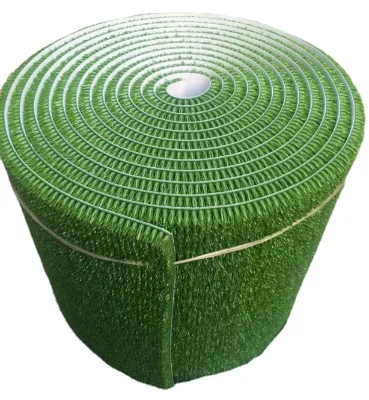
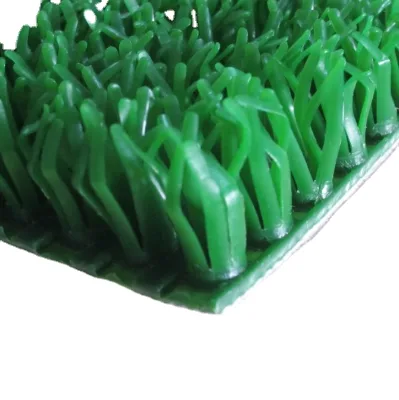

High Recovery Rate Fine Gold Mining Carpet for River Sand Gold Mining
$3.99 - $4.99
MOQ: 500 Square Meters

9mm-16mm with 4 Lines Surface Gold Mining Carpet for Alluvial Gold
$2.39 - $2.49
MOQ: 1000 Square Meters


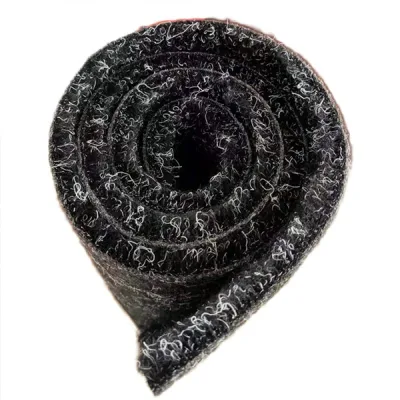
Gold Mining Cushion Rugs Carpets for Gold Mining Washing Flotation Separator
$172.72 - $201.51
MOQ: 1 pieces
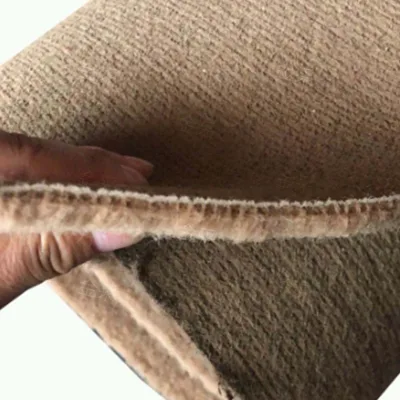


High Concentration Recovery Rate Gold Mining Carpet, Miners' Moss
$3.20 - $4.35
MOQ: 500 Square Meters

Heavy Duty 15mm Durable Industrial Use Gold Mining Carpet for River Sand off
$5.00 - $7.00
MOQ: 1000 Square Meters


High-Quality Gold Recovery Mat for Efficient Gold Mining Applications
$150.00 - $200.00
MOQ: 10 Pieces


Comprehensive Sourcing Guide
Strategic Sourcing Guide for Mining Carpet Procurement
The procurement of specialized mining carpets, particularly those designed for gold and mineral extraction, requires a rigorous approach that balances technical performance with supply chain reliability. These products are not generic floor coverings but engineered textiles critical for the efficiency of mineral recovery processes. Buyers must navigate a complex landscape of material specifications, manufacturing techniques, and application-specific requirements to ensure the selected carpet meets the demanding conditions of the mining industry. This guide outlines the essential factors for sourcing mining carpets, drawing on observed market data and technical attributes to provide a framework for informed decision-making.
Technical Specifications and Material Composition
The foundation of a successful Mining Carpet procurement lies in understanding the precise technical specifications that define product performance. The observed market data indicates a diverse range of materials and forms, primarily centered around chemical fibers and plastics. While some listings specify "Chemical Fiber" as the primary material, others explicitly note "Plastic," suggesting variations in polymer composition depending on the intended application, such as gold dust recovery versus general mineral processing. The product form is consistently identified as "Carpet," yet the structural integrity is determined by the backing and pile height.
Crucially, the physical dimensions and weight are significant indicators of quality. Observed weight ranges vary considerably, from 75-90kg for certain models to 1600GSM, 2200GSM, and even a custom-acceptable range of 1800-2300GSM. These weight variations directly correlate with the carpet's ability to trap fine particles and withstand the abrasive nature of mining slurries. The thickness is another critical parameter, with specific observations noting values of 10mm, 15mm, and a base thickness of 3.5mm. Buyers must verify these metrics against their specific gravity and particle size requirements.
The manufacturing techniques also play a pivotal role in performance. The market data highlights two primary methods: "Needle Punched" and "Non-Woven." Needle-punched carpets typically offer higher tensile strength and durability, making them suitable for heavy-duty applications, while non-woven options may offer different filtration characteristics. The pile height is observed to range between 15-30mm, a dimension that influences the surface area available for mineral capture. Furthermore, the backing is a critical component; some products feature "High Tensile Strength Fabric" with a "Waterproofing Backing" in black, while others list backing colors including green, blue, and red. The standard width and length also vary, with observations of 1m width, 2m standard, and lengths ranging from 15m to 24m per roll.
Application-Specific Design and Functionality
Mining carpets are engineered for specific industrial environments, and the design features must align with the operational context. The primary application observed is the "Mineral Gold Mining Industry," where the carpet serves as a vital component in sluice boxes or recovery systems. The design is often described as "Oriental," "Modern," or "Business," which may refer to the visual aesthetic of the pile or the specific weave pattern used to optimize flow dynamics. However, the functional design is paramount. Features such as "Anti-Slip," "Anti-Bacteria," and "Waterproof" capabilities are essential for maintaining safety and hygiene in wet mining environments.
The "Wrinkle-Resistant" feature is particularly important for maintaining the carpet's flat profile under high water flow, ensuring that minerals are not bypassed due to surface irregularities. Cleaning and maintenance protocols are also part of the design consideration, with some products listed as "Machine Washable," which simplifies the regeneration process after mineral recovery cycles. The color of the carpet, observed in options like "Green" and "Grey," can impact visibility during inspection and cleaning, though the primary driver for color selection is often the backing or specific dye requirements for the mining process.
Cost Drivers and Pricing Dynamics
Understanding the cost structure of mining carpets is essential for budgeting and negotiation. The observed price range in the market is extensive, spanning from $2.39 to $420 USD. This wide disparity is not indicative of a single product line but rather reflects the vast differences in material quality, weight, dimensions, and customization levels. A lower price point may correspond to lighter, non-woven options with standard dimensions, while higher prices likely reflect heavy-duty, needle-punched carpets with custom weights (e.g., 2200GSM) and specialized backing.
Several factors drive these costs. First, the material composition, specifically the type and quality of chemical fiber or plastic, significantly impacts the base price. Second, the weight per square meter is a major cost driver; heavier carpets require more raw material and energy to produce. Third, customization options, such as custom weights, specific colors, and logo printing capabilities, add to the manufacturing complexity and cost. The Minimum Order Quantity (MOQ) also influences the unit price, with observed MOQs ranging from 1 unit to 1000 units, and a specific standard of 600sqm per color. Buyers purchasing in bulk can often negotiate better rates, but the initial investment must account for the total volume required to meet the MOQ.
Supplier Evaluation and Compliance Verification
When evaluating potential suppliers for mining carpets, buyers must look beyond the product listing to verify the supplier's capability and compliance. The origin of the products is consistently noted as "China," with the loading port identified as "Qingdao." This geographical concentration suggests a robust supply chain but requires buyers to conduct due diligence on individual manufacturers. The supplier's ability to handle customization is a key indicator of flexibility; the market data confirms that customization is available, including the ability to print any logo and accept custom weights.
Compliance and certification checks are critical, although specific certification names are not provided in the observed data. Buyers should verify that the supplier adheres to relevant international standards for textile manufacturing and mining equipment. The product standards observed include specific dimensions like "2m," "1m," "1x20 meter," and "2X24M." These standards must be cross-referenced with the buyer's operational requirements. Additionally, the packaging method, observed as "Woven Bags" or "Woven Bag Packing," must be sufficient to protect the carpet during transit, especially given the heavy weights involved.
Quality Control and Performance Testing
Ensuring the quality of mining carpets requires a proactive approach to quality control. The observed features, such as "Anti-Slip" and "Waterproofing," must be validated through testing. Buyers should request test results or certification documents that confirm the carpet's tensile strength, particularly given the "High Tensile Strength Fabric" backing mentioned in some listings. The weight consistency is another area of focus; a carpet advertised at 2200GSM must consistently meet this specification across the entire roll to ensure uniform mineral recovery.
The durability of the carpet under mining conditions is paramount. Buyers should inquire about the carpet's resistance to abrasion, chemical exposure from mining slurries, and the effectiveness of the waterproofing backing in preventing water ingress that could compromise the structural integrity. The "Non-Woven" and "Needle Punched" techniques should be evaluated for their ability to maintain pile height and density over time. Visual inspection of the color consistency, particularly for the backing colors like black, green, blue, and red, can also serve as a preliminary quality check.
Long-Term Procurement and Operational Considerations
Long-term procurement of mining carpets involves considerations beyond the initial purchase price. The lead time and loading port logistics are critical for supply chain planning. With the loading port identified as Qingdao, buyers must account for shipping durations and potential delays. The MOQ of 600sqm per color suggests that buyers should plan their inventory carefully to avoid overstocking or understocking specific color variants.
Maintenance and lifecycle management are also key factors. The "Machine Washable" attribute indicates that the carpet can be cleaned and reused, which extends its operational life and reduces long-term costs. However, the frequency of cleaning and the specific protocols required should be established to prevent premature wear. The "Wrinkle-Resistant" feature helps maintain performance over time, but buyers should still monitor the carpet for signs of degradation, such as tearing or loss of pile density.
Comparative Analysis of Product Attributes
To facilitate decision-making, the following table summarizes the key observed attributes of mining carpets in the market, highlighting the variations that buyers must consider.
| Attribute | Observed Range / Options | Procurement Consideration |
|---|---|---|
| Material | Chemical Fiber, Plastic | Verify polymer type for chemical resistance. |
| Technics | Needle Punched, Non-Woven | Select based on required tensile strength and filtration. |
| Weight | 75-90kg, 1600GSM, 1800-2300GSM, 2200GSM | Heavier weights generally offer better particle capture. |
| Thickness | 10mm, 15mm, 3.5mm (Base) | Match to sluice box depth and flow velocity. |
| Dimensions | Width: 1m, 2m; Length: 15m-24m | Ensure compatibility with existing equipment. |
| Backing | Black, Green, Blue, Red; Waterproofing | Verify color for visibility and waterproofing efficacy. |
| MOQ | 1-1000 units; 600sqm/Color | Plan inventory to meet minimum volume requirements. |
| Customization | Available (Logo, Weight, Color) | Leverage for branding and specific operational needs. |
Conclusion
Sourcing mining carpets requires a meticulous evaluation of technical specifications, material composition, and supplier capabilities. The observed market data reveals a wide array of options, from lightweight non-woven mats to heavy-duty needle-punched carpets with custom weights and specialized backings. Buyers must prioritize the alignment of these attributes with their specific mining applications, particularly in gold and mineral recovery. By focusing on quality control, verifying compliance, and understanding the cost drivers, procurement professionals can secure reliable supplies that enhance operational efficiency and minimize downtime. The availability of customization and the diverse range of product forms offer significant flexibility, but success depends on rigorous due diligence and a clear understanding of the technical requirements of the mining environment.
FAQs
What materials are used for mining carpets?
Mining carpets are primarily made from chemical fiber or plastic. These materials are selected for their durability and resistance to harsh mining slurries, ensuring effective mineral recovery in industrial environments.
How can I customize the weight of the carpet?
Custom weights are available, with observed ranges from 1600GSM to 2300GSM. Buyers can request specific gram per square meter values to match their slurry density and recovery efficiency requirements.
Which manufacturing techniques are used for these carpets?
The carpets utilize needle punched or non-woven techniques. Needle punched options offer high tensile strength for heavy-duty applications, while non-woven variants provide different filtration characteristics for specific mining processes.
Can the carpet be customized with a logo?
Yes, buyers can print any logo on the Mining Carpet. This customization option allows companies to brand their equipment while maintaining the functional properties required for gold and mineral extraction.
What is the minimum order quantity for these carpets?
The standard minimum order quantity is 600 square meters per color. Some listings indicate an MOQ range from 1 to 1000 units, but the 600sqm per color rule is a common industry standard.
How thick are the available Mining Carpet options?
Thickness varies between 3.5mm base thickness and up to 15mm total thickness. Specific models offer 10mm or 15mm pile heights to optimize mineral capture based on the sluice box design.