Source Mining DTH Drilling Bit for Well Drilling, Coal Mining, Quarry Drilling
Explore 30 verified listings for Mining DTH Drilling Bit options suitable for well drilling, coal mining, and quarry operations. Buyers can compare specifications like diameter, inserts design, and material composition from suppliers in China.
Key considerations
Products List


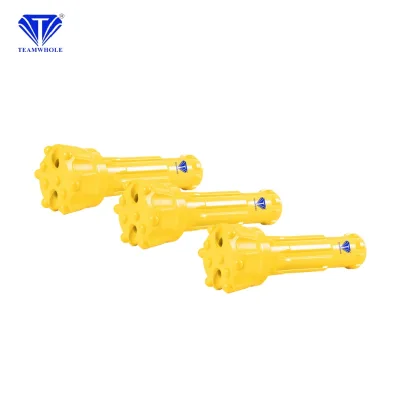


DTH Hammer Bit Rock Bit Drilling Bits DTH Bit High Air Pressure Drill Bits
$200.00 - $500.00
MOQ: 1 Pieces


Comprehensive Sourcing Guide
Strategic Sourcing Guide for Mining DTH Drilling Bits
Understanding Technical Specifications and Material Composition
When sourcing Down The Hole (DTH) drilling bits for mining applications, the primary objective is to align the tool's physical attributes with the specific geological conditions of the excavation site. The core keyword "Mining DTH Drilling Bit" implies a requirement for equipment capable of penetrating hard rock formations efficiently. Based on observed market data, the material composition of these tools varies significantly, with Stainless Steel, High Speed Steel, Tungsten Carbide, and High Manganese Steel being the most frequently cited options. The selection of material is not merely a preference but a critical determinant of the bit's durability and cutting efficiency. Tungsten Carbide, often used in conjunction with High Manganese Steel, is typically preferred for its superior hardness and resistance to abrasion in high-stress mining environments.
The physical dimensions of the DTH bit are equally critical. The diameter of the bit is a primary specification that must match the drill string and the required hole size. Market observations indicate a wide range of available diameters, with specific listings noting ranges such as 76-1000mm and 165-1200mm. Buyers must verify that the supplier can provide the exact diameter required for their operation, as the standard "All Sizes" or "Customization Supported" options often imply a need for precise engineering rather than off-the-shelf availability. Furthermore, the length of the bit is a variable attribute, with options including "Taper-length" and "Stub-length." The choice between these lengths affects the stability of the drill string and the depth of the cut, requiring a careful assessment of the drilling depth requirements.
The design of the bit face and the arrangement of the inserts are other vital technical parameters. The face design can be categorized as Flat, Convex, or Concave, each offering different performance characteristics regarding rock fragmentation and chip removal. Similarly, the inserts design, which includes Spherical, Ballistic, and Parabolic shapes, dictates how the bit interacts with the rock surface. A ballistic insert design, for instance, might offer better penetration rates in fractured rock, while a parabolic design could be more suitable for consistent, hard rock drilling. Buyers should not assume that a single design fits all scenarios; instead, they must evaluate the geological data of their specific mining site to select the optimal face and insert configuration.
Compliance, Certification, and Industry Standards
In the global mining sector, compliance with international standards and certifications is non-negotiable for ensuring safety and operational reliability. When evaluating potential suppliers, buyers must verify that the DTH drilling bits meet recognized industry standards. The API (American Petroleum Institute) standard is a prominent reference found in product listings, indicating a level of quality assurance relevant to drilling operations. Additionally, ISO 9001 certification is frequently cited, serving as evidence that the manufacturer maintains a quality management system capable of consistent production.
Certification checks should extend beyond the product itself to the manufacturing process. Listings often mention CE certification alongside ISO 9001, suggesting that the products adhere to European health, safety, and environmental protection standards. However, buyers must treat these certifications as observations of specific listings rather than universal guarantees for all products in the category. It is essential to request valid certification documents directly from the supplier to confirm their current status. The absence of specific certification data in a general product description should trigger a request for verification rather than an assumption of compliance.
Standardization also applies to the physical specifications of the bit. While some listings mention specific standard dimensions like 150mm or 76-1000mm, these often refer to specific model numbers or diameter ranges rather than a universal standard for all DTH bits. Buyers should verify the "prod_standard" attribute against their operational requirements. The "option" status of some standard fields in product data suggests that these are customizable parameters. Therefore, the procurement process must include a clear definition of the required standards, ensuring that the supplier understands the specific regulatory or operational benchmarks the equipment must meet.
Cost Drivers and Pricing Dynamics
The pricing of DTH drilling bits is influenced by a complex interplay of factors, including material costs, manufacturing complexity, and customization requirements. The observed price range for these products spans from 20 to 6000 USD, a significant variance that reflects differences in size, material quality, and brand positioning. High-performance bits made from Tungsten Carbide or those with complex insert designs will naturally command a higher price point compared to standard models. The "High Performance" advantage listed in product attributes often correlates with a premium price, as it implies advanced engineering and superior longevity.
Customization is a major cost driver in this sector. While the Minimum Order Quantity (MOQ) is often listed as low as 1 piece, allowing for small orders, the cost per unit may increase for highly customized specifications. The availability of customization for diameter, length, and face design means that buyers can tailor the bit to their specific needs, but this flexibility comes with a price premium. Buyers should be aware that "All Sizes" or "Customization Supported" options may involve additional engineering time and tooling costs, which are reflected in the final price.
Packaging and logistics also contribute to the overall cost. Product listings mention various packing methods, including Wooden Case, Sea-Worthy Packing, and Standard Exporting Packing. The choice of packaging can impact the shipping cost and the risk of damage during transit. For international buyers, the "Transfer" method (Air, Sea, or Express) will significantly affect the total landed cost. While the base price of the bit is a critical factor, the total cost of ownership must include these logistical expenses. Buyers should request a comprehensive quote that details the unit price, packaging costs, and shipping fees to make an informed financial decision.
Typical Applications and Operational Context
DTH drilling bits are primarily designed for applications in well drilling, coal mining, and quarry drilling. The versatility of these tools allows them to be used in various geological environments, from soft coal seams to hard rock formations in quarries. The "Mining Object" attribute explicitly lists mining as a primary use case, confirming the tool's suitability for extracting minerals and resources. The "Use" attribute further specifies well drilling, coal mining, and quarry drilling, indicating that the equipment is robust enough to handle the diverse demands of the mining industry.
The operational context of the mining site dictates the specific requirements for the DTH bit. In well drilling applications, the focus is often on achieving a straight, consistent hole with minimal deviation. In coal mining, the bit must be capable of cutting through varying rock hardness without excessive wear. Quarry drilling requires high penetration rates and the ability to handle large volumes of rock fragmentation. The "Face Design" and "Inserts Design" of the bit play a crucial role in optimizing performance for these specific applications. For example, a convex face design might be preferred for quarry drilling to enhance rock breakage, while a flat face might be more suitable for precision well drilling.
Buyers should also consider the "Condition" of the equipment. Most listings specify that the products are "New," which is standard for procurement. However, the condition of the bit upon arrival is critical for ensuring immediate operational readiness. The "Weight" of the bit, observed at 58 kg in some listings, is another factor that influences the handling and rig requirements. Heavier bits may require more powerful drilling rigs, which impacts the overall operational setup. Understanding the specific application and the corresponding operational constraints is essential for selecting the right DTH bit.
Supplier Evaluation and Geographic Considerations
Evaluating suppliers for DTH drilling bits requires a thorough assessment of their capabilities, location, and reputation. The "Place of Origin" and "prod_origin" attributes indicate that many suppliers are based in China, with specific locations like Beijing and Shandong mentioned. These regions are known for their manufacturing capabilities in the mining equipment sector. However, buyers should not rely solely on the country of origin; instead, they should investigate the specific factory's production capacity and quality control measures.
The "Brand" attribute, such as "Glorytek," provides a point of reference for supplier identity, but buyers should be cautious not to equate brand presence with quality without further verification. The "Market" attribute, listed as "Global," suggests that these suppliers have experience in international trade and can handle export requirements. Buyers should verify the supplier's ability to meet global standards and their track record in delivering products to similar mining operations.
Supplier evaluation should also include an assessment of their responsiveness and technical support. The "Customization" and "Customized" attributes indicate that suppliers are willing to work with buyers to meet specific needs. This flexibility is a positive sign, but it requires clear communication and detailed specifications. Buyers should request samples or technical data sheets to validate the supplier's claims before committing to a large order. The "Quantity" attribute, noting that "Small Order Is Accepted," suggests that suppliers are open to smaller transactions, which can be beneficial for testing new equipment before scaling up.
Quality Control and Long-Term Procurement Strategies
Ensuring the quality of DTH drilling bits is paramount for maintaining operational efficiency and safety in mining operations. Quality control measures should be integrated into the procurement process, starting with the verification of materials and manufacturing processes. The "Processing Type" attribute, listed as "Forging," indicates a specific manufacturing method that can affect the structural integrity of the bit. Buyers should confirm that the forging process is performed to high standards to ensure the bit can withstand the high pressures and impacts of drilling.
Long-term procurement strategies should focus on building a relationship with reliable suppliers who can provide consistent quality and support. The "Advantage" attribute, such as "High Performance," should be validated through performance data or customer testimonials. Buyers should establish clear quality acceptance criteria, including dimensional tolerances, material hardness, and insert retention. Regular inspections and testing of the received goods are essential to ensure that the equipment meets the specified requirements.
The "prod_packing" attribute, which includes options like Wooden Box or Sea-Worthy Packing, is also a critical aspect of quality control. Proper packaging ensures that the bits arrive in pristine condition, ready for immediate use. Buyers should specify their packaging requirements in the purchase order to prevent damage during transit. Additionally, the "Transfer" method should be selected based on the urgency of the order and the fragility of the equipment.
In conclusion, sourcing DTH drilling bits for mining applications requires a comprehensive understanding of technical specifications, compliance standards, cost drivers, and supplier capabilities. By carefully evaluating these factors and implementing robust quality control measures, buyers can secure high-performance equipment that meets their operational needs and ensures long-term success in their mining projects. The variability in product attributes, from material composition to packaging, underscores the importance of a tailored approach to procurement, ensuring that each purchase aligns with the specific demands of the mining environment.
FAQs
What materials are used for mining dth drilling bits?
These bits are commonly made from Stainless Steel, High Speed Steel, Tungsten Carbide, or High Manganese Steel. The specific material choice depends on the geological hardness and the required durability for the mining application.
Can I order a single piece of Mining DTH Drilling Bit?
Yes, small orders are accepted with a minimum order quantity of one piece. This allows buyers to test specific models before committing to larger volumes for their drilling operations.
Which certifications do mining dth drilling bits typically hold?
Many products carry ISO 9001 and CE certifications to ensure quality and safety standards. Buyers should verify specific documents as these apply to individual listings rather than all products universally.
How are mining dth drilling bits packed for shipping?
Packing options include Wooden Cases, Sea-Worthy Packing, or Standard Exporting Packing. The specific method depends on the supplier and the size of the bit to ensure safe international transport.
What diameter ranges are available for mining dth drilling bits?
Available diameters range from 76mm to 1200mm depending on the specific model and customization. Some listings offer all sizes or support custom dimensions to match exact drilling requirements.
Where are mining dth drilling bits manufactured?
Most products originate from China, with specific locations including Beijing and Shandong. Buyers should verify the exact place of origin for each supplier to understand logistics and lead times.
Can mining dth drilling bits be customized for specific needs?
Customization is available for diameter, length, face design, and insert shapes. Suppliers support tailored specifications such as flat, convex, or concave faces to suit different rock types.