Source Mobile Plasma Air Sterilizer for Medical, Home, and Industry
Compare 30 Mobile Plasma Air Sterilizer units from verified Chinese manufacturers. These active devices feature high anion density and activated carbon filtration for medical, engineering, and home applications.
Key considerations
Products List


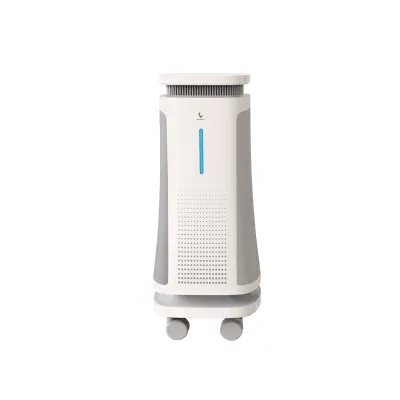
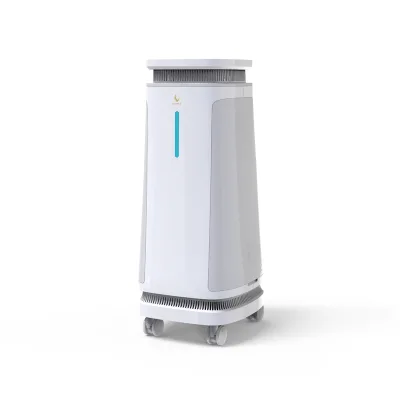
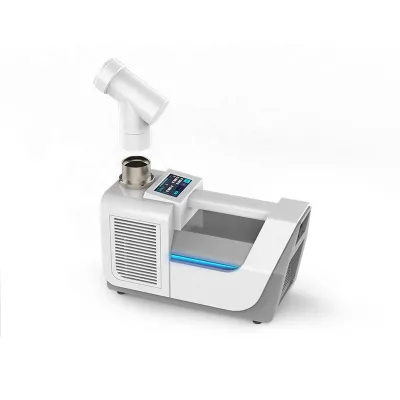
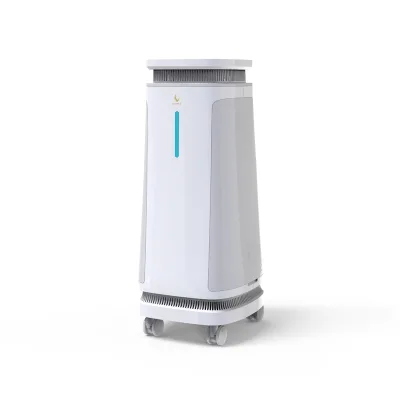
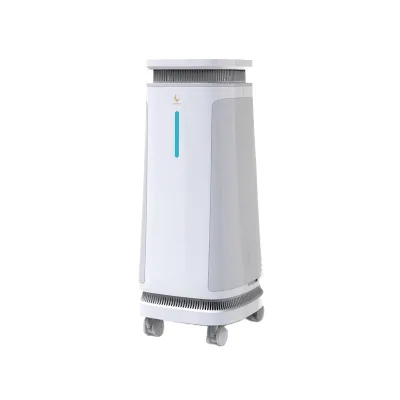
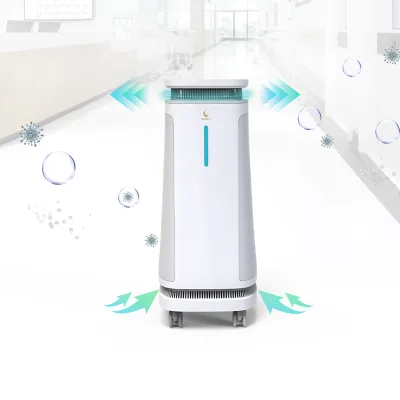


Powerful Plasma Disinfection Machine Air Sterilizer for Safe Indoor Environments
$5000.00 - $8000.00
MOQ: 1 Pieces


Plasma Sterilizing Air Purifier Removes Air Borne Bacteria and Viruses
$249.00 - $289.00
MOQ: 1000 Pieces
Comprehensive Sourcing Guide
Mobile Plasma Air Sterilizer Sourcing Guide
Procuring mobile plasma air sterilizers requires a nuanced understanding of how active purification technologies intersect with medical and industrial hygiene standards. These devices utilize plasma field technology to generate ions and reactive species that neutralize airborne pathogens, offering a distinct advantage over passive filtration systems in high-traffic or critical care environments. Buyers must recognize that "mobile" implies a floor-standing or movable structure, which introduces specific logistical considerations regarding weight, power requirements, and operational noise levels. The decision to source this equipment is often driven by the need for rapid air quality improvement in spaces where traditional HVAC systems are insufficient or where temporary isolation is required.
The market for these sterilizers is diverse, ranging from compact units suitable for small medical offices to heavy-duty industrial models designed for large engineering or manufacturing facilities. Sourcing decisions should be guided by the specific application area, as the efficacy of plasma ionization is heavily dependent on room volume and air exchange rates. Buyers should not assume that all mobile units are interchangeable; rather, they must evaluate the operating principle, whether it is active or a combination of active and passive methods, to ensure alignment with their specific hygiene protocols. This guide provides a structured approach to evaluating suppliers, verifying technical claims, and ensuring long-term operational reliability.
Product Scope and Observed Listing Signals
The observed product landscape for mobile plasma air sterilizers reveals a wide spectrum of capabilities, with prices ranging from approximately $100 to $15,000 USD. This significant variance reflects differences in build quality, purification technology, and intended usage environments. Some listings indicate basic models with minimal features, while others describe advanced units with LCD displays, specific anion densities, and specialized packing for fragile components. Buyers should interpret these price points as indicators of tiered functionality rather than direct value comparisons, as the cost often correlates with the intensity of the plasma field and the durability of the housing materials.
Minimum Order Quantities (MOQs) in this category typically range from 1 to 1,000 units, suggesting that suppliers cater to both individual institutional purchases and large-scale industrial deployments. The presence of customization options in many listings indicates that manufacturers are willing to adapt units for specific branding or functional requirements, which is crucial for hospitals or corporations seeking standardized equipment across multiple locations. However, buyers must verify whether customization affects lead times or certification status, as modified units may require re-validation of safety and performance standards.
Technical Specifications to Verify
When evaluating technical specifications, the air volume and flow rate are critical metrics for determining the suitability of a unit for a given space. Observed data suggests that some models offer air volumes exceeding 400 cubic meters per hour, with specific airflow ratings around 1000, which are essential for maintaining effective air turnover in medium to large rooms. Buyers should cross-reference these figures with the stated application area, noting that some units are optimized for spaces between 41-60 square meters, while others are designed for areas exceeding 61 square meters. Verifying the actual air exchange rate against the room’s volume is a necessary step to ensure the sterilizer can achieve the desired reduction in airborne contaminants within a reasonable timeframe.
The purification technology employed by the unit is another key differentiator, with activated carbon and plasma field generation being common methods. High-performance models may boast anion densities exceeding 4 million particles per cubic meter, which contributes to the neutralization of odors and pathogens. Additionally, the killing rate of specific bacteria, such as Staphylococcus Albus, is a vital performance indicator, with some units claiming rates greater than 99.99%. Buyers must request detailed test reports or third-party validation for these claims, as laboratory conditions often differ significantly from real-world operational environments. The operating principle, whether active or active plus passive, also dictates the maintenance schedule and filter replacement costs.
Compliance and Safety Documentation
Certification is a non-negotiable aspect of sourcing medical or industrial air sterilization equipment. The presence of ISO and CE certifications in observed listings indicates that certain manufacturers adhere to international quality management and European health, safety, and environmental protection standards. However, buyers must verify the specific scope of these certifications, as they may apply only to the manufacturing process or to the product’s electrical safety and electromagnetic compatibility. For medical applications, additional regulatory approvals may be required depending on the jurisdiction, and buyers should ensure that the supplier can provide the necessary documentation to support local compliance requirements.
Electrical safety and operational parameters must also be rigorously checked to prevent hazards in sensitive environments. Units typically operate on standard electric power sources, with some models specifying an electric tension of 220V. Buyers should confirm the voltage compatibility with their local infrastructure and assess the noise levels, which can range up to 55 dB(A) in some models. In quiet environments such as patient recovery rooms or libraries, lower noise profiles are essential. Furthermore, the running time and duty cycle of the plasma generator should be verified to ensure continuous operation without overheating or component degradation, particularly in facilities that require 24/7 air sterilization.
Cost Drivers and Commercial Terms
The total cost of ownership for mobile plasma air sterilizers extends beyond the initial purchase price, encompassing energy consumption, maintenance, and potential replacement parts. Models with higher anion densities and more complex plasma field intensities, such as those operating at 8000V, may consume more power and require more frequent servicing. Buyers should request detailed energy consumption data and estimated maintenance intervals to calculate the long-term operational costs. Additionally, the type of packing, whether carton with foam protection or wooden cases, can impact shipping costs and the risk of damage during transit, which should be factored into the overall procurement budget.
Commercial terms such as lead times and warranty coverage vary significantly among suppliers, particularly those located in different regions of China, such as Jiangsu and Shandong. Buyers should negotiate clear terms regarding delivery schedules, especially for customized orders, and ensure that the warranty covers both the plasma generator and the structural components. The availability of spare parts, such as filters or control modules, is also a critical factor in minimizing downtime. Suppliers that offer comprehensive training and technical support can reduce the risk of operational errors and extend the lifespan of the equipment, providing better value over time.
Supplier Qualification and Quality Control
Supplier qualification begins with verifying the origin and manufacturing capabilities of the provider. Observed listings indicate origins in Jiangsu and Shandong, regions known for their industrial manufacturing bases. Buyers should assess the supplier’s production capacity and quality control processes to ensure consistency in product performance. Requesting factory audits or third-party inspection reports can provide insights into the manufacturing standards and the reliability of the supply chain. Suppliers that offer customizable solutions should demonstrate a robust engineering team capable of adapting designs without compromising safety or efficacy.
Quality control should also extend to the pre-shipment inspection of the units. Buyers should specify acceptance criteria for key performance indicators, such as anion output, noise levels, and electrical safety. The use of standardized models, such as the FYPL series or KXZ series, can simplify the verification process, as these models may have established performance benchmarks. However, for custom orders, buyers must ensure that the final product matches the agreed-upon specifications. Implementing a rigorous incoming quality control process, including functional testing upon receipt, is essential to identify any defects or performance issues before the equipment is deployed in critical environments.
Long-Term Procurement Checks
Long-term procurement success depends on the supplier’s ability to provide ongoing support and product updates. As technology evolves, suppliers may introduce new models with improved purification efficiencies or lower energy consumption. Buyers should establish a relationship with suppliers that are committed to continuous improvement and can provide firmware updates or hardware upgrades for existing units. This is particularly important for plasma air sterilizers, where the longevity of the plasma generator and the effectiveness of the ionization process are critical to sustained performance.
Regular maintenance and performance monitoring are also essential for ensuring the continued efficacy of the sterilizers. Buyers should develop a maintenance schedule that includes the cleaning of air filters, inspection of electrical components, and verification of plasma output levels. Suppliers that offer remote monitoring capabilities or diagnostic tools can enhance this process, allowing for proactive maintenance and early detection of potential failures. By prioritizing long-term support and maintenance capabilities, buyers can maximize the return on investment and ensure that their air quality management systems remain reliable and effective over time.
FAQs
What is the operating principle of this Mobile Plasma Air Sterilizer?
The device operates using an active principle, often combined with passive methods for enhanced purification. It utilizes activated carbon technology and generates a plasma field to effectively neutralize airborne contaminants in various environments.
Which certifications do these mobile plasma air sterilizers hold?
These units typically hold ISO and CE certifications to ensure compliance with international safety and quality standards. Some models may also meet specific product standards like B600, B800, or B1000 depending on the configuration.
How much air volume can this Mobile Plasma Air Sterilizer process?
The unit is capable of processing an air volume greater than 400 cubic meters per hour. Specific models may achieve an air flow rate of up to 1000 cubic meters per hour for efficient room coverage.
Can I customize the Mobile Plasma Air Sterilizer for my needs?
Yes, customization is available for this equipment to meet specific operational requirements. Buyers can request tailored specifications while maintaining the core functionality of the active plasma sterilization technology.
What is the anion density produced by this Mobile Plasma Air Sterilizer?
The device produces an anion density ranging from 3,500,000 to over 4,000,000 particles per cubic meter. This high density ensures effective air purification and ionization for medical, engineering, and home applications.
Where are these mobile plasma air sterilizers manufactured?
Manufacturing locations include Jiangsu and Shandong provinces in China. These regions are known for producing high-quality medical and industrial equipment that meets international standards for export.
What is the killing rate of Staphylococcus Albus for this unit?
The sterilizer achieves a killing rate of Staphylococcus Albus greater than 99.99 percent. This high efficacy makes it suitable for medical settings and environments requiring strict hygiene control.