Source Modern Brushed Metal Aluminum Skirting for hotels offices schools
Compare 30 listings for Modern Brushed Metal Aluminum Skirting with customization options and various surface treatments. Buyers can evaluate specifications like thickness and length for hotel, office, and school applications.
Key considerations
Products List


Metal Aluminum Skirting Board Baseboard Strip Aluminum Skirting Profile
$0.50 - $1.00
MOQ: 1000 Pieces

Aluminum Skirting Baseboard Brushed Waterproof Aluminum Wall Skirting Board
$0.50 - $1.00
MOQ: 1000 Pieces


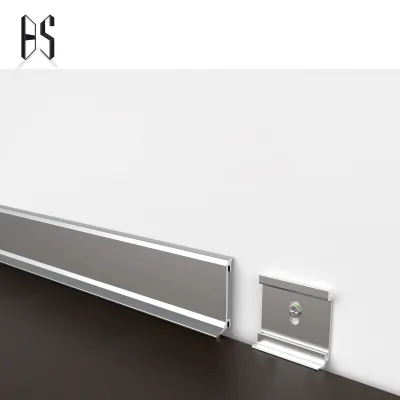


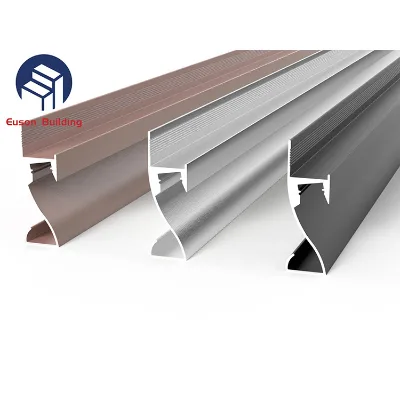

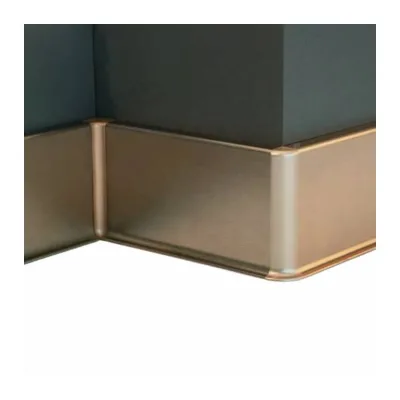


China Factory Various Sizes Indoor House Decoration Aluminium Skirting Profile
$0.50 - $0.97
MOQ: 500 Pieces

Comprehensive Sourcing Guide
Strategic Sourcing Guide for Modern Brushed Metal Aluminum Skirting
Understanding the Product Category and Design Attributes
The Modern Brushed Metal Aluminum Skirting board represents a significant evolution in interior finishing, moving away from traditional wood or PVC profiles toward durable, sleek metallic solutions. In the current B2B procurement landscape, the core keyword "Modern Brushed Metal Aluminum Skirting" refers to a specific subset of architectural trim characterized by a contemporary aesthetic and high-performance surface treatments. Based on observed market data, the design style is consistently categorized as "Modern" or "Contemporary," aligning with current architectural trends that favor clean lines and industrial chic finishes.
The primary material is aluminum, selected for its inherent resistance to corrosion, moisture, and impact, making it superior to wood in high-traffic environments. The "brushed" finish is a critical visual and tactile attribute. This surface treatment is not merely cosmetic; it is a mechanical process that creates a uniform grain pattern, which helps to conceal minor scratches and fingerprints better than a mirror-polished finish. The supply chain data indicates that surface treatments for these profiles include brushing, anodizing, and powder coating. Buyers should note that while "brushed" is the primary request, the final product may often combine brushing with anodizing to enhance durability or with powder coating to introduce specific color palettes while maintaining the metallic texture.
The functional application of these profiles extends beyond simple wall protection. They serve as a decorative element that bridges the gap between the floor and the wall, often integrating with underfloor heating systems or concealing expansion joints. The product is frequently marketed under names such as "Aluminum Skirting Board," "Baseboard," or "Aluminium Skirting Baseboard," reflecting its versatility in global markets. The standard design style observed in the market is strictly modern, avoiding ornate detailing in favor of minimalist geometric forms.
Technical Specifications and Customization Parameters
When evaluating potential suppliers for Modern Brushed Metal Aluminum Skirting, technical specifications must be scrutinized to ensure compatibility with the specific project requirements. The physical dimensions of the skirting board are not uniform across the market; they vary significantly based on the supplier and the intended application. Observed data reveals a thickness range typically falling between 0.8mm and 1.0mm, with customization options available for thicker or thinner profiles depending on structural needs.
Length is another critical variable. Standard lengths observed in the market include 2.5 meters per piece, with some suppliers offering 2.7-meter options to reduce the number of joints in long corridors. However, the most robust procurement strategy involves requesting "Customized" lengths. This capability allows for the minimization of waste and the reduction of visible seams, which is particularly important in large-scale commercial projects like hotels and office buildings. The height of the skirting board is equally variable, with standard offerings ranging from 40mm to 100mm. Customization in height is a standard service provided by suppliers, allowing designers to match the scale of the room or the specific aesthetic vision of the project.
The cross-sectional profile, often referred to as the model number, varies by manufacturer. Examples of observed models include ST01, ST02, SM-457, and SM-481. These alphanumeric codes represent specific cross-sectional geometries, such as L-shapes, T-shapes, or U-shapes with integrated cable management channels. Buyers must verify that the specific model number corresponds to the desired profile shape and that the internal dimensions allow for the intended installation method.
| Specification Parameter | Observed Standard Range | Customization Availability |
|---|---|---|
| Thickness | 0.8mm - 1.0mm | Yes, Customized |
| Length | 2.5m / 2.7m | Yes, Customized |
| Height | 40mm - 100mm | Yes, Customized |
| Surface Treatment | Brushed, Anodized, Powder Coating | Yes, Multiple Options |
| Material | Aluminum Alloy | Yes, Specific Alloys |
Compliance, Certification, and Quality Standards
In the B2B sector, particularly for commercial projects in Southeast Asia, Europe, and North America, compliance with international standards is non-negotiable. The primary certification observed in the market for aluminum skirting suppliers is ISO9001. This certification indicates that the manufacturer has established a quality management system that meets international standards for consistency and process control. While some background data references ISO9001:2015 or ISO14001, the explicit fact available confirms ISO9001 as a standard certification held by suppliers in this category. Buyers should request valid, current certificates and verify that the scope of the certification covers the specific manufacturing processes involved, such as extrusion, surface treatment, and assembly.
Beyond general quality management, the chemical and physical properties of the aluminum must be verified. The "Polished Aluminum Profile" is noted to undergo "Chemical Polishing" in some contexts, but for brushed finishes, the mechanical brushing process is paramount. Buyers should inquire about the specific alloy grade used, as this affects the material's strength and resistance to oxidation. While specific alloy numbers are not provided in the general data, the presence of anodizing and powder coating processes suggests that the base material is suitable for these treatments.
The product standard is sometimes listed as "101010" or "2.561518," which likely refers to specific dimensional tolerances or cross-sectional measurements rather than a universal industry standard. This discrepancy highlights the importance of verifying the "prod_standard" for each specific order. Buyers should not assume that a generic standard applies to all models; instead, they must request detailed technical data sheets (TDS) that confirm the dimensional tolerances, surface roughness values (Ra), and coating thicknesses for the specific brushed finish required.
Cost Drivers and Procurement Economics
The cost of Modern Brushed Metal Aluminum Skirting is influenced by several dynamic factors, including raw material prices, surface treatment complexity, and order volume. The observed price range in the market is broad, spanning from $0.50 to $3,000 USD, though this range likely reflects the difference between a single sample unit and a full container load of specialized, custom-configured profiles. For accurate budgeting, buyers must focus on the price per linear meter or per kilogram rather than the total order value.
The Minimum Order Quantity (MOQ) is a significant cost driver. Data indicates an MOQ range from 1 unit to 3,000 units, with specific suppliers setting thresholds such as 500kg or 1,000 meters. For smaller projects or sample acquisitions, buyers may need to pay a premium or accept higher per-unit costs. Conversely, larger orders that meet the 500kg or 1,000-meter thresholds can significantly reduce the unit cost. The "Customization" attribute is a double-edged sword; while it allows for perfect project fit, it often incurs additional tooling fees or higher MOQs.
Payment terms are another critical economic consideration. The standard term observed is "T/T 30%," meaning a 30% deposit is required upfront, with the balance due before shipment or upon completion of production. This is a standard practice in the industry but requires careful cash flow management. Buyers should also consider the logistics costs associated with the "Carton Box" or "Outside with Carton or Customized" packing. While standard packing is cost-effective, custom packaging for fragile or high-value finishes may add to the overall landed cost.
Typical Applications and Project Solution Capabilities
Modern Brushed Metal Aluminum Skirting is designed for a wide array of commercial and residential applications. The observed application list includes hotels, office buildings, schools, supermarkets, apartments, and home offices. The choice of this material is driven by the need for durability in high-traffic areas. In hotels and supermarkets, the skirting must withstand constant foot traffic, cleaning equipment, and potential impacts from luggage or carts. The aluminum material offers superior resistance to these stresses compared to wood, which can warp or dent, or PVC, which may crack.
Suppliers in this category often offer "Project Solution Capability," which is a valuable service for large-scale procurement. This capability includes "Cross Categories Consolidation," allowing buyers to source skirting boards alongside other aluminum profiles or finishing materials from a single supplier. Additionally, "Graphic Design" and "3D Model Design" services are available, enabling architects and interior designers to visualize the final installation before production begins. This is particularly useful for complex geometries or curved walls where standard straight profiles may not suffice.
The "After-Sale Service" provided by suppliers is also a key factor in application suitability. Services such as "Online Technical Support," "Free Spare Parts," and "Return and Replacement" ensure that any issues arising during installation or after handover can be resolved quickly. For a hotel project, for instance, having access to free spare parts can prevent long delays in room renovations. The ability to provide samples is also crucial; buyers should always request physical samples to verify the "Brushed" finish quality and color consistency before committing to a large order.
Supplier Evaluation and Quality Control Protocols
Selecting the right supplier requires a rigorous evaluation process that goes beyond price comparisons. The geographic origin of the product is predominantly "China," with specific manufacturing hubs in "Guangdong." While this region is a global leader in aluminum extrusion, buyers must verify the specific factory's capabilities. The "Lead Time" for production is typically 12 to 15 working days, with a broader delivery window of 7 to 20 days depending on the order size and customization level. Buyers should factor this into their project schedule to avoid delays.
Quality control should be a collaborative effort between the buyer and the supplier. The "Surface Treatment" process, specifically the brushing and anodizing, must be controlled to ensure consistency. Buyers should request a "Sample" with the same batch number as the final production run to verify that the finish matches the approved prototype. The "prod_packing" method, whether standard "Carton Box" or customized, must be robust enough to prevent damage during transit, especially for long, thin profiles that are prone to bending.
When evaluating suppliers, buyers should look for those who offer "OEM Service," indicating their willingness to produce under the buyer's brand or specific design requirements. The ability to provide "3D Model Design" and "Graphic Design" services suggests a higher level of technical competence and a partnership approach to the project. It is essential to verify that the supplier's "Project Solution Capability" aligns with the specific needs of the project, such as the ability to handle "Cross Categories Consolidation" if the project involves multiple material types.
Long-Term Procurement and Maintenance Considerations
Sourcing Modern Brushed Metal Aluminum Skirting is not just about the initial purchase; it involves long-term considerations regarding maintenance and lifecycle costs. The "Function" of the product is primarily "Decoration," but its durability ensures that the aesthetic appeal remains intact for years. The "Brushed" finish is particularly advantageous for long-term maintenance as it is less prone to showing wear patterns than a polished finish. However, buyers should still inquire about the recommended cleaning agents and methods to ensure the finish is not degraded by harsh chemicals.
The "After-Sale Service" provisions, such as "Online Technical Support" and "Free Spare Parts," play a crucial role in the long-term viability of the installation. In the event of damage or the need for replacement sections, having a reliable source for spare parts is essential. The "Return and Replacement" policy should be clearly understood, as it provides a safety net for any manufacturing defects that may not have been caught during the initial quality control phase.
Furthermore, the "Customization" aspect of the product allows for future-proofing. If a building undergoes renovation or a change in design aesthetic, the ability to order custom lengths or heights ensures that the skirting can be adapted without needing a complete replacement. The "Modern" design style is timeless, reducing the risk of the product becoming obsolete quickly. Buyers should also consider the environmental impact of the aluminum, which is highly recyclable, aligning with sustainable building practices that are increasingly important in the global market.
In conclusion, sourcing Modern Brushed Metal Aluminum Skirting requires a balanced approach that considers technical specifications, supplier capabilities, and long-term value. By leveraging the observed data on dimensions, certifications, and application areas, buyers can make informed decisions that ensure high-quality installations in hotels, offices, and residential complexes. The key is to engage with suppliers who offer comprehensive project solutions, robust quality control, and reliable after-sales support, ensuring that the investment in modern aluminum skirting delivers both aesthetic and functional value for years to come.
FAQs
What surface treatments are available for brushed aluminum skirting?
Brushed aluminum skirting is available with brushed, anodized, and powder coating finishes. Some products also offer polished treatments to enhance durability and aesthetic appeal while maintaining the metallic texture required for modern interiors.
Can I customize the dimensions of the aluminum skirting board?
Yes, customization is available for thickness, length, and height. Buyers can select thickness between 0.8mm and 1mm, lengths of 2.5m or 2.7m, and heights ranging from 40mm to 100mm to fit specific project requirements.
What is the typical lead time for delivery of these profiles?
The standard lead time ranges from 12 to 15 working days. Depending on order volume and customization needs, the broader delivery window can extend from 7 to 20 days after the deposit is received.
Which certifications do manufacturers of this product typically hold?
Manufacturers typically hold ISO9001 certification to ensure quality management standards. This certification confirms that the production processes meet international requirements for consistency and reliability in manufacturing aluminum profiles.
What are the minimum order quantities for purchasing skirting boards?
Minimum order quantities vary by supplier, with some requiring 500kg or 1000 meters. Buyers should check specific supplier terms as MOQs can range from 1 unit to 3000 units depending on the customization level.
Where are these aluminum skirting boards primarily manufactured?
These products are primarily manufactured in China, with specific production hubs located in Guangdong. This region is a global leader in aluminum extrusion and offers competitive pricing for international buyers.