Source Modern Candle Warmer Lamp for Home, Office, and Events
Compare 30 Modern Candle Warmer Lamp options from verified suppliers in China. These units feature LED light sources, customizable sizes, and certifications like CE and RoHS for reliable illumination in various settings.
Key considerations
Products List


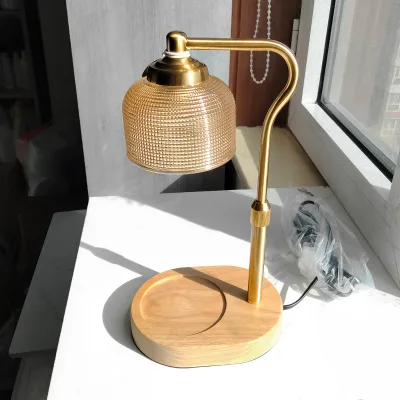
Adjusting Modern Candle Warmer Lamp Wax Tart Warmer Dimmer Switch Control Light
$13.50 - $15.76
MOQ: 50 Pieces


High Quality Elegant Candle Warmer Lamp Aromatherapy Dimmable Light Candle Lamp
$17.49 - $18.52
MOQ: 30 Pieces


Comprehensive Sourcing Guide
Strategic Sourcing Guide for Modern Candle Warmer Lamps
The global market for ambient lighting solutions has seen a significant shift toward multifunctional devices that blend aesthetic appeal with functional utility. Among these, the Modern Candle Warmer Lamp has emerged as a high-demand category for B2B buyers seeking to supply home decor retailers, hospitality venues, and lifestyle boutiques. Unlike traditional electric candles that rely on flickering LEDs to mimic a flame, modern candle warmers utilize heat to melt wax and release fragrance without an open flame, offering a safer alternative for residential and commercial use. Sourcing these products requires a disciplined approach to technical verification, regulatory compliance, and supply chain reliability. This guide outlines the critical factors buyers must evaluate when procuring modern candle warmer lamps, ensuring that the final product meets both market expectations and safety standards.
Technical Specifications and Design Architecture
When evaluating modern candle warmer lamps, the primary technical focus must be on the heating mechanism, the housing material, and the electrical components. The product data indicates that the shell type can vary significantly between frosted and transparent finishes, which directly impacts the diffusion of light and the visibility of the melting wax. A frosted shell, often made of polycarbonate diffusers, provides a softer, more ambient glow that mimics the look of a real candle flame, whereas a transparent shell allows for a clearer view of the wax melt. The shape of the unit is predominantly round, a design choice that facilitates even heat distribution and a classic aesthetic that fits various interior styles.
The power source for these units is typically electric, operating on standard voltage ranges of 110V to 220-240V, making them suitable for international markets with different electrical standards. The power consumption observed in the market ranges from 15W to 20W, which is energy-efficient for a device designed to maintain a consistent temperature over extended periods. Buyers should verify that the lamp holder or base is compatible with standard candle sizes, as the IP rating for the lamp holder/base is a critical specification for safety. In some configurations, the device is sold without a light source, relying solely on the heat element, while others integrate an LED light source that emits a warm white color to enhance the visual experience. The mounting type is generally tabletop, requiring a stable base that prevents tipping, with an item weight of approximately 2 pounds ensuring sufficient stability without being overly cumbersome.
Compliance and Certification Verification
Regulatory compliance is non-negotiable when importing electrical appliances for candle warmers. The market data highlights a diverse array of certifications that suppliers may claim, including FCC, CE, CCC, RoHS, GS, and VDE. These certifications are not merely marketing labels but are legal requirements for selling in specific regions. For instance, CE and RoHS are mandatory for entry into the European Union, ensuring that the product meets health, safety, and environmental protection standards. The FCC certification is essential for the United States market, regulating electromagnetic interference to ensure the device does not disrupt other electronic equipment.
Buyers must exercise caution when reviewing certification claims, as the specific combination of certifications varies by product model and origin. Some models list certifications such as GS and VDE, which are particularly stringent German safety standards, while others may only list basic CE and RoHS compliance. The presence of the CCC mark indicates compliance with Chinese compulsory certification standards, which is relevant for products manufactured in China. When sourcing, buyers should request valid, up-to-date test reports from accredited laboratories rather than relying solely on a supplier's declaration. The standard for these products often includes specific dimensions, such as 5.3"L x 5.3"W x 12"H, but buyers must verify that the physical dimensions of the specific unit match the regulatory testing parameters, as even minor deviations can invalidate a certification.
Cost Drivers and Pricing Dynamics
The pricing of modern candle warmer lamps is influenced by several variables, including material composition, customization levels, and certification scope. The observed price range in the market spans from $0.80 to $58.00 USD, a wide disparity that reflects differences in quality, brand positioning, and feature sets. The lower end of the price spectrum typically corresponds to basic models with standard materials like plastic and minimal customization options. In contrast, higher-priced units often feature premium materials such as metal bodies, advanced diffusers, and integrated lighting systems with warm white LEDs.
Material costs are a significant driver, with options ranging from plastic to metal construction. Metal bodies generally command a higher price due to durability and heat retention properties, while plastic offers cost efficiency and design flexibility. Customization is another major cost factor; while the base product may be available at a standard price, options for custom colors, shapes, and packaging can increase the unit cost. The data indicates that size, color, and material can all be customized, which allows buyers to tailor products to specific brand identities but requires careful budgeting. Additionally, the complexity of the electrical components, such as the inclusion of push-button switches or specific voltage transformers, adds to the manufacturing cost. Buyers should analyze the total landed cost, including shipping and tariffs, rather than focusing solely on the unit price, as the low-cost items may incur higher logistical expenses or require larger minimum order quantities (MOQs) to be economically viable.
Typical Applications and Market Segmentation
Modern candle warmer lamps serve a broad range of applications, primarily falling into the illumination and home fragrance sectors. The applicable scope is defined as illumination, but the functional utility extends to aromatherapy and ambiance creation. These devices are ideal for residential settings where safety is a concern, such as homes with children or pets, as they eliminate the fire hazard associated with open flames. In commercial environments, such as hotels, spas, and boutique retail stores, these lamps provide a consistent and safe method of scent diffusion, enhancing the customer experience without the risk of fire.
The style of these products is generally modern, fitting seamlessly into contemporary interior design trends. The use of round shapes and frosted or transparent shells allows them to blend with various decor styles, from minimalist to eclectic. The product is often categorized as a desk or table lamp, indicating its primary placement on flat surfaces. For B2B buyers, understanding the target demographic is crucial. Retailers targeting health-conscious consumers or those seeking eco-friendly alternatives to traditional candles will find these warmers highly appealing. Furthermore, the ability to customize the color and size allows suppliers to create exclusive lines for specific market segments, such as luxury gift sets or budget-friendly home essentials.
Supplier Evaluation and Manufacturing Capabilities
Selecting the right supplier requires a thorough evaluation of their manufacturing capabilities, quality control processes, and logistical reliability. The product origin is predominantly China, with specific mentions of Guangdong and Fuzhou as production hubs. These regions are known for their robust electronics and lighting manufacturing ecosystems, but buyers must verify the specific factory's capacity and reputation. The lead time for delivery is typically between 15 to 35 days, a range that buyers must factor into their inventory planning and order scheduling.
Suppliers should demonstrate flexibility in customization, as the market data shows that size, color, material, and packing can be tailored to buyer specifications. The availability of customization options suggests that the supplier has the necessary tooling and production lines to handle varied orders. However, buyers should assess the supplier's ability to maintain consistency across different batches, especially when custom colors or materials are involved. The packaging options, ranging from color boxes to standard boxes, also reflect the supplier's attention to detail and ability to meet branding requirements. It is essential to request samples to verify the quality of the finish, the accuracy of the dimensions, and the functionality of the electrical components before committing to a large order.
Quality Control and Long-Term Procurement Strategy
Quality control is paramount when sourcing electrical appliances, particularly those involving heat generation. Buyers should implement a rigorous inspection protocol that includes pre-production sample approval, in-process quality checks, and final random inspections. Key quality metrics include the stability of the heating element, the durability of the shell material, and the reliability of the electrical connections. The warranty period for these products is typically 2 years, which serves as an indicator of the manufacturer's confidence in their product quality. However, buyers should not rely solely on the warranty period; instead, they should verify the specific terms and conditions to ensure they cover manufacturing defects and electrical failures.
For long-term procurement, establishing a strategic partnership with a reliable supplier is more beneficial than transactional buying. Buyers should look for suppliers who offer consistent lead times, transparent communication, and a willingness to collaborate on product improvements. The ability to customize the product continuously allows for adaptation to changing market trends and consumer preferences. Additionally, buyers should monitor the supply chain for potential disruptions, such as raw material shortages or logistical delays, and develop contingency plans to mitigate these risks. By focusing on technical specifications, compliance, and supplier reliability, buyers can secure a steady supply of high-quality modern candle warmer lamps that meet the demands of their target markets.
Comparative Analysis of Product Attributes
To facilitate decision-making, the following table summarizes the key attributes observed in the market for modern candle warmer lamps. This comparison highlights the variability in specifications and helps buyers identify the features that align with their specific requirements.
| Attribute | Observation Range / Options | Relevance to Buyer |
|---|---|---|
| Material | Plastic, Metal, Polycarbonate | Determines durability, heat retention, and cost. |
| Shell Type | Frosted, Transparent | Affects light diffusion and aesthetic appeal. |
| Light Source | LED (Warm White), None | Impacts visual ambiance and energy consumption. |
| Power | 15W - 20W | Indicates energy efficiency and heating capacity. |
| Voltage | 110V / 220-240V | Critical for regional market compatibility. |
| Certification | CE, RoHS, FCC, CCC, GS, VDE | Mandatory for legal sale in specific regions. |
| Customization | Size, Color, Material, Packing | Allows for brand differentiation and niche targeting. |
| Warranty | 2 Years | Indicator of product reliability and supplier confidence. |
| Lead Time | 15-35 Days | Essential for inventory planning and delivery scheduling. |
By carefully analyzing these attributes and understanding the underlying factors that drive cost and quality, buyers can make informed decisions that balance performance, compliance, and profitability. The Modern Candle Warmer Lamp market offers significant opportunities for those who can navigate the complexities of technical specifications and regulatory requirements while maintaining a strategic focus on supplier relationships and quality assurance.
FAQs
Can I customize the size and color of the Modern Candle Warmer Lamp?
Yes, the size, color, and material can be customized to meet specific buyer requirements. This flexibility allows for tailored branding but may affect the unit cost and minimum order quantity.
What certifications are required for importing these lamps to Europe?
Products typically require CE and RoHS certifications for European market entry. Some models also include GS and VDE marks, which are stringent German safety standards for electrical appliances.
How long does it take to receive an order of modern candle warmer lamps?
The standard delivery time ranges from 15 to 35 days depending on the order volume and customization level. Buyers should plan their inventory schedules around this lead time window.
What is the typical price range for modern candle warmer lamps?
The observed price range spans from 0.80 to 58.00 USD per unit. Lower prices usually correspond to basic plastic models, while higher prices reflect metal bodies and advanced features.
Where are these modern candle warmer lamps manufactured?
The products originate from China, specifically from production hubs in Guangdong and Fuzhou. These regions offer robust manufacturing ecosystems for lighting and electrical components.
What is the warranty period for the Modern Candle Warmer Lamp?
The standard warranty period is 2 years for the product. This coverage indicates the manufacturer's confidence in the durability of the heating element and electrical components.