Source E0 Wood Grain Fireproof Pallets for Storage, Transport, Warehousing
Compare 30 listings of E0 Wood Grain Fireproof Pallets from verified Chinese manufacturers. Buyers can evaluate dimensions, load capacity, and customization options for transportation and goods storage applications across various industrial needs; compare the available evidence and request quotations based on your requirements.
Key considerations
Products List


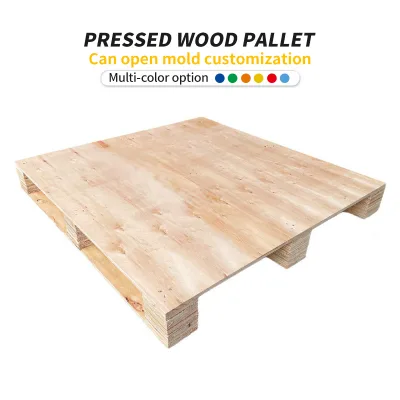
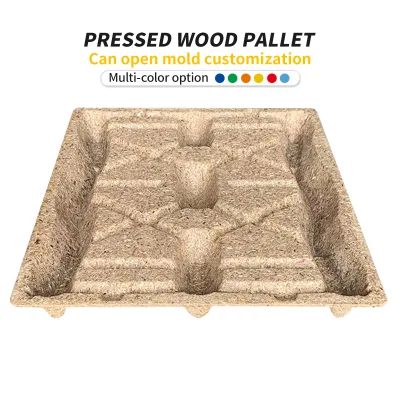


Outdoor Waterproof Bammax Pallets 200X25mm Fireproof Deck 3D Wood Grain
$88.00 - $106.00
MOQ: 100 Square Meters

E0 Outdoor Bammax Pallets 200X25mm Waterproof Deck 3D Wood Grain
$88.00 - $106.00
MOQ: 100 Square Meters

3D Wood Grain Bammax Pallets 200X25mm China Fireproof Outdoor Deck
$88.00 - $106.00
MOQ: 100 Square Meters

25mm 3D Wood Grain Bammax Pallets 200X25mm Fireproof Exterior Deck
$88.00 - $106.00
MOQ: 100 Square Meters

Wear-Resistant Bammax Pallets 200X25mm China Fireproof Deck 3D Wood Grain
$88.00 - $106.00
MOQ: 100 Square Meters

Fire-Retardant Grain Bammax Pallets 200X25mm 3D Wood Deck Decking Outdoor
$88.00 - $106.00
MOQ: 200 Square Meters
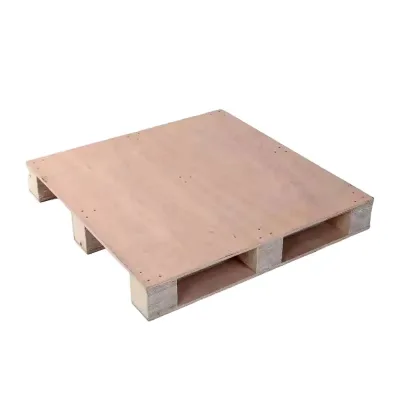


Manufacture Compressed Fumigation-Free Wood Fiber Eco Friendly Wooden Pallet
$5.60 - $9.10
MOQ: 300 Pieces


Comprehensive Sourcing Guide
E0 Wood Grain Fireproof Pallets Sourcing Guide
Sourcing specialized pallets that combine aesthetic finishes with functional durability requires a nuanced understanding of material properties and manufacturing processes. While the core keyword suggests a specific visual and chemical profile, the actual market data reveals a diverse range of wooden pallets with varying dimensions, load capacities, and structural designs. Buyers must distinguish between marketing terminology and verifiable technical specifications to ensure the selected product meets their logistical and storage requirements.
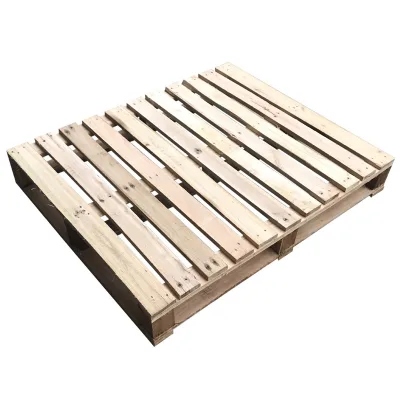
The observed product landscape includes flat pallets, single-faced, and double-faced configurations, primarily constructed from wood or compressed wood materials. These units are designed for transportation and goods storage, featuring entry types such as four-way access to facilitate forklift handling. Understanding the distinction between static load ratings and dynamic usage scenarios is critical, as the structural integrity of the pallet directly impacts supply chain efficiency and safety during transit and warehousing operations.
Product Scope and Observed Listing Signals
The current market listings indicate a wide variance in pallet dimensions, with common sizes including 1100mm x 1100mm, 1200mm x 1000mm, and 1050mm x 1050mm. Heights range from 130mm to 145mm, reflecting different structural layering and load-bearing capabilities. Buyers should note that while some products are described with specific model numbers like MP-S0005 or ZNPP014, the physical attributes such as weight and load capacity vary significantly, with static loads reaching up to 6 tons and unit weights around 15.5kg for certain models.
Customization is a prevalent feature, allowing buyers to tailor pallets to specific container or racking dimensions. The production process often involves hot pressing, which contributes to the durability and consistency of the wood grain finish. Packaging methods also differ, with options including film-wrapped bundles of 65 or 18 pieces, or standard export packaging. These variations highlight the importance of verifying exact specifications rather than relying on generic product titles when planning inventory and logistics.
Technical Specifications to Verify
When evaluating pallets for procurement, verifying the load capacity is paramount to prevent structural failure during handling. The observed data shows static load capacities of up to 6 tons, but buyers must confirm the dynamic load rating suitable for forklift operations. Additionally, the entry type, typically four-way for these wooden pallets, ensures compatibility with standard material handling equipment. It is essential to cross-reference the stated load capacity with the pallet’s weight and construction material to ensure optimal performance under real-world conditions.
Dimensional accuracy is another critical technical factor, as pallets must fit precisely within storage racks and shipping containers. The standard sizes observed, such as 1100mm x 1100mm x 130mm or 1200mm x 1100mm x 135mm, require strict adherence to tolerances. Buyers should request detailed technical drawings or physical samples to verify height, width, and length, especially when customizing orders. Ensuring that the pallet’s single or double-faced design aligns with the stacking requirements of the stored goods is also necessary for maximizing warehouse space utilization.
Compliance and Safety Documentation
While specific certifications like ISO 9001 or FSC are mentioned in background contexts, buyers must actively verify the compliance status of each supplier. For pallets intended for international shipping, phytosanitary standards such as ISPM 15 are often mandatory to prevent the spread of pests. Buyers should request proof of treatment and certification from the supplier, ensuring that the wood grain finish does not compromise the structural integrity or safety of the pallet during transit.
Documentation regarding the material grade is equally important, with some listings specifying first-class wood grades. Buyers should inquire about the source of the wood and the treatment processes used to achieve the fireproof or durable characteristics. Ensuring that the supplier provides clear documentation on material safety and environmental compliance helps mitigate risks associated with regulatory inspections and ensures that the pallets meet the destination country’s import requirements.
Cost Drivers and Commercial Terms
The price range for these pallets varies significantly, from approximately $0.8 to $750 per unit, influenced by size, material quality, and customization options. The minimum order quantity (MOQ) also fluctuates, with some suppliers requiring a full 20-foot container, while others accept orders as low as 100 pieces. Buyers must analyze the total landed cost, including shipping and handling, to determine the most economical option for their specific volume requirements.
Commercial terms such as payment methods and lead times are critical components of the procurement process. Suppliers may offer different packing configurations, such as film-wrapped bundles, which can affect shipping efficiency and cost. Buyers should negotiate clear terms regarding quality assurance and return policies, ensuring that any discrepancies in dimensions or load capacity are addressed promptly. Understanding these commercial dynamics helps in budgeting accurately and maintaining a stable supply chain.
Supplier Qualification and Quality Control
Selecting a reliable supplier involves assessing their production capabilities and quality control measures. Many suppliers are located in regions like Shuyang, Suqian, or Shandong in China, known for their wood processing industries. Buyers should verify the supplier’s production process, such as hot pressing, and inquire about their quality control protocols to ensure consistent product quality. Requesting references or case studies from previous clients can provide insights into the supplier’s reliability and responsiveness.
Quality control should extend to the inspection of finished goods before shipment. Buyers can implement third-party inspection services to verify dimensions, load capacity, and finish quality. Establishing a clear communication channel with the supplier for addressing any issues during production is essential. Regular audits and performance reviews can help maintain high standards and ensure that the supplier continues to meet the buyer’s expectations for quality and delivery.
Long-Term Procurement Checks
Long-term success in pallet procurement requires ongoing monitoring of supplier performance and market trends. Buyers should regularly review supplier metrics, such as on-time delivery rates and defect percentages, to identify potential issues early. Staying informed about changes in material costs and regulatory requirements can help buyers anticipate price fluctuations and adjust their procurement strategies accordingly. Building a strong relationship with suppliers can also lead to better pricing and priority service during peak demand periods.
Continuous improvement in pallet design and functionality is another key aspect of long-term procurement. Buyers should explore opportunities for customization and innovation, such as enhanced durability or improved sustainability features. Engaging with suppliers on product development can lead to tailored solutions that better meet the buyer’s specific logistical needs. By maintaining a proactive approach to supplier management and product evaluation, buyers can ensure a resilient and efficient supply chain over time.
FAQs
What customization options are available for these wood pallets?
Customization is available for these wood pallets to meet specific buyer needs. You can request different sizes such as 1100mm by 1100mm or 1200mm by 1000mm. The production process uses hot press technology to ensure durability while allowing for tailored dimensions and styles like single or double-faced designs.
How much does a single wooden pallet weigh?
A single wooden pallet typically weighs around 15.5 kilograms based on observed product data. This weight supports a static load capacity of up to 6 tons. The weight ensures stability during transportation and goods storage while maintaining the structural integrity required for industrial use in various logistics environments.
Which entry types are supported for these flat pallets?
These flat pallets support a 4-way entry type for versatile forklift access. This design allows lifting from any side to improve handling efficiency in warehouses. The 4-way entry feature is standard across the single-faced and double-faced styles available for transportation and storage applications in global supply chains.
Can I order a minimum quantity of one container?
Yes, you can order a minimum quantity of one 20-foot container for these products. Some listings specify a minimum order quantity of 100 units or one full container depending on the specific model. This flexibility allows buyers to scale their procurement based on their storage and transportation requirements effectively.
What are the standard dimensions for these compressed wood pallets?
Standard dimensions include 1100mm by 1100mm with a height of 130mm or 145mm. Other common sizes are 1050mm by 1050mm and 1200mm by 1000mm. These specifications ensure compatibility with standard racking systems and shipping containers while providing the necessary load capacity for heavy industrial goods.
How are these wooden pallets packed for export?
These wooden pallets are packed using standard export packaging methods to ensure safe transit. Specific models are wrapped by film with quantities ranging from 18 to 65 pieces per bundle. This packaging protects the wood grain and fireproof features during long-distance shipping from origins in China to international destinations.