Source Modern Decorative Wooden Soundproofing Panels for Offices, Studios, Theaters
Compare 30 listings of Modern Decorative Wooden Soundproofing Panels featuring NRC ratings from 0.75 to 1.1 and various fire ratings. Buyers can evaluate polyester fiber and wood veneer options for use in recording studios, offices, and home theaters.
Updated
Key considerations
Products List


Modern Wall Panels: Decorative Wood Design for Superior Soundproofing
$11.80 - $13.00
MOQ: 100 Square Meters

Premium Wooden Soundproofing Panels for Sustainable Modern Home Decor
$11.80 - $13.00
MOQ: 100 Square Meters


Sustainable Acoustic Wall Panels for Modern Interior Soundproofing
$11.80 - $13.00
MOQ: 100 Square Meters
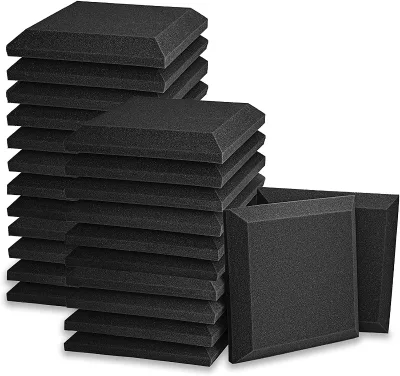
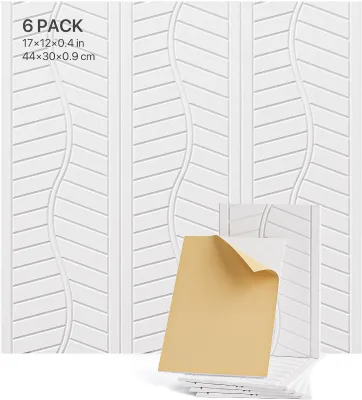


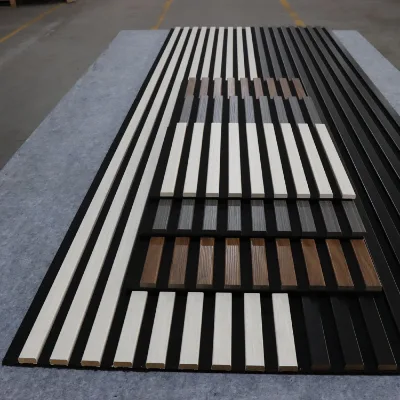

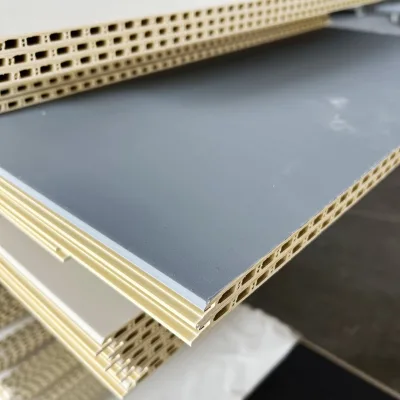
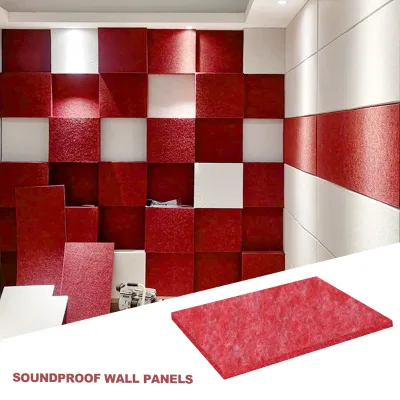

New Decorative Soundproofing Timber Wooden Grooved Acoustic Panel
$20.00 - $30.00
MOQ: 100 Square Meters


Room Decoration Wooden Timber Soundproof Material Acoustic Panels
$20.00 - $30.00
MOQ: 100 Square Meters


New Style Decorative Soundproofing Timber Wood Wood Groove Acoustic Panel
$20.00 - $30.00
MOQ: 100 Square Meters

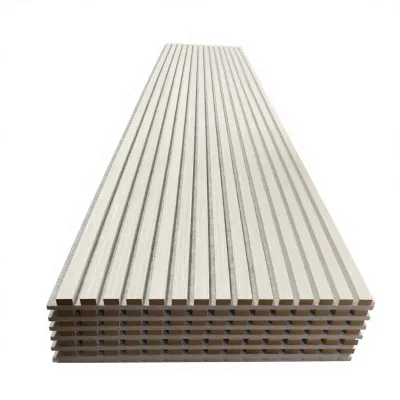
Comprehensive Sourcing Guide
Modern Decorative Wooden Soundproofing Panels Sourcing Guide
Procuring Modern Decorative Wooden Soundproofing Panels requires balancing aesthetic integration with rigorous acoustic performance standards. Buyers must recognize that these products often combine natural wood veneers with engineered cores to achieve specific noise reduction coefficients. The market offers variations ranging from pure polyester fiber panels to composite structures involving medium-density fiberboard and veneer layers. Understanding these material distinctions is critical for selecting the right solution for specific architectural environments, ensuring that the visual warmth of wood does not compromise the functional sound absorption required in professional settings.
Sourcing decisions should also account for the diverse customization options available from manufacturers, particularly regarding shape, edge detailing, and surface finishing. Many suppliers offer groove or perforated wooden designs that allow for tailored acoustic tuning while maintaining a sleek, modern appearance. It is essential to verify whether the panel structure supports the intended installation method, such as adhesive backing or mechanical fixing, as this impacts both the final aesthetic and the structural integrity of the wall assembly. Aligning these technical attributes with the project’s design intent ensures a cohesive and high-performing acoustic environment.
Product Scope and Observed Listing Signals
The current market landscape for these panels reveals a wide spectrum of material compositions and acoustic capabilities. Listings indicate products made from 100% polyester fiber, which often carry high noise reduction coefficients, as well as composite panels consisting of polyester, MDF, and wood veneer. These composite types typically feature square edges and can be customized in shape, offering versatility for various interior design schemes. Buyers should observe that acoustic performance metrics vary significantly, with some products claiming NRC values between 0.75 and 0.95, while others may have different ratings depending on the core material and thickness.
Commercial signals also highlight significant variability in packaging and standard dimensions. Common sheet sizes include 1220x2440mm and 600x2400mm, with some products available in smaller modular formats like 600x600mm. Packaging is often customized by the customer or supplied in protective paper boxes, with specific carton dimensions noted for logistics planning. The presence of after-sales services, such as free replacements or multi-year warranties, serves as a key indicator of supplier confidence in product durability. These commercial terms should be weighed against the initial unit cost to determine the total cost of ownership for large-scale procurement projects.
Technical Specifications to Verify
When evaluating technical specifications, the core composition of the panel is the primary determinant of its acoustic and structural properties. Buyers must verify whether the product is a pure polyester fiber panel or a composite structure involving MDF and wood veneer, as this affects both weight and sound absorption characteristics. The surface finishing, often described as veneer, provides the decorative appeal but must be checked for consistency and durability. Additionally, the edge type, typically square, should be confirmed to ensure seamless installation and a clean visual line when panels are joined together on walls.
Acoustic performance metrics, specifically the Noise Reduction Coefficient (NRC), require careful verification against project requirements. While some listings suggest high NRC values, others may indicate lower performance depending on the specific model and thickness. The standard dimensions, such as 600x2400mm or 1220x2440mm, must be cross-referenced with the architectural drawings to minimize waste and installation complexity. Furthermore, the installation method, whether adhesive-based or mechanical, should be clearly defined to ensure compatibility with the existing wall substrate. Confirming these technical details prevents mismatches between the supplied product and the intended acoustic environment.
Compliance and Safety Documentation
Safety and environmental compliance are critical factors in the procurement of interior acoustic panels, particularly for commercial and public spaces. Buyers should verify that the products meet relevant fire rating standards, with some listings indicating Class B or Class A fire ratings. The material composition, whether polyester or wood-based, must align with local building codes regarding flammability and smoke density. Certifications such as CE, ISO, ASTM, and SGS provide evidence of adherence to international quality and safety standards, offering assurance that the materials have undergone rigorous testing for performance and safety.
Environmental certifications are equally important, especially for projects targeting green building standards. Some products are marketed as eco-friendly, with specific claims regarding their environmental impact and material sourcing. Buyers should request documentation that substantiates these claims, such as E0 formaldehyde emission ratings or recycled content percentages. The presence of certifications from recognized testing bodies like Intertek or SGS adds credibility to these environmental assertions. Ensuring that all compliance documentation is up-to-date and verifiable protects the buyer from regulatory risks and supports the overall sustainability goals of the construction project.
Cost Drivers and Commercial Terms
The cost of Modern Decorative Wooden Soundproofing Panels is influenced by several key factors, including material composition, surface finishing, and customization requirements. Panels made from 100% polyester fiber may have different pricing structures compared to composite panels involving MDF and wood veneer. The thickness of the panel, often specified in millimeters, also plays a significant role in determining the unit price. Additionally, custom shapes, colors, and edge treatments can increase production costs, so buyers should clarify the extent of customization allowed within their budget constraints.
Minimum Order Quantities (MOQ) and lead times are critical commercial terms that impact procurement planning. Observed MOQs can range from small batches to larger industrial quantities, affecting the feasibility of small-scale projects. Lead times vary based on the complexity of the order and the supplier’s production capacity. Buyers should also consider the packaging requirements, as customized packing may incur additional costs. Understanding these commercial terms allows for more accurate budgeting and scheduling, ensuring that the project timeline is not disrupted by unexpected delays or cost overruns associated with production and logistics.
Supplier Qualification and Quality Control
Selecting a reliable supplier involves verifying their manufacturing capabilities and quality control processes. Buyers should assess the supplier’s experience in producing acoustic panels, particularly those with wood veneer finishes, to ensure consistency in product quality. The availability of certifications such as CE, ISO, and ASTM indicates a commitment to standardized manufacturing practices. It is also important to inquire about the supplier’s quality assurance protocols, including how they handle defects and ensure that each batch meets the specified acoustic and aesthetic standards.
After-sales service and warranty provisions are key indicators of supplier reliability. Many suppliers offer warranties ranging from two to three years, along with services such as free replacements for defective products. Buyers should clarify the terms of these warranties, including what constitutes a defect and the process for claiming replacements. Additionally, the supplier’s responsiveness to technical queries and their ability to provide samples for evaluation are crucial for building a strong partnership. A supplier with a robust quality control system and supportive after-sales service reduces the risk of project delays and ensures long-term satisfaction with the installed acoustic panels.
Long-Term Procurement Checks
Long-term procurement success depends on establishing clear performance benchmarks and maintenance protocols for the installed panels. Buyers should define acceptance criteria based on acoustic performance tests, such as NRC measurements, to ensure that the panels meet the project’s noise reduction goals. Regular inspections of the installed panels can help identify any issues with adhesion, veneer peeling, or structural integrity. Maintaining a record of the specific product models and batch numbers facilitates easier replacement or expansion in the future, ensuring consistency in appearance and performance across the facility.
Sustainability and lifecycle management are also important considerations for long-term procurement. Buyers should evaluate the recyclability and environmental impact of the panels at the end of their useful life. Understanding the material composition, whether polyester or wood-based, helps in planning for proper disposal or recycling. Additionally, staying informed about updates in building codes and acoustic standards ensures that the installed panels remain compliant with current regulations. By proactively managing these long-term aspects, buyers can maximize the value and longevity of their investment in Modern Decorative Wooden Soundproofing Panels.
FAQs
What materials are used for these acoustic panels?
These panels are made from 100% polyester fiber or a blend of 60% polyester, 30% MDF, and 10% veneer. Some options also utilize recycled PET materials. The composition ensures durability while providing effective sound absorption for various interior environments.
Which fire rating certifications do the panels hold?
The panels typically hold Class B or Class A fire ratings depending on the specific model. Certifications include CE, ISO, ASTM, Intertek, and SGS. These standards ensure the products meet safety requirements for use in restaurants, studios, and office spaces.
Can the panel shape be customized for my project?
Yes, the shape can be customized to fit specific design requirements. Standard sizes include 600mm by 600mm or 1220mm by 2440mm. Customization is available for edge types and surface finishes like veneer to match your architectural aesthetic needs.
How are these acoustic panels installed on walls?
Installation is performed by attaching the back side with glue directly onto the wall. Adhesive methods are standard for securing the panels. This process ensures a secure fit for applications in recording studios, home theaters, and conference rooms without complex hardware.
What is the Noise Reduction Coefficient range for these panels?
The Noise Reduction Coefficient ranges from 0.75 to 0.95, with some models reaching up to 1.1. This high performance makes them suitable for classrooms, auditoriums, and offices. The acoustic efficiency helps reduce echo and improve sound clarity in treated spaces.
What warranty and after-sales service are provided?
Warranty periods typically last for three years, with some options offering two years of coverage. After-sales service includes free replacement for defective items. This support ensures long-term reliability for buyers sourcing panels for commercial or residential acoustic treatments.
Where are these acoustic panels manufactured and shipped from?
The panels originate from China, with specific production located in Shandong. They are packed according to customer requirements or standard cartons. This origin allows for competitive pricing while maintaining quality standards required for international export and diverse project specifications.