Source modern eco-friendly travertine stone veneer for schools, hotels, and exterior walls
Find 30 listings for modern eco-friendly travertine stone veneer suitable for commercial, school, and outdoor applications. Buyers can compare flexible, lightweight, and fireproof options with customized sizes and installation methods.
Key considerations
Products List


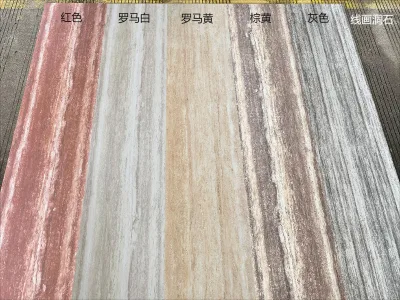


Flexible Artificial Travertine Stone Panels for Indoor and Outdoor Decoration
$4.89 - $7.89
MOQ: 50 Square Meters


Lightweight Milan Travertine Soft Stone with Scratch-Resistance and Easy Installation
$2.99 - $4.99
MOQ: 200 Square Meters




Comprehensive Sourcing Guide
Strategic Sourcing Guide for Modern Eco-Friendly Travertine Stone Veneer
The global construction and interior design markets have witnessed a significant shift toward materials that balance aesthetic authenticity with environmental responsibility. Modern eco-friendly travertine stone veneer has emerged as a pivotal solution, offering the natural elegance of stone without the heavy logistical and structural burdens associated with traditional masonry. For procurement professionals, navigating this sector requires a granular understanding of material composition, technical performance, and supply chain dynamics. This guide synthesizes available product data and industry standards to provide a robust framework for sourcing decisions, ensuring that buyers can identify suppliers capable of delivering high-performance, sustainable stone solutions.
Material Composition and Physical Characteristics
The foundation of any successful procurement strategy lies in a precise understanding of the material's physical and chemical properties. Modern travertine veneers in this category are frequently described as "Natural Slate Composite" or "Modified Clay and Stone Powder" products. This distinction is critical; while the visual texture mimics natural stone, the underlying composition often involves engineered materials designed to enhance flexibility and reduce weight. Buyers must verify the specific ratio of natural stone powder to binding agents, as this directly influences the product's durability and eco-profile.
A defining characteristic of these modern veneers is their "Ultra Light" weight and "Flexible" nature. Unlike traditional stone slabs, which are rigid and heavy, these materials are engineered to be "Flexible," allowing for installation on curved surfaces and complex architectural geometries. The product form is typically categorized as "Big Slab" or "Cut-To-Size," with standard dimensions often observed in the range of 600x1200mm, 1200x2400mm, and 1200x3000mm. Thickness is another variable that requires careful specification; observed ranges include 2.0mm to 15mm, with 4mm being a common standard for lightweight applications. The "Matt" surface finish is prevalent, providing a non-reflective, natural stone appearance that is highly desirable for modern interior and exterior design schemes.
Technical Performance and Durability Specifications
When evaluating the technical viability of a stone veneer, buyers must scrutinize the resistance profiles against environmental stressors. High-performance modern veneers demonstrate robust resistance to chemical and physical degradation. Key attributes to verify include "Acid Resistance," "Heat Resistance," and "Cold Resistance," ensuring the material can withstand harsh weather conditions or exposure to cleaning agents without discoloration or structural failure. Furthermore, "Collision Resistance" is a vital metric for high-traffic commercial areas, indicating the material's ability to absorb impact without cracking.
The "Water Vapor Transmission" rate is a specific technical parameter that often appears in product data, with values such as 5.3G(M.H) indicating the material's breathability. This characteristic is essential for preventing moisture entrapment behind the cladding, which can lead to mold growth or substrate degradation. Additionally, "Artificial Aging Resistance" is a critical test metric; products rated at "Level 1" suggest a high degree of stability against UV radiation and weathering, ensuring that the color and texture remain consistent over time. The absence of "No Cracking" under stress conditions further validates the material's structural integrity.
| Performance Attribute | Typical Observation | Verification Requirement |
|---|---|---|
| Flexibility | Flexible, No Cracking | Confirm bending radius limits |
| Fire Safety | A1 Fireproof | Request fire classification certificate |
| Weather Resistance | Acid, Heat, Cold, Water Vapor | Review specific test reports |
| Surface Finish | Matt | Verify sample for texture consistency |
| Weight | Ultra Light | Confirm weight per square meter |
Compliance, Certification, and Standards
Navigating the regulatory landscape is a non-negotiable aspect of B2B procurement. While specific certification status for individual suppliers may vary, buyers should prioritize products that align with recognized international standards. The "A1 fireproof" classification is a significant compliance marker, indicating the material is non-combustible and meets stringent safety requirements for public buildings, hotels, and commercial spaces.
Standardization in dimensions and quality is also paramount. Observed product standards often reference specific size configurations like 600x1200mm or 1200x2400mm, but buyers must ensure the supplier adheres to these tolerances consistently. The "Customized" standard for production suggests that while off-the-shelf sizes exist, the supply chain must be capable of handling bespoke orders without compromising quality. Buyers should also verify if the product carries certifications such as CE, which indicates conformity with health, safety, and environmental protection standards for products sold within the European Economic Area. However, the presence of such certifications should be confirmed through direct supplier documentation rather than assumed based on general market trends.
Cost Drivers and Procurement Economics
The pricing structure for modern travertine stone veneer is influenced by several dynamic factors. The observed price range in the market is broad, spanning from $0.50 to $10,000, reflecting the variance in material quality, thickness, customization levels, and order volume. The primary cost driver is often the "Customization" aspect; products requiring specific cuts, unique sizes, or specialized finishes will command a premium over standard stock items.
Minimum Order Quantities (MOQ) also play a significant role in the total cost of ownership. The market observes an MOQ range from 1 to 200 units, offering flexibility for small-scale projects while potentially requiring larger commitments for bulk industrial applications. Buyers should note that "Customized" orders may incur higher per-unit costs due to the setup and processing time required. Additionally, packaging requirements, such as "Wooden Box" or "Plywood Case" for heavy or fragile shipments, add to the logistical cost. The "Single gross weight" of approximately 1.000 kg per unit for smaller packages suggests that shipping costs will be a significant consideration, particularly for international procurement from origins like China or Guangdong.
Typical Applications and Design Integration
The versatility of modern eco-friendly travertine veneer makes it suitable for a diverse array of applications. The "Usage" category explicitly includes "School," "Commercial," and "Outdoor" environments, indicating its suitability for high-traffic public spaces and exterior cladding. Specific application areas identified include "Hotel," "warehouse," "exterior," and "club" spaces. The "Modern" design style aligns well with contemporary architectural trends that favor clean lines and natural textures.
The "Easy Paste Installation" and "Quick Installation" features are particularly advantageous for large-scale projects where labor time and cost are critical. The material's flexibility allows for installation on curved walls and complex facades where traditional stone would be impractical or impossible to install. The "Project Solution Capability" often extends to "3D model design," enabling architects and contractors to visualize the final result before installation, ensuring seamless integration with the building's overall design. The "After-sale Service" offerings, such as "Return and Replacement," "Online Technical Support," and "Free Spare Parts," provide a safety net for buyers, ensuring that any installation issues can be resolved efficiently.
Supplier Evaluation and Quality Control
Selecting the right supplier requires a rigorous evaluation process that goes beyond price comparisons. Buyers should prioritize suppliers who demonstrate transparency in their "Product Origin," with "China" and specifically "Guangdong" being noted origins for these materials. The "Brand Name" and reputation of the manufacturer are also indicators of reliability, with established brands often providing more consistent quality control.
Quality control should be a continuous process, starting with the verification of raw materials. The use of "Modified Clay and Stone Powder" as a raw material suggests an engineered approach, but buyers must ensure that the sourcing of these materials is sustainable and ethical. Inspecting the "Single package size" and "prod_packing" details is essential to prevent damage during transit. Furthermore, the "Warranty" period, often exceeding 5 years, serves as a strong indicator of the manufacturer's confidence in their product's longevity. Buyers should request detailed test reports for "Artificial Aging Resistance" and "Flexibility Absorption" to validate the supplier's claims before placing large orders.
Long-Term Procurement Considerations
Sourcing modern stone veneer is not merely a transactional activity but a strategic decision that impacts the long-term performance of a building. The "Warranty" of more than 5 years suggests a commitment to durability, but buyers must also consider the lifecycle costs, including maintenance and potential replacement. The "After-sale Service" capabilities, such as "Online Technical Support" and "Free Spare Parts," are crucial for maintaining the building's appearance over decades.
Sustainability is another long-term consideration. While the material is described as "Eco-friendly," buyers should investigate the entire supply chain, from raw material extraction to manufacturing and transportation. The "Flexible" nature of the product reduces the carbon footprint associated with heavy lifting and structural reinforcement, contributing to a more sustainable construction process. Finally, the "Design Style" and "Application" compatibility ensure that the investment remains relevant as architectural trends evolve, protecting the asset value of the property. By focusing on these long-term factors, procurement professionals can secure a supply chain that delivers value, quality, and sustainability for years to come.
FAQs
What is the weight characteristic of modern eco-friendly travertine stone veneer?
These products are characterized as ultra-light weight, making them significantly lighter than traditional stone. This feature allows for easier handling and reduces structural load requirements during installation on various surfaces.
Can this material be used for outdoor applications?
Yes, the product is explicitly designed for outdoor usage and offers high resistance to acid, heat, cold, and collisions. These properties ensure durability against harsh weather conditions without cracking or discoloration over time.
How is the installation process managed for this stone veneer?
Installation is facilitated through easy paste or quick installation methods, often requiring no complex mechanical fixing. The flexible nature of the material allows it to conform to curved surfaces and complex architectural geometries effortlessly.
What are the standard thickness options available for this product?
Standard thickness ranges from 2.0mm to 15mm, with 4mm being a common specification for lightweight applications. Customized thickness options are also available to meet specific project requirements and design constraints.
Does the product offer fire safety certification for commercial use?
The product features A1 fireproof classification, indicating it is non-combustible and suitable for public buildings. This high safety standard makes it ideal for hotels, schools, and other high-traffic commercial environments.
What is the typical warranty period for this stone veneer?
Suppliers typically offer a warranty period of more than 5 years, reflecting confidence in the product's longevity. This coverage often includes return and replacement services along with online technical support for installation issues.
How is the product packaged for shipping and protection?
Packaging options include wooden boxes, plywood cases, or standard packs depending on the specific model. These robust packaging methods ensure the flexible stone slabs remain undamaged during transit from the origin to the destination.