Find Modern Elantra Coolant Thermostat Housing and Sensor for repair, maintenance, and replacement
Source 30 verified listings for the Modern Elantra Coolant Thermostat Housing and Sensor to compare prices, MOQs, and specifications. Buyers can evaluate options from Chinese manufacturers offering warranties and various OE numbers for Hyundai and Kia vehicles.
Key considerations
Products List
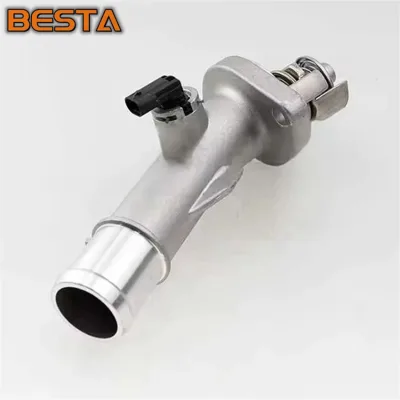
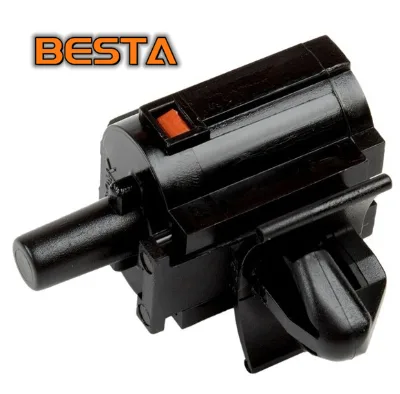


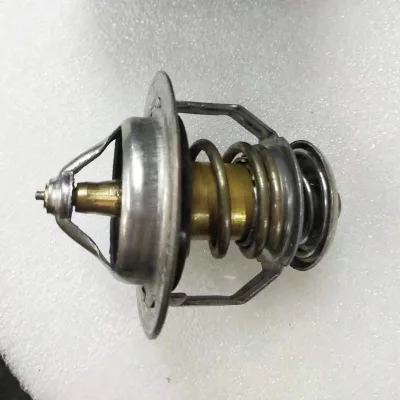
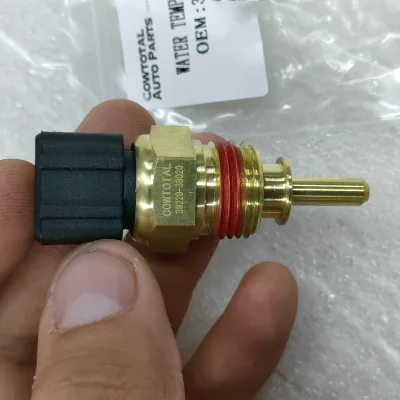
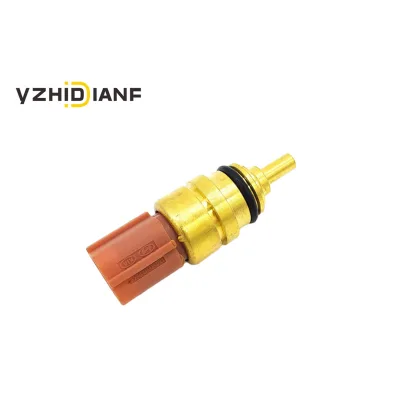
Engine Coolant Temperature Sensor for Hyundai Elantra Accent 39220-38020
$4.58 - $5.60
MOQ: 100 pieces


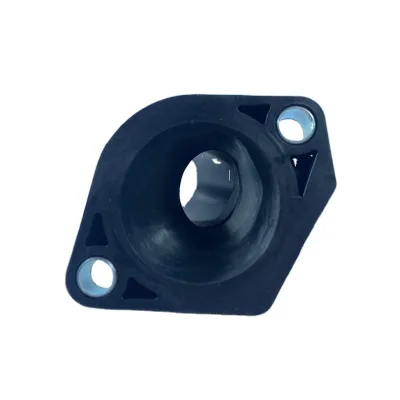
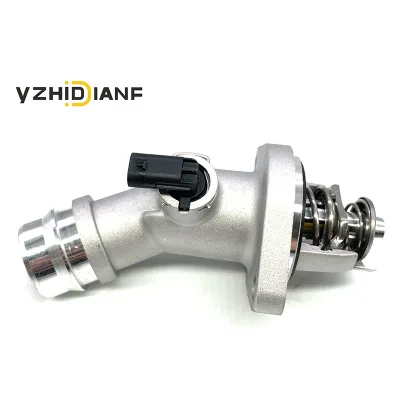
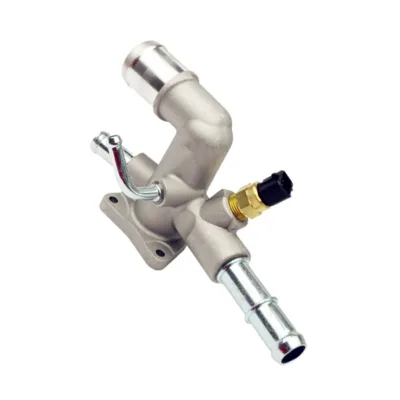
25620-23640 Car Thermostat Housing Assembly Fit 2000-2010 Hyundai Elantra
$6.50 - $8.50
MOQ: 100 Pieces


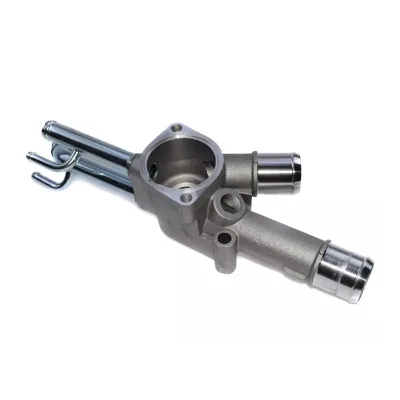
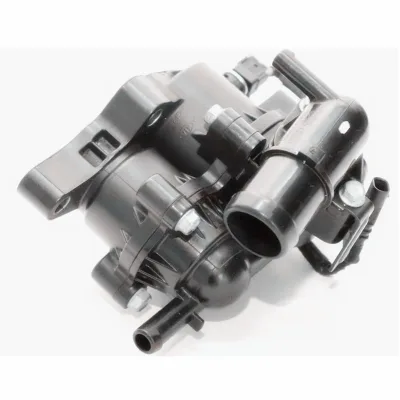
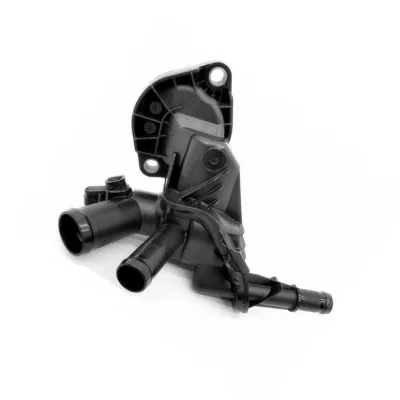
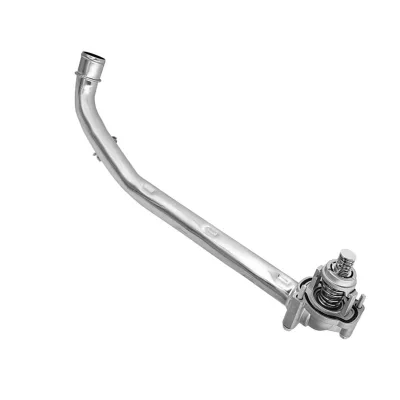
Comprehensive Sourcing Guide
Strategic Sourcing Guide for Modern Elantra Coolant Thermostat Housing and Sensor Components
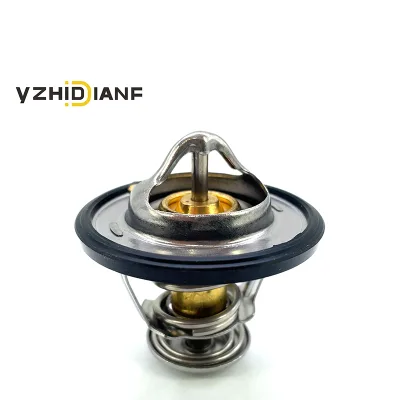
The procurement of replacement components for the Hyundai Elantra, specifically the coolant thermostat housing and associated temperature sensors, requires a disciplined approach that balances technical compatibility with supply chain reliability. As a critical subsystem within the vehicle's thermal management architecture, the thermostat housing regulates engine operating temperature, while the coolant temperature sensor provides essential data to the engine control unit (ECU) for fuel mapping and emissions control. Buyers must navigate a complex landscape of OEM specifications, aftermarket variations, and rigorous quality standards to ensure that sourced parts maintain vehicle performance and longevity. This guide outlines the essential parameters for evaluating potential suppliers and products, grounded in the specific attributes observed in the current market for these automotive components.
Technical Specifications and Compatibility Verification
The primary challenge in sourcing coolant thermostat housing and sensor assemblies lies in the precise alignment of part numbers and physical specifications with the vehicle's engineering requirements. The market data indicates a diverse range of part numbers associated with these components, including OE numbers such as 255002E080, 96985-3X000, 96985-2D000, and 25600-23640. Additionally, specific model identifiers like 39220-2M417 and 25500-23010 appear frequently in listings for coolant temperature sensors. When evaluating a potential supplier, the buyer must verify that the listed part number matches the exact specification for the target Elantra model year and engine configuration. Discrepancies in the OE number can lead to immediate fitment failures or sensor signal errors.
Beyond the alphanumeric identifiers, the physical and functional attributes of the component are paramount. The housing itself is often constructed from materials such as steel or alloy, as observed in the product attributes where body materials are explicitly listed as "Steel" or "Alloy." The choice of material impacts durability, thermal conductivity, and resistance to corrosion. Furthermore, the sensor technology varies significantly; listings distinguish between "Analog Type" and "Digital Type" water temperature sensors. The sensor's internal structure may also be categorized as "SemiConductor Type," which influences the signal output characteristics. Buyers must confirm whether the sensor utilizes a "Five-Wire" wiring configuration or a different setup, as this directly affects the electrical harness compatibility. The cooling fluid type, whether "Glycerin" or other formulations, and the radiator core type, such as "Cross-flow" or "Pipe Belt," must also align with the vehicle's original design to prevent thermal inefficiencies.
Compliance, Certification, and Quality Standards
In the B2B automotive aftermarket, compliance with international standards is a non-negotiable prerequisite for sourcing reliable components. The product data highlights "ISO" certification as a key attribute for several listings, indicating that the manufacturing facility adheres to established quality management systems. Buyers should prioritize suppliers who can provide valid ISO certification documentation, as this serves as a baseline indicator of process control and product consistency. Additionally, the production process is noted as "Normal Wirewound" for certain sensor types, a detail that suggests specific manufacturing techniques that must be maintained to ensure signal accuracy.
Quality assurance extends beyond certification to the physical condition and warranty terms of the product. All observed listings specify the product condition as "New," which is the standard expectation for replacement parts. However, the warranty period varies, with some listings offering a "1" year warranty and others specifying "12 Months." While these terms are numerically equivalent, the clarity of the warranty language and the scope of coverage (e.g., defects in material or workmanship) must be explicitly defined in the purchase agreement. The "High-Quality" attribute is frequently mentioned in product descriptions, but this is a subjective claim that must be substantiated by the supplier's quality control protocols. Buyers should request evidence of in-process testing and final inspection records to validate these claims, rather than relying solely on marketing descriptors.
Cost Drivers and Pricing Dynamics
The pricing of coolant thermostat housing and sensor assemblies is influenced by a complex interplay of factors, including material costs, manufacturing complexity, and supply chain logistics. The observed price range in the market spans from 0.3 to 60 USD, a wide variance that reflects differences in component quality, brand reputation, and order volume. Lower-priced items may correspond to basic sensor units or housing components with standard specifications, while higher-priced items likely include integrated assemblies, advanced sensor technology, or premium branding.
Minimum Order Quantity (MOQ) is another significant cost driver. The market data indicates an MOQ range of 4 to 100 units, with specific listings showing an MOQ of 10PCS. Buyers must align their order volumes with these thresholds to optimize unit costs. Purchasing below the MOQ often results in higher per-unit pricing or the inability to secure the order entirely. Conversely, ordering in bulk can leverage economies of scale but increases inventory holding costs and capital tie-up. The "Selling Units" are typically listed as "Single item," suggesting that the base price is per unit, but volume discounts may be available for larger orders. Buyers should also consider the "prod_packing" method, which is listed as "Carton," as packaging requirements can impact shipping costs and product protection during transit.
Typical Applications and Market Segmentation
Understanding the application scope of these components is essential for accurate sourcing. The product attributes explicitly link these parts to "Auto Electrical Systems" and specify the "Car Make" as "Hyundai;KIA." This confirms that the components are designed for the specific electrical and mechanical architecture of these manufacturers. The "Purpose" is consistently listed as "for replace/repair," indicating that these are aftermarket replacement parts rather than original equipment manufacturer (OEM) stock.
The market segmentation for these parts is diverse, with the "Main Market" identified as "South America" in some listings. This suggests that a significant portion of the supply chain is oriented toward emerging markets where vehicle maintenance and replacement part demand is high. However, the "Place of Origin" is uniformly "China," with specific regions like "Hebei" mentioned. This geographic concentration implies a centralized supply hub, which can offer logistical advantages but also introduces risks related to regional supply disruptions. Buyers should verify if the supplier has the capacity to serve other regions or if the logistics are strictly tied to specific trade routes. The "Customization" attribute is listed as "Available" for some products, while others are "Non-Customized," indicating that buyers may have the option to request specific modifications, such as thread types or measuring medium specifications, though this depends on the supplier's flexibility.
Supplier Evaluation and Verification Protocols
Evaluating a supplier for automotive components requires a rigorous vetting process that goes beyond surface-level product listings. The "Standard" attribute, listed as "50/80/50" in some contexts, likely refers to internal quality control metrics or specific industry standards that the supplier claims to meet. Buyers must request detailed documentation to verify what these numbers represent, as they are not standard industry-wide codes without further context. Similarly, the "IP Rating" is noted as "IPMaterial:Metal," which appears to be a formatting error or a specific internal code rather than a standard Ingress Protection rating. Buyers should insist on a clear, standard IP rating (e.g., IP67) if the component is exposed to harsh environments, as this ensures protection against dust and water ingress.
The "Thread Type" is specified as "ZG," which is a specific thread standard used in industrial and automotive applications. Buyers must confirm that this thread type matches the vehicle's existing fittings to prevent leaks or installation difficulties. The "Measuring Medium" is listed as "Steam," which is unusual for a coolant sensor but may refer to the sensor's capability to handle high-temperature fluids or a specific testing condition. Clarification on this attribute is necessary to ensure the sensor is suitable for liquid coolant applications. Additionally, the "Structure" is described as "Sealed Type," which is a critical feature for preventing fluid leaks and maintaining system integrity. Buyers should verify the sealing mechanism and material compatibility with the vehicle's coolant.
Quality Control and Long-Term Procurement Considerations
Ensuring long-term reliability requires a proactive quality control strategy. The "Production Process" is noted as "Normal Wirewound," which implies a specific manufacturing technique that must be consistent across all units. Buyers should implement a sampling plan to verify that the wirewound process meets the required electrical resistance and signal stability specifications. The "Component" attribute lists "Cooling Fan" and "Water Pump" in some contexts, which may indicate that the supplier offers integrated assemblies or that the sensor is part of a larger cooling system package. Buyers must clarify whether the sensor is sold as a standalone unit or as part of a larger assembly to avoid confusion in inventory management.
For long-term procurement, the "Warranty" terms and the "Customization" options play a vital role. A 12-month warranty provides a reasonable buffer for detecting latent defects, but the supplier's responsiveness to warranty claims is equally important. The availability of "Customization" allows buyers to tailor products to specific fleet requirements, but this must be managed carefully to avoid production delays. The "Selling Units" being "Single item" simplifies inventory tracking but requires careful demand forecasting to avoid stockouts. Finally, the "Place of Origin" being "China" and "Hebei" suggests a mature manufacturing ecosystem, but buyers should maintain a diversified supplier base to mitigate risks associated with regional disruptions or trade policy changes. By adhering to these rigorous evaluation criteria, buyers can secure high-quality coolant thermostat housing and sensor components that meet the demanding standards of the modern automotive market.
FAQs
What is the warranty period for these coolant sensors?
The warranty period is typically 12 months for these components. Some listings specify a 1-year warranty, ensuring coverage for defects in material or workmanship during this timeframe.
Which OE numbers match the Hyundai Elantra thermostat housing?
Common matching OE numbers include 255002E080, 96985-3X000, and 25600-23640. Buyers must verify the exact part number against their vehicle model year to ensure proper fitment and function.
Can I find these parts with ISO certification available?
Yes, ISO certification is available for these products from certain manufacturers. This certification indicates adherence to established quality management systems and process control standards for the components.
What is the minimum order quantity for single item sales?
The minimum order quantity ranges from 4 to 100 units depending on the supplier. Specific listings often require an MOQ of 10 pieces for single item sales to secure the order.
Which material is used for the radiator body construction?
The body material is typically constructed from steel or alloy. This choice impacts durability, thermal conductivity, and resistance to corrosion within the engine cooling system.
Where are these automotive components primarily manufactured?
These components are primarily manufactured in China, specifically in the Hebei region. This geographic concentration offers a mature manufacturing ecosystem for automotive replacement parts.
What type of water temperature sensor is commonly listed?
Both analog and digital type water temperature sensors are commonly listed. The sensor technology may also be categorized as semiconductor type, influencing the signal output characteristics.