Source Modern Hanging Plant Terrarium for Home Decor, Gifts, and Collections
Explore 25 options for the Modern Hanging Plant Terrarium, featuring glass materials and custom designs. Buyers can compare specifications like size, finish, and production lead times from verified manufacturers offering OEM and ODM services.
Key considerations
Products List


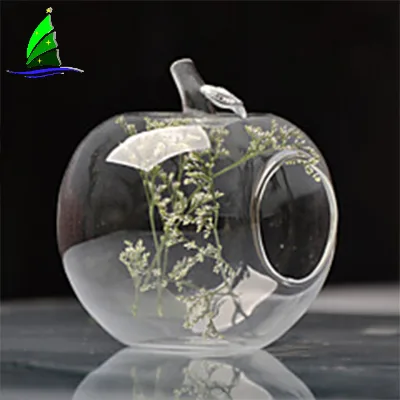
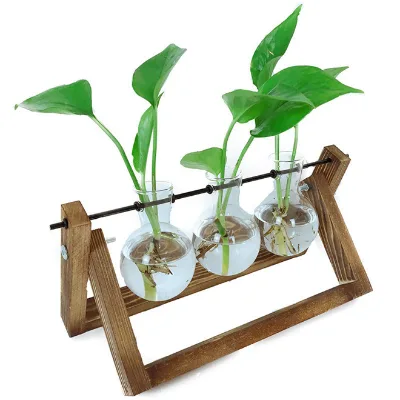


Modern Square Design Live Plant Terrarium Kit for Clear Glass Hanging Display
$6.88 - $10.32
MOQ: 1000 pieces


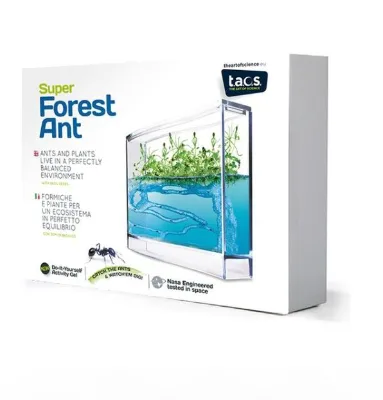
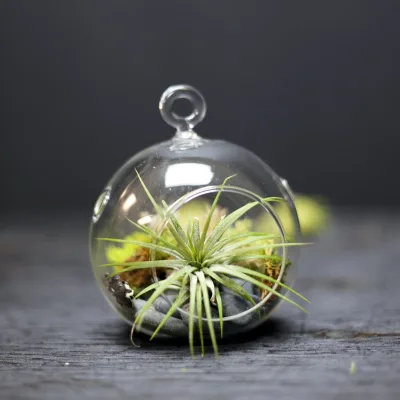
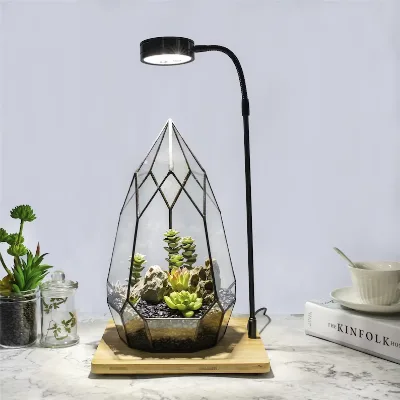
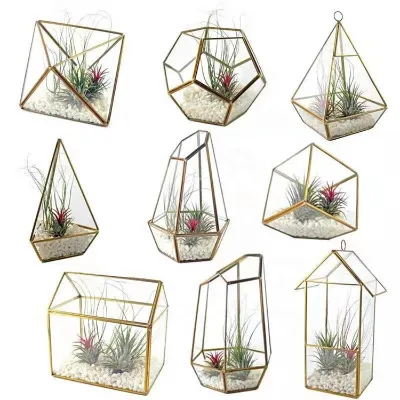
Comprehensive Sourcing Guide
Strategic Sourcing Guide for Modern Hanging Plant Terrariums
The global market for indoor greenery has driven a surge in demand for modern hanging plant terrariums, blending aesthetic appeal with functional plant cultivation. For B2B procurement professionals, sourcing these items requires a nuanced understanding of material properties, manufacturing capabilities, and supply chain logistics. The following guide synthesizes verified product attributes and industry standards to assist buyers in navigating the procurement landscape effectively. This analysis focuses on glass-based structures designed for home environments, emphasizing customization, production timelines, and compliance verification.
Technical Specifications and Material Composition
When evaluating modern hanging plant terrariums, the primary technical differentiator is the material composition. The supplied data confirms that Glass is the predominant material used for these products. This choice is critical for buyers seeking transparency and durability. Specifically, the Glaze Type is identified as Transparent, which ensures optimal light transmission for plant photosynthesis while maintaining a clear visual profile. However, buyers must also account for variations in surface finishes; some models feature a Frosted finish, which offers a diffused light effect and a distinct aesthetic compared to standard transparent glass.
The physical dimensions of these units vary significantly, reflecting the "Medium" size classification observed in the product range. Specific model data indicates a wide spectrum of dimensions. For instance, the HF120 model is associated with a standard of 12129cm, while the HF116 corresponds to 13.513.529cm. Larger units, such as the HF160B-2, measure 161626cm, and the HF-21185235 extends to 2118.523.5cm. Conversely, smaller variants like the CR-T15 are noted at 9.5x8.5xH26.5cm, and the CR-T05 measures 17x17xH24cm.
A critical observation in the provided specifications is the inconsistency in the "Diameter" attribute, which lists values such as 12*12m, 13.5*13.5m, and 21*18.5m. Given the context of small home decor items, these figures likely represent a data entry error where "m" (meters) was used instead of "cm" (centimeters) or a specific unit notation. Procurement teams must verify the actual physical dimensions in millimeters or centimeters against the product standard (e.g., 12129cm) to ensure compatibility with intended hanging fixtures and retail shelving. Additionally, the presence of Accessory Material is confirmed, with Copper specifically noted for certain models, suggesting metal components are used for hanging mechanisms or structural reinforcement.
Customization Capabilities and Manufacturing Processes
The modern terrarium market is highly driven by the need for unique branding and tailored designs. The supplied facts indicate that Customization is Available, and the Type of Manufacturer is listed as OEM (Original Equipment Manufacturer), with ODM (Original Design Manufacturer) development technology also supported. This dual capability allows buyers to either request modifications to existing designs or engage suppliers in creating entirely new product lines. The Custom attribute is explicitly marked as Customized, reinforcing the flexibility of the supply base.
The production process for these glass items is predominantly Hand-Made. This artisanal approach impacts both the lead time and the unit cost. Hand-made processes often result in slight variations in shape and finish, which can be a selling point for boutique retailers but requires strict quality control for mass-market distribution. The Mold attribute is marked as Yes, indicating that while the primary shaping may be hand-finished, molds are utilized to ensure consistency in the base form or specific decorative elements.
Buyers should note the specific production timelines associated with these items. The Sample Time is estimated at 5-7 days, which is relatively short and allows for rapid prototyping and design iteration. However, the Mass Production Time is listed as 25 Days. This lead time is a crucial factor for inventory planning, particularly for buyers operating on tight seasonal schedules. It is important to verify if this 25-day window includes the time for glass curing, assembly of copper accessories, and final packaging.
Compliance, Certification, and Factory Audits
In the B2B sector, compliance is not merely a formality but a prerequisite for market access. The provided data highlights specific factory audit standards, listing BSCI (Business Social Compliance Initiative) and FSC (Forest Stewardship Council) as available certifications. While FSC is typically associated with wood and paper products, its presence in the terrarium context may relate to packaging materials (such as the Carton or Pallet options mentioned) or wooden accents included in the set. Buyers must verify the scope of these certifications to ensure they apply to the glass manufacturing process itself and not just the packaging or supply chain partners.
Regarding product-specific certifications, the data mentions ISO in conjunction with color attributes (Color: Color, Transparent). This suggests that the manufacturer adheres to ISO standards for quality management or product safety, though the specific ISO number (e.g., ISO 9001) is not explicitly detailed in the source text. Procurement teams should request the specific certificate numbers and validity dates to confirm that the glass meets safety standards for food contact or general home use, especially since the Suitable for attribute is listed as Home.
Furthermore, the Stock attribute is marked as No, indicating that these products are primarily made-to-order. This "No Stock" status implies a direct link between the order placement and the production cycle, eliminating the risk of obsolescence but requiring precise demand forecasting. The Style is categorized as Fashion, and the Age demographic is Modern, suggesting that the designs align with contemporary interior trends rather than vintage or traditional aesthetics.
Cost Drivers and Pricing Dynamics
Understanding the cost structure of modern hanging plant terrariums is essential for margin analysis. The observed listed price range in the market is 0.89 to 12.5 USD. This wide variance is likely driven by several factors: the complexity of the Hand-Made process, the inclusion of Copper accessories, the specific dimensions (ranging from small 9.5cm units to larger 21cm units), and the level of customization requested.
The MOQ (Minimum Order Quantity) presents another significant cost driver. While the observed range spans from 1 to 10000, a high-confidence fact specifies an MOQ of 500PCS. This suggests that while some suppliers may accept smaller trial orders, the standard economic threshold for a dedicated production run is 500 units. Buyers should be aware that ordering below this threshold may incur higher per-unit costs or require a sample fee. The prod_packing options, which include Carton or Pallet, also influence the final landed cost. Bulk shipping via Pallet is generally more cost-effective for large volumes, whereas Carton packing is suitable for smaller, mixed orders.
The Shipment method is listed as by Sea or by Air. Sea freight is the standard for heavy glass items to minimize cost, but the fragility of glass terrariums requires specialized packaging to prevent breakage. Air freight, while faster, significantly increases the cost per unit and is generally reserved for urgent, low-volume orders or high-value custom designs.
Typical Applications and Market Positioning
The Usage attributes for these terrariums are clearly defined as Gift, Decorative, and Collection. This triad of uses positions the product for multiple retail channels. As Gift items, they are suitable for corporate gifting, holiday promotions, and special occasion retail. The Decorative classification places them in the home decor aisle, targeting consumers looking to enhance indoor spaces with greenery. The Collection aspect suggests that certain unique or limited-edition models may appeal to hobbyists or interior design enthusiasts.
The Style being Fashion and the Age being Modern indicates that these products are designed to fit into contemporary interior design schemes. They are not intended for rustic or industrial settings unless the specific finish (e.g., Frosted) or accessory material (e.g., Copper) aligns with those aesthetics. The Suitable for attribute of Home confirms that these are not commercial-grade greenhouse units but rather residential decor items. Buyers should ensure that the marketing materials emphasize the "Modern" and "Fashion" aspects to align with current consumer trends.
Supplier Evaluation and Quality Control Protocols
Selecting the right supplier for hand-made glass terrariums requires a rigorous evaluation process. Given the Hand-Made nature of the production, quality control must focus on visual consistency and structural integrity. Buyers should verify the Mold usage to ensure that the base shape is consistent across batches, even if the finishing touches are manual. The presence of Copper accessories necessitates a check for plating quality and corrosion resistance, as copper can oxidize over time if not properly treated.
The Factory Audit standards of BSCI and FSC provide a baseline for social and environmental compliance. However, buyers should conduct their own due diligence to verify the current status of these audits. It is also advisable to request a Sample within the 5-7 day window to inspect the Glaze Type (Transparent vs. Frosted) and the Color accuracy. The prod_standard dimensions (e.g., 12129cm) must be measured physically to confirm they match the listed specifications, especially given the noted discrepancies in the "Diameter" attribute.
Long-Term Procurement Considerations
For long-term success, buyers must plan for the Mass Production Time of 25 Days and the Sample Time of 5-7 days. Since the Stock is No, the supply chain is reactive rather than proactive. This requires robust demand forecasting to avoid stockouts during peak seasons. The Customization capability offers a competitive advantage, allowing buyers to differentiate their product lines. However, this also introduces complexity in managing design changes and ensuring that the ODM development process remains aligned with brand identity.
The Shipment options of Sea or Air should be evaluated based on the urgency of the order and the cost sensitivity of the target market. For large volumes, sea freight is the logical choice, but the packaging must be reinforced to handle the fragility of glass. The prod_packing options of Carton or Pallet should be selected based on the shipping volume and the destination's handling capabilities. Finally, buyers should maintain open communication with suppliers regarding the Accessory Material and Finish to ensure that any changes in supply chain availability do not compromise the product's aesthetic or functional integrity.
| Attribute Category | Specific Data Points | Procurement Implication |
|---|---|---|
| Material | Glass, Copper Accessories | Verify glass thickness and copper plating quality. |
| Dimensions | 9.5cm to 21cm range (varies by model) | Confirm actual measurements; watch for unit errors (m vs cm). |
| Production | Hand-Made, Mold Yes | Expect slight variations; verify mold consistency. |
| Timeline | Sample: 5-7 days, Mass: 25 days | Plan inventory cycles around 25-day lead time. |
| MOQ | 500PCS (Standard), 1-10000 (Range) | Budget for 500-unit minimums to secure standard pricing. |
| Certification | BSCI, FSC, ISO (implied) | Request valid audit certificates for compliance. |
| Packaging | Carton or Pallet | Select based on volume and fragility requirements. |
By adhering to these guidelines and leveraging the verified product attributes, buyers can navigate the complexities of sourcing modern hanging plant terrariums with confidence, ensuring a supply chain that is compliant, cost-effective, and aligned with market demands.
FAQs
What material is used for modern hanging plant terrariums?
Glass is the primary material used for these terrariums, ensuring transparency for plant photosynthesis. Some models feature a frosted finish for diffused light, while others maintain a transparent glaze type suitable for home environments.
Can I customize the design of these glass terrariums?
Yes, customization is available with OEM and ODM capabilities for tailored designs. Buyers can request specific dimensions or finishes, though the production process remains hand-made with a standard sample time of 5 to 7 days.
What is the minimum order quantity for these products?
The standard minimum order quantity is 500 pieces for mass production runs. While observed ranges vary, the high-confidence fact indicates 500 units as the typical threshold, with stock availability marked as no for made-to-order items.
How long does mass production take for custom orders?
Mass production typically requires 25 days from the start of the manufacturing cycle. This timeline accounts for the hand-made process, glass curing, and assembly of accessories like copper components before final packing.
Which certifications do the factories hold for compliance?
Factories hold BSCI and FSC audit certifications to ensure social and environmental compliance. While ISO standards are mentioned regarding color and transparency, buyers should verify specific certificate numbers for quality management and safety.
What are the available shipping methods for these items?
Shipment is available by sea or by air depending on urgency and volume. Sea freight is preferred for large glass orders to reduce costs, while air freight suits urgent, smaller batches requiring faster delivery to global markets.