Source Modern Hotel Trolley Cart with Stool for Airport Station Hotel
Source a Modern Hotel Trolley Cart with Stool from 30 verified listings. Compare aluminum, steel, and stainless steel options with varying load capacities and folding designs for airport, station, and hotel applications.
Key considerations
Products List


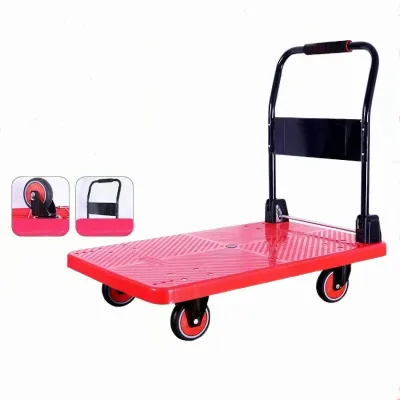


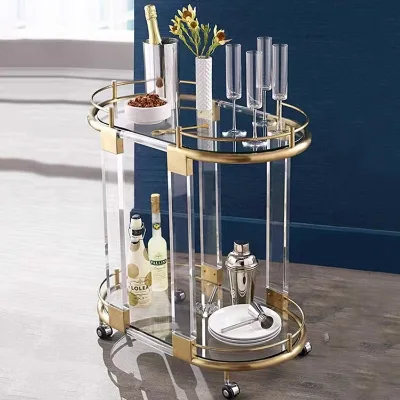

Comprehensive Sourcing Guide
Strategic Sourcing Guide for Modern Hotel Trolley Carts with Integrated Stools
Procuring modern hotel trolley carts with integrated stools requires a nuanced understanding of the intersection between hospitality logistics and guest comfort. These units serve a dual purpose: facilitating the efficient transport of luggage and providing a temporary seating solution for guests during check-in or wait times. The market presents a diverse array of configurations, ranging from single-deck utility carts to multi-layered storage systems with built-in seating. Buyers must navigate a complex landscape of material choices, load capacities, and dimensional standards to ensure the selected equipment aligns with specific hotel operational workflows. This guide outlines the critical technical and commercial factors necessary for a successful procurement strategy, relying strictly on observed market data and verified product attributes.
Technical Specifications and Material Composition
The foundation of a reliable hotel trolley lies in its material composition and structural integrity. Market observations indicate a significant divergence in material choices, with Aluminum Alloy, Steel, and Stainless Steel being the primary options. Aluminum Alloy units are often favored for their balance of weight and strength, while Steel variants typically offer robust durability for high-traffic areas. Stainless Steel models provide a distinct aesthetic and corrosion resistance, particularly suitable for environments with high humidity or where a premium metallic finish is required.
Load capacity is a critical specification that varies significantly across product lines. Data indicates that some models support a maximum load capacity exceeding 200kg, which is essential for heavy luggage handling. Conversely, other configurations list a specific loading capacity of 150kg. Buyers must verify the specific load rating for each unit, as this directly impacts safety and longevity. The structural design also varies; while some units are designed as double-deck systems with a specific deck size of 730*470 mm and a thickness of 0.7 mm, others may feature four layers or a single rectangular structure.
Dimensional consistency is paramount for storage and maneuverability in hotel corridors. Observed specifications include unfolded dimensions such as 730470830 mm and folded dimensions of 730470220 mm, indicating a compact storage profile. Other models may present larger footprints, such as 705X405XH1070mm or 730490H890mm. The height adjustability is another key differentiator; while some units are explicitly marked as unadjustable, others may offer customization. The presence of armrests and the specific shape of the cart, whether rectangular or otherwise, further define the user experience. For instance, a model with a plate height of 290mm and a specific deck thickness must be evaluated against the ergonomic needs of the staff and guests.
Compliance, Certification, and Safety Standards
In the procurement of hospitality equipment, compliance with safety standards is non-negotiable. While specific certification statuses like CE are noted in background data, buyers must not assume universal compliance without direct verification from the supplier. The absence of explicit certification claims in the primary product data necessitates a rigorous inquiry process. Buyers should request current test reports and certification documents that verify the structural integrity of the cart under maximum load conditions.
Safety standards often dictate the design of the folding mechanism and the stability of the unit when in use. For example, a product with a "Folding Ladder" function or a "Double-Deck" structure must adhere to specific stability metrics to prevent tipping. The "Non-Insulated" attribute observed in some listings suggests that electrical components, if present, are not designed for high-voltage environments, which is typical for luggage carts but crucial to confirm if the unit includes motorized features. Some listings mention a "300W Motor," indicating the availability of powered variants. In such cases, electrical safety certifications become even more critical.
Buyers should also consider the "After-sales Service" and "Warranty" periods as indicators of manufacturer confidence. Observed warranty periods range from 2 years to 5 years, which can serve as a proxy for the expected lifespan and reliability of the product. A longer warranty often correlates with higher quality control standards, though it does not replace the need for independent verification of safety compliance. The "Warning Label" and "Color Label" mentioned in packing specifications suggest that manufacturers are aware of the need for clear operational instructions, but the buyer must ensure these labels meet local regulatory requirements for the destination market.
Cost Drivers and Pricing Dynamics
The pricing of modern hotel trolley carts is influenced by a complex matrix of factors, including material costs, manufacturing complexity, and customization levels. The observed price range in the market spans from $6 to $920 USD, a vast disparity that reflects the diversity of product types. Lower-priced items may correspond to basic, unadorned steel or aluminum units with minimal features, while higher-priced models likely incorporate premium materials like stainless steel, motorized components, or extensive customization options.
Material selection is a primary cost driver. Stainless Steel units generally command a higher price point than standard steel or aluminum alloy carts due to the raw material cost and the additional processing required for finishing. Similarly, the inclusion of a motor, as indicated by the "300W Motor" specification, will significantly increase the unit cost compared to manual push carts. Customization is another major factor; products marked as "Customized" or offering a "Customized Logo" often incur additional tooling and setup fees.
Minimum Order Quantity (MOQ) also plays a role in the effective unit cost. The observed MOQ range spans from 1 to 1000 units. Buyers purchasing small quantities may face higher per-unit costs due to the lack of economies of scale, whereas bulk orders can leverage lower pricing tiers. The "Selling Units" being listed as "Single Item" suggests flexibility for smaller buyers, but the "5 Layer Export Carton" packing for larger orders indicates that logistics and packaging costs are factored into the final price. Buyers should analyze the total cost of ownership, including shipping, which is influenced by the "Single Package Size" of 115X71X200.Cm and the overall weight of the unit.
Typical Applications and Operational Fit
Modern hotel trolley carts with stools are designed for specific operational environments within the hospitality sector. The "Application" attribute of "Indoor/Outdoor" suggests versatility, allowing these units to be used in lobbies, courtyards, or even at airport transfer points. The "Airport Trolley" designation highlights their suitability for logistics in transit hubs, where durability and high load capacity are essential.
The integration of a stool or seating area transforms the cart from a purely functional tool into a guest service amenity. This is particularly valuable in high-end hotels where the check-in process is a curated experience. The "Modern" design style observed in the market aligns with contemporary interior aesthetics, ensuring the cart complements the hotel's decor rather than clashing with it. The "White" and "Blue" color options, along with the "Stainless Steel" finish, provide a range of choices to match various branding guidelines.
Furthermore, the "Function" of "Folding Ladder" or the "Double-Deck" structure implies utility beyond simple luggage transport. These features allow for the storage of additional items, such as towels, toiletries, or promotional materials, making the cart a multi-purpose asset. The "Light" functional design suggests an emphasis on ease of use, reducing physical strain on housekeeping and concierge staff. The "Airport, Station, Hotel" packing specification reinforces the broad applicability of these units across different travel and hospitality nodes.
Supplier Evaluation and Quality Control
Selecting the right supplier is as critical as selecting the product itself. With the "prod_origin" listed as "China" and specific regions like "Guangdong, China" identified, buyers should focus on suppliers with a proven track record in manufacturing hospitality equipment. The "Customization" availability indicates that suppliers should be capable of adapting products to specific client needs, such as adding logos or altering dimensions.
Quality control processes must be robust, particularly given the safety implications of load-bearing equipment. Buyers should inquire about the manufacturing standards and whether the "L980 X W675 X H1025mm" or other dimensional standards are strictly adhered to during production. The "Export Carton" and "Each PCS with Color Label +Warning Label" packing methods suggest a level of professionalism in packaging, which often correlates with care in the manufacturing process.
Verification of the "After-sales Service" is essential. A supplier offering a 5-year warranty demonstrates a higher level of commitment to product quality than one offering only 2 years. Buyers should also assess the supplier's responsiveness to technical queries and their ability to provide spare parts. The "Single Item" selling unit suggests that the supplier can accommodate trial orders, which is an excellent opportunity to evaluate product quality before committing to a larger purchase.
Long-Term Procurement Considerations
Sourcing decisions should be guided by long-term value rather than just initial cost. The "Warranty" period and "After-sales Service" are key indicators of long-term reliability. A product with a 5-year warranty may have a higher upfront cost but could result in lower total cost of ownership due to reduced maintenance and replacement needs. The "Non-Insulated" attribute and the specific motor specifications should be evaluated for their suitability in the specific climate and usage patterns of the hotel.
Customization options, such as the "Customized Logo," offer a strategic advantage for branding. However, buyers must ensure that the customization process does not compromise the structural integrity of the cart. The "Folded" and "Unfolded" states of the product are also critical for long-term storage efficiency. A cart that folds compactly, such as the 730470220 mm dimension, allows for better space utilization in storage areas, reducing the footprint required for inventory.
Finally, buyers should consider the scalability of their procurement. The wide range of MOQs (1-1000) allows for flexible expansion. As the hotel expands or as new properties are added, the ability to order additional units with consistent specifications is vital. The "Standard" dimensions and "Material" consistency ensure that replacement parts and accessories remain compatible over time, facilitating easier maintenance and repairs in the future. By focusing on these long-term factors, buyers can secure a reliable supply of modern hotel trolley carts that enhance both operational efficiency and guest satisfaction.
FAQs
What materials are used for modern hotel trolley carts with stool?
These carts are constructed from Aluminum Alloy, Steel, or Stainless Steel. Aluminum Alloy offers a balance of weight and strength, while Steel provides durability for high-traffic areas. Stainless Steel models deliver a premium finish and corrosion resistance suitable for humid environments.
How much weight can a Modern Hotel Trolley Cart with Stool hold?
Load capacities vary significantly, with some models supporting over 200kg and others rated for 150kg. Buyers must verify the specific load rating for each unit to ensure safety, as the structural design and material choice directly impact the maximum weight limit.
Can I get a custom logo on a Modern Hotel Trolley Cart with Stool?
Yes, customization is available including the option for a customized logo. This feature allows hotels to align the cart with their branding guidelines, though it may incur additional tooling or setup fees depending on the manufacturer and order volume.
What is the warranty period for a Modern Hotel Trolley Cart with Stool?
Warranty periods observed in the market range from 2 years to 5 years. A longer warranty often indicates higher quality control standards and manufacturer confidence, serving as a proxy for the expected lifespan and reliability of the product.
Which dimensions are standard for a folded Modern Hotel Trolley Cart with Stool?
Observed folded dimensions include 730*470*220 mm, indicating a compact storage profile. Other models may present larger footprints such as 705X405XH1070mm, so buyers should verify specific unfolded and folded sizes to ensure they fit available storage spaces.
Where are modern hotel trolley carts with stool typically manufactured?
Products originate from China, with specific regions like Guangdong identified as production hubs. Buyers should focus on suppliers in these regions with a proven track record in manufacturing hospitality equipment to ensure quality and reliable supply chains.
How does the price of a Modern Hotel Trolley Cart with Stool vary?
The price range spans from 6 to 920 USD, influenced by material costs and features. Stainless Steel and motorized units generally command higher prices, while basic steel or aluminum units are more affordable, with customization adding to the final cost.