Source Modern Imitation Rattan Wall Basket for Home Decor and Storage
Find and compare 30 listings for Modern Imitation Rattan Wall Basket options suitable for bathroom, kitchen, and living room organization. These handmade, eco-friendly storage baskets feature customizable sizes and classic designs to meet diverse sourcing needs.
Key considerations
Products List
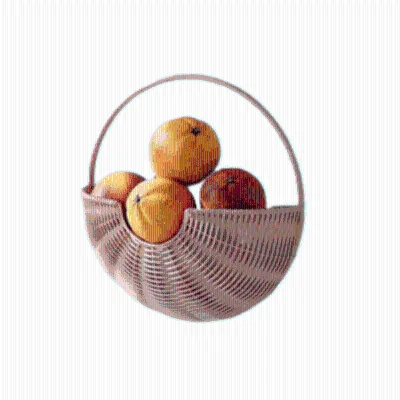
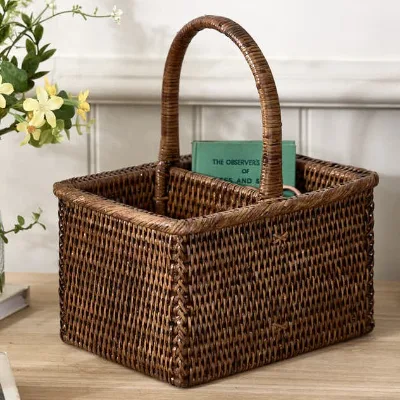
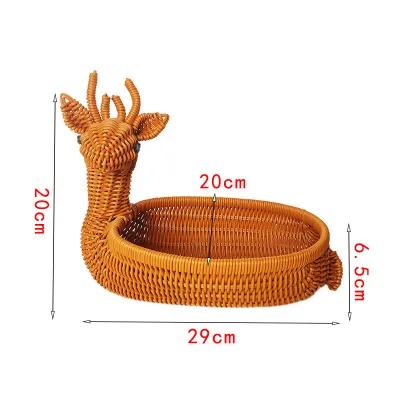
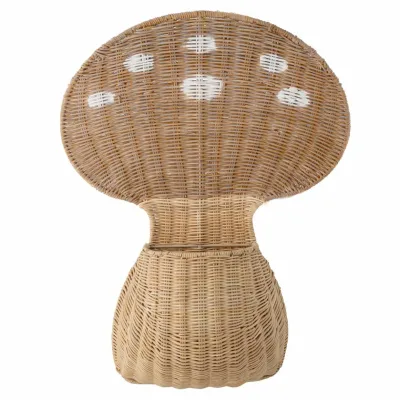
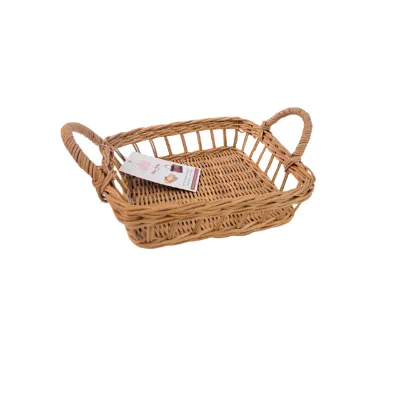
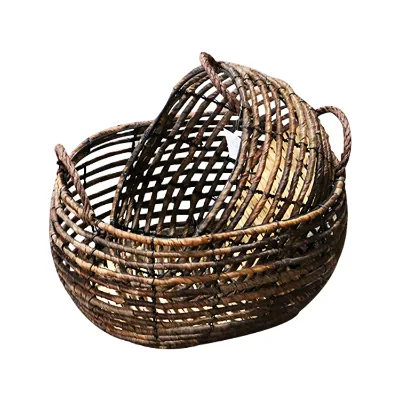


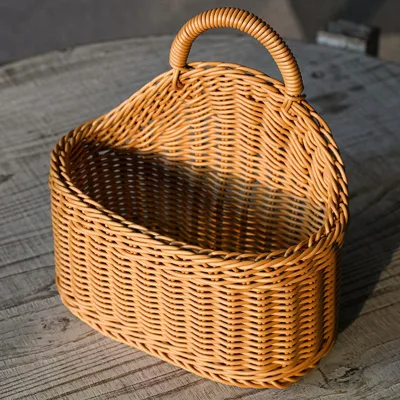



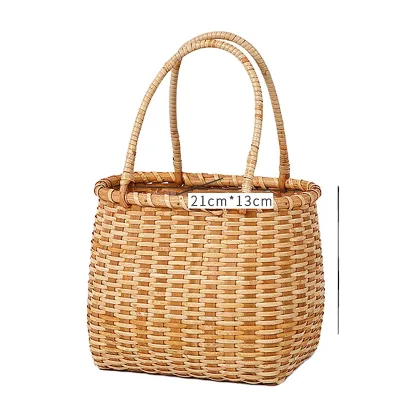
Comprehensive Sourcing Guide
Modern Imitation Rattan Wall Basket Sourcing Guide
Sourcing modern imitation rattan wall baskets requires a nuanced understanding of material distinctions, aesthetic versatility, and functional integration within contemporary interior design. While the term "rattan" often evokes traditional natural weaving, the modern market is dominated by synthetic alternatives that mimic the visual texture while offering enhanced durability and weather resistance. Buyers must navigate a landscape where product listings frequently blend attributes of natural fibers with synthetic manufacturing processes, necessitating careful verification of material composition to ensure the product meets specific environmental or aesthetic requirements. This guide provides a structured approach to evaluating suppliers, verifying technical specifications, and managing commercial risks associated with these decorative storage solutions.
The procurement process for these items is characterized by a high degree of customization and a wide variance in product types, ranging from simple wall-mounted organizers to complex multi-functional storage units. Suppliers often list products with conflicting attributes, such as labeling items as both "natural" and "chocolate" colored, or describing them as both "handmade" and "modern." This ambiguity requires buyers to establish clear communication protocols with suppliers to confirm the exact nature of the product, including its material base, installation method, and intended use case. By focusing on verified attributes and requesting detailed product samples, buyers can mitigate the risk of receiving goods that do not align with their design specifications or quality expectations.
Product Scope and Observed Listing Signals
The observed market signals indicate a diverse range of products categorized under the umbrella of wall baskets and storage solutions, with significant variation in material claims and design styles. Listings frequently reference materials such as rattan, willow, and wicker, alongside features like "eco-friendly" and "sustainable" attributes, which may apply to natural variants or specific synthetic blends. Buyers should note that some products are explicitly described as having a "natural" color, while others are listed as "chocolate" or "brown," suggesting a broad palette of aesthetic options. Additionally, the presence of "abstract & geometric" patterns and "modern" design styles indicates that these products are intended to complement contemporary interior decor rather than traditional or rustic settings.
Functional applications for these wall baskets extend beyond simple storage, encompassing uses such as fruit and vegetable storage, general sundries organization, and home decor enhancement. Some listings highlight multi-functional designs suitable for various occasions, including Chinese New Year celebrations, which may imply specific thematic elements or packaging considerations. The observed size ranges, from small (S) to large (L41 x H50 x W14 cm), and capacity ranges of 10-20 liters, provide flexibility for different spatial requirements. However, buyers must be cautious of inconsistent size specifications, such as the presence of both "S" and "L" labels alongside specific dimensional data, and should request precise measurements for each SKU to ensure compatibility with their intended installation spaces.
Technical Specifications to Verify
Dimensional accuracy and tolerance are critical technical specifications that buyers must verify to ensure seamless integration into their projects. Observed data indicates that dimensional tolerances can vary, with some products claiming a tolerance of less than ±5mm, while others specify a tighter tolerance of less than ±1mm. These discrepancies highlight the importance of confirming the specific tolerance standards for each product variant, as looser tolerances may lead to fitting issues in pre-drilled or precisely measured installations. Buyers should also pay attention to weight tolerances, which are listed as less than ±1% or ±5%, as these variations can impact shipping costs and structural stability, particularly for larger or heavier wall-mounted units.
Material composition and construction techniques are equally important technical factors that influence the longevity and appearance of the wall baskets. While some products are described as "handmade" and crafted from natural materials like rattan or willow, others may involve synthetic processes or surface treatments such as polishing. The presence of linings in some products suggests an added layer of functionality, potentially for hygiene or aesthetic purposes. Buyers should verify whether the "imitation" aspect refers to the visual texture or the actual material composition, as this distinction affects maintenance requirements and environmental impact. Additionally, the installation type, whether floor-standing or wall-mounted, must be clearly defined to ensure the product includes the necessary hardware and structural support for safe installation.
Compliance and Safety Documentation
Compliance with safety and environmental standards is a key consideration for buyers sourcing wall baskets, particularly those intended for use in residential or commercial spaces. While some listings mention "eco-friendly" and "sustainable" attributes, buyers should request specific documentation to verify these claims, such as material safety data sheets or environmental certifications. The mention of FSC certification in background information suggests that some suppliers may offer products made from responsibly sourced materials, but this should be confirmed on a case-by-case basis. Buyers should also inquire about any relevant chemical safety standards, especially if the products are intended for use in kitchens or bathrooms where exposure to moisture and food items is common.
Safety documentation should also cover structural integrity and installation safety, particularly for wall-mounted units that must support weight. Buyers should verify that the products have undergone appropriate stress testing to ensure they can safely hold the intended load without detaching from the wall. This may involve requesting test reports or compliance certificates from recognized testing bodies. Additionally, buyers should ensure that the installation hardware, such as screws and anchors, meets local building codes and safety standards. Clear instructions for installation and maintenance should be provided in the product documentation to minimize the risk of improper installation and potential injury.
Cost Drivers and Commercial Terms
Cost drivers for modern imitation rattan wall baskets include material costs, manufacturing complexity, and customization requirements. Products made from natural materials like rattan or willow may incur higher costs due to sourcing and processing expenses, while synthetic alternatives may offer more predictable pricing. Customization options, such as specific sizes, colors, or packaging, can also impact the final cost, as they often require additional setup time and resource allocation. Buyers should be aware that minimum order quantities (MOQs) vary significantly, with some suppliers requiring as few as 100 pieces per design, while others may have higher thresholds. Understanding these MOQs is essential for planning inventory levels and managing cash flow.
Commercial terms, including pricing structures and payment conditions, should be clearly defined in the procurement agreement. Buyers should request detailed quotations that break down costs by unit, including any additional fees for customization, packaging, or shipping. It is also important to clarify the lead times for production and delivery, as delays can impact project timelines and customer satisfaction. Buyers should negotiate favorable payment terms, such as partial payments upfront and the remainder upon delivery, to mitigate financial risk. Additionally, buyers should inquire about the supplier's policy on sample orders, as some suppliers offer free samples to help buyers evaluate product quality before committing to a larger order.
Supplier Qualification and Quality Control
Supplier qualification is a critical step in the sourcing process, requiring a thorough assessment of the supplier's capabilities, reputation, and quality management systems. Buyers should verify the supplier's business license, production capacity, and experience in manufacturing wall baskets and similar products. Requesting references from previous clients can provide valuable insights into the supplier's reliability and customer service. Additionally, buyers should assess the supplier's quality control processes, including their procedures for material inspection, production monitoring, and final product testing. A robust quality control system is essential for ensuring that the products meet the specified standards and requirements.
Quality control measures should also include regular audits and inspections of the production facility to verify compliance with safety and environmental standards. Buyers may consider hiring third-party inspection agencies to conduct pre-shipment inspections, ensuring that the products meet the agreed-upon specifications before they are shipped. These inspections can help identify any defects or discrepancies early in the process, allowing for timely corrective actions. Buyers should also establish clear communication channels with the supplier to address any quality issues that may arise during production or after delivery. A proactive approach to quality management can help build a strong and sustainable partnership with the supplier.
Long-Term Procurement Checks
Long-term procurement checks involve ongoing monitoring of supplier performance, market trends, and product quality to ensure continued satisfaction and value. Buyers should regularly review supplier performance metrics, such as on-time delivery rates, product quality consistency, and responsiveness to issues. Establishing a scorecard system can help track these metrics over time and identify areas for improvement. Additionally, buyers should stay informed about market trends and innovations in the wall basket industry, such as new materials or design styles, to ensure their product offerings remain competitive. Regular communication with the supplier can help foster a collaborative relationship and facilitate continuous improvement.
Sustainability and ethical sourcing practices should also be monitored over the long term, as these factors are increasingly important to consumers and regulators. Buyers should verify that the supplier continues to adhere to their stated environmental and social commitments, such as using sustainable materials and maintaining fair labor practices. Periodic audits and reviews of the supplier's supply chain can help ensure compliance with these standards. By maintaining a proactive and informed approach to procurement, buyers can mitigate risks, optimize costs, and build a resilient supply chain that supports their business objectives.
FAQs
What material is used for the Modern Imitation Rattan Wall Basket?
The product is primarily made from rattan or willow materials. Some variants feature a natural color while others come in chocolate or brown shades. These materials ensure an eco-friendly and sustainable design suitable for various home decor applications.
Can I customize the size of the Modern Imitation Rattan Wall Basket?
Yes, customization is available for the size of the basket. Buyers can request specific dimensions, though standard options include sizes labeled as S, M, or L. The dimensional tolerance for these custom orders is typically within plus or minus 5mm.
What is the minimum order quantity for the Modern Imitation Rattan Wall Basket?
The minimum order quantity varies by supplier but is commonly set at 100 pieces per design. Some vendors may require a higher threshold of 200 pieces. Buyers should verify the specific MOQ with the manufacturer before placing an order.
How is the Modern Imitation Rattan Wall Basket manufactured?
The baskets are crafted using handmade techniques to ensure quality and durability. The surface treatment often includes polishing to enhance the finish. This artisanal approach supports the classic and modern design styles observed in the product line.
Where are the modern imitation rattan wall baskets produced?
These products originate from China, specifically from the Guangxi region. The manufacturing location ensures access to high-quality raw materials like rattan and willow. Buyers can expect consistent production standards from these established sourcing hubs.
What are the functional uses of the Modern Imitation Rattan Wall Basket?
The baskets serve multiple functions including neatening, storage, and home decoration. They are suitable for storing fruits, vegetables, sundries, and other household items. The design allows for installation behind doors, on walls, or in bathrooms and kitchens.
Does the Modern Imitation Rattan Wall Basket come with a lining?
Yes, many of the available models include a lining for added functionality. This feature helps protect stored items and makes cleaning easier. The lining is integrated into the design to maintain the aesthetic appeal of the wicker structure.