Source non-slip silicone bathtub mat for Bathrooms, Hotels, and Spas
Explore 30 listings for non-slip silicone bathtub mat options featuring durable, washable, and eco-friendly designs. Buyers can compare temperature resistance, custom sizes, and OEM branding across suppliers in China.
Key considerations
Products List
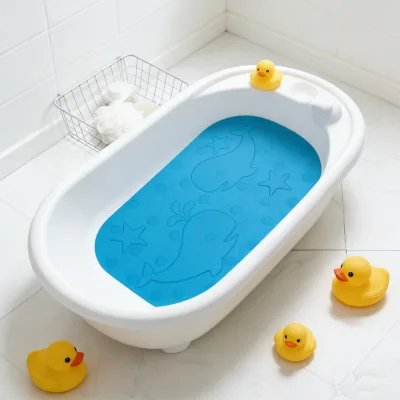
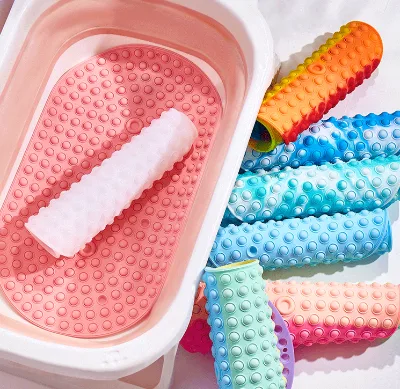

Anti Slip Silicone Rubber Bath Mat Baby Care Mat Shower Mat Bathtub Mat
$2.00 - $8.00
MOQ: 5000 Pieces

Colorful Natural Rubber Silicone Rubber Shower Mat Anti Slip Bath Floor Mat
$2.00 - $8.00
MOQ: 5000 Pieces


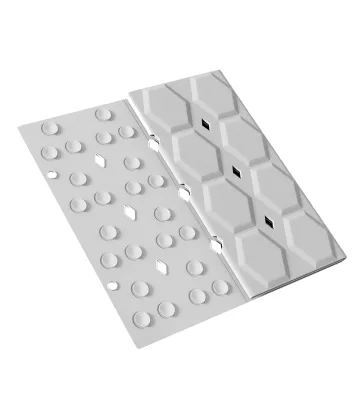

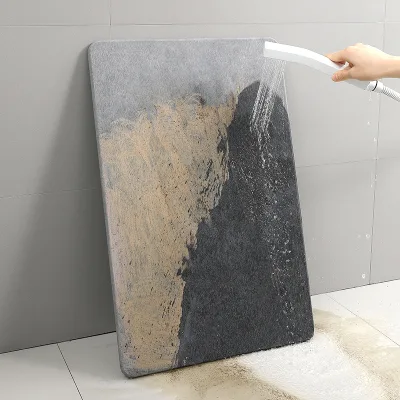


Comprehensive Sourcing Guide
Strategic Sourcing Guide for Non-Slip Silicone Bathtub Mats
Understanding Product Specifications and Material Integrity
When sourcing non-slip silicone bathtub mats, the primary focus must be on the material composition and its physical resilience. The core material identified in reliable product listings is food-grade silicone, a designation that implies a high level of purity and safety for direct contact with skin and water. This material choice is critical because it differentiates the product from lower-grade rubber alternatives that may degrade faster or leach chemicals. The product data indicates that the material must withstand extreme temperature fluctuations, specifically a resistance range from -40°C to 240°C. This wide thermal tolerance ensures the mat remains flexible in cold environments and does not deform or melt under hot water exposure, a common requirement for bathroom safety accessories.
Beyond the base material, the physical dimensions and shape are vital for functional fit. The market offers a variety of shapes, including oval, square, and specialized designs such as fish, foot, egg, and oral shapes. Dimensions vary significantly; some listings specify sizes like 4225cm, 5834cm, or 69*39cm, while others offer custom sizing to accommodate unique tub configurations. The thickness of the mat is often listed as "customized," suggesting that buyers should request specific gauge measurements to ensure adequate cushioning and grip. The single package size for shipping can vary from 30x30x30 cm to 50x50x50 cm, and the gross weight per unit ranges from 2.0 kg to 30.0 kg depending on the specific model and packaging density. These specifications directly impact logistics planning and storage requirements.
Design Variations and Functional Features
The aesthetic and functional design of the mat plays a significant role in its marketability and utility. The product attributes highlight a "cute" style alongside "classic" and "solid" patterns, catering to diverse interior design preferences. Color options are extensive, ranging from existing standard colors like white, blue, and green to fully customized color requests. Specific design features include silicone bubble textures and fish patterns, which are not merely decorative but serve a functional purpose by increasing surface friction. The manufacturing technique is noted as "machine made," which suggests consistency in the molding process and the ability to produce complex shapes like the specialized foot or fish designs efficiently.
The non-slip capability is a fundamental feature, often enhanced by the specific texture of the silicone. The product is described as durable and washable, indicating that the material can withstand frequent cleaning without losing its structural integrity or grip. This washability is essential for maintaining hygiene in a wet environment like a bathtub. The mats are categorized under "Mats & Pads" for table decoration and accessories, though their primary application is clearly for bathroom safety. The "Eco-Friendly" attribute is repeatedly mentioned, aligning with modern procurement trends that prioritize sustainable materials. Buyers should verify that the "Eco-Friendly" claim is supported by the specific grade of silicone used, ensuring it is free from harmful plasticizers often found in cheaper rubber alternatives.
Compliance, Certification, and Safety Standards
In the B2B procurement of bathroom safety products, verifying compliance with international safety standards is non-negotiable. While specific certification documents are not explicitly listed in the provided product facts, the mention of "food grade silicone" strongly implies adherence to regulations governing materials that come into contact with food or skin. Buyers must actively request documentation to confirm that the silicone meets relevant standards, such as FDA regulations in the United States or LFGB standards in Europe, which test for heavy metals and phthalates. The absence of a specific certification label in the raw data means the buyer cannot assume compliance; instead, they must treat the "food grade" description as a starting point for verification.
Safety standards also extend to the physical performance of the mat. The temperature resistance range of -40°C to 240°C is a critical technical specification that should be validated through third-party testing reports. This data point suggests the material is suitable for extreme conditions, but buyers should ensure that the specific batch they order has been tested to these limits. Furthermore, the "Eco-Friendly" advantage requires substantiation. Procurement teams should ask for material safety data sheets (MSDS) and environmental compliance certificates to ensure the product does not contain substances that violate environmental regulations in the destination market. Without these verified documents, the risk of non-compliance remains high, potentially leading to product recalls or legal liabilities.
Cost Drivers and Pricing Dynamics
The pricing structure for non-slip silicone bathtub mats is influenced by several variable factors, including material grade, customization, and order volume. The observed price range in the market is between $1.18 and $8.00 USD, a significant spread that reflects differences in quality, design complexity, and order quantity. The minimum order quantity (MOQ) varies widely, ranging from 10 units to 5,000 units, with a specific high-confidence data point indicating an MOQ of 200 pieces for certain models. This variability allows buyers to scale their orders based on budget and demand forecasts.
Customization is a primary cost driver. Requests for specific colors, sizes, or unique shapes like the "Silicone Fish" or "Foot" designs often incur higher unit costs compared to standard solid-colored, square mats. The "Customized" thickness and size options also contribute to price variations, as they require dedicated mold setups or production line adjustments. Additionally, packaging requirements, such as individual polybags versus customized cartons, affect the final landed cost. Buyers should note that the single gross weight can be as high as 30.0 kg for certain packages, which will significantly impact shipping costs. Understanding these drivers is essential for accurate budgeting and negotiating favorable terms with suppliers.
Supplier Evaluation and Operational Capabilities
Selecting the right supplier requires a thorough evaluation of their operational capabilities and reliability. The product data indicates that the place of origin is Fujian, China, a region known for its manufacturing expertise in silicone products. However, the specific supplier names are not provided, and buyers must conduct their own due diligence. Key evaluation criteria include the supplier's ability to meet the specified lead time, which is noted as 35 days for certain models. This timeline is crucial for inventory planning and ensuring product availability during peak seasons.
The supplier's technical capacity is another vital factor. The "Machine Made" production technique suggests a focus on automation, which can lead to higher consistency and lower defect rates. Buyers should verify the supplier's quality control processes, including in-line inspections and final product testing. The availability of samples is a positive indicator, allowing buyers to physically assess the product's texture, grip, and durability before committing to a large order. Additionally, the supplier's flexibility in handling custom orders, such as specific colors and sizes, demonstrates their adaptability to market demands. Buyers should also check the supplier's track record for delivering on time and their responsiveness to communication, as these factors are critical for a smooth procurement process.
Quality Control and Long-Term Procurement Strategy
Implementing a robust quality control (QC) strategy is essential for maintaining product integrity and customer satisfaction. Given the safety-critical nature of bathtub mats, QC should focus on verifying the non-slip performance, material purity, and dimensional accuracy. Buyers should establish clear acceptance criteria based on the observed specifications, such as the temperature resistance range and the specific dimensions provided. Regular third-party inspections during production and before shipment can help identify defects early and prevent costly returns.
Long-term procurement considerations involve building a sustainable relationship with suppliers who can consistently deliver high-quality products. This includes negotiating favorable terms for future orders, such as volume discounts and flexible MOQs. Buyers should also consider the environmental impact of their procurement decisions, prioritizing suppliers who demonstrate a genuine commitment to sustainability through the use of eco-friendly materials and responsible manufacturing practices. The "Eco-Friendly" attribute should be a key performance indicator in supplier evaluations. By focusing on these long-term factors, buyers can ensure a stable supply chain that meets both current and future market demands while maintaining high safety and quality standards.
Application Scenarios and Market Fit
The non-slip silicone bathtub mat serves a wide range of applications, primarily in residential and commercial settings. The product attributes list "Home" and "Hotel" as key usage scenarios, indicating its versatility. In residential settings, the mat provides essential safety for children, the elderly, and individuals with mobility issues, reducing the risk of slips and falls in wet environments. The "Cute" and "Classic" design styles allow these mats to blend seamlessly with various bathroom decors, from modern minimalist to traditional luxury.
In commercial applications, such as hotels and spas, the durability and washability of the mat are paramount. The ability to withstand frequent cleaning and high-traffic use makes it an ideal choice for hospitality venues. The customizability of the product allows businesses to brand the mats with specific colors or logos, enhancing their brand identity. The "Silicone Bubble" and "Silicone Fish" designs add a unique touch that can differentiate a hotel's amenities from competitors. By understanding these application scenarios, buyers can tailor their sourcing strategy to meet the specific needs of their target market, ensuring that the products they procure are not only safe and functional but also aesthetically pleasing and commercially viable.
FAQs
What material is used for non-slip silicone bathtub mats?
The mats are made from food-grade silicone, ensuring safety for skin contact. This material offers high durability and is washable, unlike lower-grade rubber alternatives that may degrade faster.
How much does a non-slip silicone bathtub mat cost?
Prices range from 1.18 to 8 USD per unit depending on the model and customization. The final cost is influenced by order volume, specific design features, and packaging requirements.
Can I order custom sizes for the silicone bathtub mat?
Yes, the size and thickness are available as customized options to fit unique tub configurations. Buyers should request specific gauge measurements to ensure adequate cushioning and grip for their needs.
What is the minimum order quantity for these mats?
The minimum order quantity varies from 10 to 5000 pieces, with a specific high-confidence requirement of 200 pieces for certain models. This flexibility allows buyers to scale orders based on budget.
How long does it take to produce the silicone bathtub mat?
The lead time is approximately 35 days for specific models. This timeline is crucial for inventory planning and ensures product availability during peak seasons for home or hotel usage.
What temperature range can the silicone mat withstand?
The mats resist temperatures from -40°C to 240°C, ensuring flexibility in cold and stability in hot water. This wide thermal tolerance prevents deformation or melting under extreme bathroom conditions.
Are samples available for the non-slip silicone bathtub mat?
Samples are available for buyers to physically assess texture, grip, and durability before committing to a large order. This allows verification of the eco-friendly and washable attributes firsthand.